
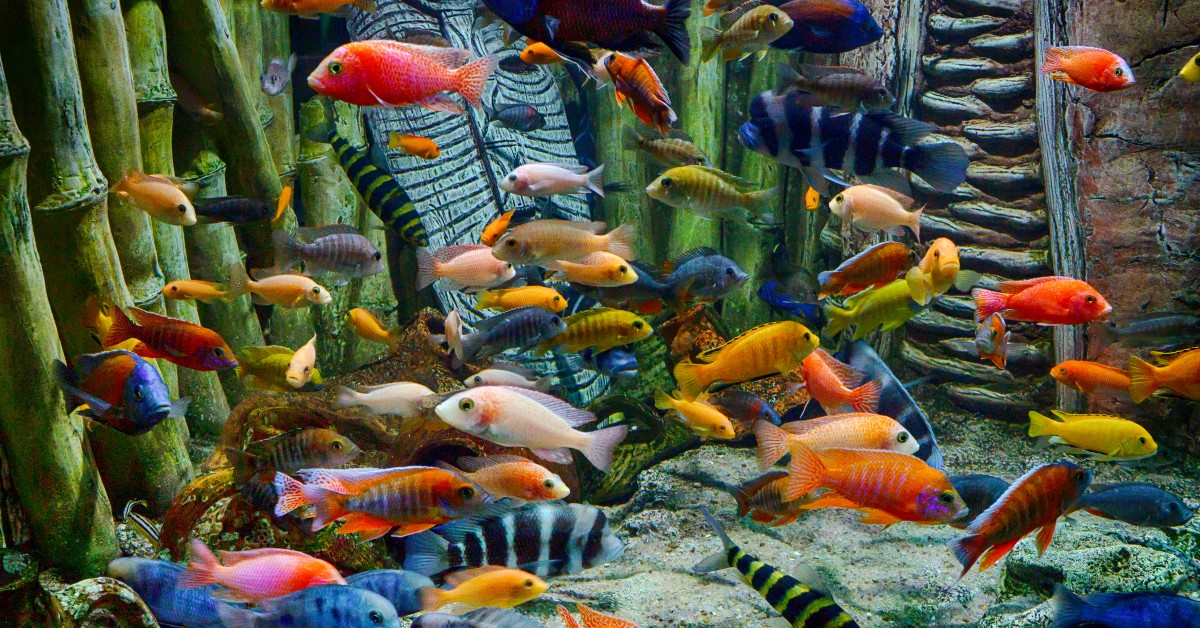
Freshwater vs Saltwater Aquariums: What to Choose
A beginner-friendly comparison of freshwater and saltwater aquariums, covering costs, maintenance, and animal welfare considerations.

By Fishmetry Team
4 min read
Published at Jan 27, 2026, 2:26 AM
Reviewed for accuracy · Last updated Jan 27, 2026, 2:28 AM
Choosing between a freshwater aquarium and a saltwater aquarium is one of the first major decisions new aquarists face. Both options can be rewarding, but they differ significantly in cost, complexity, maintenance, and livestock requirements. Understanding these differences helps you choose a setup that matches your experience level, budget, and long-term commitment to animal welfare.
Understanding Freshwater Aquariums
Freshwater aquariums are the most common entry point into the hobby. They use water with very low salinity and host fish, plants, and invertebrates adapted to rivers, lakes, and streams.
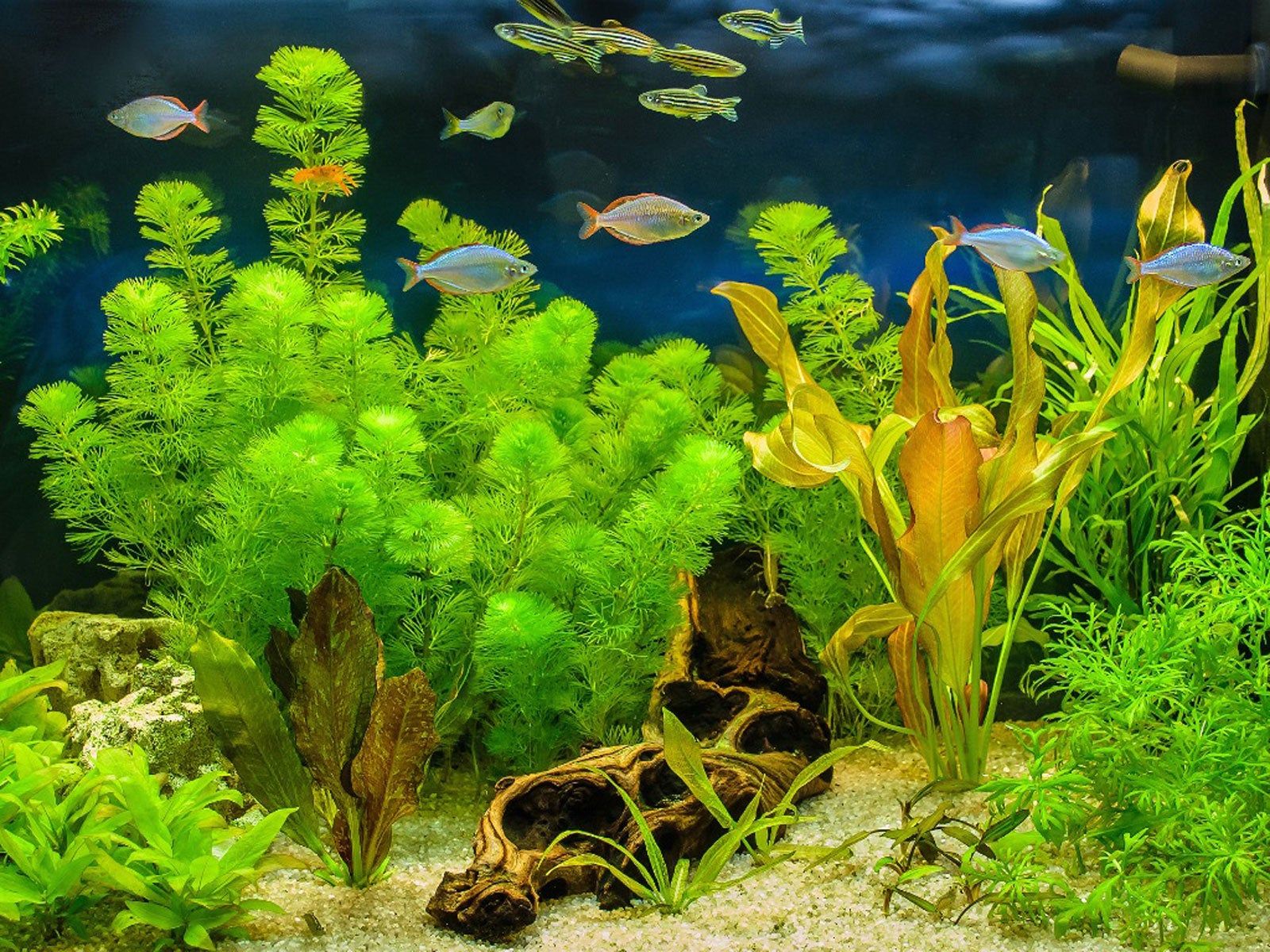
A planted freshwater aquarium
Key Characteristics
- Lower initial and ongoing costs
- Easier water chemistry management
- Wide availability of hardy fish species
- Suitable for planted tanks and natural aquascapes
Common Freshwater Livestock
- Community fish (tetras, rasboras, livebearers)
- Cichlids (from peaceful to territorial species)
- Freshwater shrimp and snails
- Live aquatic plants
Advantages for Beginners
Freshwater systems are more forgiving of small mistakes. Parameters such as pH and hardness usually change slowly, giving beginners time to correct issues before livestock is harmed.
Freshwater aquariums are ideal for learning the nitrogen cycle, basic filtration, and responsible stocking without constant parameter adjustments.
Understanding Saltwater Aquariums
Saltwater aquariums replicate marine environments such as reefs and coastal waters. These systems require artificial sea salt mixes and more precise control of water chemistry.
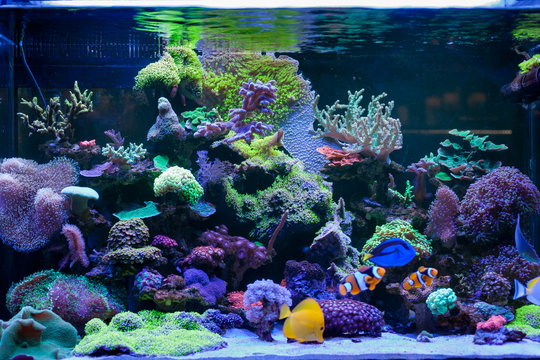
Marine aquarium with corals and fish
Key Characteristics
- Higher startup and maintenance costs
- Greater sensitivity to parameter changes
- Advanced equipment often required
- Visually striking marine species
Common Saltwater Livestock
- Marine fish (clownfish, gobies, tangs)
- Corals (soft, LPS, SPS)
- Marine invertebrates (shrimp, crabs, snails)
Challenges for New Aquarists
Saltwater systems demand stability. Salinity, temperature, alkalinity, calcium, and magnesium must remain within narrow ranges. Small errors can stress or kill sensitive marine animals.
Freshwater vs Saltwater: Side-by-Side Comparison
| Aspect | Freshwater Aquarium | Saltwater Aquarium |
|---|---|---|
| Initial cost | Low to moderate | Moderate to high |
| Maintenance difficulty | Beginner-friendly | Intermediate to advanced |
| Water stability | More forgiving | Highly sensitive |
| Equipment needs | Basic filtration and lighting | Advanced filtration, testing, and lighting |
| Livestock cost | Generally affordable | Often expensive |
| Learning curve | Gradual | Steep |
Ethical and Welfare Considerations
Stocking and Space
Regardless of water type, overcrowding is a leading cause of stress and disease. Always research adult size, behavior, and social needs before adding fish.
Source of Livestock
- Prefer captive-bred fish when available
- Avoid species known to have poor survival in captivity
- Quarantine new arrivals to protect existing livestock
Long-Term Commitment
Fish are not short-term pets. Some species can live for many years, especially in stable, well-maintained aquariums.
Ethical aquarism prioritizes the health and natural behavior of aquatic animals over visual appeal or rapid stocking.
Which Aquarium Should You Choose?
Choose Freshwater If You:
- Are new to aquariums
- Want lower costs and simpler maintenance
- Enjoy planted tanks and natural layouts
- Prefer a wider margin for error

Planted freshwater aquarium with Rasboras and Angelfish
Choose Saltwater If You:
- Already understand aquarium fundamentals
- Can invest in quality equipment and testing
- Are prepared for precise maintenance routines
- Want to keep marine fish or corals responsibly

Well maintained saltwater aquarium
Practical Advice Before Deciding
- Start with a larger tank whenever possible; larger volumes are more stable
- Learn the nitrogen cycle before buying fish
- Test water regularly and keep records
- Add livestock slowly, allowing the system to adapt
Final Thoughts
Both freshwater and saltwater aquariums can be successful and ethical when managed correctly. The best choice is not about which looks better, but which system you can maintain consistently while meeting the biological needs of its inhabitants. Starting with realistic expectations leads to healthier aquariums and a more rewarding experience in the long run.