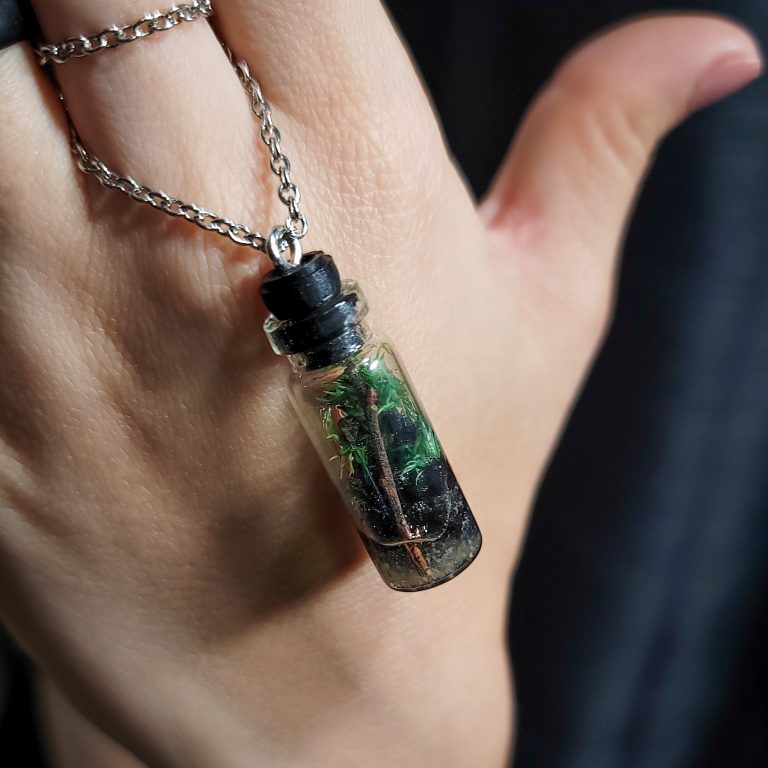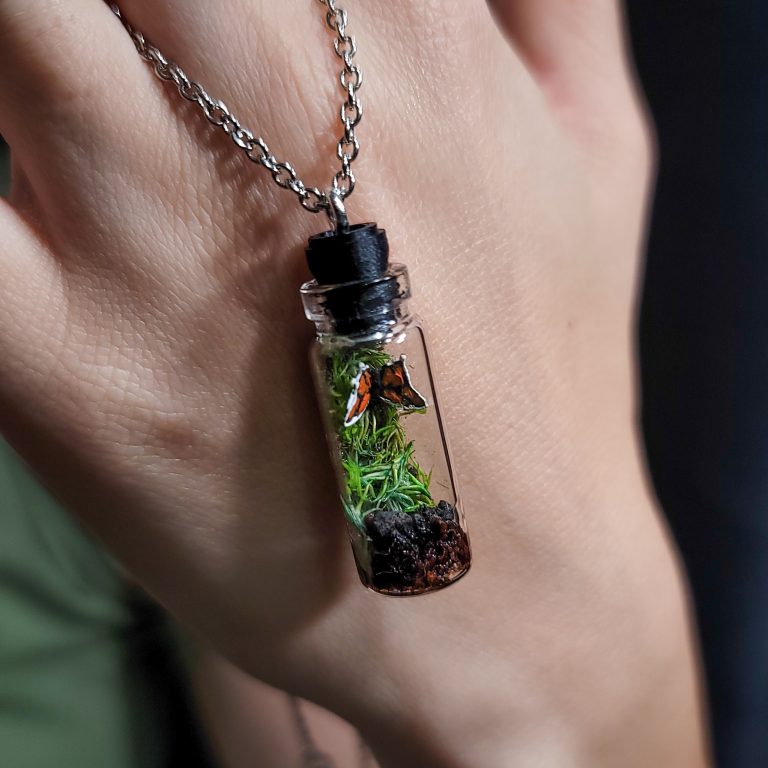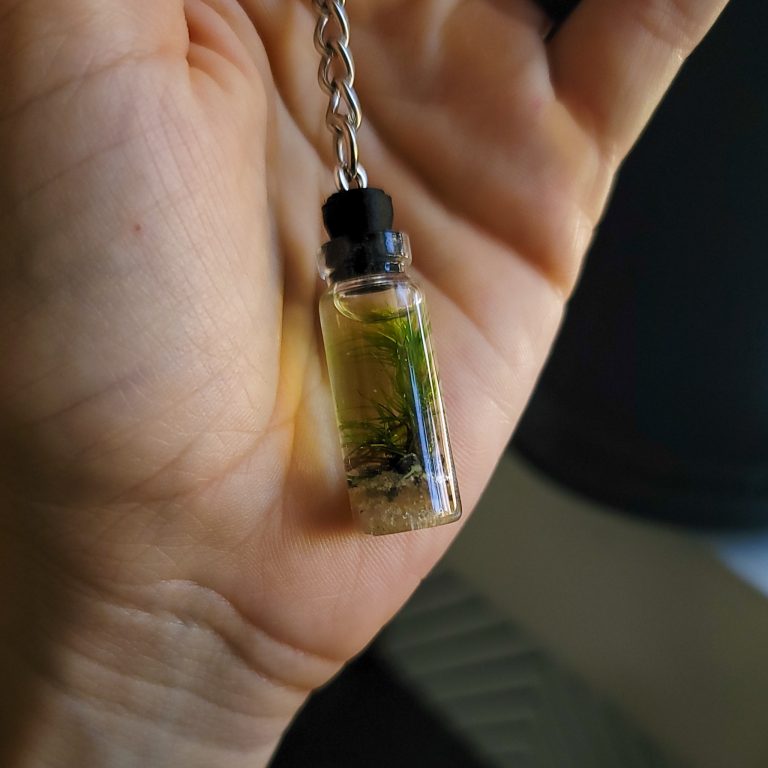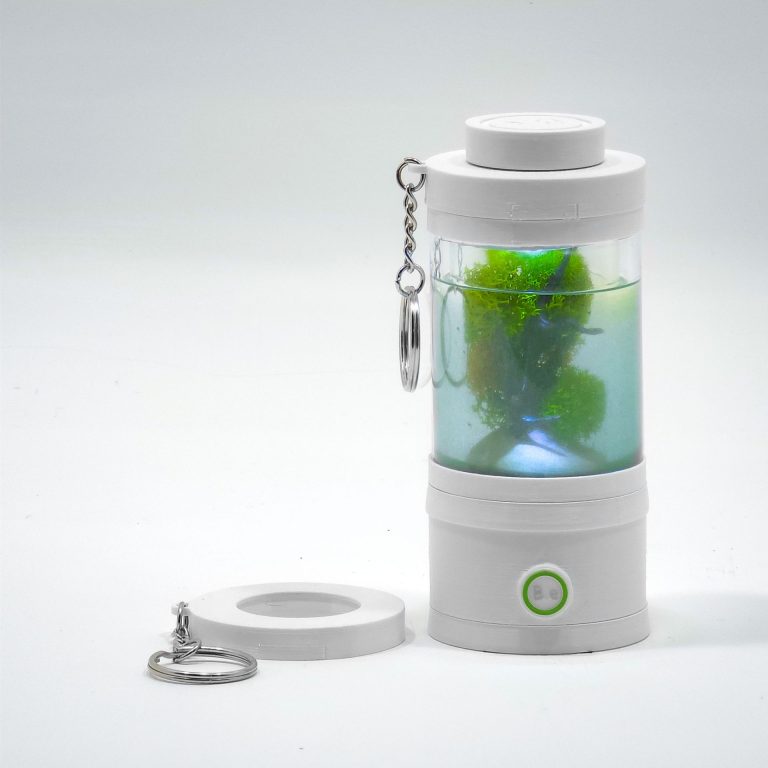
Freshwater Aquarium Necklace Charm
$24.99

Acanthurus leucosternon
Reviewed for accuracy · Last updated Jan 12, 2026, 11:39 PM
Highly active reef swimmer that is sensitive to stress, territorial toward similar tangs, and constantly grazes algae.
Marine
Aggressive
Pro
132 gal (500 L)
9 in (24 cm)
15–25 years
Herbivore
Resident
Tank mate selection for the Powder Blue Tang must be approached conservatively due to its territorial and stress-sensitive nature. This species frequently displays aggression toward other tangs, especially those with similar body shapes or grazing habits. Mixing with other surgeonfish requires very large aquaria and careful introduction order.
Suitable tank mates include larger wrasses, anthias, rabbitfish, reef-safe angelfish, and peaceful but robust reef fish. These species generally occupy different ecological niches and reduce direct competition for grazing territory. Powder Blue Tangs should ideally be added last to an established community to limit dominance behavior.
Aggressive or highly territorial species should be avoided, as chronic stress dramatically increases disease susceptibility. Likewise, cramped conditions or overcrowding often lead to persistent aggression and health decline.
This species is reef-safe and poses no threat to corals or sessile invertebrates. Long-term success depends on space, careful stocking, and minimizing social stress through thoughtful community design.
The Powder Blue Tang is one of the most demanding surgeonfish in the marine aquarium hobby and requires a large, mature, and extremely stable reef system. A minimum tank size of 500 liters is necessary, with emphasis on long horizontal swimming space rather than height. This species is a constant swimmer and becomes stressed quickly in confined or cluttered environments.
Aquascaping should balance open swimming lanes with substantial live rock surfaces for grazing. Live rock maturity is critical, as natural algae growth plays a major role in long-term health and stress reduction. Strong, laminar water flow that mimics reef currents is essential, ensuring high oxygen levels and encouraging natural swimming behavior.
Water quality must be pristine at all times. Powder Blue Tangs are highly sensitive to ammonia, nitrite, nitrate accumulation, and rapid parameter swings. Oversized protein skimmers, robust biological filtration, and consistent water change schedules are mandatory. Even short-term instability often results in immune suppression and disease outbreaks.
This species is particularly prone to marine ich and other parasitic infections when stressed. Quarantine, careful acclimation, and long-term stability are non-negotiable. When housed correctly in a mature system with proper space and nutrition, Acanthurus leucosternon becomes a spectacular and long-lived show fish.
Acanthurus leucosternon is a strict herbivore that relies heavily on constant access to marine algae for digestive health and immune strength. In captivity, an algae-based diet is essential and must be provided daily without exception.
Dried seaweed such as nori should form the primary food source and be offered multiple times per day using feeding clips. High-quality herbivore pellets and flakes fortified with vitamins provide nutritional balance and variety. Fresh macroalgae such as gracilaria or chaetomorpha further enhance dietary completeness.
Although the Powder Blue Tang may occasionally consume incidental meaty foods, animal protein should remain minimal. Excess protein intake is associated with digestive stress and long-term health issues. Frequent small feedings help mimic natural grazing behavior and reduce aggression.
Vitamin supplementation, particularly vitamin C, is strongly recommended to support immune function and reduce disease risk. A consistent, algae-rich feeding strategy is one of the most important factors in maintaining long-term health and coloration.
Breeding the Powder Blue Tang in captivity is extremely rare and not feasible in home aquaria. In the wild, this species participates in pelagic group spawning, releasing eggs and sperm into open water during specific environmental conditions.
Successful reproduction requires vast swimming space, seasonal cues, and social group dynamics that cannot be realistically replicated in standard aquarium systems. Sexual dimorphism is minimal, making pair or group selection impractical.
The larvae are planktonic and require extended periods of specialized care, including live microfoods and precise water quality management. Survival rates are exceptionally low even in professional aquaculture facilities.
As a result, nearly all Powder Blue Tangs in the trade are wild-caught. While research into captive breeding continues, responsible sourcing and excellent long-term care remain the most practical sustainability measures for this species.
Some links on this page may earn Fishmetry a commission at no extra cost to you.