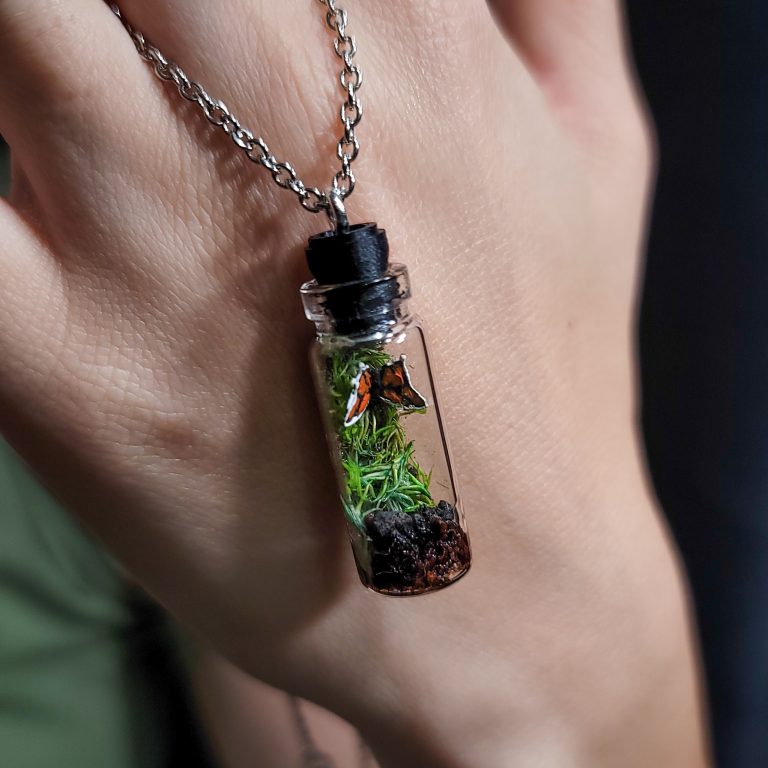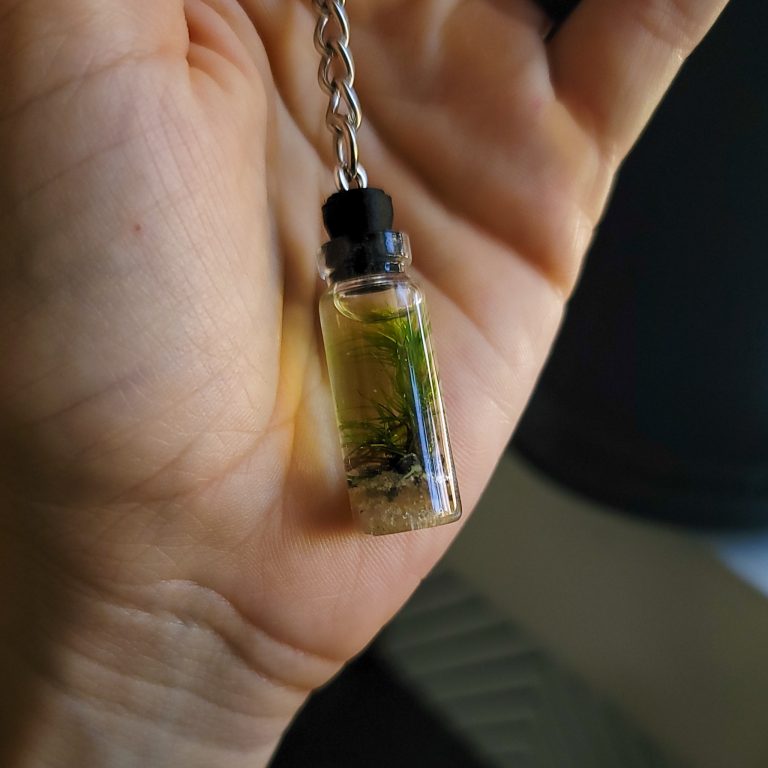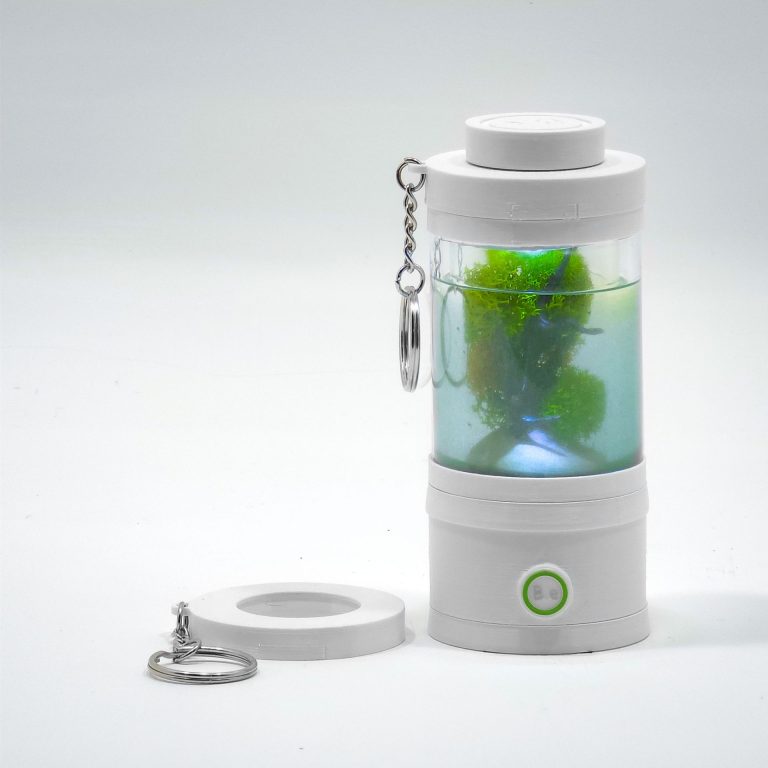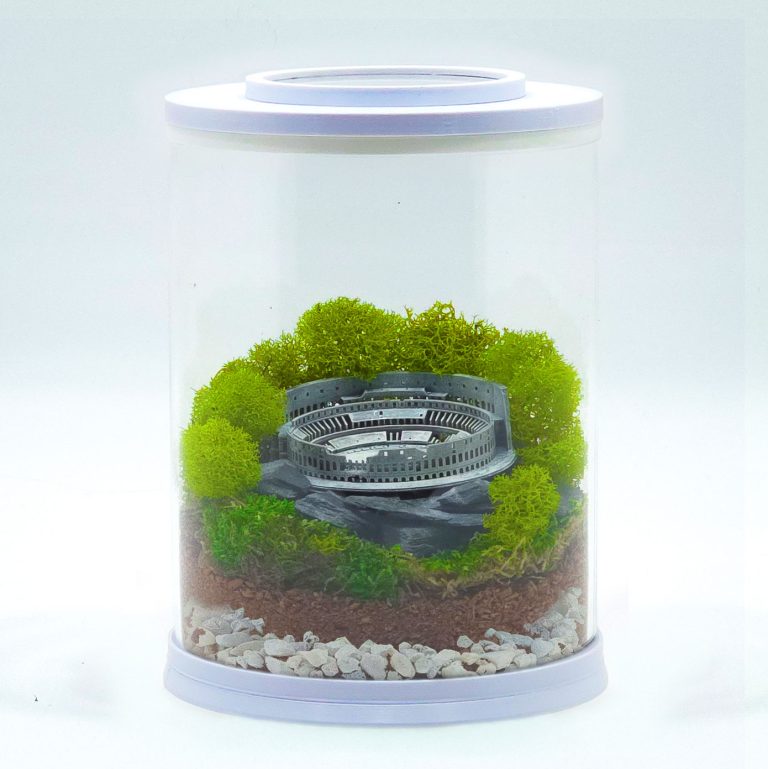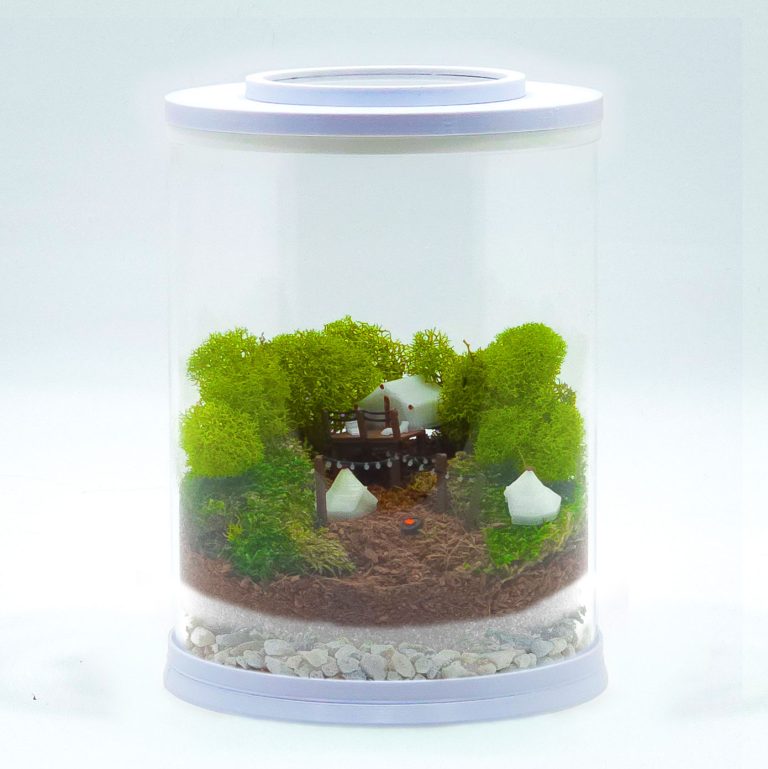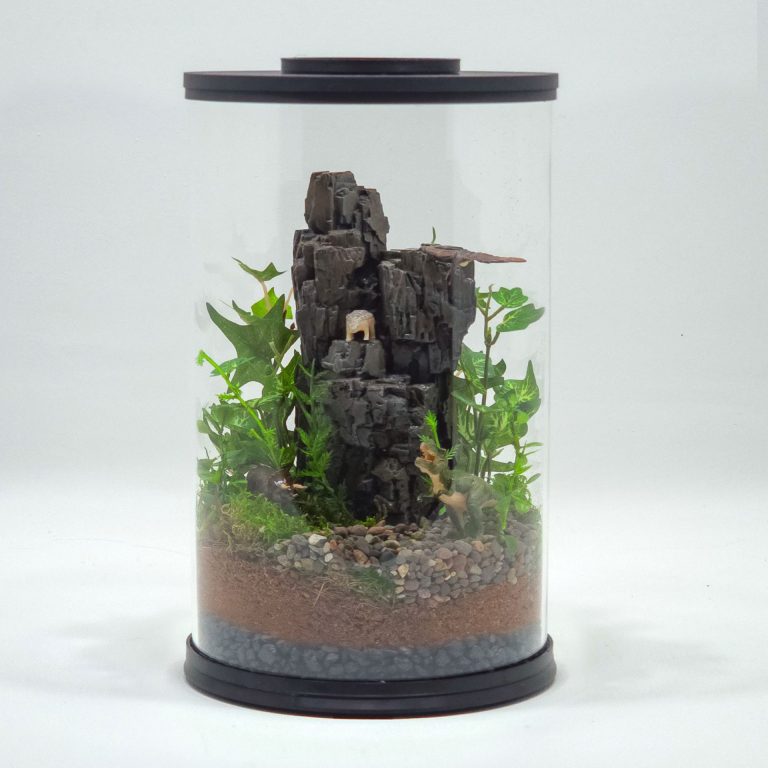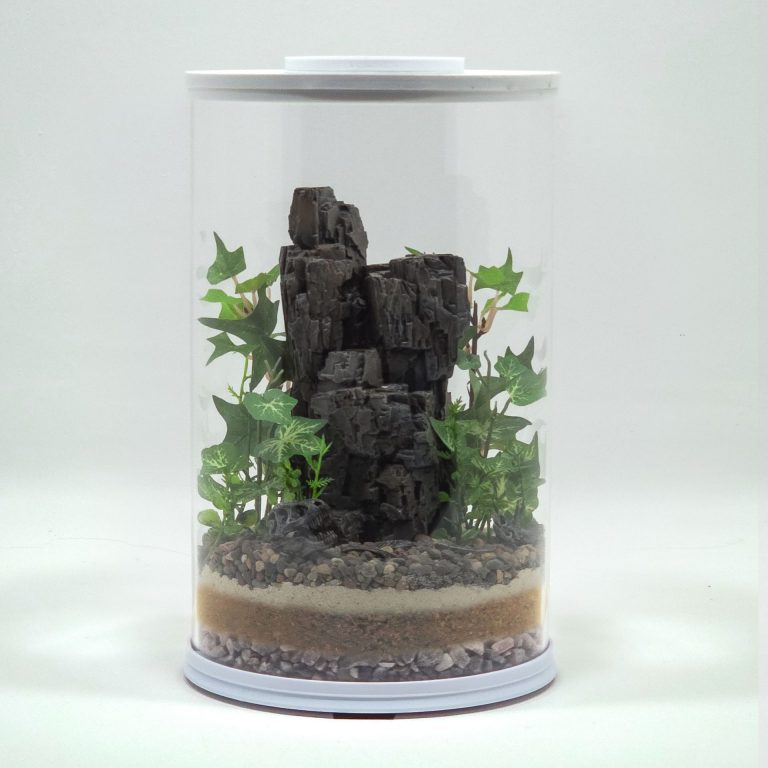
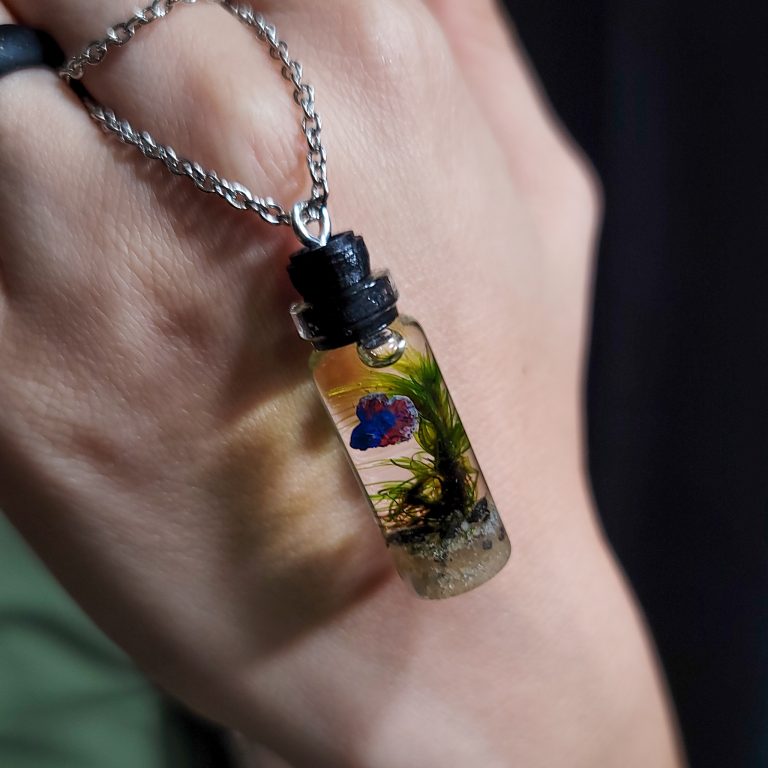
Freshwater Aquarium Necklace Charm
$24.99

Aphyosemion australe
Reviewed for accuracy · Last updated Dec 20, 2025, 5:03 PM
Small, colourful killifish; territorial during breeding but generally peaceful in pairs and small groups.
Freshwater
Moderate
Medium
5 gal (20 L)
2 in (4.5 cm)
1–3 years
Carnivore
Resident
Lyretail killifish are best kept with peaceful, small tank mates or in species-only tanks for breeding. Compatible companions may include small tetras and peaceful rasboras provided water chemistry matches. Avoid aggressive, large, or nippy species that will stress killifish or outcompete them for food. Provide dense planting and floating coverage to create microhabitats and reduce visual stressors.
Quarantine newcomers to prevent disease spread and acclimate slowly to preserve killifish health. Keep stocking light and observe interactions; territorial behaviour during breeding can stress cohabitants. Offer multiple feeding locations so timid tank mates receive food without being bullied by more assertive fish. Plan community composition carefully to ensure temperature and hardness compatibility across species.
Species-only setups are often preferred for breeding and maintaining colour lines with minimal disturbance. Maintain water cleanliness with small but frequent changes to support long-term health and display vibrancy.
Lyretail killifish thrive in small, well-planted tanks with floating cover and dim lighting. Provide peat-filtered or soft water, gentle filtration, and multiple hiding spots to reduce stress. Keep them in single-species pairs or small groups; males can be territorial during breeding periods. Perform regular small water changes and monitor temperature to keep conditions stable and healthy.
Aim for temperatures between 20–25°C and maintain neutral to slightly acidic pH for optimum colour and behaviour. Use spawning mops or dense plants for egg deposition and provide low-flow environments to mimic natural habitats. Quarantine new fish and acclimate carefully; killifish can be sensitive to sudden changes in water chemistry. Observe and record tank conditions that support vigour and colouration to refine husbandry practices.
Avoid overly aggressive tank mates; small peaceful species may coexist if water parameters match closely. Feed quality diets and maintain tank cleanliness to prevent disease outbreaks in these small, delicate fish. Consider a species-only tank for breeding or selective colour line maintenance to reduce stressors. Long-term care requires attention to water quality, appropriate feeding, and gentle tank management.
Aphyosemion australe are carnivores and prefer live and frozen foods such as daphnia and brine shrimp. Offer enriched frozen foods and live feeds regularly to maintain vibrant colour and encourage breeding. Feed small portions 1–2 times daily; juveniles need more frequent feedings with finer food particles. Avoid overreliance on dry flakes; live feeding improves conditioning and reproductive readiness.
Rotate live and frozen feeds to provide a full amino acid profile and avoid nutritional deficiencies. Consider culturing live foods like microworms or daphnia to supply consistent, high-quality nutrition. Store frozen foods correctly and thaw hygienically prior to feeding to prevent bacterial contamination. Observe feeding behaviour and adjust portion sizes to prevent water fouling and digestive issues.
When conditioning for breeding, increase frequency and include protein-dense feeds to improve gamete quality. Young fry require infusoria initially then progress to microworms and baby brine shrimp as they grow. Balanced feeding combined with clean water supports rapid juvenile growth and adult reproductive success.
Lyretail killifish are egg scatterers and often deposit eggs in spawning mops or dense plant roots. Set up a dedicated spawning container with peat and mops and condition pair(s) with live foods. Collect eggs from mops and incubate them in clean water at stable temperatures until fry hatch. Feed fry infusoria initially and move to microworms and baby brine shrimp as they increase in size.
Keep detailed records of spawn dates and incubation conditions to refine hatching success over time. Ensure low light and stable environment in the incubation area to reduce fungal issues and improve survival. Separate fry by size during grow-out to prevent cannibalism and encourage uniform growth across cohorts. Practice patient husbandry—killifish breeding can be straightforward but requires consistent maintenance.
Some links on this page may earn Fishmetry a commission at no extra cost to you.