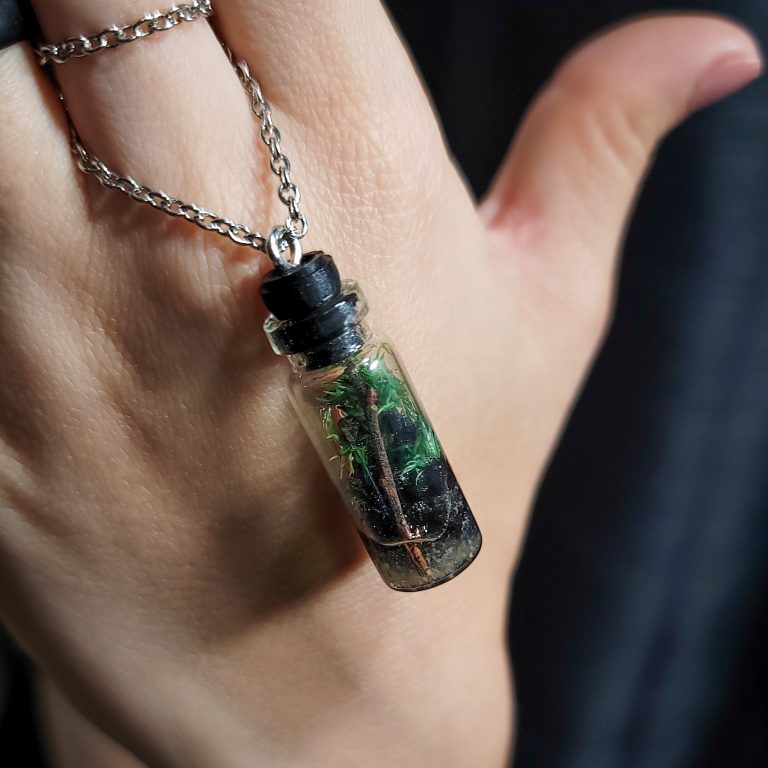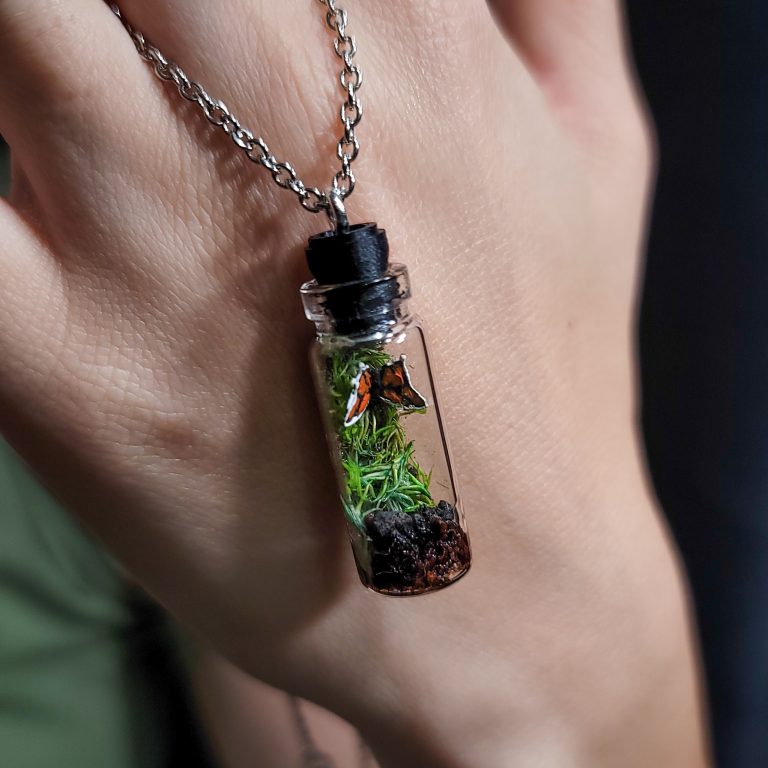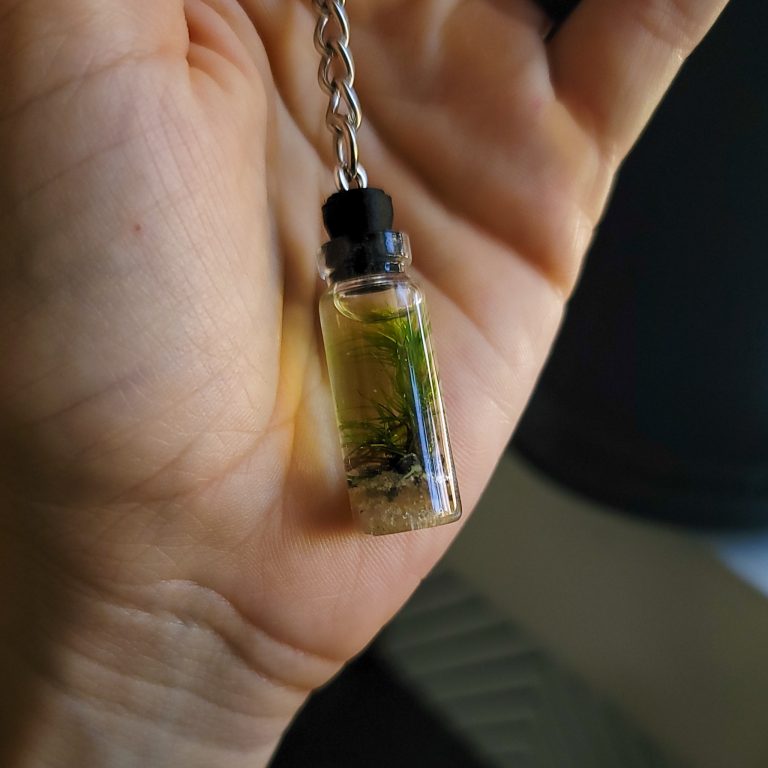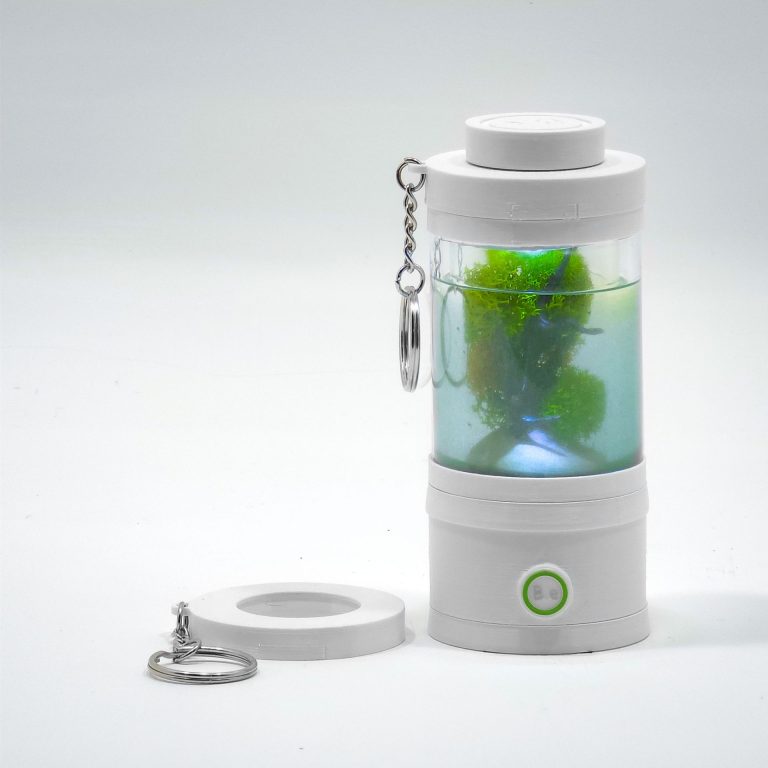
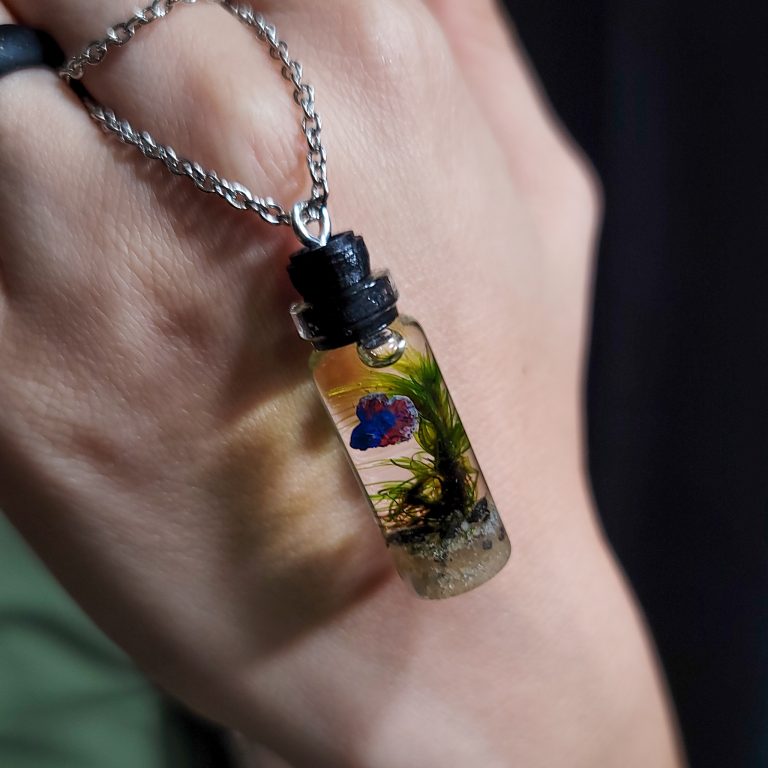
Freshwater Aquarium Necklace Charm
$24.99
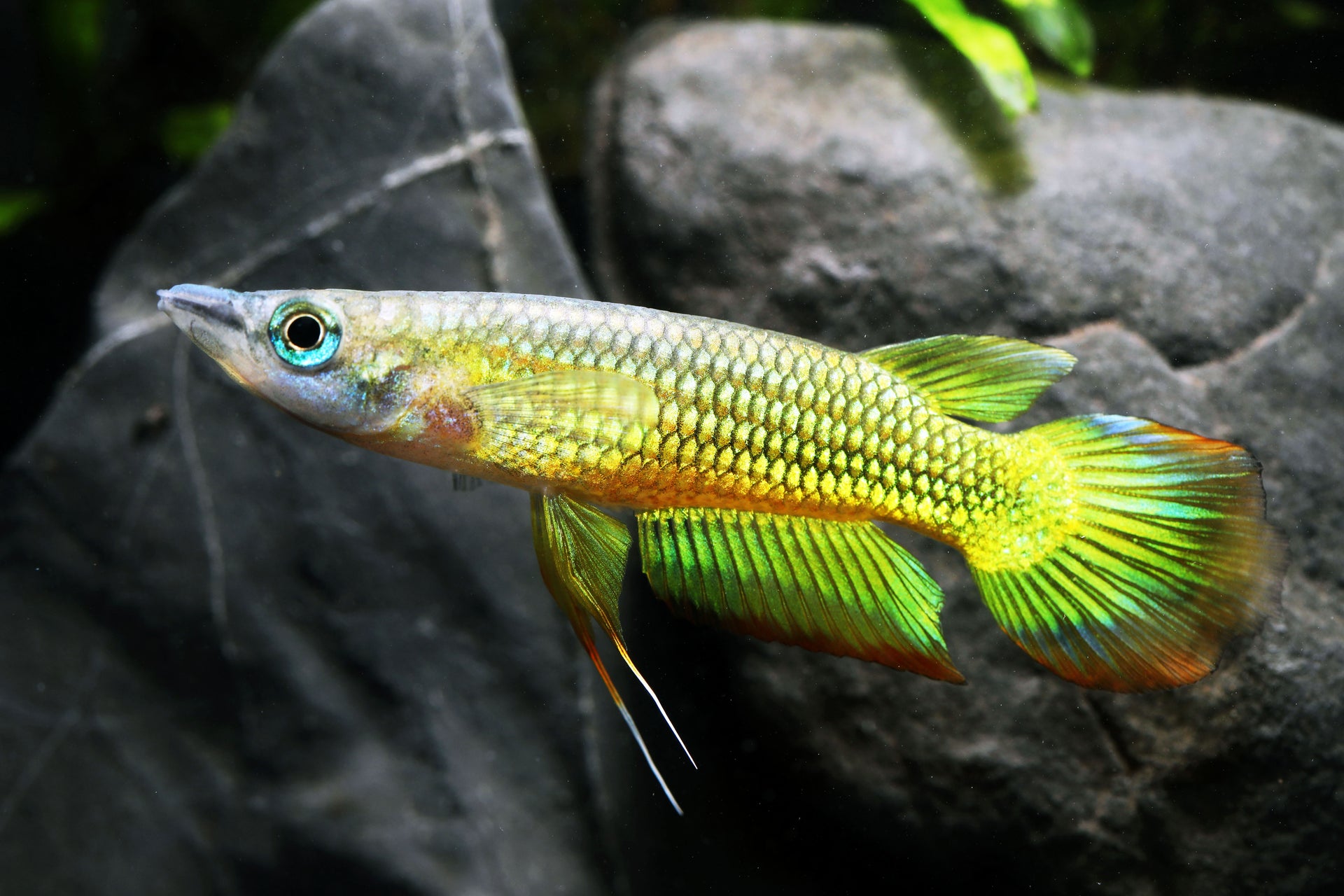
Aplocheilus lineatus
Reviewed for accuracy · Last updated Dec 20, 2025, 5:03 PM
Surface-oriented, active predator of insects and small invertebrates; territorial during breeding but generally peaceful otherwise.
Freshwater
Moderate
Medium
11 gal (40 L)
3 in (8 cm)
2–4 years
Insectivore
Resident
Golden wonder killifish are best kept with peaceful mid-to-surface swimmers that tolerate similar conditions. Suitable tankmates include small barbs, peaceful gouramis, and calm tetras that do not outcompete surface food. Avoid aggressive or very large predators that will harass or prey on killifish, especially juveniles. Keep plants and surface cover to allow killifish to hunt and retreat without constant exposure.
Quarantine new tankmates to assure disease-free introduction to these sometimes-sensitive fish. Observe interactions closely, particularly around feeding, to prevent bullying or resource monopolization. Provide multiple feeding stations and distribute food to reduce competition among active feeders. Ensure tankmates tolerate the same moderate temperatures to avoid chronic stress in the community.
Avoid crammed conditions that increase territoriality and escalate chasing during breeding periods. A calm, well-structured tank with adequate surface area ensures peaceful coexistence and breeding. Regular observation and minor adjustments to community composition preserve long-term stability.
Golden wonder killifish prefer a tank with floating plants and calm water surface for hunting. Provide shaded surface zones and broad-leaved plants for spawning and resting sites. Maintain stable temperatures between 22–26°C and moderate filtration that does not create strong surface turmoil. Keep them in species pairs or small groups with ample space to minimize territorial disputes.
Use open water at the surface for hunting and dense margin planting for retreats and fry cover. Quarantine new additions and acclimate gradually to avoid stress-related disease in sensitive individuals. Provide a secure lid — killifish are excellent jumpers when chasing prey or startled by movement. Stable water chemistry and routine maintenance reduce susceptibility to common freshwater pathogens.
Aplocheilus are insectivores and flourish on live and frozen insect-based foods. Offer live mosquito larvae, daphnia, and brine shrimp as staple conditioned foods for vigor and color. Supplement with high-quality surface flakes and frozen protein to ensure a balanced intake. Feed at the surface where they naturally hunt; multiple small feedings mimic their natural diet.
Provide live foods frequently when conditioning for breeding to stimulate readiness and display. Avoid exclusively dry diets; live prey ensures optimal nutrition and encourages natural behaviours. Young fish require very small live foods and gradual introduction to frozen products. Remove uneaten live food to prevent water quality issues and maintain a healthy environment.
Rotate protein sources and include occasional plant-based flakes to provide vitamins and fiber. Proper storage and preparation of frozen foods reduces the risk of bacterial contamination. Observe feeding to ensure subordinate fish get access to food and adjust feeding sites accordingly. Consistent, protein-rich feeding supports breeding success and vibrant adult condition.
Golden wonder killifish lay eggs on broad-leaved plants and show limited territoriality during spawning. Condition breeding pairs with live protein-rich foods to encourage courtship and egg deposition. Provide broad leaves or spawning mops at the surface where eggs can be attached and later collected if desired. If eggs are collected, incubate them in a separate container with gentle aeration until fry hatch.
Allow fry to feed on infusoria before transitioning to microworms and baby brine shrimp as they grow. Maintain pristine water and gentle filtration in rearing tanks to support sensitive fry development. Record spawning dates and incubation parameters to replicate successful conditions in future spawns. Provide calm conditions and minimal disturbance while eggs develop and fry are reared to juvenile stage.
Be prepared to remove aggressive partners if parental aggression reduces egg or fry survival rates. Successful breeding requires careful conditioning, attentive rearing, and a dedicated rearing setup. Consult community breeder resources for advanced incubation and rearing techniques when needed. Practice patience and meticulous husbandry to raise healthy fry to the juvenile phase reliably.
Some links on this page may earn Fishmetry a commission at no extra cost to you.