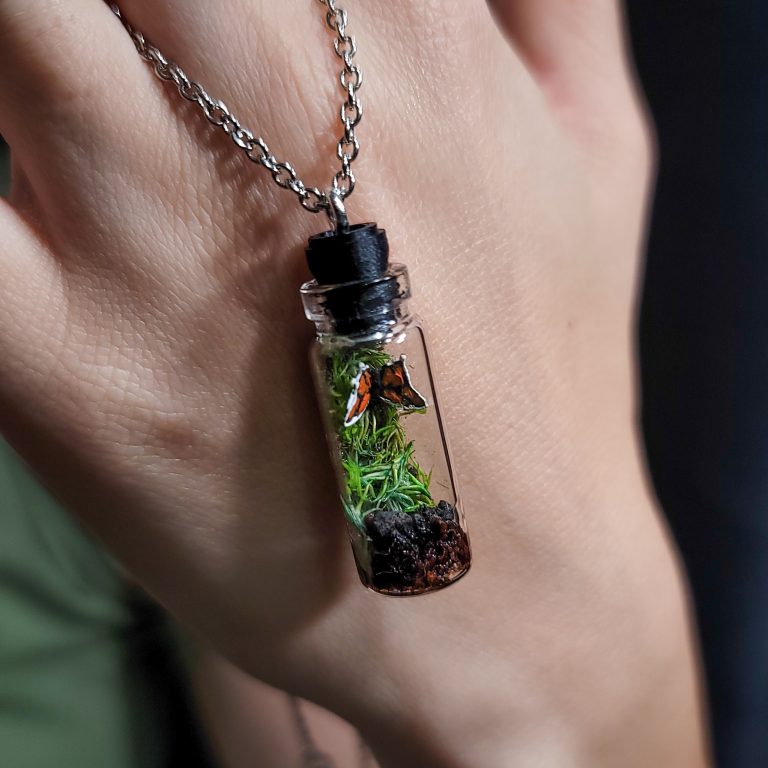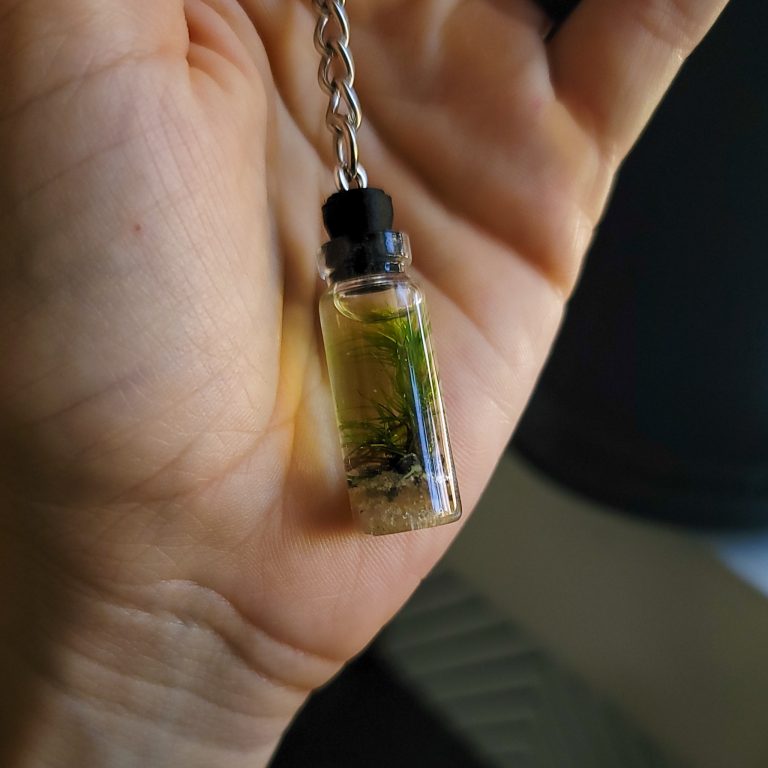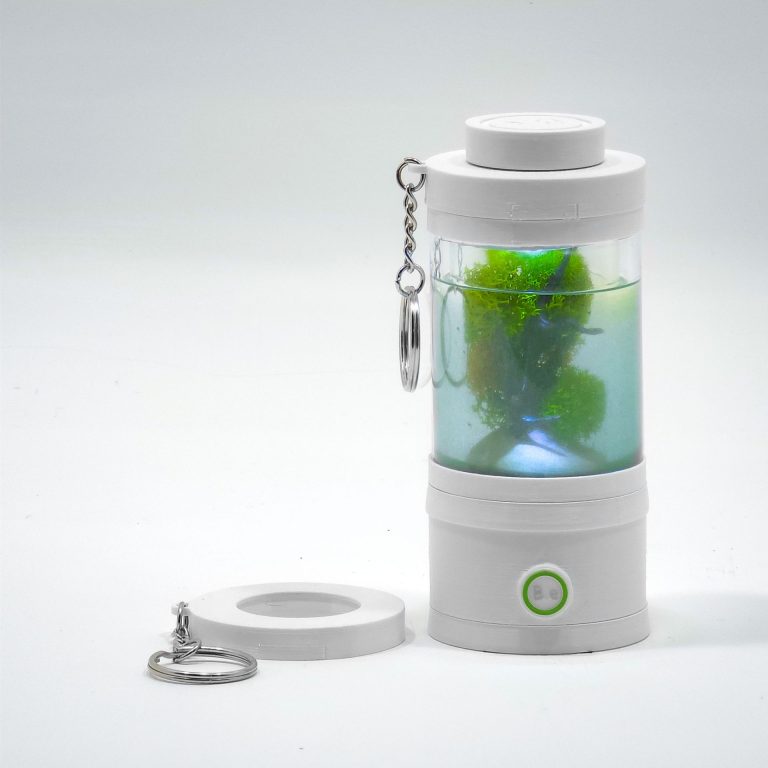
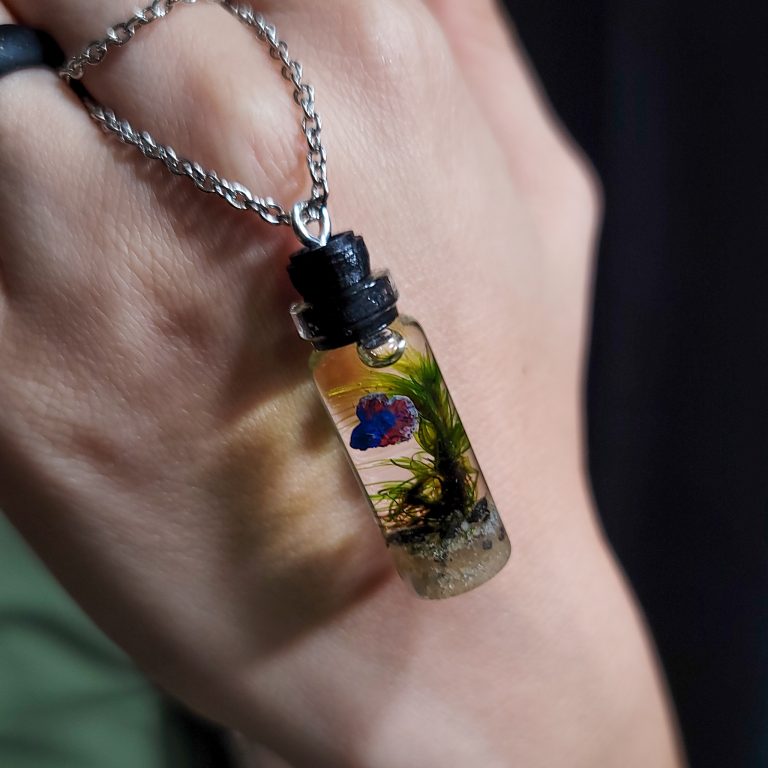
Freshwater Aquarium Necklace Charm
$24.99
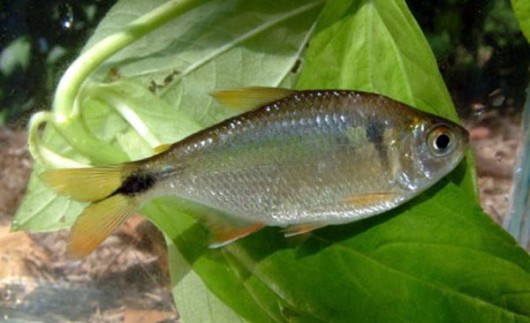
Astyanax paranae
Reviewed for accuracy · Last updated Jan 9, 2026, 2:25 AM
Active and hardy schooling fish with lively swimming behavior, adaptable to varied conditions and community tanks.
Freshwater
Moderate
Easy
15 gal (55 L)
3 in (7.5 cm)
4–7 years
Omnivore
Resident
Lambari are social fish that should be kept in groups. Inadequate group size often leads to increased fin nipping and dominance behavior.
They are compatible with robust community fish of similar size and activity level, including other characins and bottom dwellers. Slow, long-finned fish should be avoided.
Proper space and schooling numbers greatly reduce aggression.
In balanced communities, Lambari integrate well and remain active.
Astyanax paranae is native to rivers and streams of southern Brazil, particularly within the Paraná basin. It occupies flowing waters with variable clarity, sandy or rocky substrates, and seasonal fluctuations in temperature and water level.
In aquariums, this species is highly adaptable and well suited for beginners. A spacious tank with open swimming areas is recommended, as Lambari are active schoolers. Moderate planting and natural décor provide balance.
Standard filtration with moderate flow is appropriate. The species tolerates a wide range of parameters but benefits from stability and regular maintenance.
When provided space and clean water, Lambari display excellent vigor and coloration.
Astyanax paranae is omnivorous, feeding on insects, plant matter, algae, and detritus in the wild. This flexibility contributes to its hardiness.
In captivity, it readily accepts flakes, pellets, frozen foods, and occasional vegetables. A varied diet ensures optimal health.
Feed once or twice daily, avoiding excess.
Balanced nutrition supports growth and coloration.
Breeding Lambari is relatively easy. Spawning is often triggered by water changes and temperature shifts.
Eggs are scattered and receive no parental care. Adults should be removed to protect eggs.
Fry hatch quickly and grow fast when well fed.
Clean water and frequent feeding ensure success.
Some links on this page may earn Fishmetry a commission at no extra cost to you.