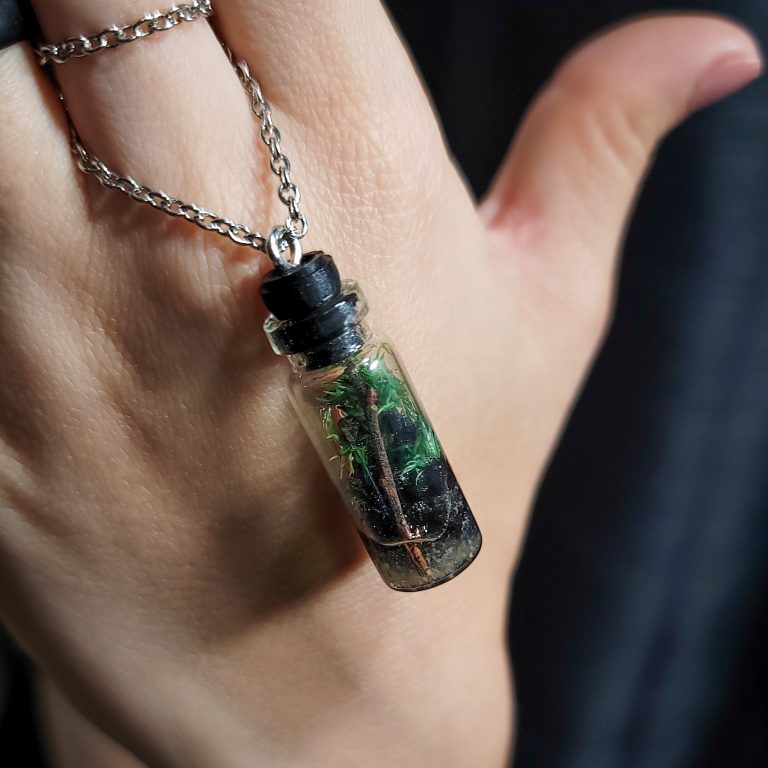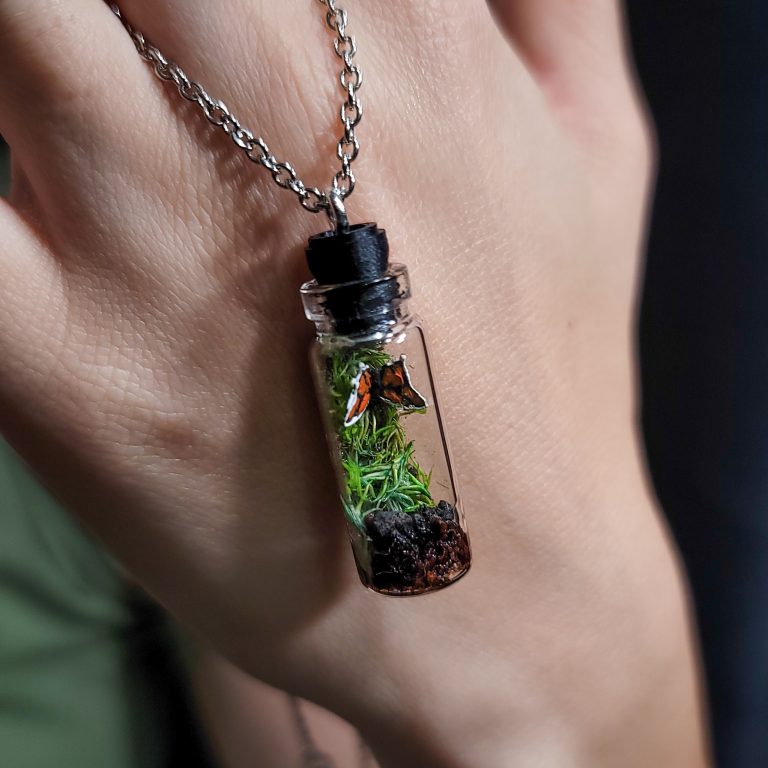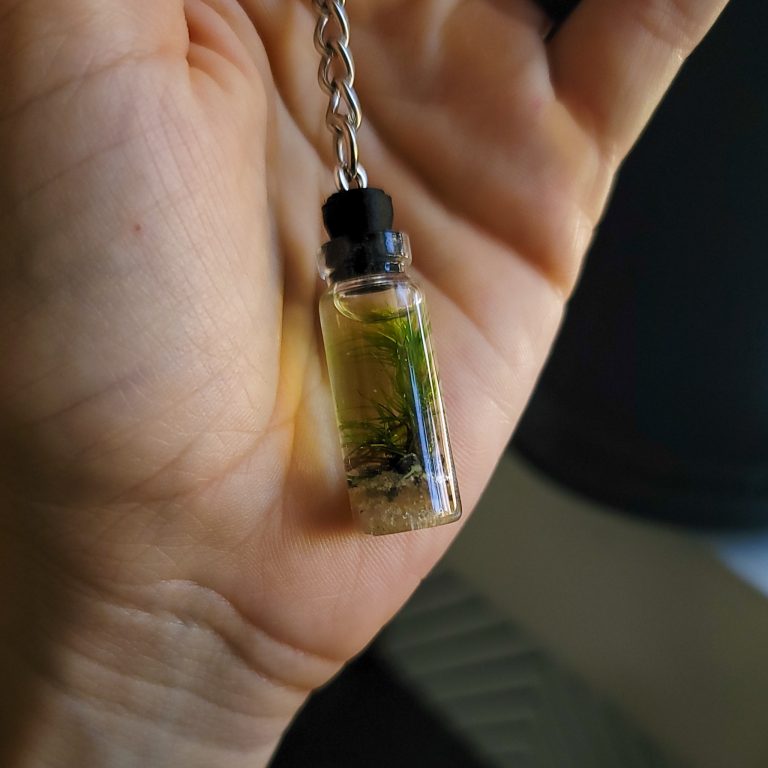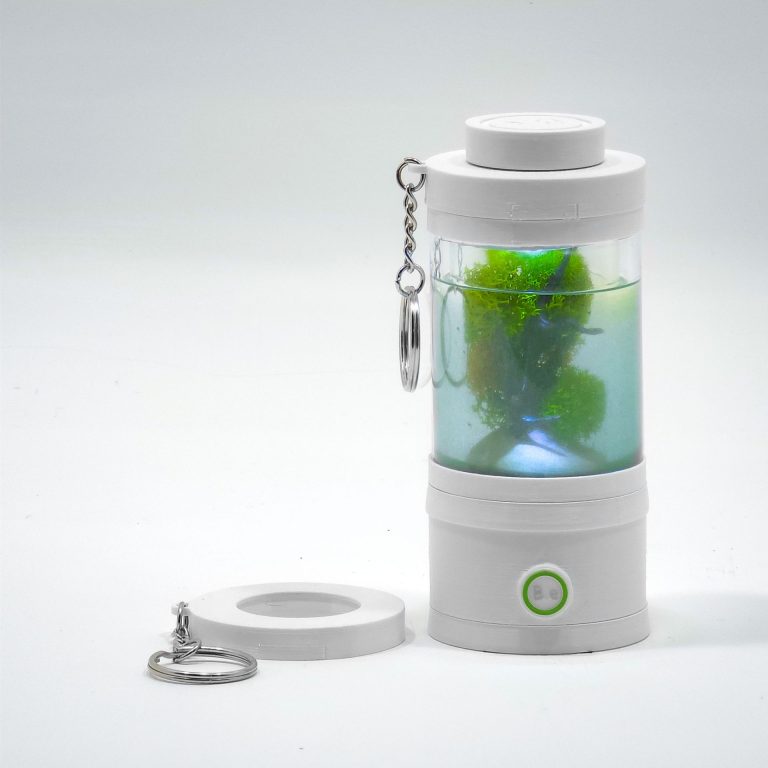
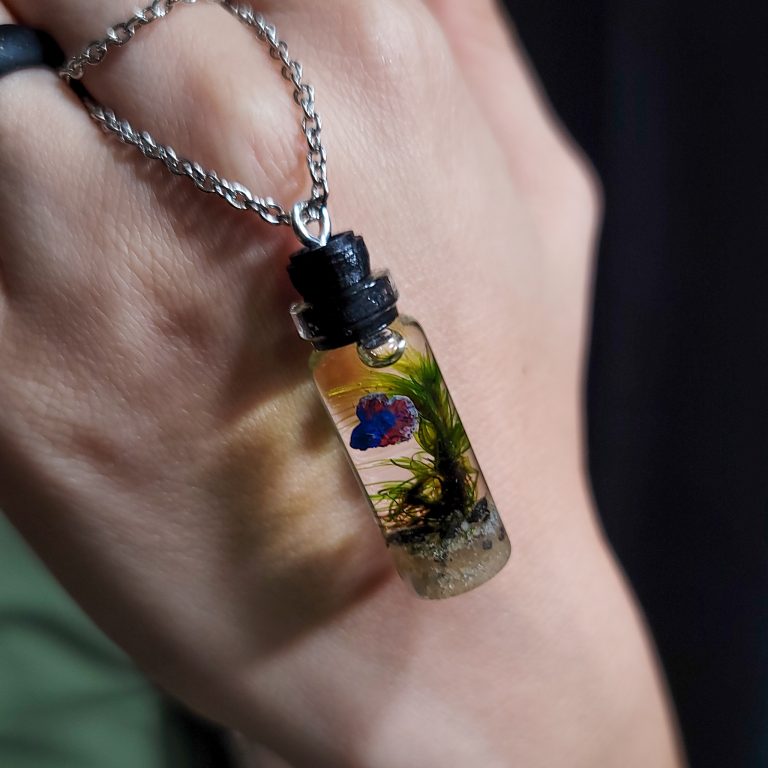
Freshwater Aquarium Necklace Charm
$24.99

Aulonocara nyassae
Reviewed for accuracy · Last updated Dec 20, 2025, 5:05 PM
Brightly colored Malawi cichlid; males are territorial during displays but generally manageable in species tanks.
Freshwater
Moderate
Medium
53 gal (200 L)
7 in (18 cm)
6–12 years
Omnivore
Resident
Peacock cichlids do best with other Lake Malawi species or robust, non-aggressive cichlids. Suitable companions include other Aulonocara species and rock-dwelling but not overly aggressive cichlids. Avoid mixing with small, timid fish or species requiring very different water chemistry. Provide plenty of rock caves and visual barriers to reduce direct territorial aggression.
Quarantine new additions and match high-pH, high-hardness water across the community. Space territories and provide abundant hiding spots to lessen aggression during breeding. Monitor feeding times to ensure subordinate fish receive sufficient nutrition. Careful species selection and tank structuring promote harmonious Malawi cichlid communities.
Peacock cichlids require hard, alkaline water and rocky structures typical of Lake Malawi. Provide ample rockwork for territories and open sand areas for display and foraging. Maintain stable pH 7.8–8.6, high hardness, and temperatures around 24–28°C for long-term health. Keep male-to-female ratios favorable to reduce harassment and ensure social balance.
Use wide tanks to provide horizontal swim space and complex rockwork to limit direct conflict. Quarantine new stock and acclimate slowly to high-mineral water to avoid shock. Perform regular water changes and strong biological filtration to handle cichlid bioload. Document successful community mixes and adjust stocking to respect space and territory needs.
Aulonocara are omnivores favoring a diet of high-quality cichlid pellets and frozen proteins. Supplement with mysis shrimp and brine shrimp while providing vegetable-based flakes occasionally. Feed 1–2 times daily in controlled portions to prevent overfeeding and maintain water quality. Rotate protein and vegetable components to provide a full complement of nutrients for health.
Young fish thrive on smaller particles and require more frequent feedings during growth phases. Avoid exclusively meaty diets which can harm Malawi cichlids accustomed to mixed feeding. Store and prepare frozen foods hygienically to prevent contamination and nutrient loss. Balanced nutrition combined with pristine water supports coloration and breeding readiness.
Aulonocara are maternal mouthbrooders; females incubate eggs orally following spawning. Condition breeding groups with high-quality protein and provide appropriate territories for courtship. Females hold eggs and fry in their mouths for several weeks before releasing free-swimming juveniles. Raise released fry in a species-appropriate grow-out tank for higher survival and controlled feeding.
Maintain pristine water for brooding females and avoid stressful tank rearrangements during incubation. Feed fry small live foods and powdered diets initially to support growth after maternal release. Record successful parentage and conditions to refine breeding strategies and improve survival rates. Mouthbrooding requires patience and minimal disturbance to maximize fry viability.
Some links on this page may earn Fishmetry a commission at no extra cost to you.