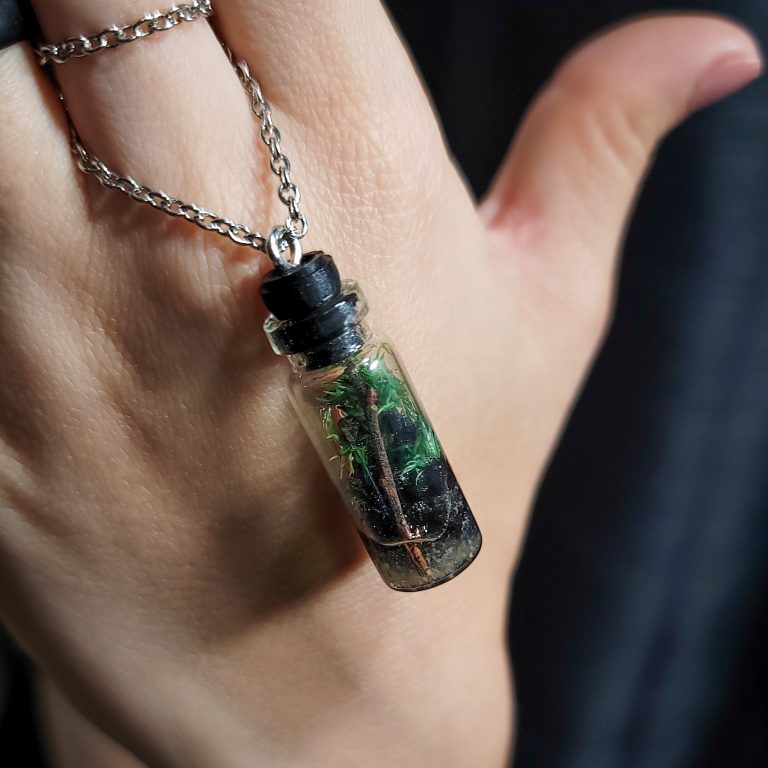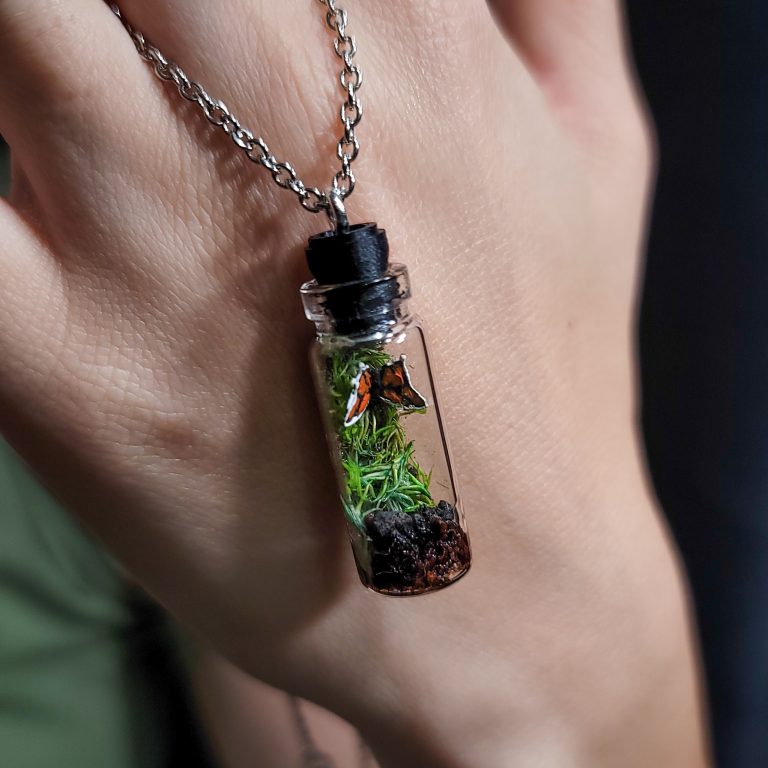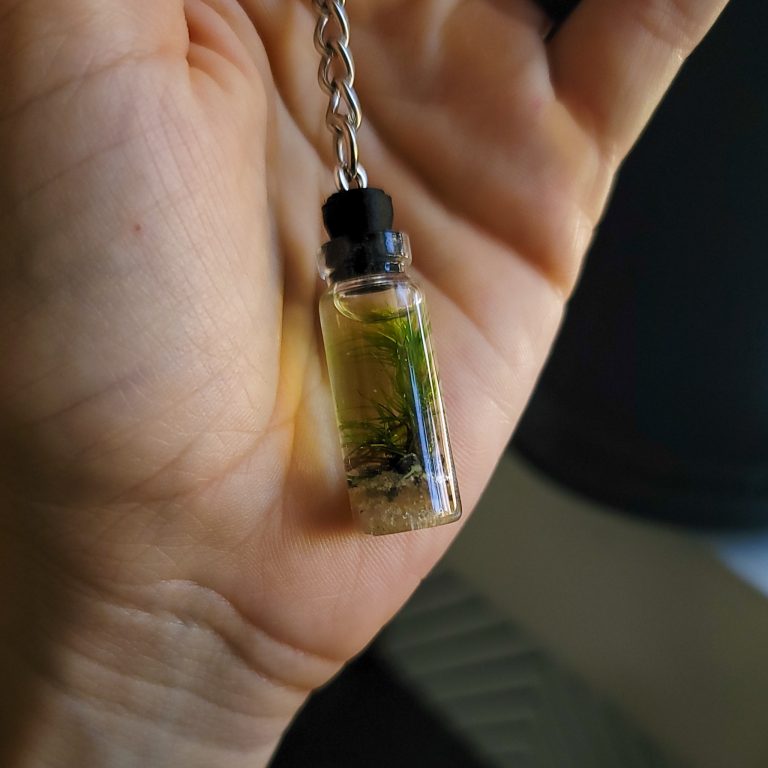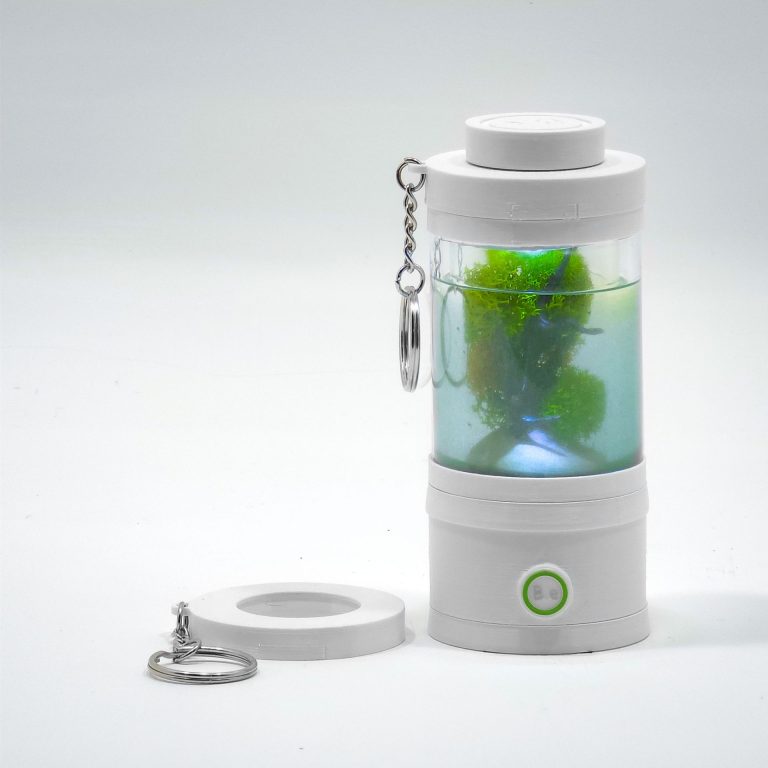
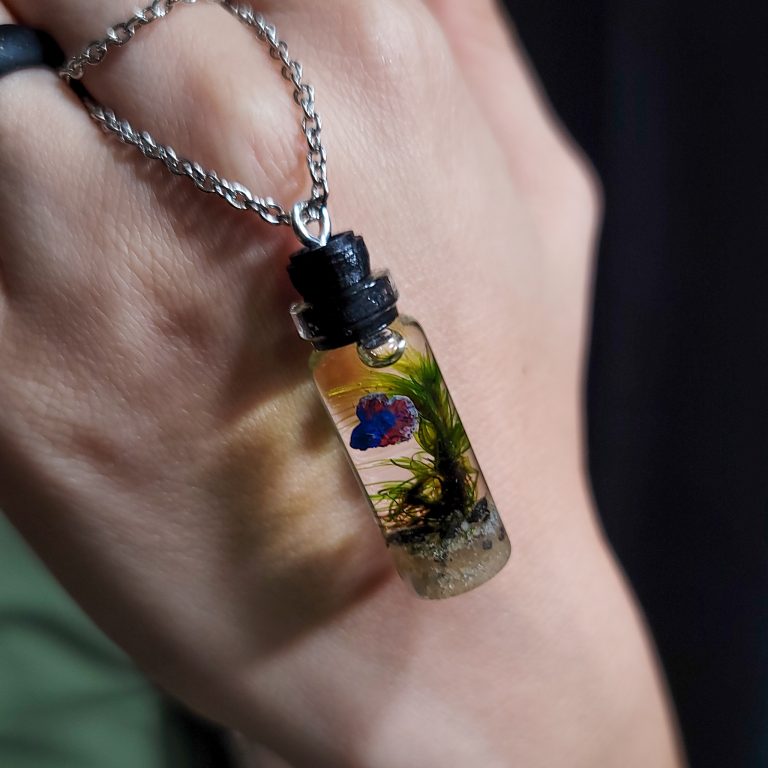
Freshwater Aquarium Necklace Charm
$24.99
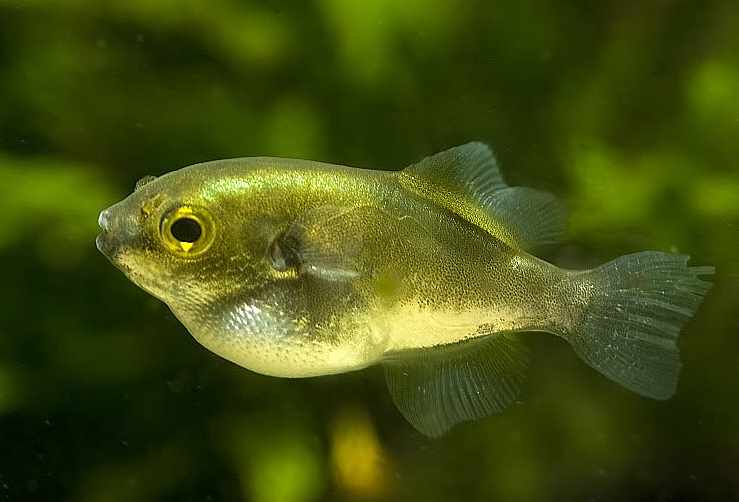
Auriglobus modestus
Reviewed for accuracy · Last updated Jan 7, 2026, 12:23 AM
Highly territorial freshwater puffer that is aggressive toward tank mates, intelligent, and prone to fin biting behaviors.
Freshwater
Very Aggressive
Hard
32 gal (120 L)
3 in (7 cm)
5–8 years
Carnivore
Resident
Avocado puffers are not community fish. They attack most tank mates. Species-only tanks are recommended. Even similar puffers may fight.
Aggression is constant. Fin nipping is common. Stress increases hostility. Avoid mixing species.
Large tanks reduce but do not eliminate issues. Observation is required. Injuries happen quickly. Isolation is safest.
They interact with keepers. Tank mates are unnecessary. Compatibility is extremely low. Solo setups work best.
Avocado puffers need species-only tanks. They are highly territorial. Complex environments reduce boredom. Strong filtration is required.
Use sand substrate. Provide driftwood and plants. Hiding spots are essential. Secure lids are recommended.
Maintain pristine water quality. Regular water changes are mandatory. They are sensitive to toxins. Stable conditions prevent stress.
They are intelligent fish. Environmental enrichment is important. Poor care leads to aggression. Proper setup is critical.
Avocado puffers are strict carnivores. They require hard-shelled foods. Snails help wear down teeth. Shrimp and mollusks are ideal.
Avoid dry foods. Feed every one to two days. Overfeeding causes obesity. Remove leftovers promptly.
Teeth overgrowth is a risk. Monitor feeding closely. Diet variety is essential. Quality foods prevent problems.
Juveniles need frequent feeding. Adults eat less often. Nutrition impacts behavior. Consistency supports health.
Breeding avocado puffers is extremely rare. Captive spawning is poorly documented. Pairs are difficult to maintain. Aggression complicates breeding.
Egg laying behavior is unknown. Parental care is undocumented. Most specimens are wild caught. Breeding remains experimental.
Special conditions may be required. Large tanks are likely needed. Success has not been established. Research is limited.
Focus on long-term care. Healthy adults show best behavior. Stress prevents reproduction. Observation adds experience.
Some links on this page may earn Fishmetry a commission at no extra cost to you.