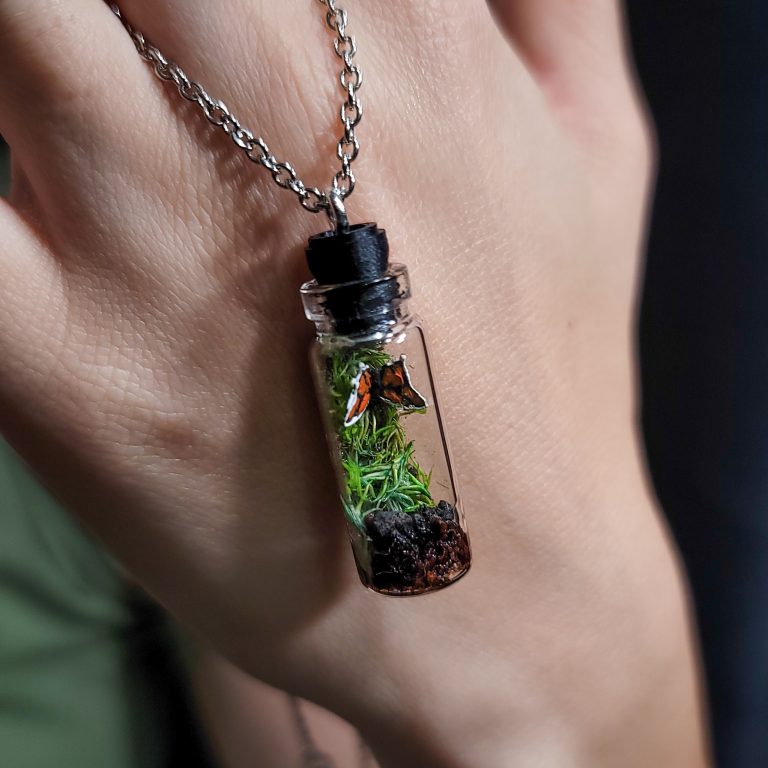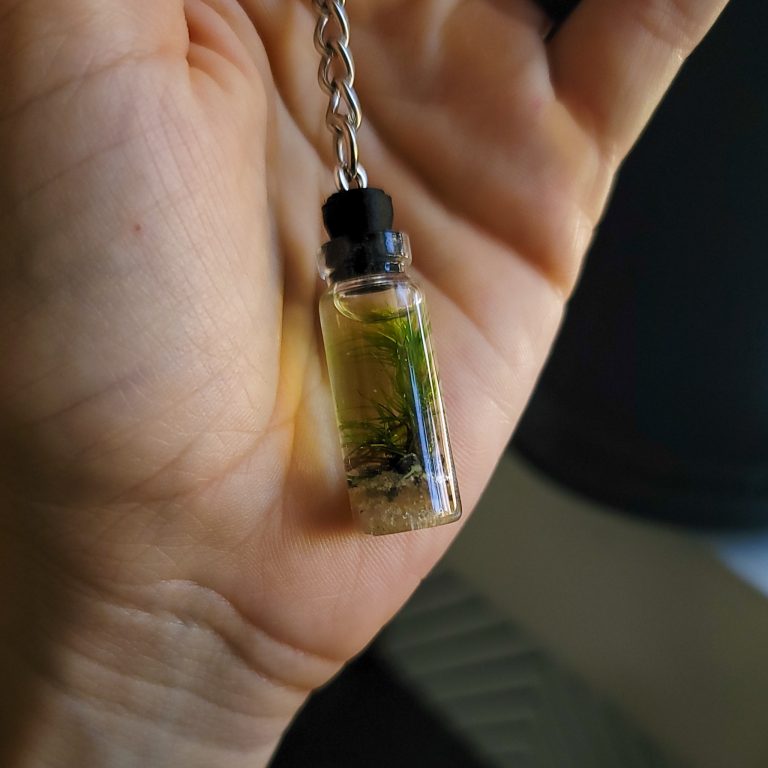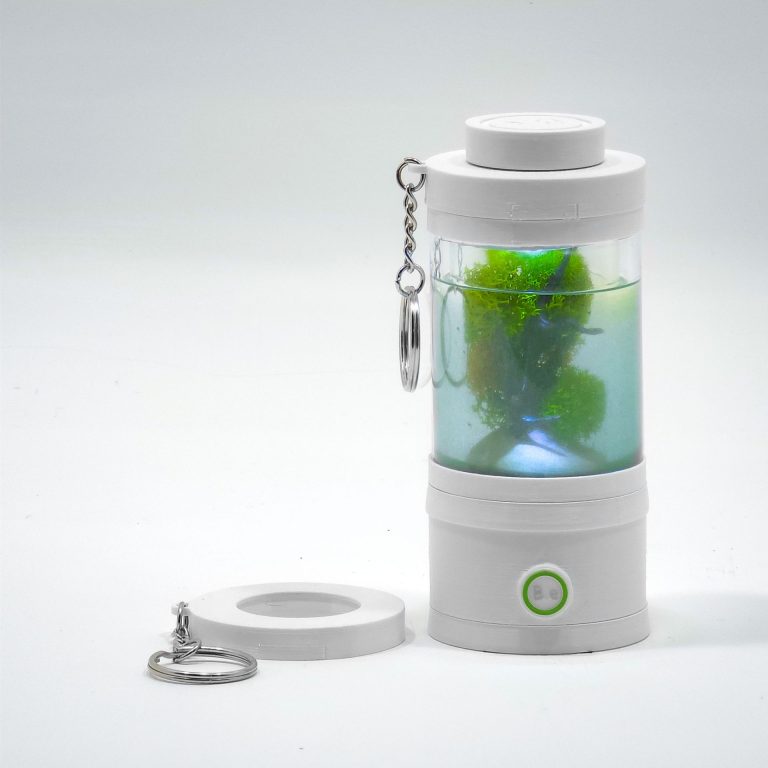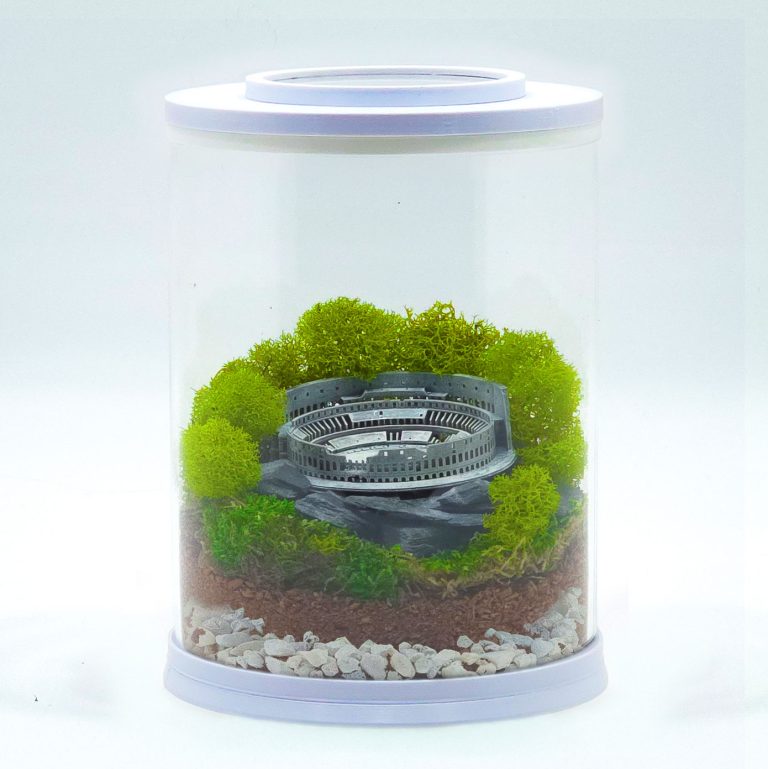
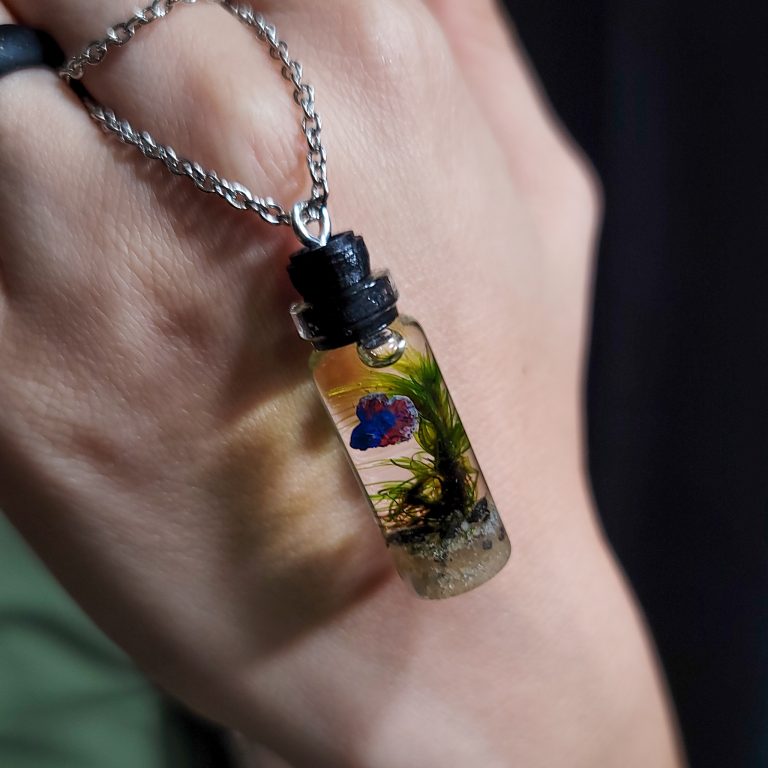
Freshwater Aquarium Necklace Charm
$24.99
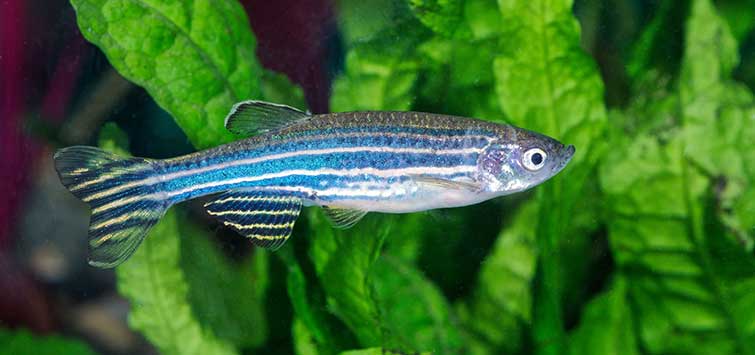
Brachydanio rerio
Reviewed for accuracy · Last updated Dec 20, 2025, 5:06 PM
Active mid-water schooling fish known for constant movement and high adaptability.
Freshwater
Peaceful
Easy
16 gal (60 L)
2 in (5 cm)
3–5 years
Omnivore
Resident
Zebrafish are excellent community fish due to their peaceful nature and high activity. They mix well with rasboras, small barbs, corydoras, and peaceful livebearers. They also coexist well with rainbowfish of appropriate size. Larger groups reduce fin-nipping tendencies.
Avoid pairing with long-finned or slow-moving species, as their quick movements may cause stress. Angelfish and bettas are not ideal companions. They integrate best with fish that enjoy similar temperatures and water hardness. Provide ample swimming lanes for mixed-species schools.
A community tank with structured planting offers balanced territories. Species that tolerate cooler temperatures pair especially well. Avoid overly aggressive or territorial fish. A calm but active community helps maintain harmony.
Zebrafish thrive in long tanks that provide horizontal swimming space, supporting their active nature. They prefer stable, well-oxygenated water with moderate flow created by filters designed for community aquariums. Plants placed along the sides and back create open central areas where the school can move freely. Their hardiness makes them suitable for a wide range of setups.
A secure lid is important because their rapid swimming can lead to sudden jumps. They tolerate cooler temperatures than many tropical species, making them flexible for unheated rooms. Aquascapes with fine-leaf plants offer shelter without restricting movement. Bright lighting enhances their reflective striping.
Weekly water changes maintain consistency and prevent waste buildup. Good filtration supports their active metabolism. They adapt well to various substrates, from sand to gravel. The environment should remain uncluttered to encourage natural schooling.
Zebrafish accept nearly all prepared foods, making them easy to feed. High-quality flakes and micro-pellets form the basis of a balanced diet. Supplementing with live or frozen items like daphnia, brine shrimp, and micro worms increases activity and conditioning. They readily chase small moving foods.
Feed two to three small meals per day to support their constant motion. Avoid large sinking foods, as they prefer mid-water feeding. Crushed flakes work well for mixed-size groups. Vegetable-based offerings, such as spirulina, help support digestion.
A varied diet enhances coloration and immune strength. They quickly learn feeding routines and respond actively. Moderate portions keep water quality stable. Overfeeding should be avoided to prevent bacterial blooms.
Breeding Zebrafish is straightforward and commonly practiced in dedicated spawning tanks. Use marbles, mesh floors, or dense plants to protect eggs from adults. Pairs or groups usually spawn in the early morning under stable conditions. Remove adults after spawning to prevent egg predation.
Condition breeders with nutrient-rich live and frozen foods. Spawning is triggered by the first light of the day. Eggs hatch within 48 hours, depending on temperature. Free-swimming fry appear shortly afterward.
Fry initially require infusoria or specialized liquid foods. They quickly transition to powdered fry food and newly hatched brine shrimp. Stable water quality is crucial during early development. Frequent small water changes support healthy growth.
Some links on this page may earn Fishmetry a commission at no extra cost to you.