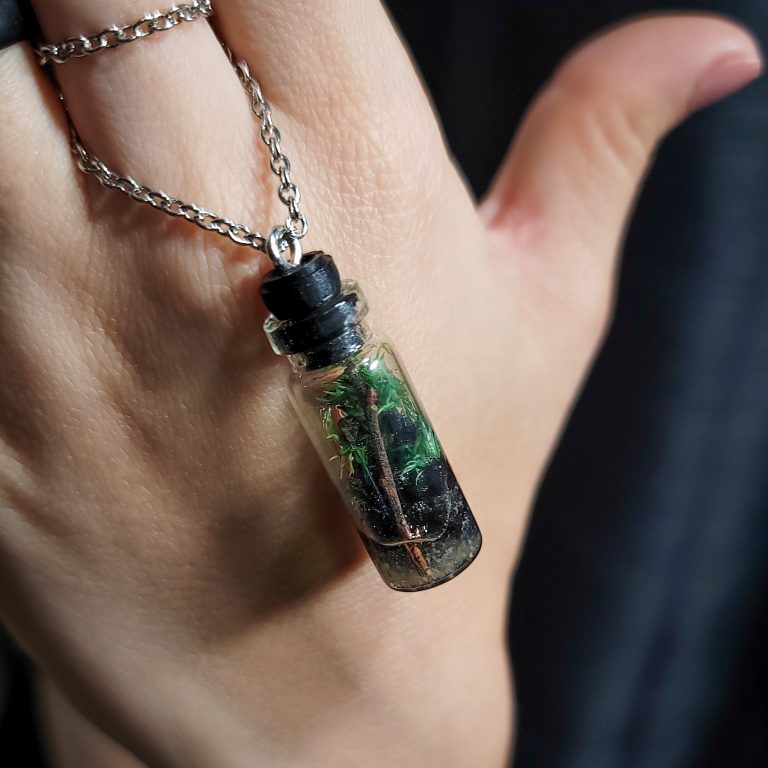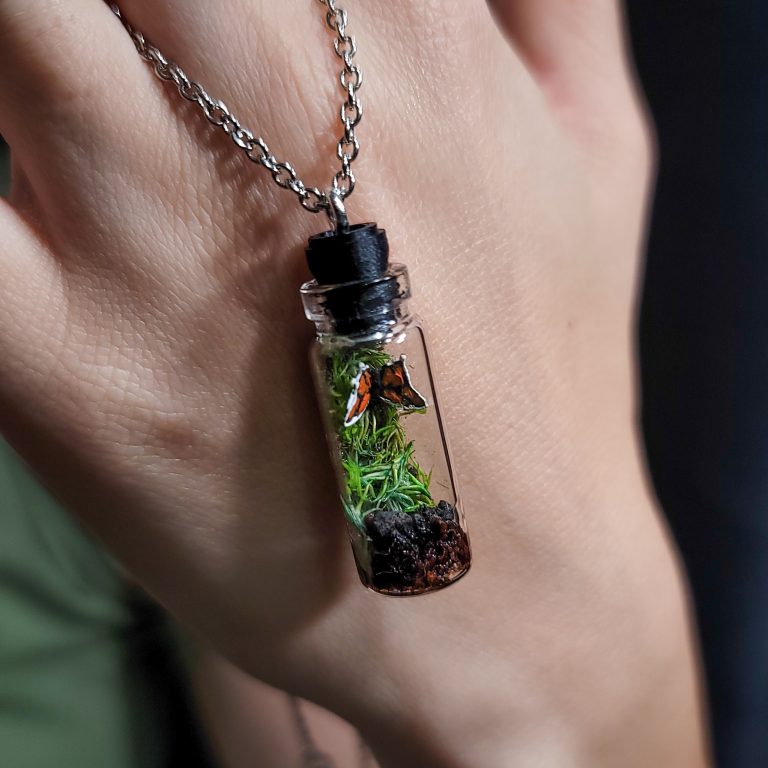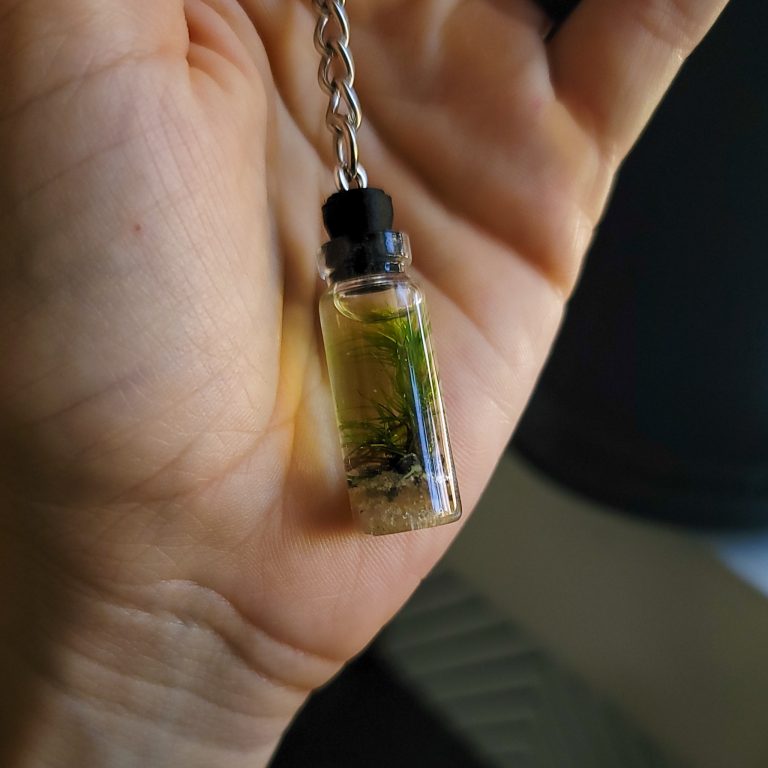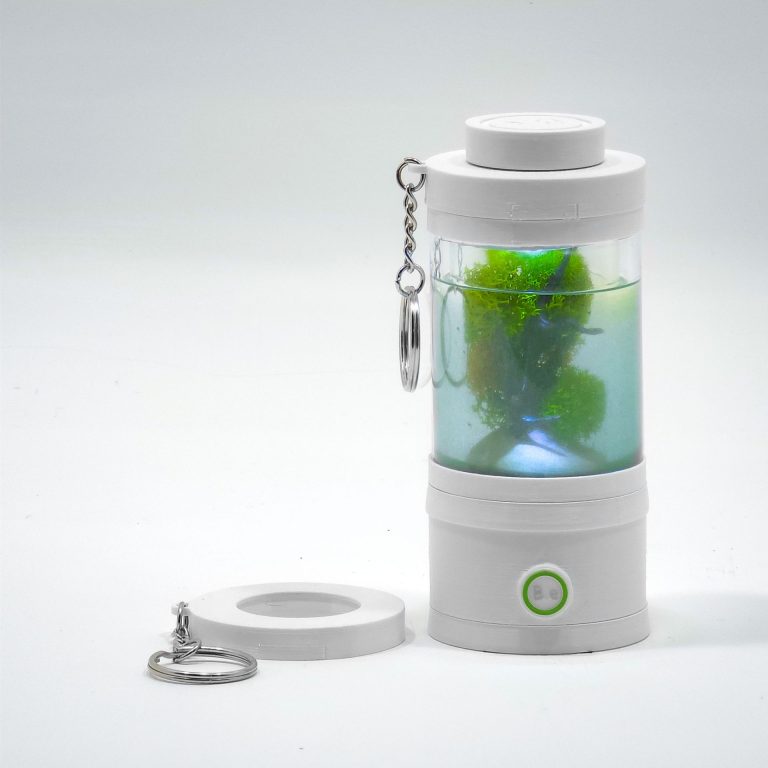
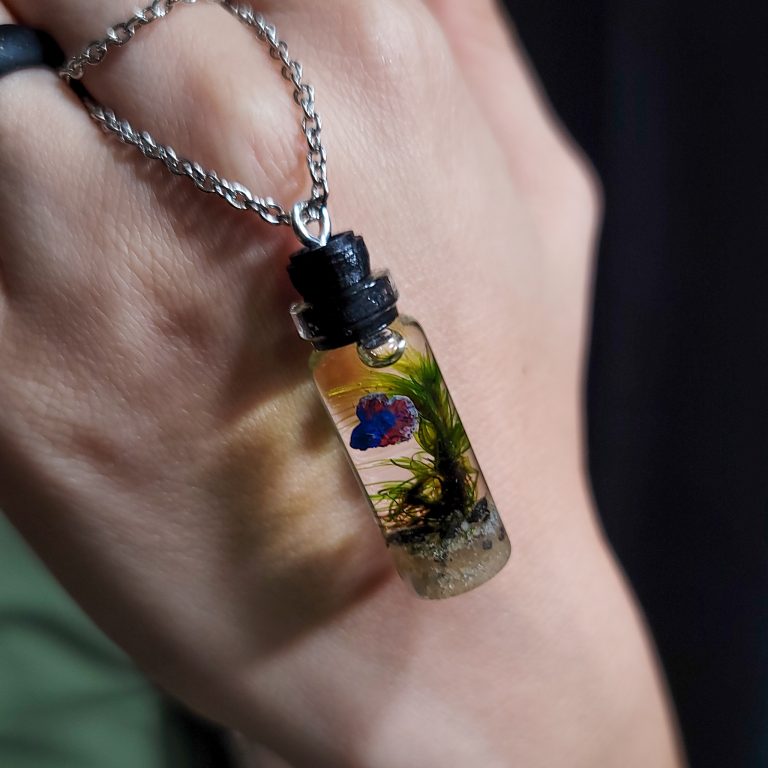
Freshwater Aquarium Necklace Charm
$24.99

Brachygobius nunus
Reviewed for accuracy · Last updated Jan 10, 2026, 4:25 PM
Small bottom-dwelling goby that is shy, territorial around shelters, and most active during feeding times.
Brackish
Moderate
Medium
16 gal (60 L)
2 in (4 cm)
4–6 years
Carnivore
Resident
Tank mates for Brachygobius nunus must be chosen with extreme care due to its small size and feeding behavior.
Golden banded gobies are peaceful but territorial around shelters. They do best in species-only tanks or with very calm, small brackish fish that will not outcompete them for food.
Suitable companions include small mollies acclimated to brackish water or other tiny goby species with similar requirements. Even then, stocking density should be low to prevent stress.
Avoid large or aggressive fish entirely. Fast feeders and surface-oriented species often consume all available food before gobies can react, leading to starvation.
In groups, males may display mild territorial disputes, especially if hiding spaces are limited. Providing multiple shelters reduces aggression and allows natural social structure.
For best results, a dedicated setup focused on their needs is recommended, ensuring consistent feeding and minimal competition.
Brachygobius nunus is a small brackish goby that requires carefully maintained conditions despite its modest size.
In nature, this species inhabits slow-moving streams, estuaries, and mangrove-influenced waters with soft substrates and abundant hiding places. While sometimes kept in freshwater, long-term success is best achieved in lightly brackish conditions.
Aquariums should emphasize bottom space rather than height. Fine sand substrate is ideal, allowing natural resting and foraging behavior. Numerous caves, crevices, and shelters made from rocks or driftwood are essential to reduce stress and territorial disputes.
Water quality must be pristine. Golden banded gobies are sensitive to ammonia and nitrite, making mature, well-cycled aquariums mandatory. Gentle filtration with minimal current is preferred, as they inhabit calm waters.
Lighting should be subdued, and floating plants or décor can help diffuse brightness. Stable temperature and salinity are more important than exact values, and sudden changes should always be avoided.
Although small, this species rewards attentive care with interesting behavior and striking coloration, making it suitable for specialized nano brackish setups.
Brachygobius nunus is a micro-predator that feeds almost exclusively on small live or frozen foods.
In the wild, this goby consumes tiny crustaceans, worms, and insect larvae found along the substrate. Captive diets must closely match this natural feeding style.
Live foods such as baby brine shrimp, microworms, and daphnia are highly recommended, especially for newly acquired specimens. Frozen foods like bloodworms and cyclops are usually accepted once the fish are settled.
Most individuals refuse dry foods, making specialized feeding necessary. Target feeding with a pipette or turkey baster helps ensure food reaches the bottom and is not intercepted by other fish.
Feeding should occur once daily in small portions. Overfeeding can quickly degrade water quality in small tanks, so careful observation is essential.
A consistent supply of appropriate foods is the key to long-term success with this species, as nutritional neglect is the most common cause of failure.
Breeding Brachygobius nunus in captivity is possible but requires a dedicated setup and close observation.
Males establish small territories around caves or crevices and display brighter coloration when ready to spawn. Females deposit eggs on the سق inside sheltered surfaces, after which the male guards and fans them.
During this period, the male becomes highly territorial and should not be disturbed. Eggs typically hatch within a few days, depending on temperature.
Larvae are extremely small and require infusoria or similarly sized live foods during their earliest stages. As they grow, they can transition to baby brine shrimp.
Slightly brackish water improves survival rates, and stable conditions are critical. Even small fluctuations can result in brood loss.
While challenging, successful breeding is achievable for dedicated aquarists and offers valuable insight into the species’ fascinating reproductive behavior.
Some links on this page may earn Fishmetry a commission at no extra cost to you.