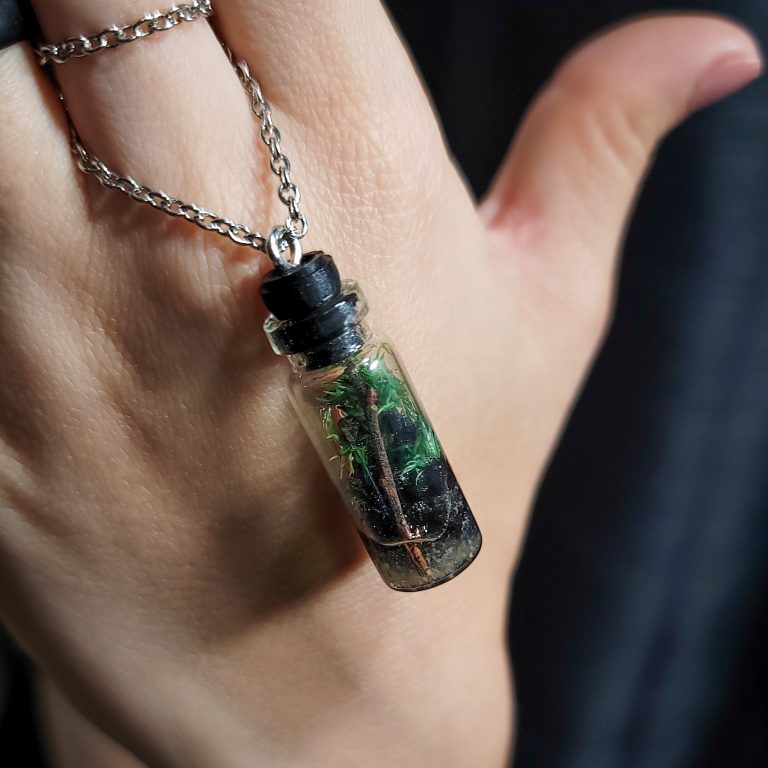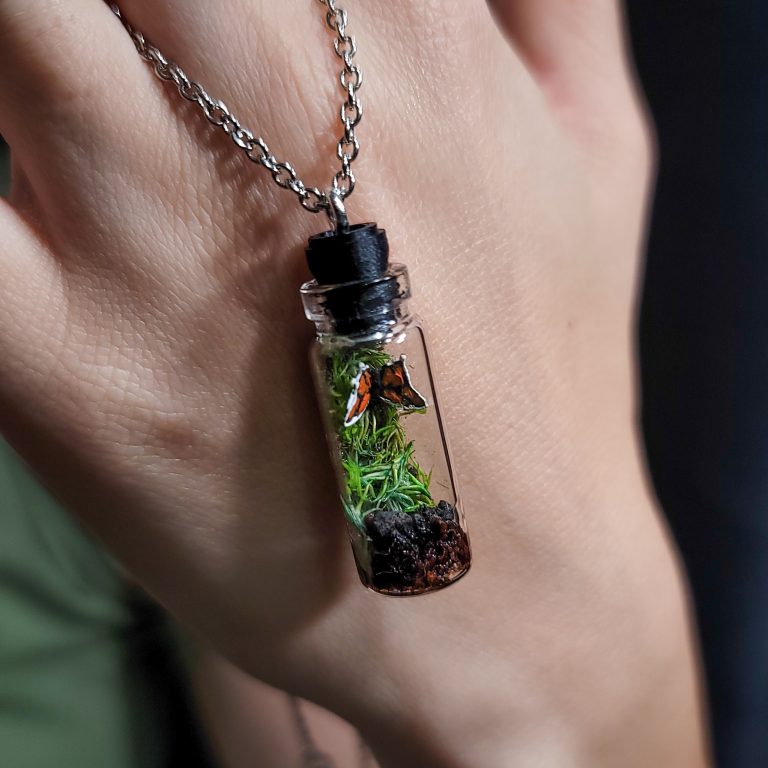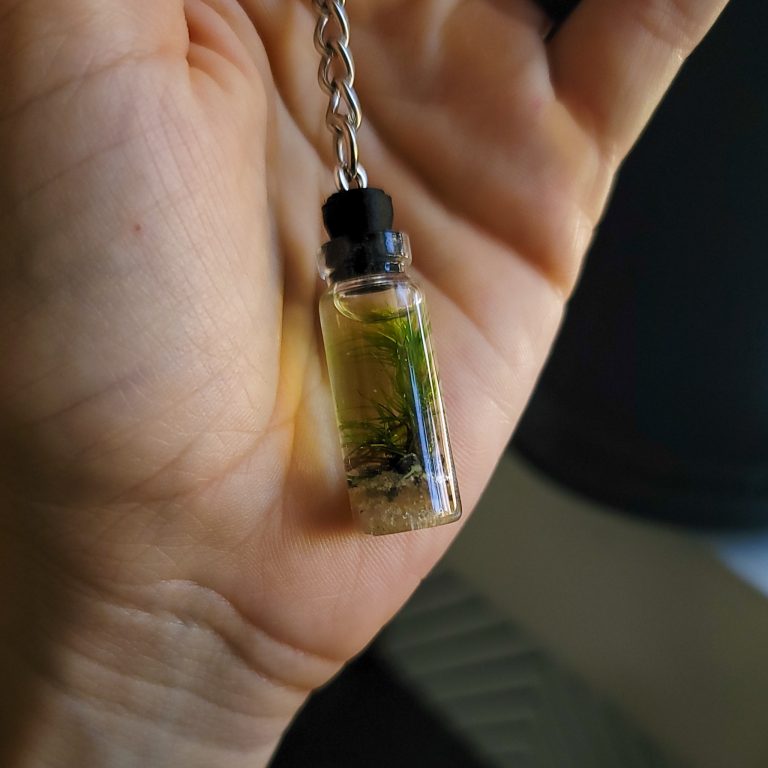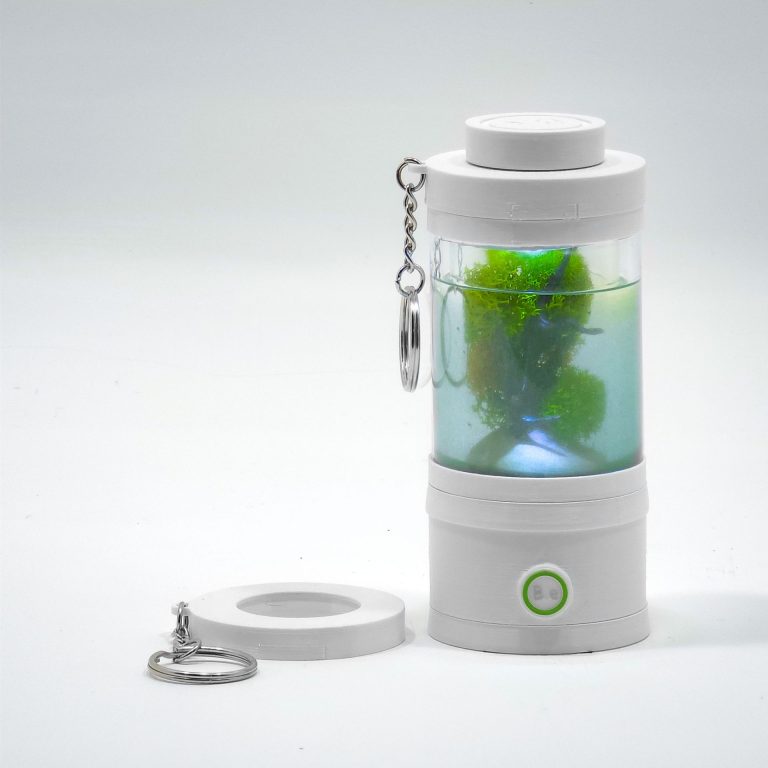
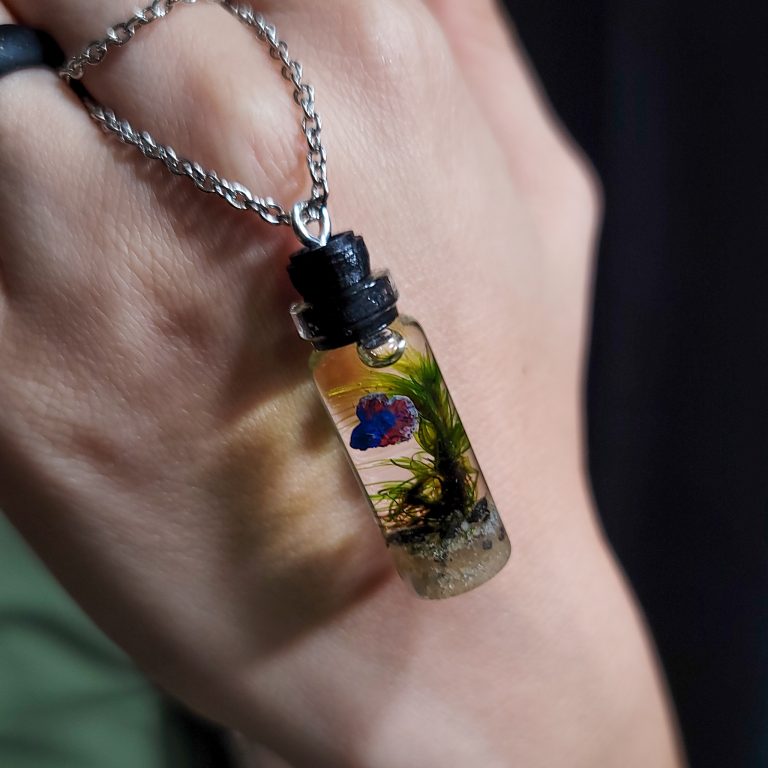
Freshwater Aquarium Necklace Charm
$24.99
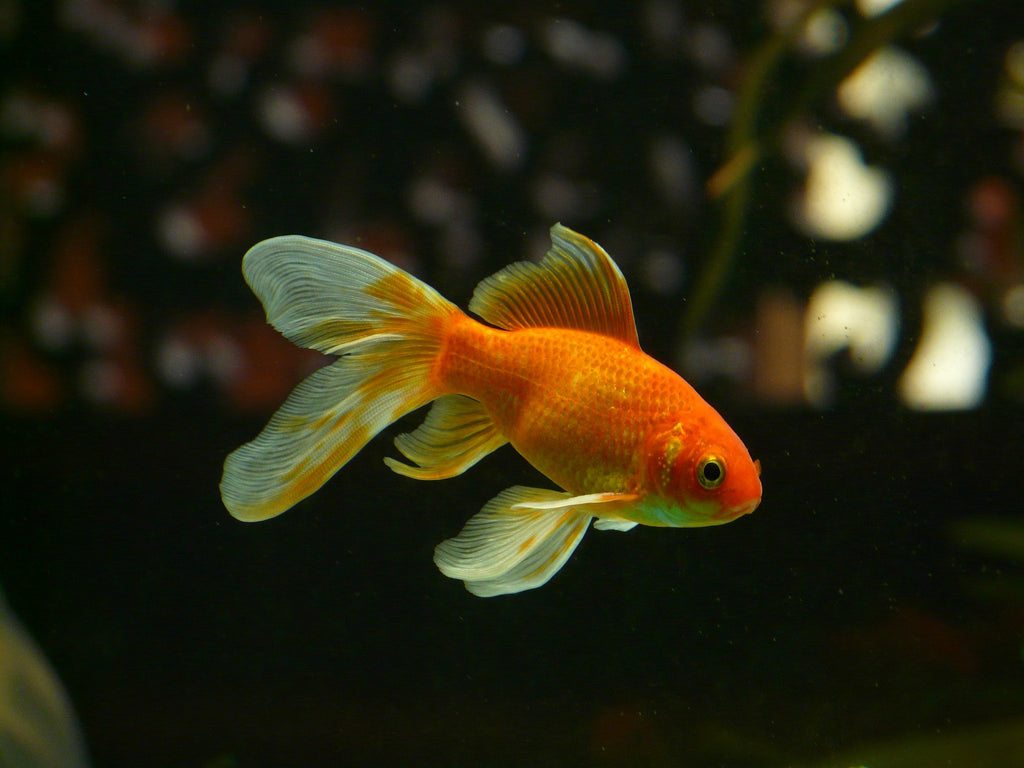
Carassius auratus
Reviewed for accuracy · Last updated Dec 20, 2025, 5:07 PM
Coldwater, social fish with moderate activity; variety-dependent temperament ranging from peaceful to semi-aggressive in overstocked conditions.
Freshwater
Peaceful
Medium
26 gal (100 L)
11 in (28 cm)
10–20 years
Omnivore
Resident
Goldfish are best kept with other coldwater, non-tropical species that match their temperature requirements. Compatible companions include other goldfish varieties and some coldwater minnows and snails that tolerate similar conditions. Avoid tropical fish that require warmer temperatures and slow-swimming or delicate species that may be outcompeted. Do not mix with aggressive cichlids or fin-nippers which can stress and injure goldfish over time.
Be cautious with small invertebrates; some goldfish may consume shrimp or snails if hungry or opportunistic feeders. Maintain swimming space and limit décor to prevent injuries and allow larger varieties free movement. When mixing varieties, consider size and temperament — keep similar-sized fish together to reduce bullying. Quarantine newcomers and acclimate carefully to the cooler temperatures of goldfish systems to prevent shock.
Balance stocking carefully — goldfish require significant water volume per individual to maintain water quality. Avoid overstocking and ensure filtration capacity matches the bioload to keep ammonia and nitrate under control. Provide consistent feeding routines and monitor for competitive feeding behavior among tank mates. Regular observation and maintenance ensure long-term compatibility and reduce disease outbreaks in the tank.
Goldfish require large, well-filtered tanks due to high waste production and oxygen needs. Maintain cooler temperatures appropriate to the variety; single-tail commons prefer cooler water than fancy breeds. Provide a spacious aquarium with strong filtration and frequent water changes to manage nitrate levels. Avoid small bowls or tanks; many goldfish grow large and need ample water volume to thrive long-term.
Use robust filtration rated well above the tank volume and perform 25–50% weekly water changes depending on stocking. Decor should be smooth and free of sharp edges to prevent damage to delicate fins and eyes in fancy varieties. Substrate can be bare-bottom or fine gravel; ensure food does not accumulate in deep gravel where it rots. Quarantine new introductions and acclimate slowly to prevent temperature or parameter shock in coldwater setups.
Provide oxygenation and avoid rapid temperature rises; goldfish tolerate a broad range but prefer cooler stable conditions. Monitor for swim bladder issues in fancy breeds and provide a diet that includes fibrous foods to reduce constipation. Balance stocking to avoid overcrowding; as a rule, larger tanks reduce stress and disease in goldfish populations. Keep decorations minimal to maximize swimming space for longer-bodied varieties and commons.
Goldfish are omnivores and require a balanced diet including pellets, flakes, and vegetable matter. Feed a staple of quality goldfish pellets or flakes designed for cooler water species to support digestion. Supplement with blanched vegetables (peas, spinach) and occasional live/frozen foods (bloodworms, daphnia) for protein. Feed 1–2 times daily in amounts consumed in a few minutes; avoid overfeeding which leads to poor water quality.
For fancy goldfish prone to swim bladder issues, offer soaked pellets and include fiber-rich vegetables in the diet. Rotate feeds and avoid prolonged feeding of low-quality products; nutrient variety supports long-term health. Juveniles may require more frequent feedings with smaller portions to support growth without water fouling. Store foods properly and use fresh frozen products to ensure maximum nutrient retention for active metabolism.
Monitor individual fish body condition and adjust feeding if fish become thin or bloated, indicating dietary issues. Treat with small fasting periods if constipation or digestive blockages are observed, then resume with high-fiber foods. Avoid feeds that swell excessively in the gut; soak pellets briefly for sensitive individuals to reduce swelling. Good nutrition, combined with large water volumes and clean conditions, supports longevity and color retention.
Goldfish spawn by scattering eggs in cool, well-oxygenated water often triggered by seasonal temperature changes. Provide spawning mops or fine-leaved plants in a separate breeding tank to collect adhesive eggs laid by females. Condition broodstock with nutritious foods and slightly cooler water then gradually raise temperatures to stimulate spawning. After spawning, remove parents to protect eggs from being eaten; eggs hatch in 4–7 days depending on temperature.
Raise fry on infusoria and powdered fry foods initially and transition to newly hatched brine shrimp and finely crushed flake. Maintain high water quality and frequent small water changes; goldfish fry are sensitive to poor conditions. Separate sizes during grow-out to reduce competition and cannibalism and ensure uniform growth across the cohort. Track lineage if maintaining varieties to avoid uncontrolled hybridization and conserve breed characteristics.
Practice patience—goldfish reach sexual maturity at different ages depending on variety and conditions. Avoid breeding closely related individuals repeatedly to reduce inbreeding and potential genetic defects. Provide ample space for growing juveniles and plan for rehoming or selling fry to prevent overcrowding. Good husbandry during the early development phase ensures healthier juveniles and long-lived adults.
Some links on this page may earn Fishmetry a commission at no extra cost to you.