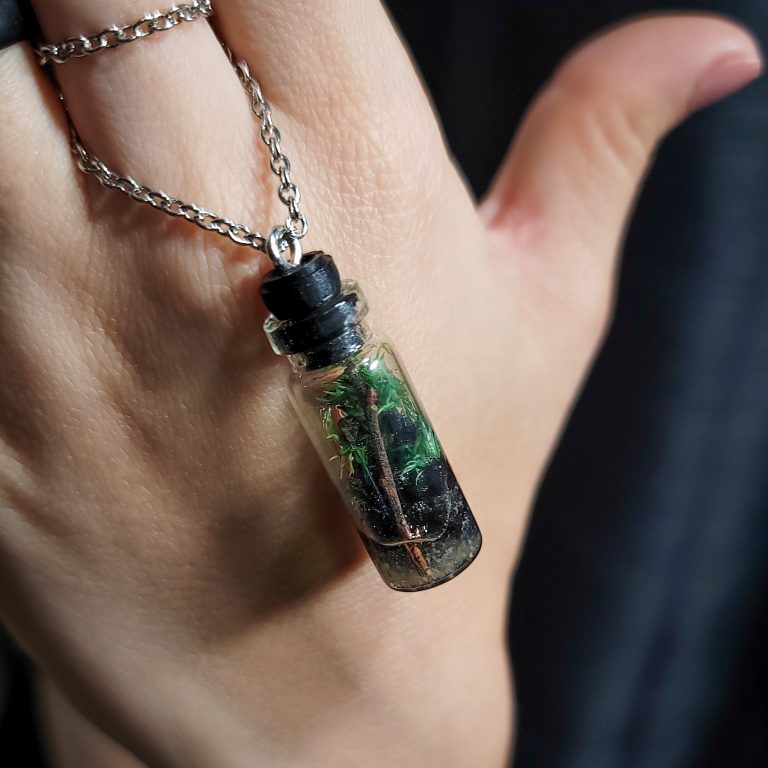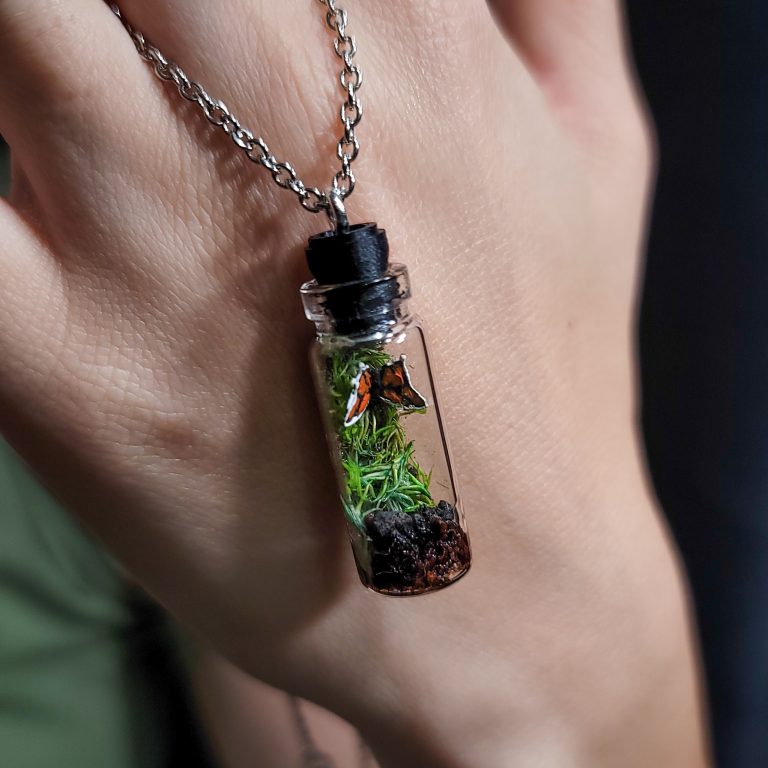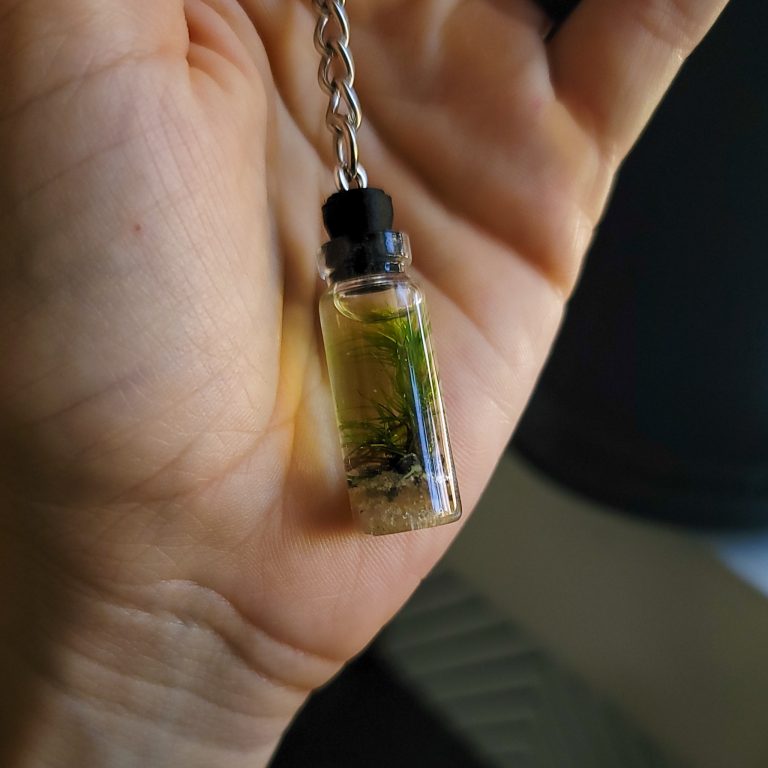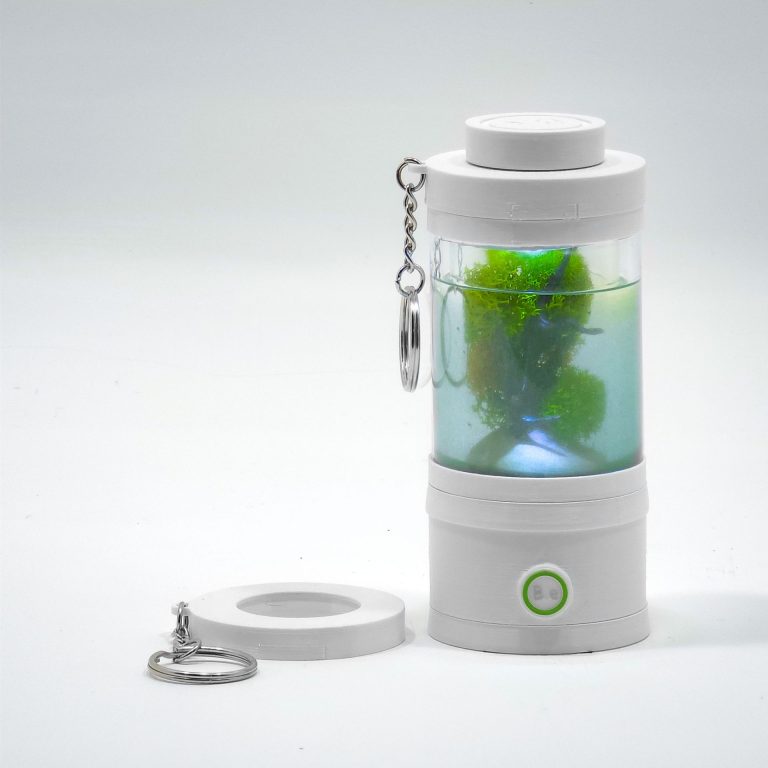
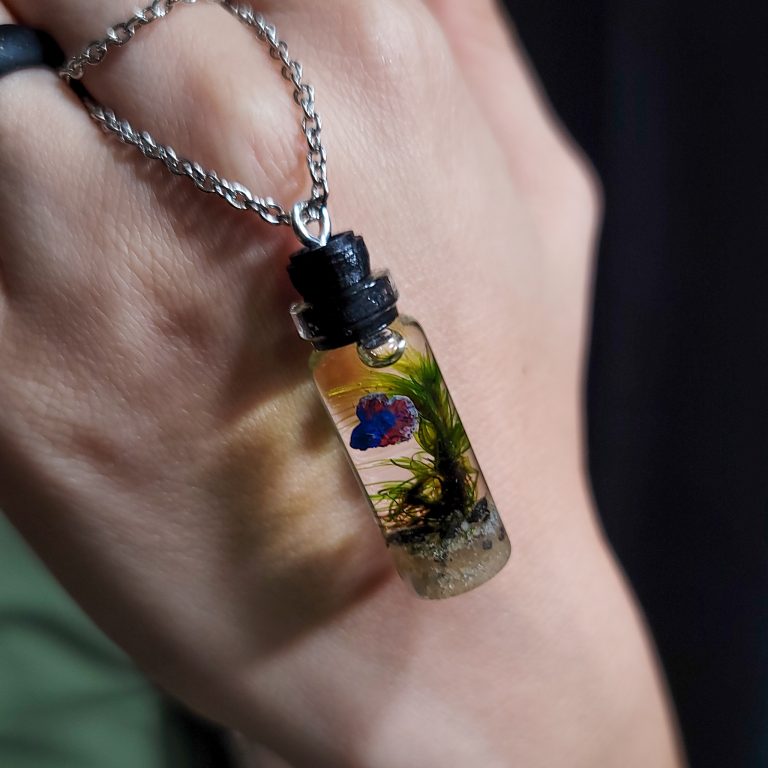
Freshwater Aquarium Necklace Charm
$24.99
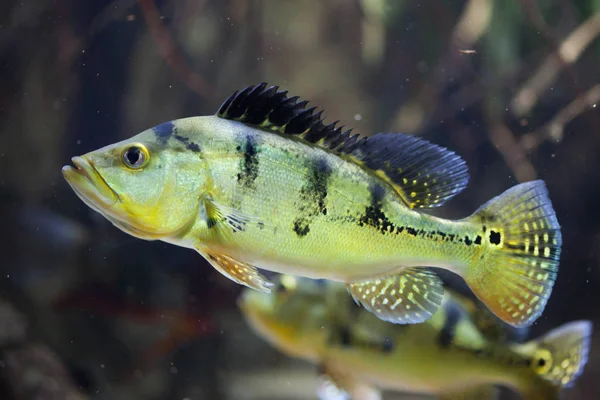
Cichla ocellaris
Reviewed for accuracy · Last updated Jan 2, 2026, 3:17 AM
Large predatory cichlid with extreme territoriality, strong hunting instincts, and aggressive dominance over tank mates.
Freshwater
Very Aggressive
Pro
396 gal (1500 L)
28 in (70 cm)
10–15 years
Piscivore
Resident
Peacock Bass are incompatible with most aquarium fish. Anything smaller is viewed as prey. Even large fish face constant stress.
In massive systems, equally large predatory species may coexist. Competition often leads to injury or death. Mixed setups are highly risky.
Single species tanks are strongly recommended. This reduces aggression and simplifies management. Observation remains essential.
Breeding individuals are especially intolerant. Separation is often required.
Peacock Bass require extremely large aquariums or ponds. They grow rapidly and need expansive swimming space. This species is unsuitable for standard home tanks.
Powerful filtration is mandatory due to heavy bioload. Strong water movement mimics natural river systems. Water stability is more important than exact values.
Decor should be minimal to allow open swimming areas. Large driftwood or rocks can be used sparingly. Plants are usually uprooted or destroyed.
Regular maintenance is demanding and frequent. Only experienced aquarists should attempt long term care.
Peacock Bass are strict piscivores by nature. They rely on live prey in the wild. Captive diets must replicate high protein intake.
Feeding live fish is discouraged due to disease risks. Use frozen fish, fillets, or large carnivore pellets. Training to prepared foods takes time.
Feed juveniles more frequently than adults. Large adults require fewer but substantial meals. Overfeeding leads to water quality collapse.
Diet directly influences growth rate and aggression. Consistent nutrition supports long term health.
Peacock Bass breeding is rare in captivity. They require vast territories and specific conditions. Pair formation is unpredictable.
Spawning occurs on cleared substrates. Parents guard eggs aggressively. Any intruder is attacked immediately.
Fry are free swimming after several days. Parental care continues for extended periods. Space is critical for survival.
Successful breeding usually occurs in ponds. Aquarium attempts are uncommon.
Some links on this page may earn Fishmetry a commission at no extra cost to you.