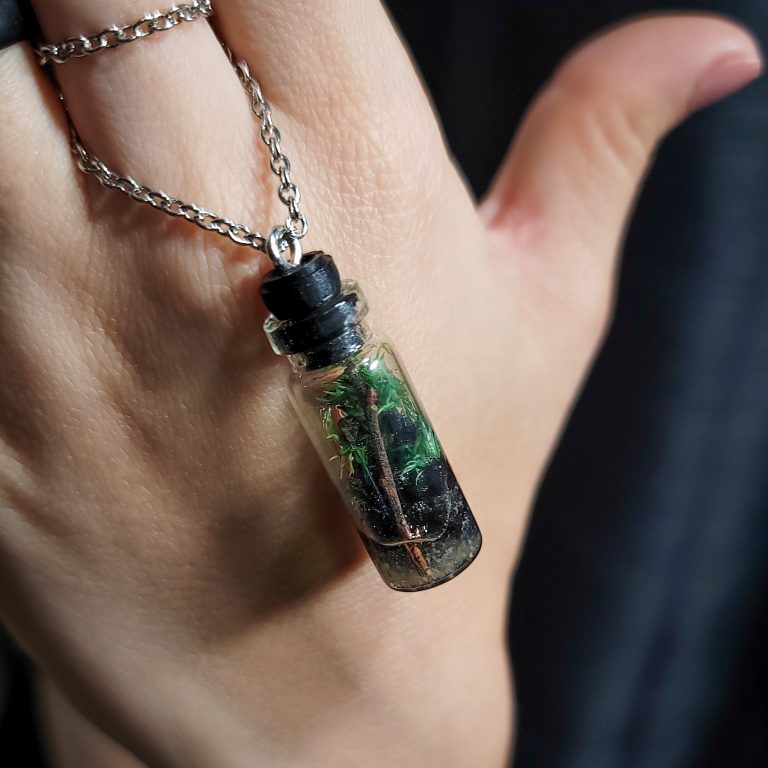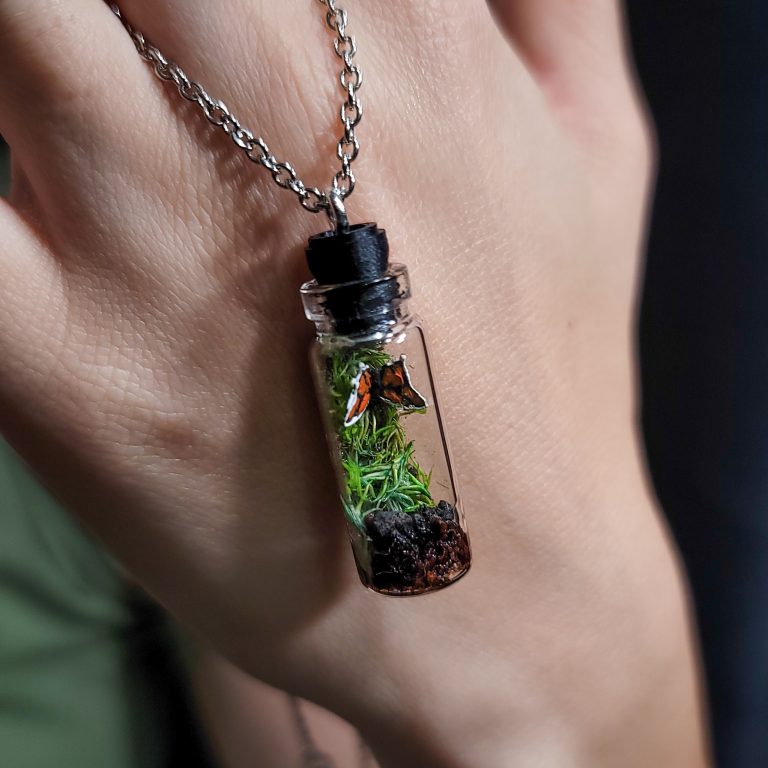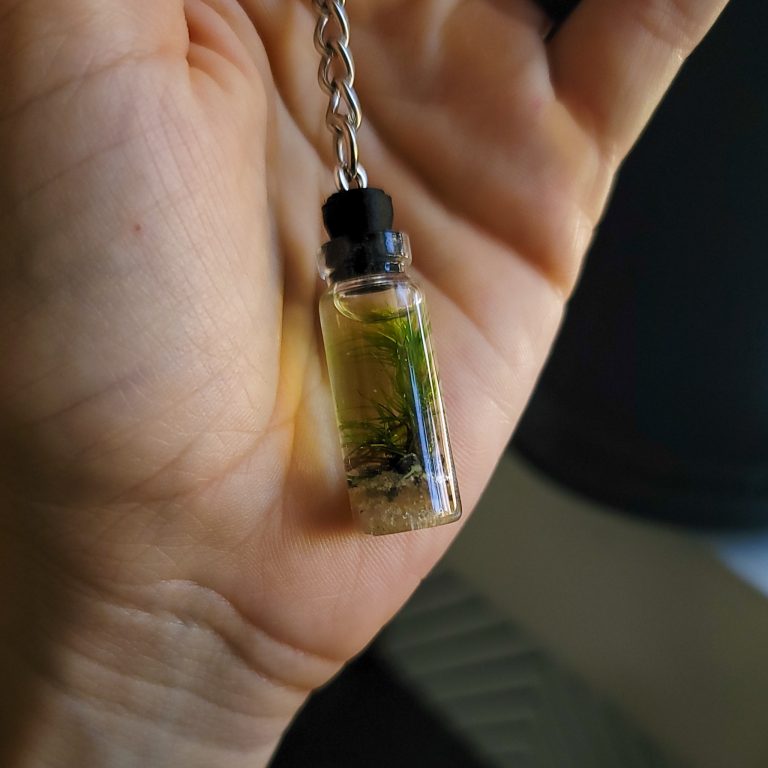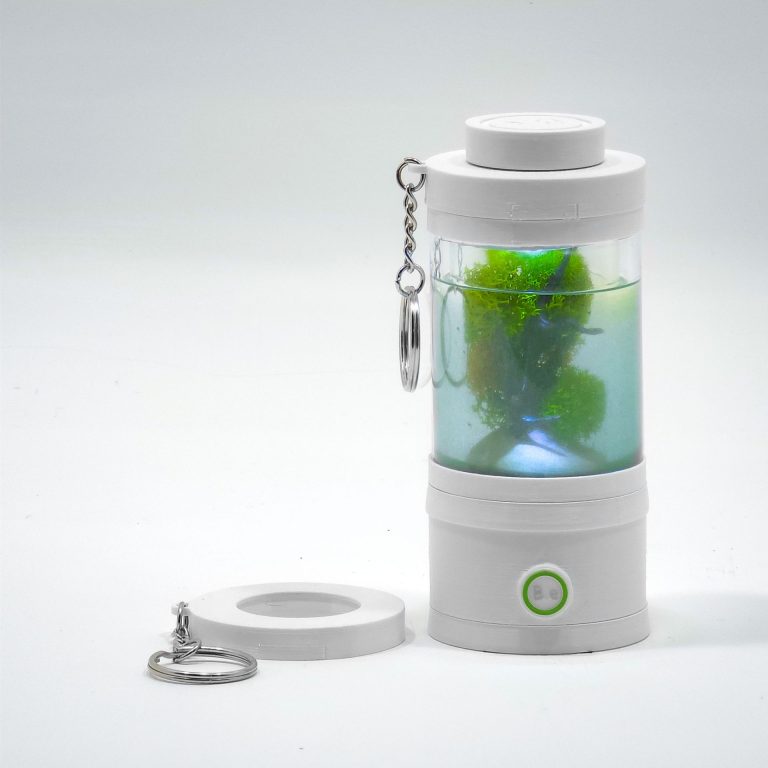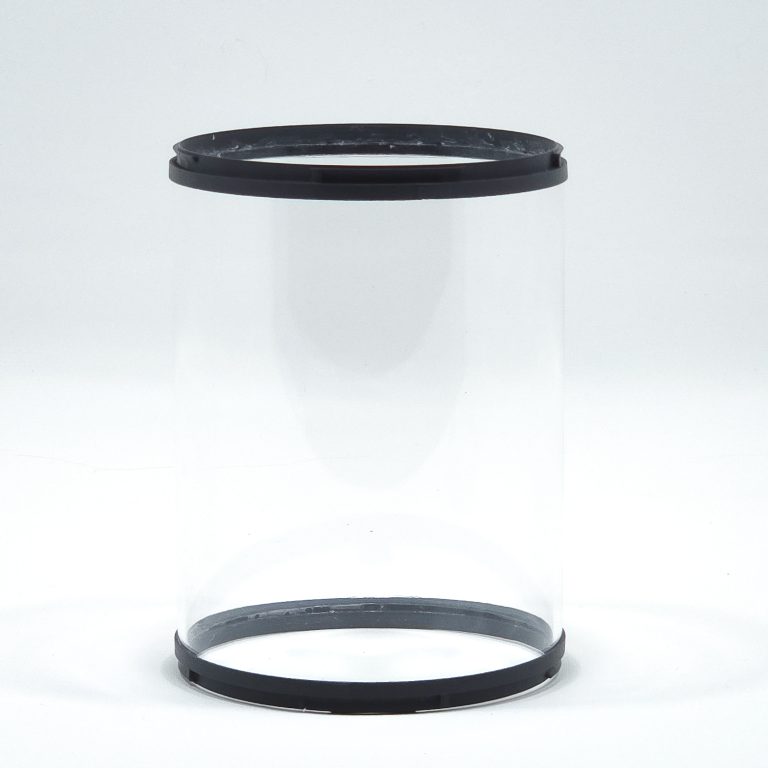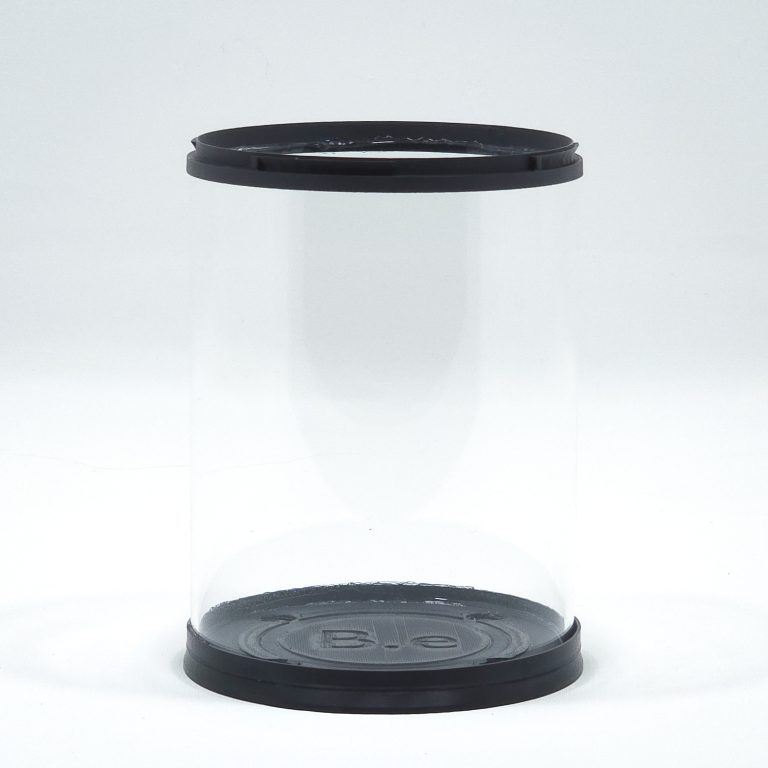
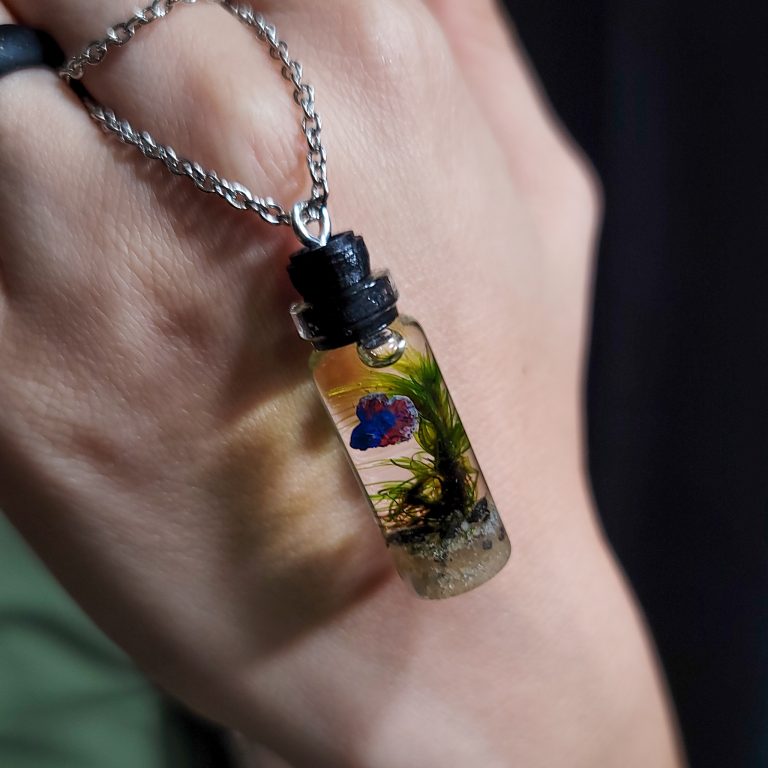
Freshwater Aquarium Necklace Charm
$24.99
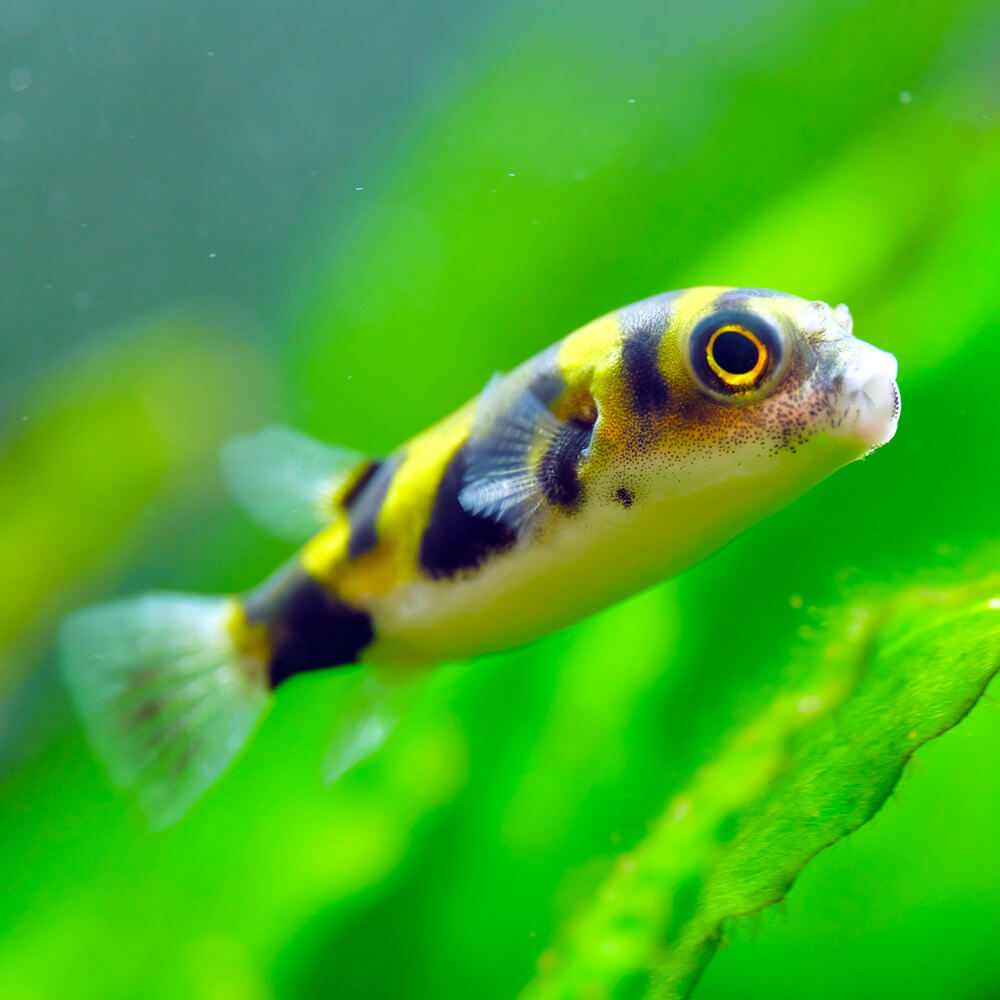
Colomesus asellus
Reviewed for accuracy · Last updated Jan 7, 2026, 12:32 AM
Intelligent and active freshwater puffer that is curious and bold, often nippy toward tank mates and highly interactive.
Freshwater
Very Aggressive
Hard
40 gal (150 L)
4 in (11 cm)
8–12 years
Carnivore
Euryhaline
Amazon puffers are not community fish. They frequently nip fins and harass tank mates. Most species are incompatible. Stress escalates aggression rapidly.
Species-only tanks are strongly recommended. Even robust fish may be targeted. Slow or long-finned fish are unsuitable. Tank mates often suffer injuries.
Large tanks reduce but do not remove risks. Observation is required at all times. Individual temperament varies. Removal plans should be ready.
They interact more with keepers than fish. Solitary housing works best. Compatibility is extremely limited. Solo setups are safest.
Amazon puffers require spacious aquariums with strong filtration. They are active swimmers that explore constantly. Stable water quality is essential for long term health. They react quickly to deteriorating conditions.
Use sand substrate to protect their sensitive bellies. Driftwood and plants create visual complexity. Open swimming areas must still be provided. Secure lids are recommended.
They tolerate slight salinity but thrive in freshwater. Avoid rapid parameter changes. Regular water changes are mandatory. Clean water reduces aggression.
They are intelligent and easily bored. Environmental enrichment is important. Rearranging décor provides stimulation. Proper setup is critical for success.
Amazon puffers are strict carnivores. They require hard foods to wear down teeth. Snails are a dietary necessity. Shrimp and mollusks are ideal staples.
Feed frozen and fresh meaty foods regularly. Avoid flakes and dry pellets. Overfeeding leads to obesity. Uneaten food must be removed promptly.
Teeth overgrowth is a serious concern. Monitor jaw length frequently. Diet variety helps prevent problems. Quality foods support behavior.
Juveniles eat more often than adults. Adults feed every one to two days. Nutrition directly affects health. Consistency is essential.
Breeding Amazon puffers in captivity is extremely rare. Reproductive behavior is poorly documented. Pairs are difficult to maintain peacefully. Aggression complicates spawning attempts.
Egg laying sites are unknown. Parental care has not been observed. Most specimens are wild caught. Captive breeding is uncommon.
Seasonal cues may play a role. Large, specialized systems are likely required. Success rates are undocumented. Research remains limited.
Focus is usually on long term care. Healthy adults show natural behaviors. Stress prevents reproduction. Breeding remains experimental.
Some links on this page may earn Fishmetry a commission at no extra cost to you.