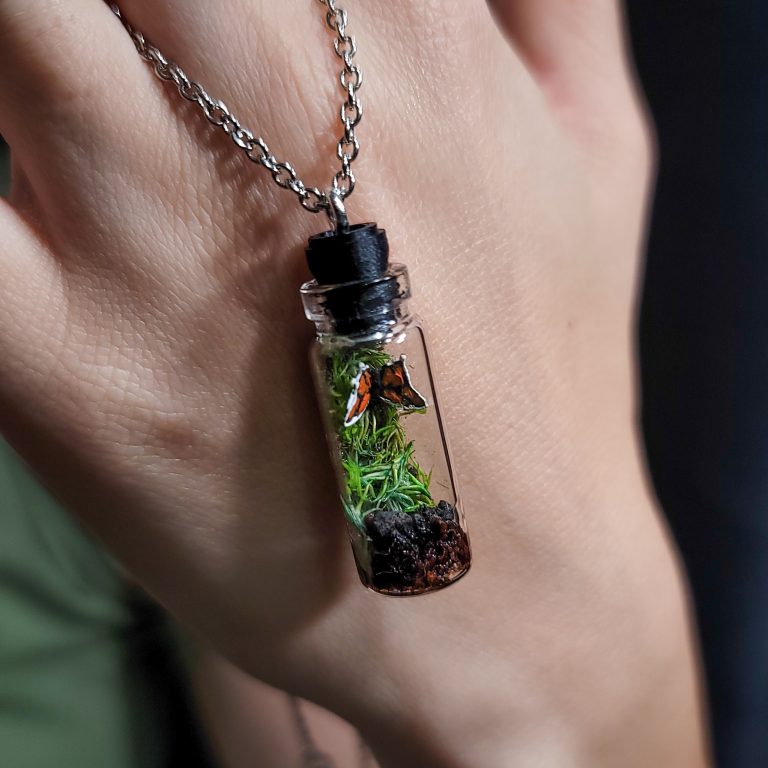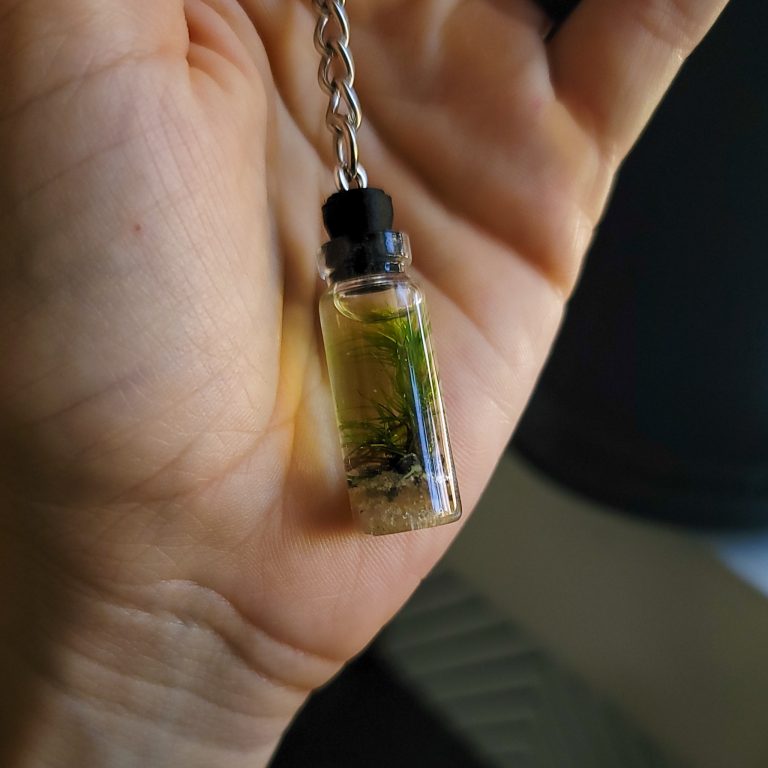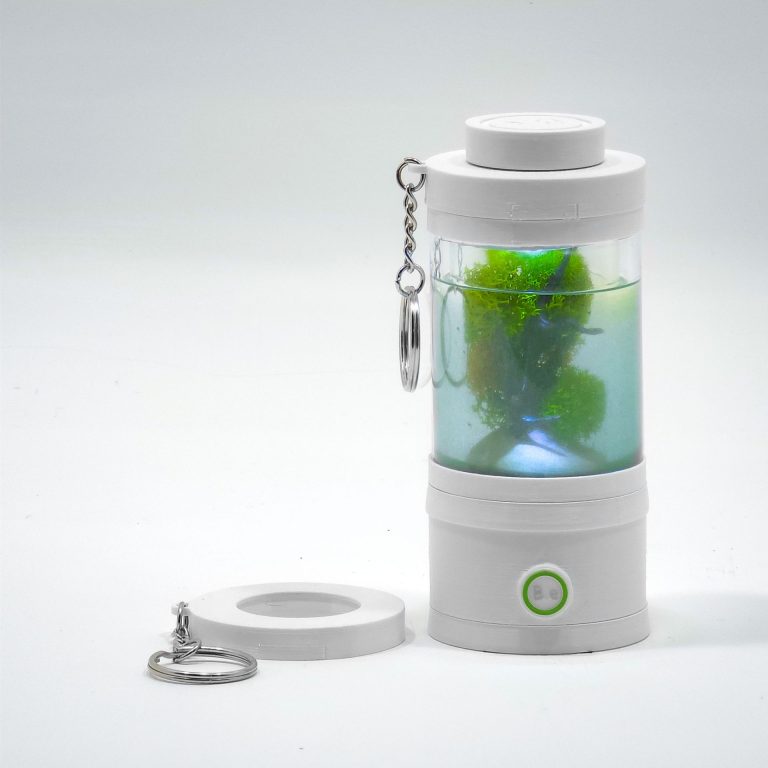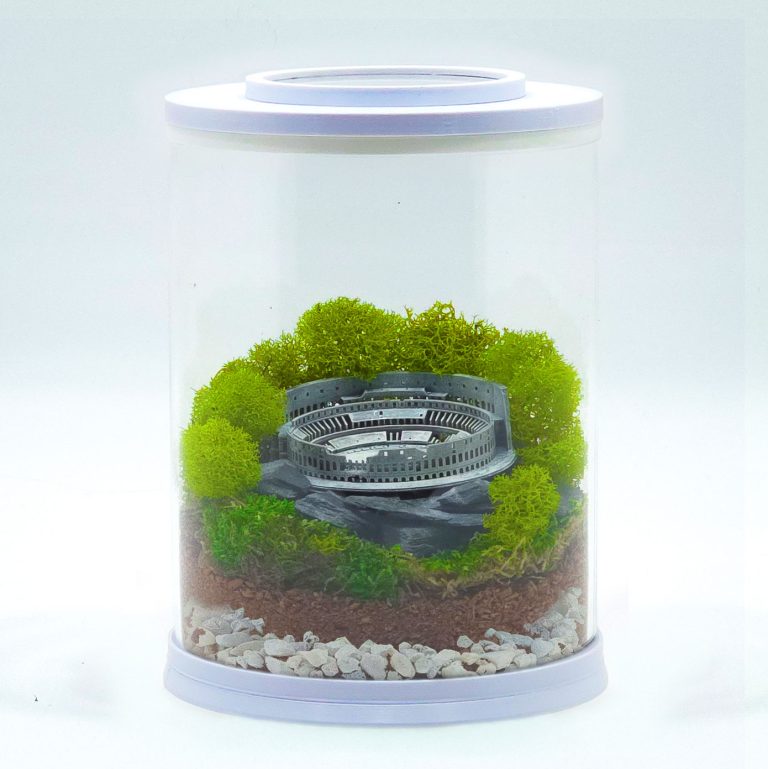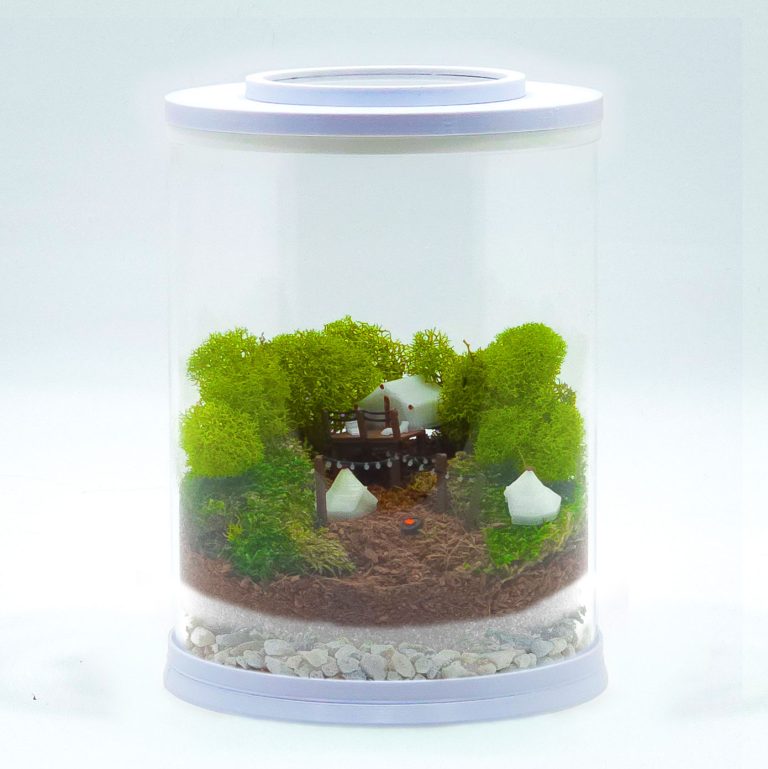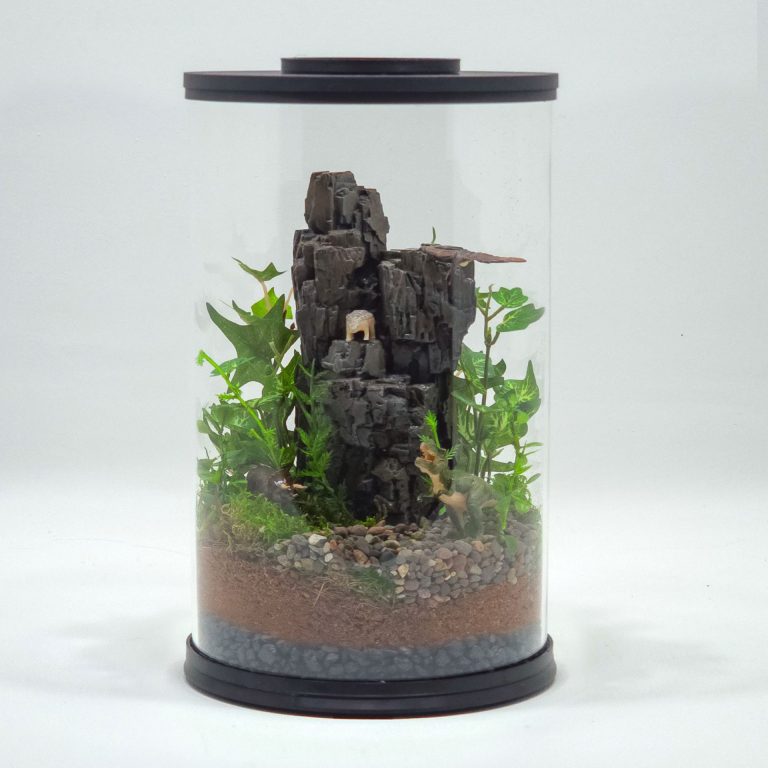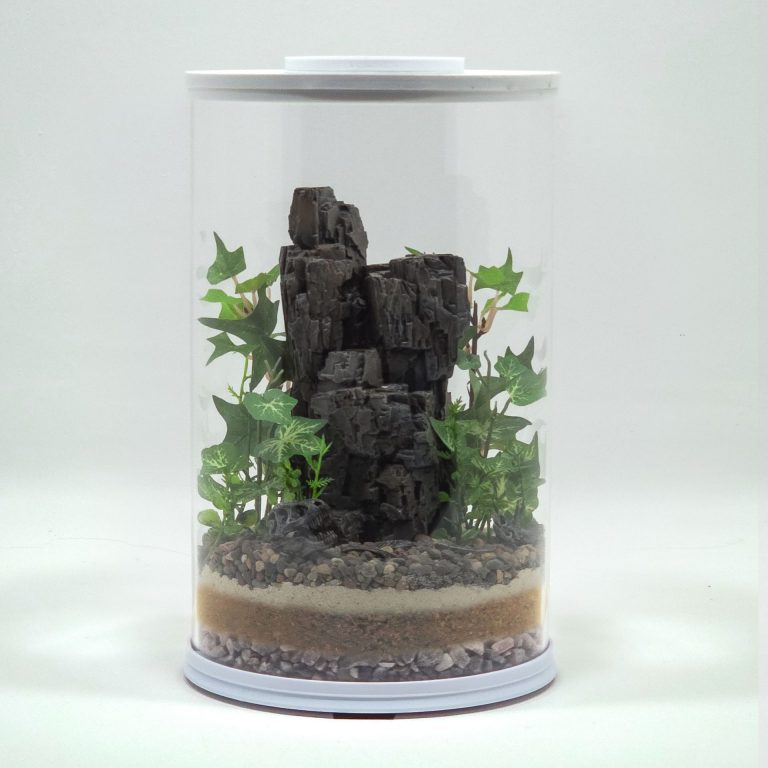
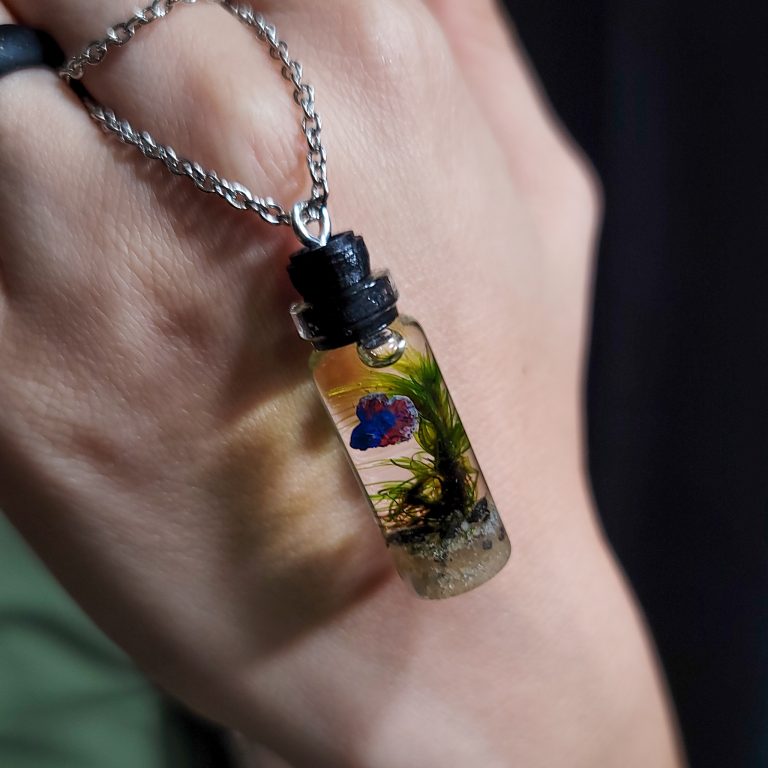
Freshwater Aquarium Necklace Charm
$24.99

Crossocheilus oblongus
Reviewed for accuracy · Last updated Dec 20, 2025, 5:12 PM
Active algae-grazing fish; generally peaceful but can be territorial with conspecifics when space is limited.
Freshwater
Peaceful
Easy
21 gal (80 L)
6 in (16 cm)
6–10 years
Algae Eater
Resident
Siamese algae eaters are compatible with many community species that tolerate moderate flow. Good tank mates include barbs, danios, peaceful cichlids, and larger tetras that tolerate similar water. Avoid very small fish that could be intimidated by an active grazer or nippy species that harass fins. Provide plenty of visual barriers and grazing surfaces to reduce territorial competition.
Keep an eye on group dynamics if housing multiple Siamese algae eaters; provide space to minimize conflict. Quarantine newcomers to protect established algae eaters from disease and acclimation shock. Match water parameter needs among tankmates to maintain long-term compatibility and health. Distribute food across the tank to ensure bottom and midwater species receive adequate nutrition.
Avoid housing with species that aggressively crop all algae and leave none for grazers to feed on. Introduce plants and décor slowly to let algae establish in a controlled manner for grazing benefits. Observe interactions especially during feeding times to ensure peaceful coexistence is maintained. Stable environment and balanced community choices ensure harmonious long-term tanks.
Siamese algae eaters thrive in well-established aquaria with ample surfaces for algae growth. Provide long tanks with varied hardscape and plants for grazing and territorial establishment. Moderate to strong water movement suits their active foraging style and helps oxygenation. Keep them singly or in small groups with careful observation to limit territorial disputes.
Temperatures of 24–28°C and neutral pH favour healthy metabolic activity and grazing efficiency. Use driftwood and smooth rocks to increase algal surface area and create micro-territories. Quarantine new fish and acclimate slowly to prevent introductions of parasites or disease. Stable water chemistry and consistent feeding reduce stress and encourage algae-scraping behaviour.
While excellent algae grazers, Siamese algae eaters require supplemental feeding. Provide algae wafers, blanched vegetables, and sinking pellets to ensure balanced nutrition. Offer occasional protein-rich frozen foods like bloodworms or brine shrimp for conditioning. Ensure varied diet to prevent over-reliance on tank algae which can be seasonal or limited.
Feed enough supplemental food in the evening when they are most active to support health. Rotate vegetable and protein offerings to cover all nutritional needs and encourage foraging. Young fish benefit from more frequent feedings of small particles until they grow larger. Avoid sudden diet changes; introduce new foods gradually to prevent digestive upset.
Monitor grazing behaviour to ensure they are cleaning algae and also accepting supplements. Remove uneaten food to maintain water quality and prevent algal blooms from excess nutrients. Balanced feeding supports long life and reduces the risk of aggression from starvation stress.
Breeding Crossocheilus oblongus in home aquaria is uncommon and not routinely achieved by hobbyists. They may spawn in large well-maintained tanks with seasonal cues and plentiful territories. If spawning occurs, eggs are often scattered and may be guarded briefly depending on tank dynamics. Raising fry requires careful feeding with very small live or powdered foods to support early growth.
Maintain very clean water with gentle filtration and steady temperatures during any breeding attempts. Document any natural spawning triggers such as temperature or photoperiod changes to replicate them. Be prepared for low hatch rates and the need for specialized larval care in a dedicated rearing tank. Consult experienced breeders or community sources for advanced tips on rearing juvenile grazers.
Provide abundant micro-food and maintain pristine conditions to maximize fry survival chances. Successful captive breeding is rare and often requires controlled environmental mimicry of wild cues. Patience and meticulous husbandry are essential when attempting to breed these algae eaters. Record-keeping of spawning conditions helps refine techniques for potential future success.
Some links on this page may earn Fishmetry a commission at no extra cost to you.