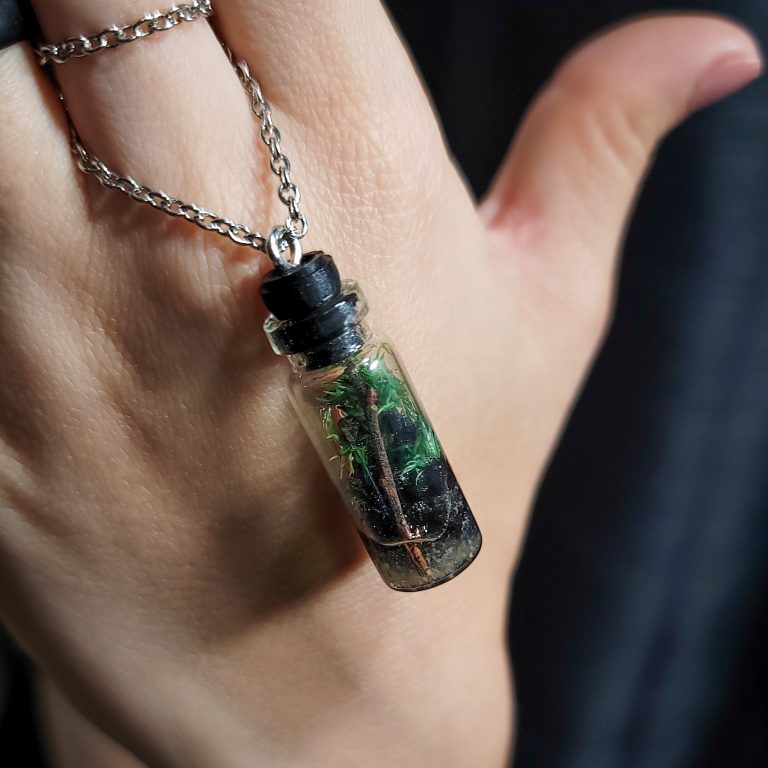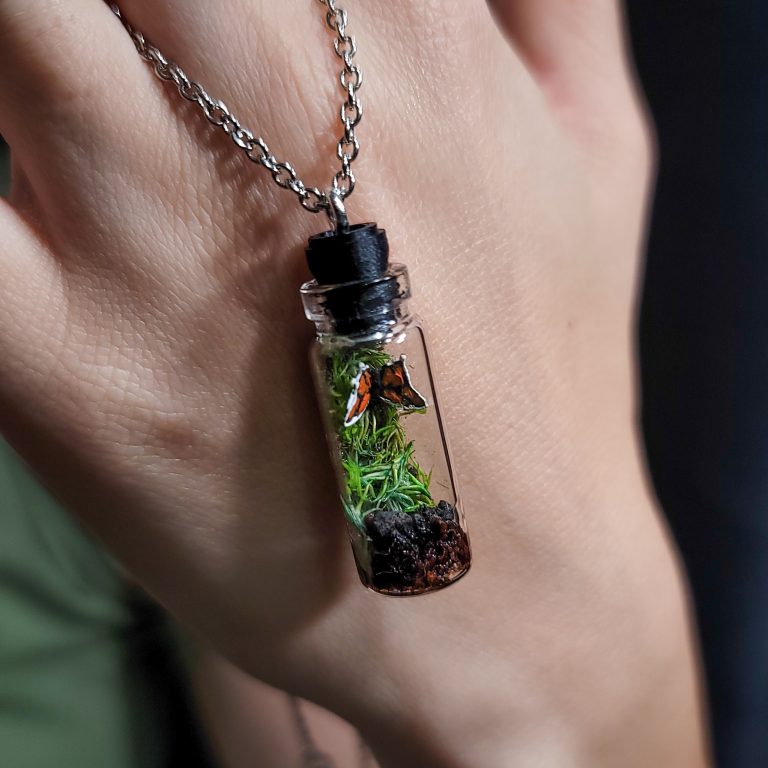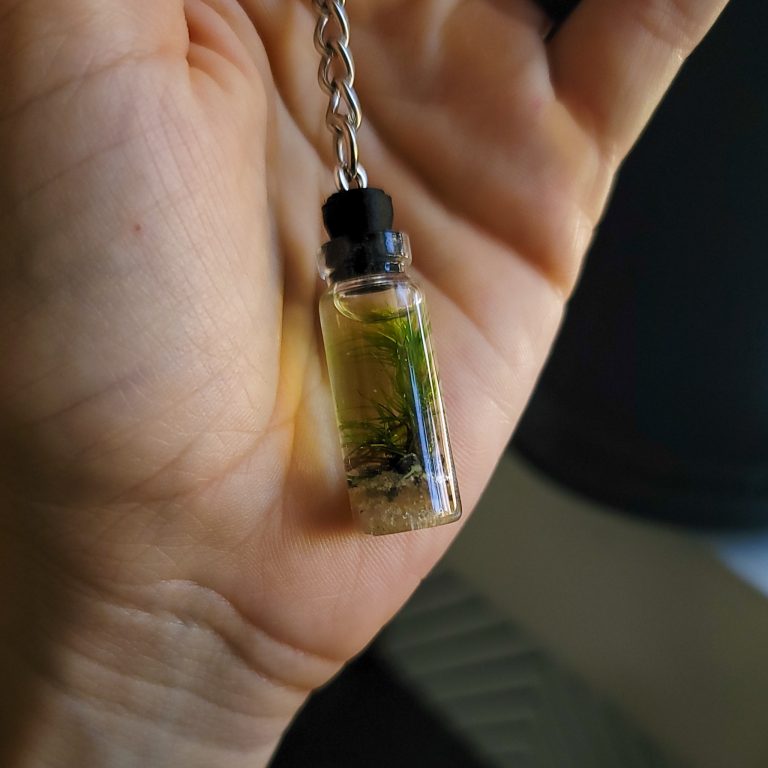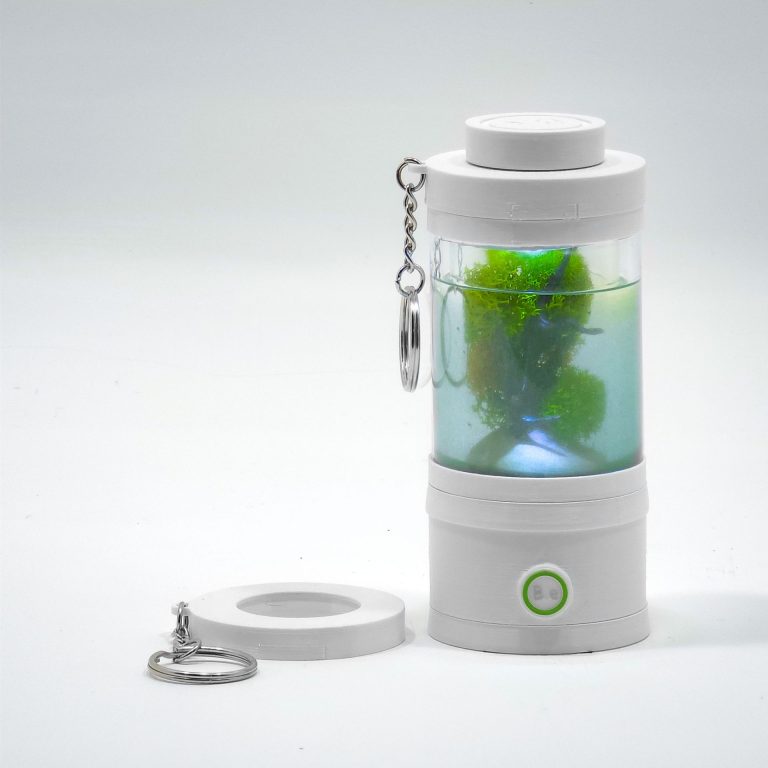
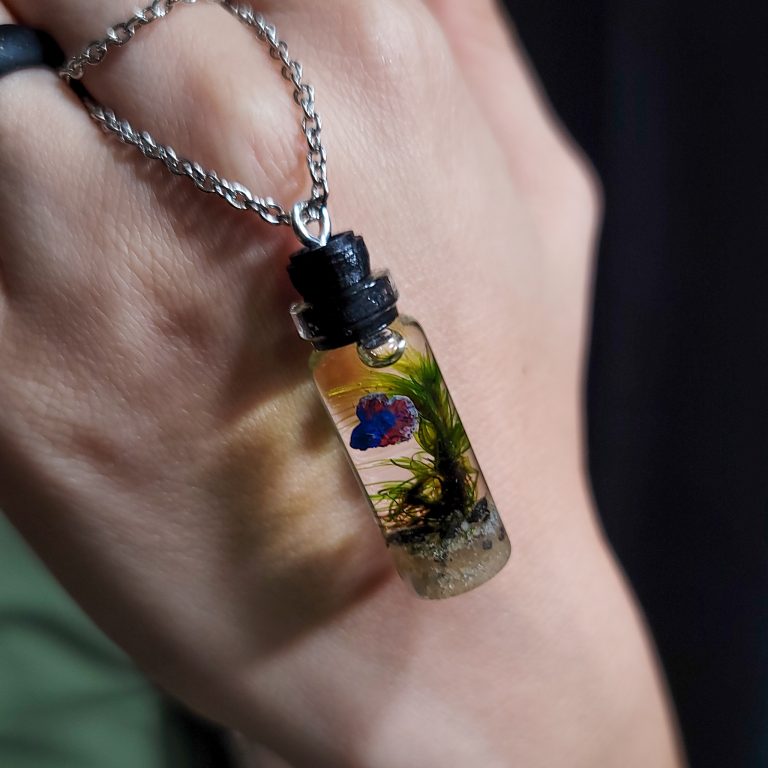
Freshwater Aquarium Necklace Charm
$24.99

Ctenopoma acutirostre
Reviewed for accuracy · Last updated Dec 20, 2025, 5:12 PM
Ambush predator from Africa; solitary or small-group keeper that may eat very small tankmates if kept together.
Freshwater
Moderate
Medium
21 gal (80 L)
6 in (14 cm)
6–10 years
Carnivore
Resident
Leopard bushfish should be kept with larger, non-aggressive tankmates that are not small enough to eat. Suitable companions include robust mid-to-large peaceful cichlids and larger catfish species. Avoid tiny schooling fish, shrimps, and very timid species that become prey or stressed. Provide plenty of vertical cover and territories to reduce direct competition and territoriality.
Quarantine all new additions to avoid disease transmission to these somewhat delicate predators. Match water chemistry across the community to avoid chronic stress and aggression. Monitor feeding times and adjust if bushfish display excessive hunting of tankmates. Long-term compatibility depends on careful selection of non-prey species and sufficient space.
Leopard bushfish prefer heavily planted tanks with subdued lighting and shaded ambush sites. Provide driftwood, rock caves, and floating plants to create hunting perches and retreat zones. Maintain stable warm temperatures and moderate filtration to simulate slow-moving waters. They appreciate a mature tank with ample microfauna and hiding spots to feel secure.
Keep stocking light and avoid very small fish that may become prey to this carnivore. Quarantine new fish and acclimate slowly to prevent stress-related disease in sensitive individuals. Use gentle water flow and steady oxygenation to support a healthy predatory fish in captivity. Consistent husbandry and a calm environment promote natural feeding and reduce stress.
Leopard bushfish are carnivores that feed on live or frozen meaty foods primarily. Offer a diet of live fish (appropriately sized), frozen prawns, bloodworms, and krill. Introduce high-quality frozen preparations gradually if live food sourcing is limited. Feed in the evening when they are most active and use feeding tongs to target food into ambush zones.
Avoid overreliance on feeder fish; mix with nutritionally-rich frozen options for balance. Juveniles require smaller live or frozen prey until they can handle larger items reliably. Remove uneaten meaty foods promptly to prevent water fouling in otherwise peaceful tanks. Rotate prey types to ensure a broad intake of proteins, fatty acids, and micronutrients.
Breeding leopard bushfish in home aquaria is not commonly reported and is considered advanced. Successful spawning may require mature pairs, abundant hiding spots, and specific environmental cues. Eggs are often attached to surfaces or guarded; parental behavior varies among individuals. Raising fry typically demands live micro-foods and a separate rearing tank with pristine water.
Document any observed spawning behavior and replicate the precise conditions to improve success. Consult experienced breeders for species-specific incubation and larval feeding protocols. Prepare to provide dedicated rearing space and micro-food cultures to support delicate fry. Patience, meticulous water management, and appropriate prey items are critical for rearing.
Some links on this page may earn Fishmetry a commission at no extra cost to you.