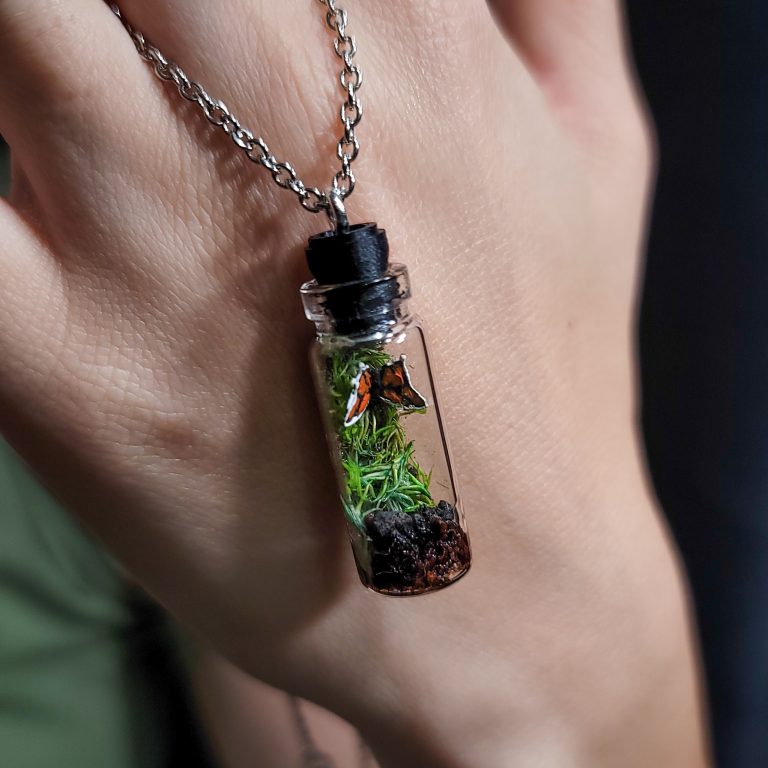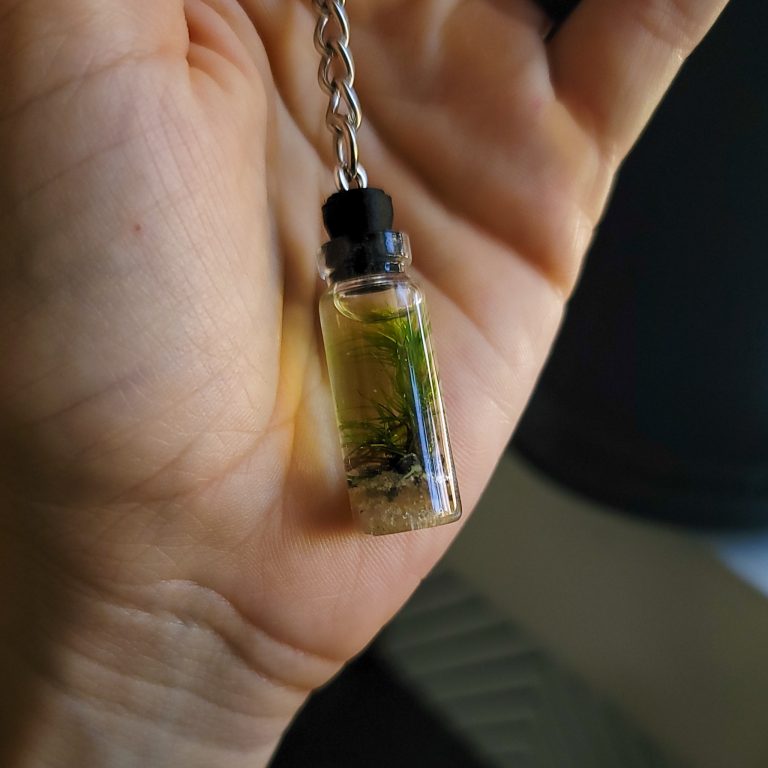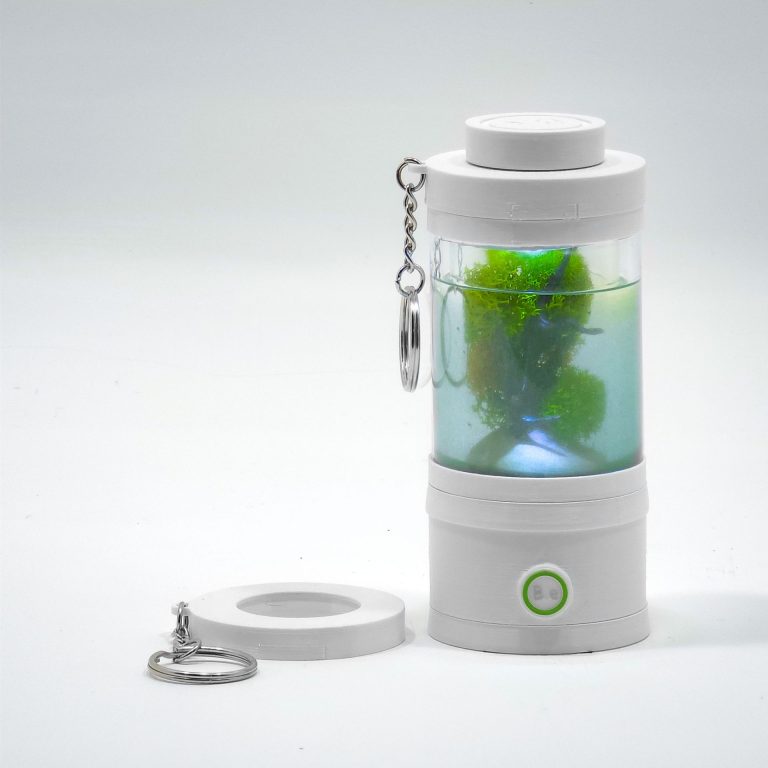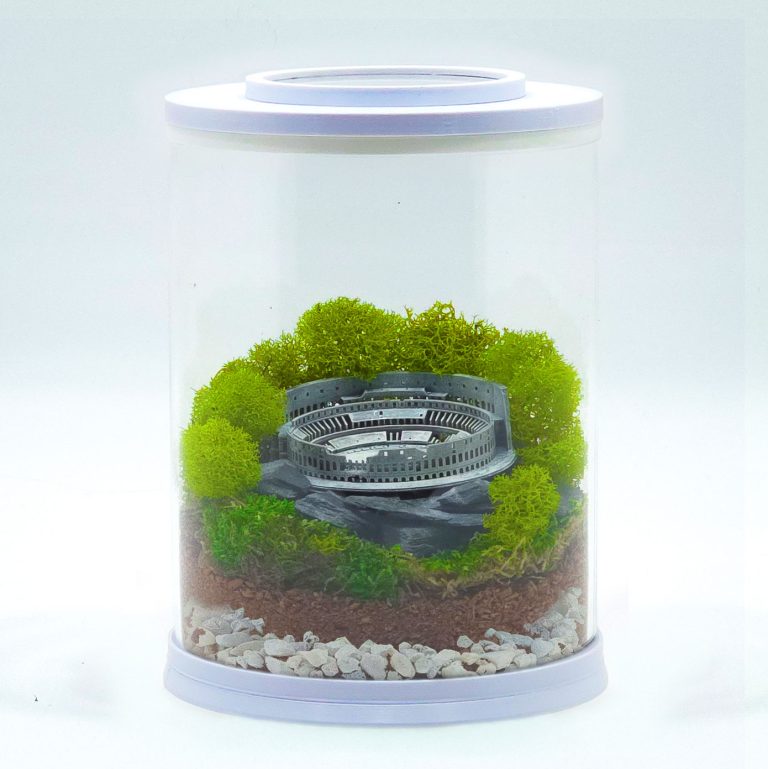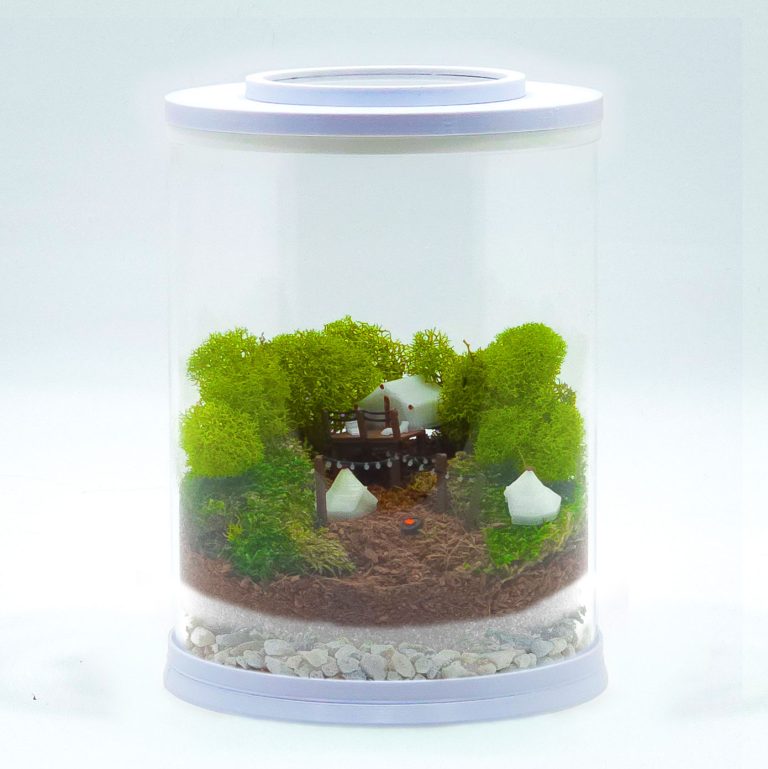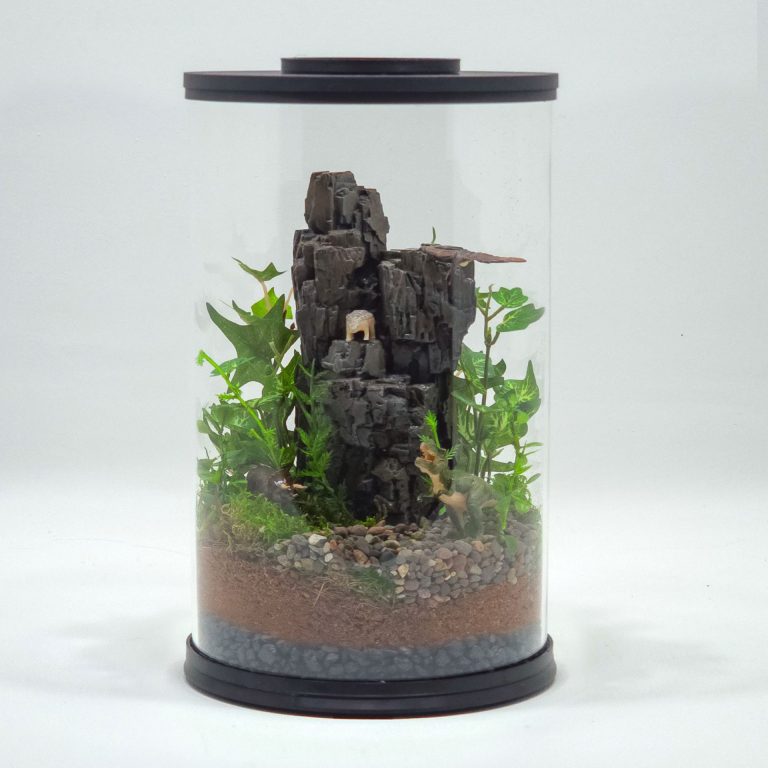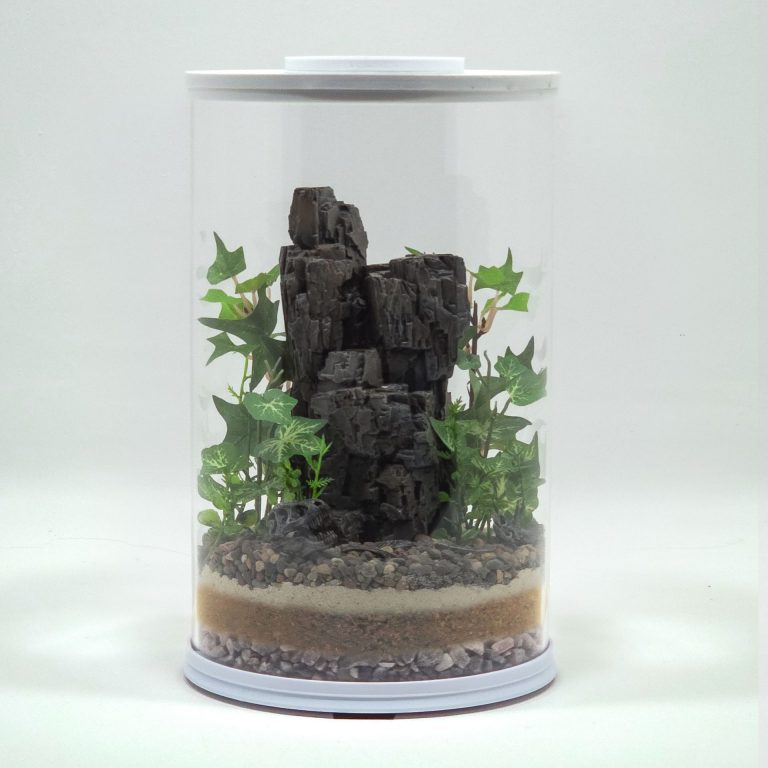
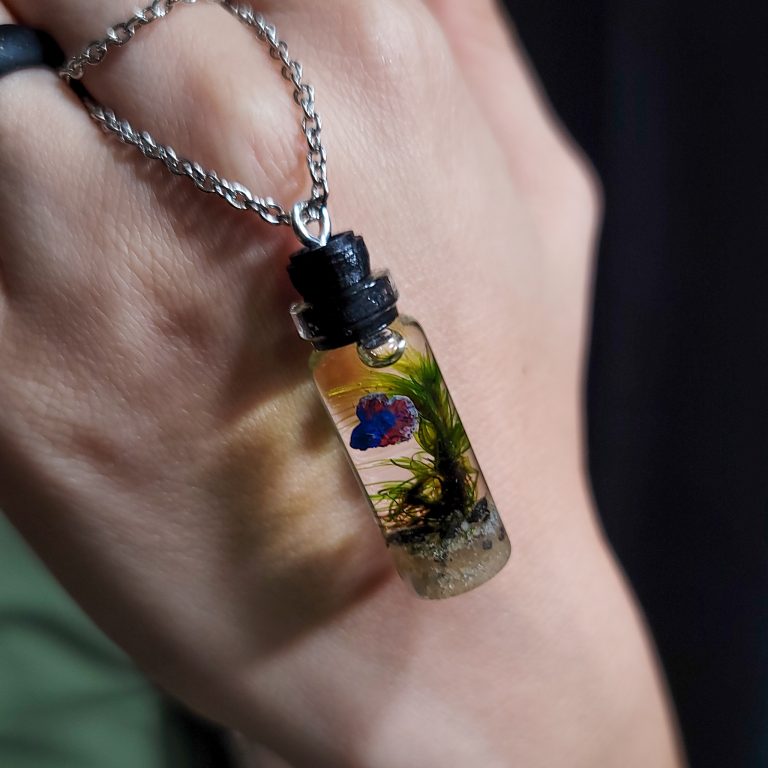
Freshwater Aquarium Necklace Charm
$24.99
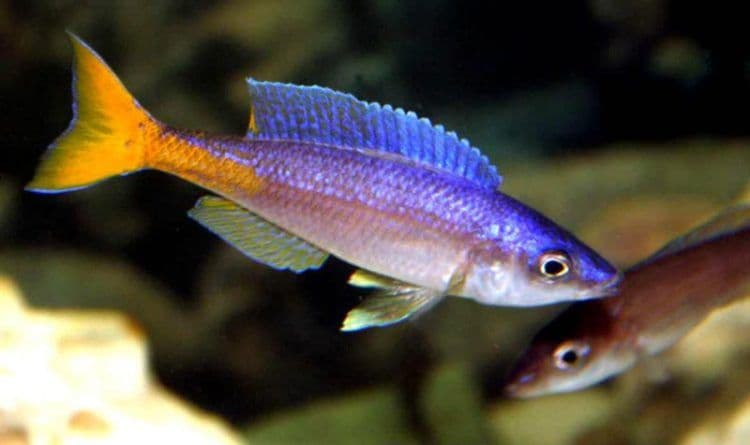
Cyprichromis leptosoma
Reviewed for accuracy · Last updated Dec 20, 2025, 5:13 PM
Pelagic Lake Tanganyika cichlid; peaceful schooling species that occupies the midwater 'sardine' niche.
Freshwater
Peaceful
Medium
53 gal (200 L)
4 in (10 cm)
8–12 years
Omnivore
Resident
Best kept with other Lake Tanganyika species or non-aggressive tankmates that tolerate high pH. Suitable companions include other Cyprichromis species, some Eretmodus, and compatible Tanganyikan catfish. Avoid mixing with Central or South American cichlids that prefer different water chemistry. Provide plenty of open midwater space and rock boundaries to reduce territorial disputes.
Keep large shoals to reduce stress and avoid solitary individuals which become highly nervous. Quarantine new additions and acclimate them to the tank's alkaline hard water slowly. Observe compatibility during feeding to ensure calmer individuals receive adequate portions. Balance community structure to protect juveniles and reduce predation from territorial species.
Use robust filtration and regular maintenance to preserve the stable chemistry Tanganyikan fish require. Avoid aggressive hybrid cichlids and plan stocking to prioritize shoaling midwater species. Stable, spacious communities produce the most natural behaviour and best long-term health.
Cyprichromis leptosoma requires a large open tank with rockwork along the sides and open midwater space. Maintain hard, alkaline water typical of Lake Tanganyika with stable high pH and hardness levels. Provide schools of 10+ individuals to mimic natural shoaling and reduce stress from predators. Strong biological filtration and frequent maintenance are essential to manage bioload in larger setups.
Keep water temperatures between 24–28°C and ensure very good oxygenation for active midwater swimmers. Use tall aquaria to permit vertical schooling and provide swimming lanes with minimal obstructions. Quarantine new fish and acclimate them slowly to the high-pH environment of Tanganyikan setups. Provide subdued lighting and large open water columns where shoals can form and display natural behavior.
Arrange rockwork to form lateral colonies and avoid collapsing structures that stress schooling fish. Avoid mixing with aggressive, highly territorial cichlids that disrupt midwater shoaling. Stable water chemistry and robust filtration support long-lived, healthy schools of these cichlids. Document stocking ratios and successful community mixes to replicate stable Tanganyikan biotopes.
Sardine cichlids are omnivores that feed on zooplankton and small invertebrates in the wild. Provide a diet of high-quality cichlid flakes, pellets, and frequent frozen protein supplements. Offer mysis shrimp, brine shrimp and finely chopped marine-type foods to approximate planktonic diets. Feed multiple small portions daily to simulate natural grazing and maintain active metabolism.
Rotate food types to provide a wide range of vitamins, trace elements, and protein sources. Include vegetable-based flake occasionally to ensure a balanced nutrient intake for long-term health. Young fish prefer smaller particles and may require powdered food during early growth stages. Avoid overfeeding and remove uneaten food to prevent water quality degradation in large tanks.
Use feeding stations distributed through the tank to ensure all shoal members receive nutrition. Condition breeders with richer protein feeds prior to spawning to improve egg and fry quality. Monitor body condition and adjust feed frequency to match activity levels in adult shoals. Balanced nutrition combined with pristine conditions supports coloration and breeding readiness.
Cyprichromis leptosoma are maternal mouthbrooders; females carry eggs and fry in their mouths. Condition breeding groups with high-quality protein and provide plentiful midwater space for courtship. Spawning often occurs in open water above rocky slopes with males forming temporary leks. The female collects eggs and incubates them orally for several weeks until fry are ready to be released.
Raise released fry in a separate grow-out tank for better survival, feeding small live and powdered foods. Maintain pristine water and frequent small changes to support the sensitive early life stages. Record parentage and successful methods to refine captive breeding strategies for this species. Mouthbrooding behaviour requires patience and careful handling to avoid stressing brooding females.
Avoid mixing brooding females with aggressive tankmates and provide safe zones until fry are independent. Successful Tanganyikan breeding is advanced but rewarding when water chemistry and diet are optimized. Document hatching and rearing parameters to reproduce successful outcomes in future spawns.
Some links on this page may earn Fishmetry a commission at no extra cost to you.