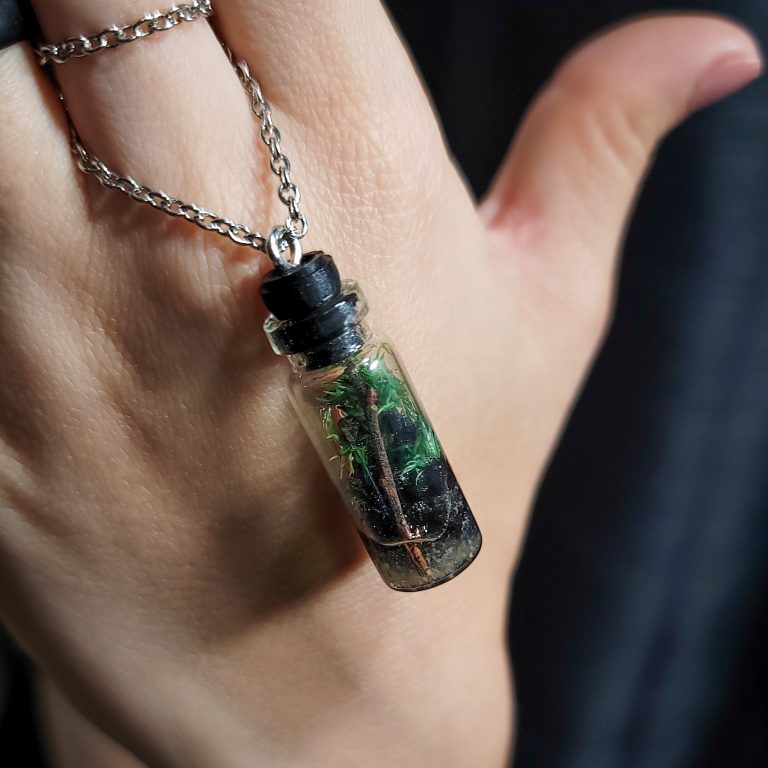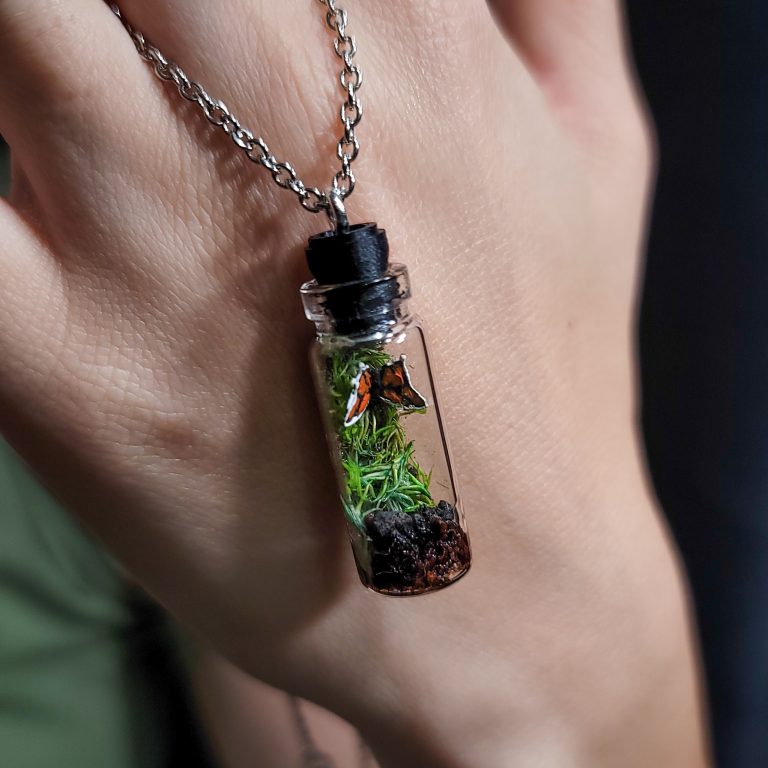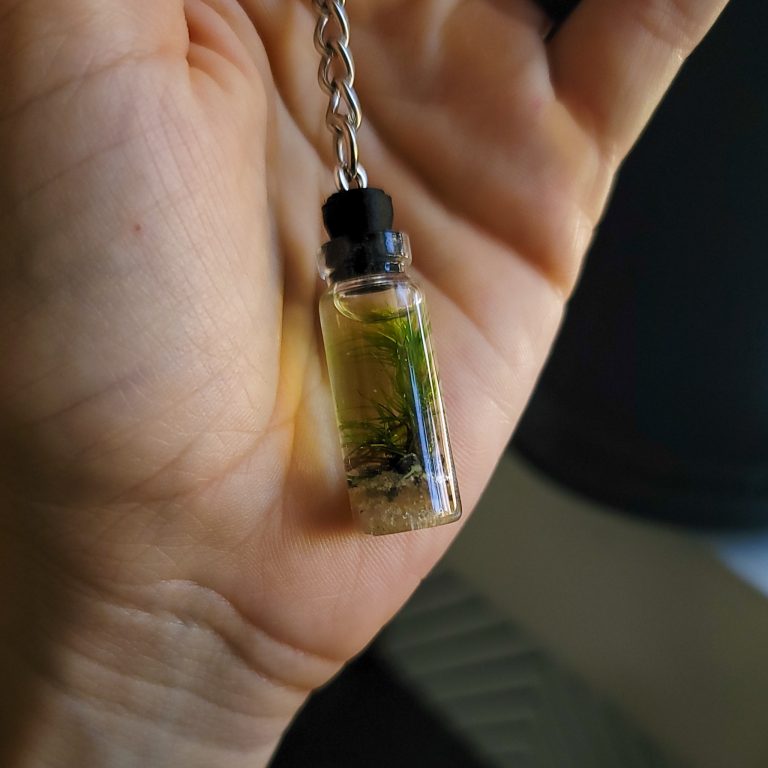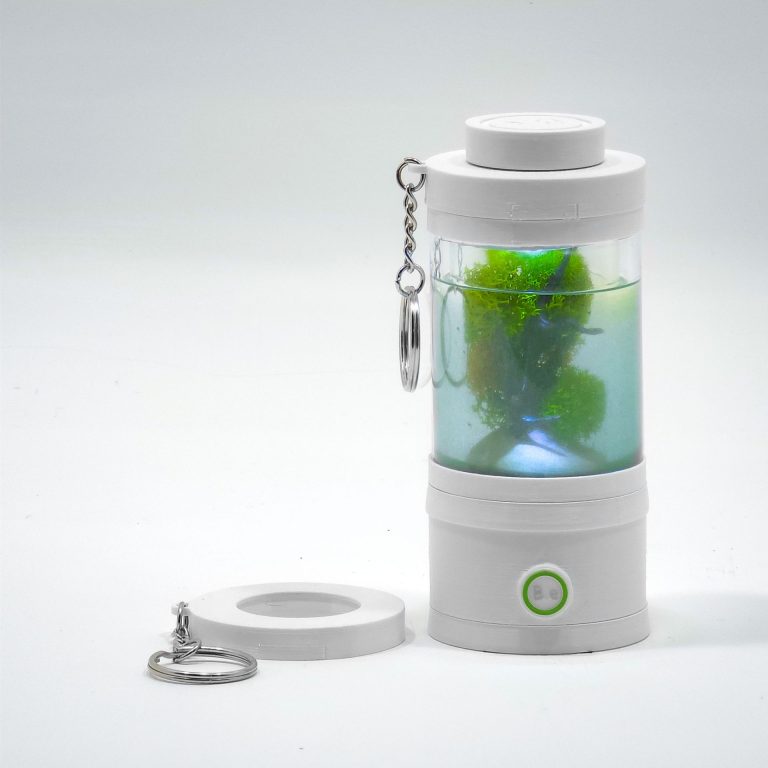
Freshwater Aquarium Necklace Charm
$24.99

Epalzeorhynchos frenatum
Reviewed for accuracy · Last updated Jan 7, 2026, 12:26 AM
Territorial bottom-oriented cyprinid that is aggressive toward similar shaped fish, defending caves and preferred zones.
Freshwater
Aggressive
Easy
40 gal (150 L)
6 in (16 cm)
6–10 years
Omnivore
Resident
Rainbow sharks can be aggressive. Avoid similar shaped or colored fish. Midwater schooling fish work best. Fast species avoid conflict.
Tetras and barbs are suitable. Bottom dwellers may be harassed. Provide multiple hiding spots. Tank size reduces issues.
Only one rainbow shark per tank. Territorial disputes are intense. Observe behavior closely. Remove injured fish.
Community tanks require planning. Compatibility depends on layout. Experience helps success. Territory management is critical.
Rainbow sharks need defined territories. They prefer long tanks with floor space. Caves and shelters are essential. Moderate filtration is sufficient.
Use sand or smooth gravel. Rocks and driftwood create boundaries. Plants help break lines of sight. Avoid overcrowding.
Maintain stable parameters. Regular water changes are important. Good oxygenation supports activity. Clean water reduces aggression.
They are solitary by nature. Only one per tank is advised. Territory defines behavior. Proper setup prevents conflict.
Rainbow sharks are omnivorous. They accept flakes and pellets. Algae-based foods are useful. Supplement with frozen foods.
Offer sinking wafers. Feed once or twice daily. Avoid overfeeding. Remove uneaten food.
They graze on surfaces. Vegetable matter is beneficial. Balanced diet improves health. Consistency is key.
Juveniles eat more frequently. Adults regulate intake well. Quality foods reduce stress. Diet impacts coloration.
Breeding rainbow sharks in captivity is rare. Hormonal induction is usually required. They do not breed naturally in home aquariums. Commercial breeding dominates supply.
Spawning occurs in large ponds. Eggs are scattered. No parental care is provided. Fry are sensitive.
Home breeding is impractical. Special facilities are needed. Most specimens are farm raised. Breeding attempts are advanced.
Focus on proper care instead. Healthy adults show best color. Stress prevents spawning. Observation is educational.
Some links on this page may earn Fishmetry a commission at no extra cost to you.