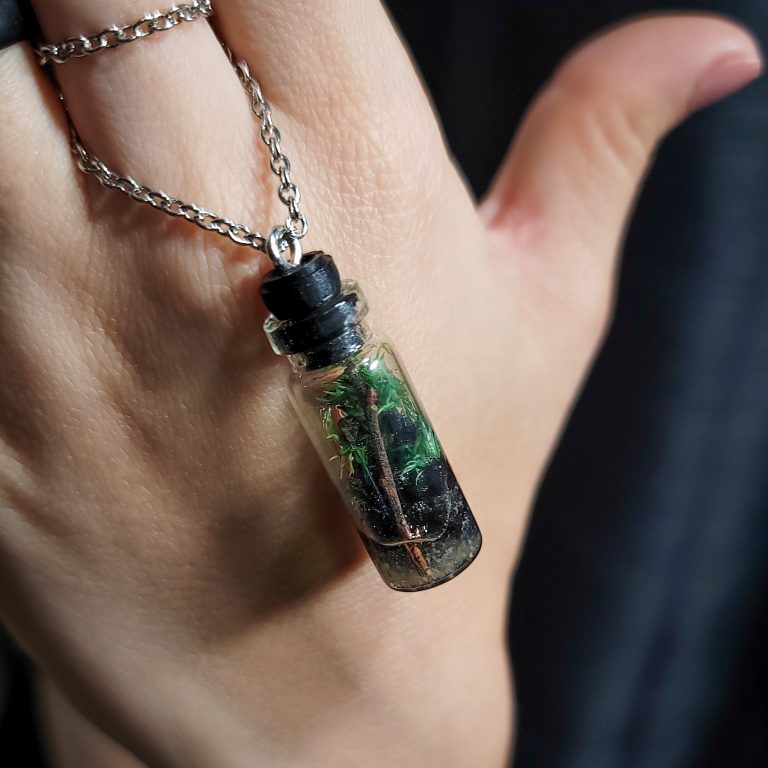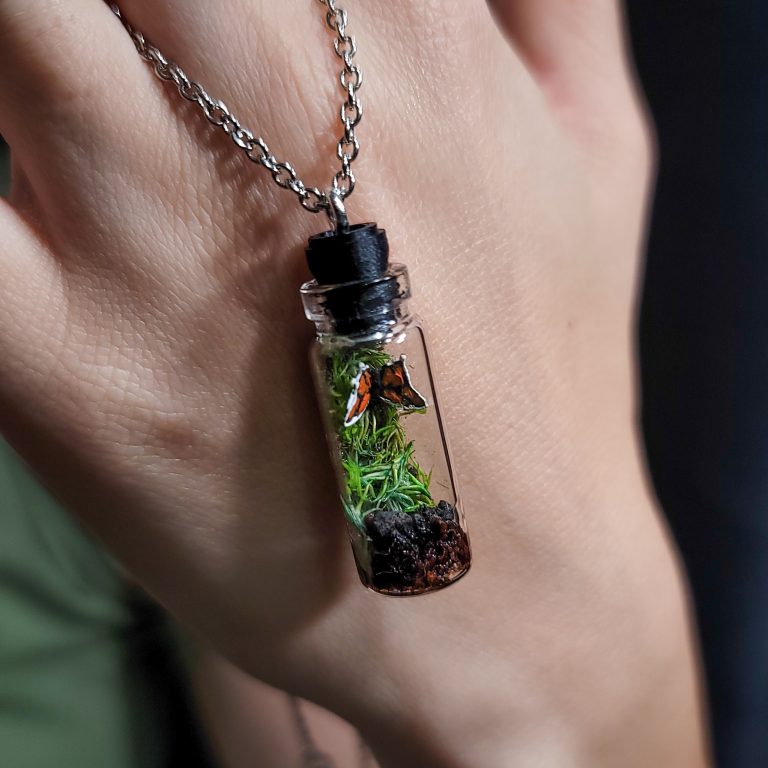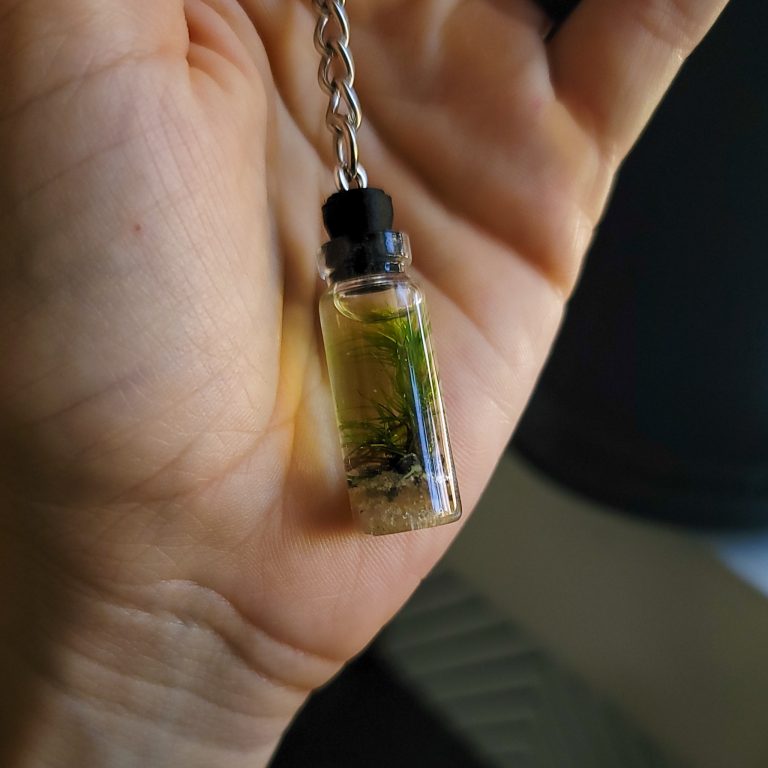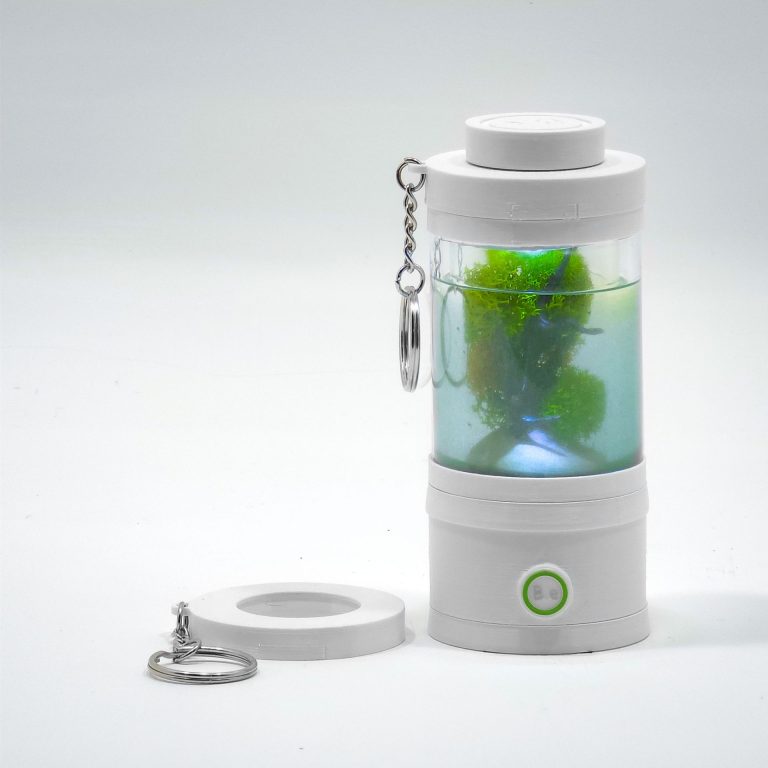
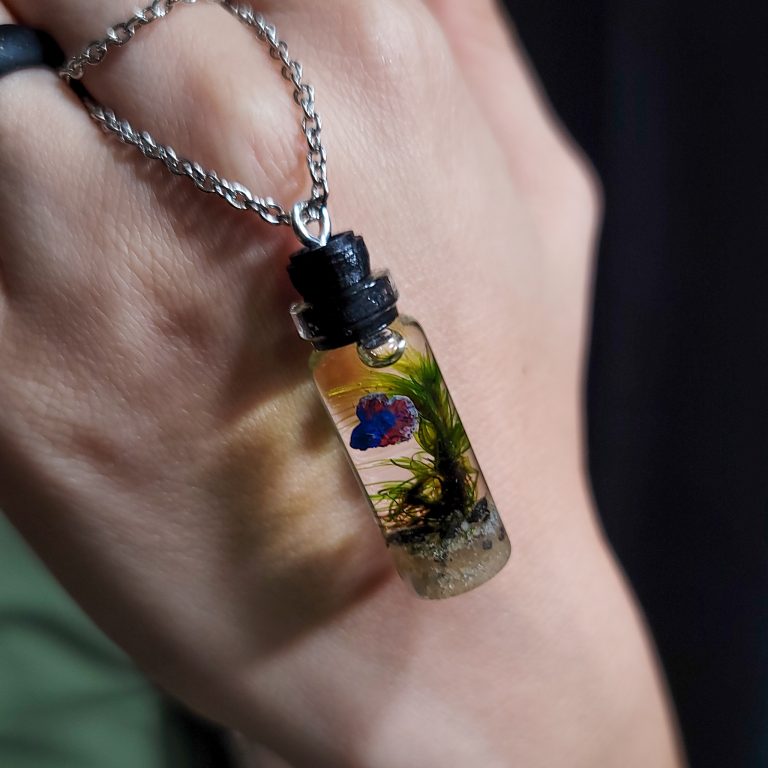
Freshwater Aquarium Necklace Charm
$24.99

Gasteropelecus sternicla
Reviewed for accuracy · Last updated Dec 20, 2025, 5:13 PM
Surface-dwelling, laterally compressed fish known for darting and occasional jumping; schooling and skittish.
Freshwater
Peaceful
Medium
21 gal (80 L)
2 in (5 cm)
3–6 years
Insectivore
Resident
Suitable tank mates are peaceful midwater and surface species that do not outcompete hatchetfish. Good companions include small tetras, peaceful rasboras, and calm bottom dwellers like Corydoras. Avoid aggressive or very large species that chase or prey upon hatchetfish near the surface. Ensure all tankmates tolerate similar temperature and water chemistry requirements.
Provide plenty of hiding places and floating plants so hatchetfish have shaded retreats. Keep them in a community where rapid, noisy feeders are absent to prevent stress and jumping. Quarantine new tankmates to prevent disease introduction to these semi-sensitive fish. Observe interactions at the surface to ensure hatchetfish are not harassed during feeding.
Maintain a calm tank environment and avoid sudden overhead motions which trigger their jumping. Balance stocking to provide ample surface area relative to the school size and feeding demands. Adjust lighting and provide shade if tankmates cause hatchetfish to hide excessively during the day. Long-term compatibility comes from stable water and a peaceful, appropriately stocked community.
Silver hatchetfish require tanks with plenty of open surface space and floating cover. Provide a tightly fitted lid to prevent escapes — they are notorious jumpers when startled. Keep tanks well-planted with subdued light and floating plants to create shaded surface zones. Maintain stable temperatures around 24–28°C and avoid strong currents that disrupt surface feeding.
They prefer slightly acidic to neutral water and consistent parameters to prevent stress. Provide mellow background flow and ensure excellent oxygenation at the surface. Use dim lighting or floating plants to reduce glare which decreases skittish behaviour. Quarantine new stock and acclimate slowly to avoid shock in these somewhat delicate fish.
Arrange the tank with vertical plants and driftwood to break sightlines and reduce panic responses. A mature tank with established microfauna provides natural food sources and improves condition. Keep them in schools of at least six to encourage natural grouping and reduce nervousness. Stable husbandry and calm household conditions help minimize sudden disturbances and jumping.
Hatchetfish are insectivores — they feed primarily at the surface on insects and small invertebrates. Offer floating foods such as small flakes, micro-pellets, and specially formulated surface foods. Supplement diet with live or frozen daphnia, mosquito larvae, and brine shrimp for protein enrichment. Feed multiple small portions daily at the surface where they can confidently feed.
Live food stimulation is important; hatchetfish respond vigorously to small live insects. Avoid sinking foods as they will not reach the preferred feeding zone and may pollute the substrate. Maintain water quality by removing uneaten surface food promptly after feeding sessions. Rotate food types to provide a balanced diet and prevent deficiencies in essential nutrients.
Use surface feeding stations to train them to feed predictably and reduce panic at mealtime. Young hatchetfish require tiny live foods and frequent feedings to support growth. Store frozen and dry foods properly to preserve nutritional value for these selective feeders. Consistent, protein-rich feeding supports coloration, health, and robust schooling behaviour.
Breeding silver hatchetfish in captivity is occasional and often requires careful conditioning. Set up a separate breeding tank with floating plants and gentle surface conditions for spawning. Condition pairs with live foods and increase protein-rich feeding to stimulate spawning behaviour. Eggs are often adhesive to the underside of floating plant leaves or to the water surface film.
Remove adults after spawning to prevent egg predation and maintain extremely clean water for eggs. Hatched fry require infusoria initially, progressing to baby brine shrimp and finely powdered foods. Maintain very stable parameters and gentle aeration to avoid disturbing fry or the surface film. Document successful conditions and replicate them to improve the likelihood of repeat spawning.
Breeding hatchetfish can be challenging—consult experienced breeders for refined techniques. Patience, precise feeding, and gentle water management are the keys to raising viable fry. Keep sanitary conditions and minimize handling during the sensitive early weeks of development. Successful captive spawning reduces reliance on wild-caught stock and supports sustainable husbandry.
Some links on this page may earn Fishmetry a commission at no extra cost to you.