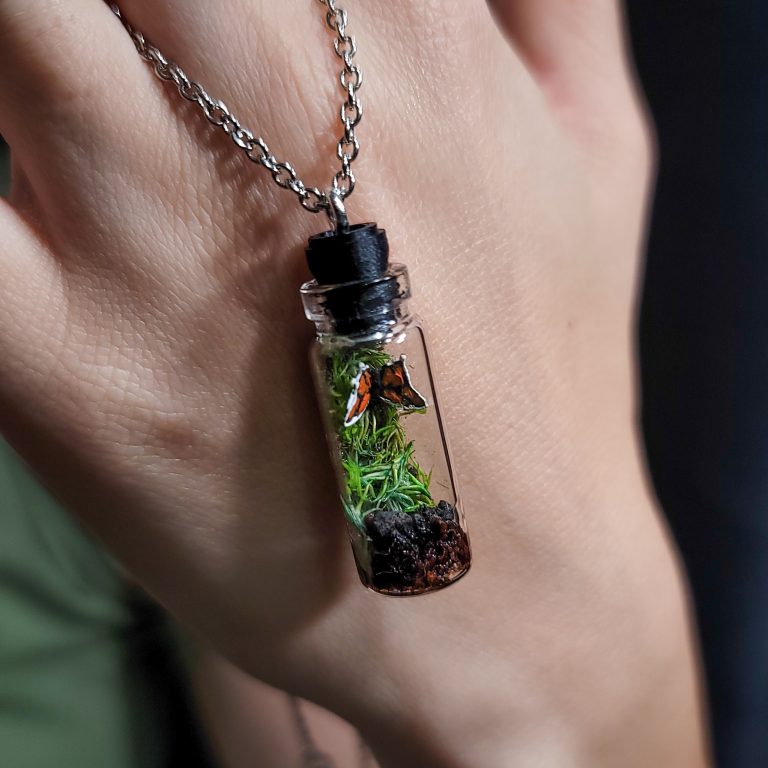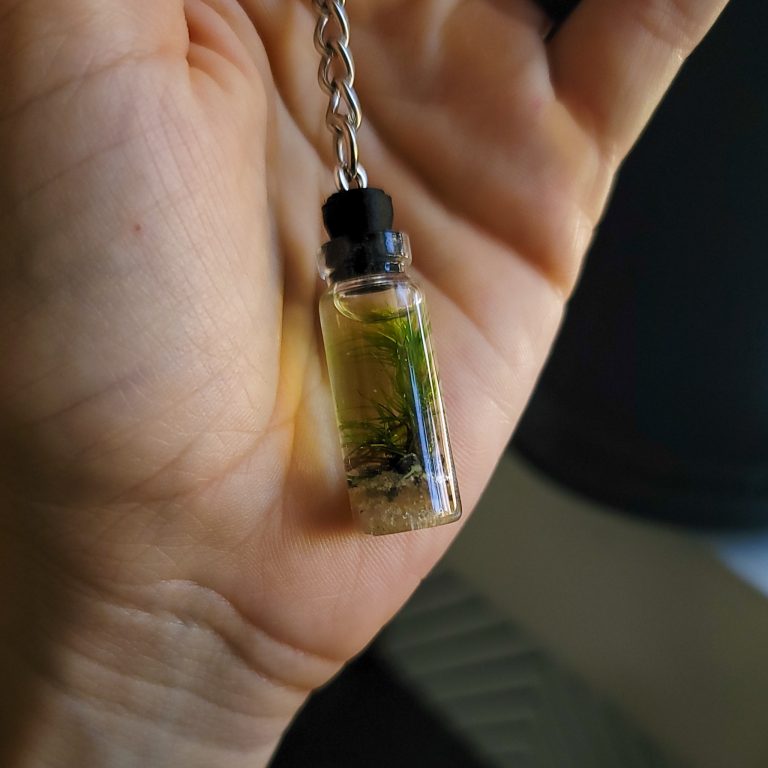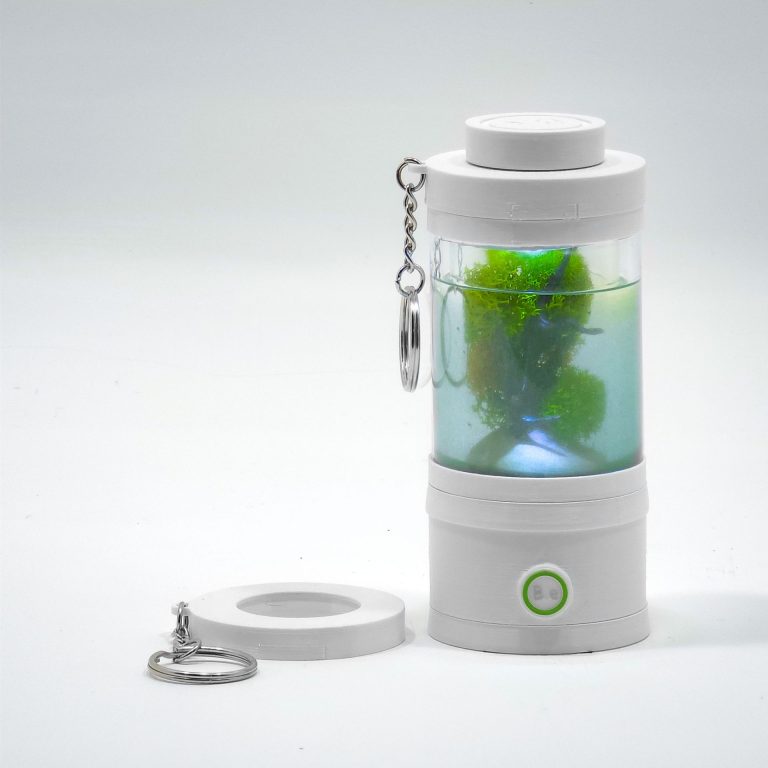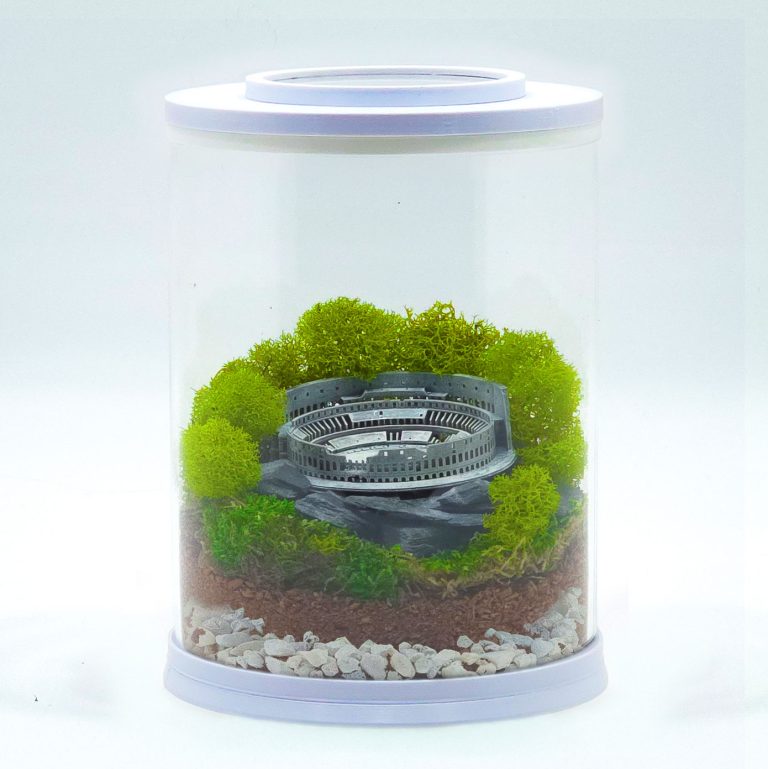
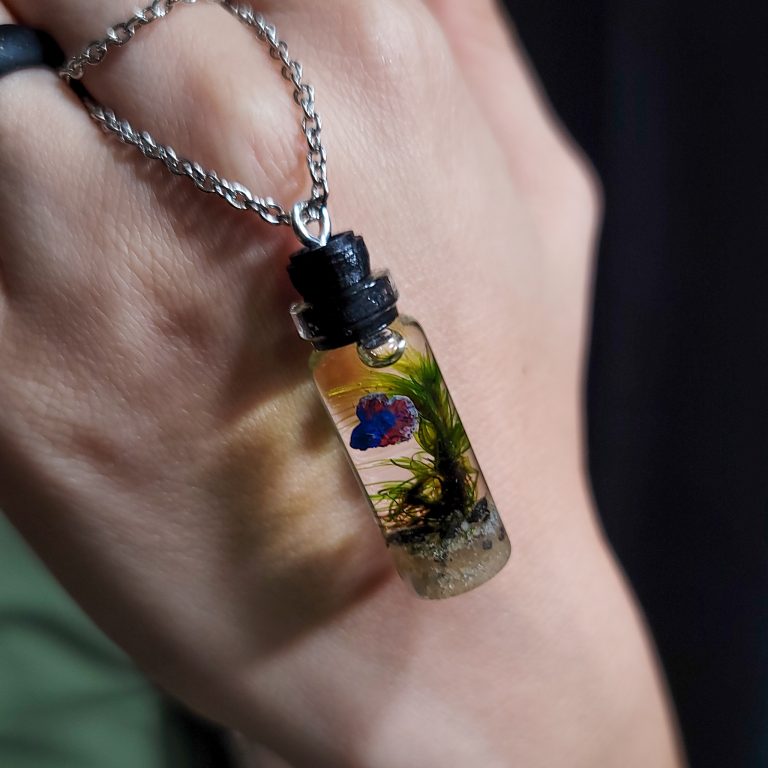
Freshwater Aquarium Necklace Charm
$24.99

Geophagus steindachneri
Reviewed for accuracy · Last updated Jan 7, 2026, 12:26 AM
Substrate-sifting cichlid with moderate aggression, especially during breeding, known for social hierarchies and territorial displays.
Freshwater
Aggressive
Medium
66 gal (250 L)
9 in (22 cm)
8–10 years
Omnivore
Resident
Redhump eartheaters need compatible tank mates. Choose similar sized peaceful fish. Avoid aggressive cichlids. Bottom space must be shared carefully.
Large tetras can work. Some catfish are compatible. Tank size is critical. Monitor breeding aggression.
Visual barriers help. Avoid overcrowding. Territorial disputes may occur. Backup tanks are useful.
They are best in species groups. Community setups require planning. Compatibility depends on space. Experience improves success.
Redhump eartheaters need sandy substrates. They constantly sift through the bottom. Large tanks are required for groups. Strong filtration handles debris.
Use fine sand only. Rocks should be stable. Plants may be uprooted. Open areas are essential.
Maintain warm, clean water. Regular water changes are crucial. Avoid sharp décor. Stable conditions reduce stress.
They form social hierarchies. Space reduces aggression. Observation is important. Well planned tanks succeed.
They are omnivorous substrate feeders. They accept pellets and frozen foods. Sinking foods are preferred. Variety supports health.
Offer insects and small crustaceans. Include vegetable matter. Feed multiple small meals. Avoid overfeeding.
They sift sand while feeding. Food should reach the bottom. Quality foods improve coloration. Cleanliness matters.
Juveniles grow steadily. Adults maintain size easily. Balanced diet reduces disease. Consistency is beneficial.
Breeding involves harem structures. Males develop pronounced humps. Females mouthbrood eggs. Spawning occurs on flat surfaces.
Eggs are collected by females. Brooding lasts several weeks. Females become reclusive. Provide hiding spots.
Fry are released fully formed. Feed finely crushed foods. Protect fry from adults. Clean water is essential.
Breeding is achievable. Sex ratios matter. Stress disrupts brooding. Observation is key.
Some links on this page may earn Fishmetry a commission at no extra cost to you.