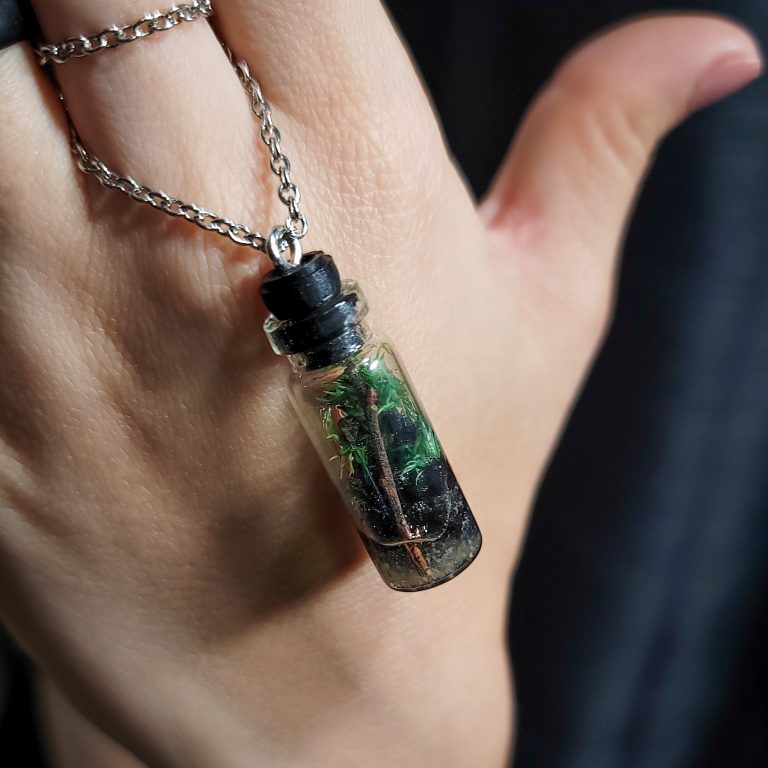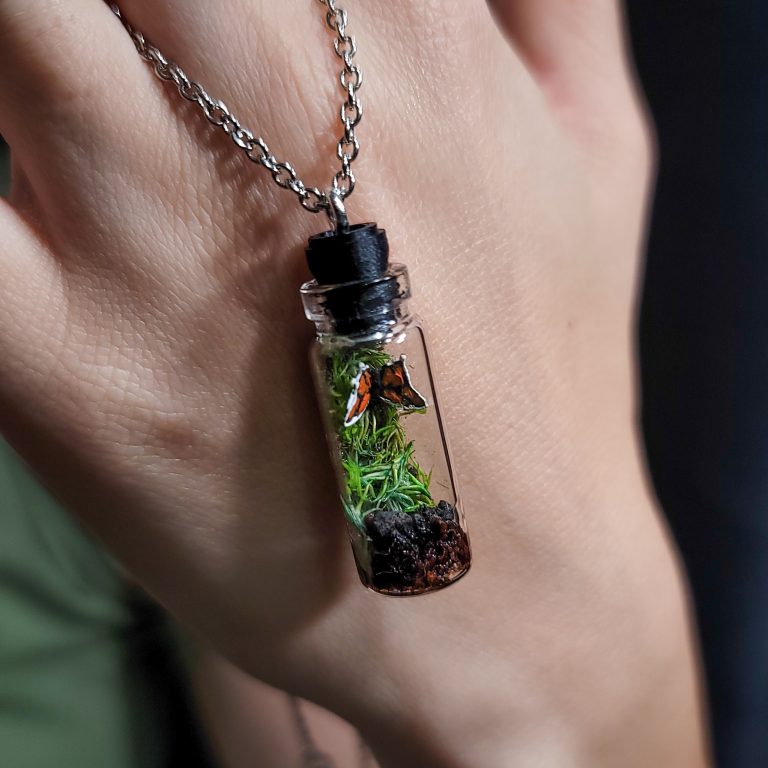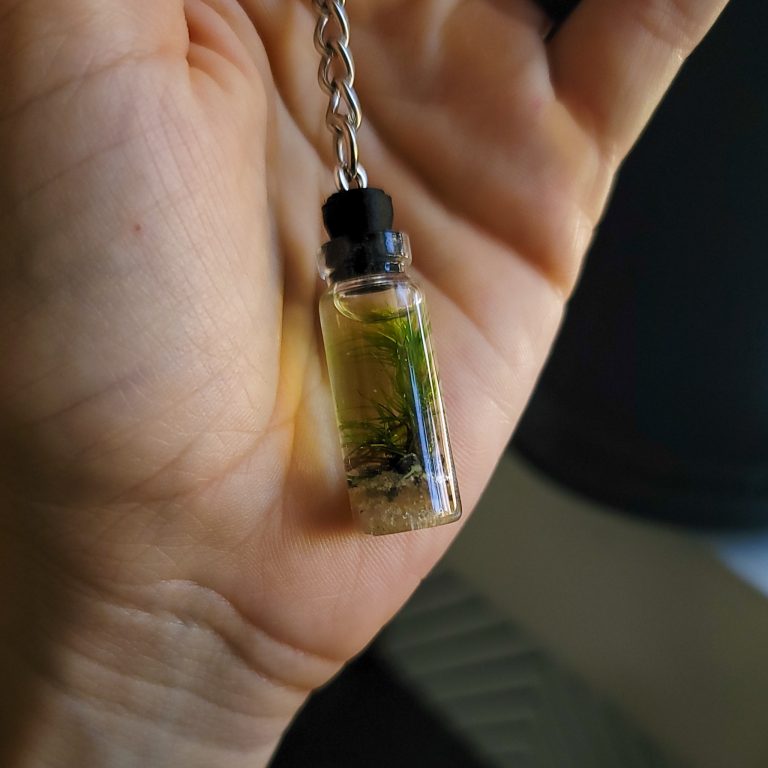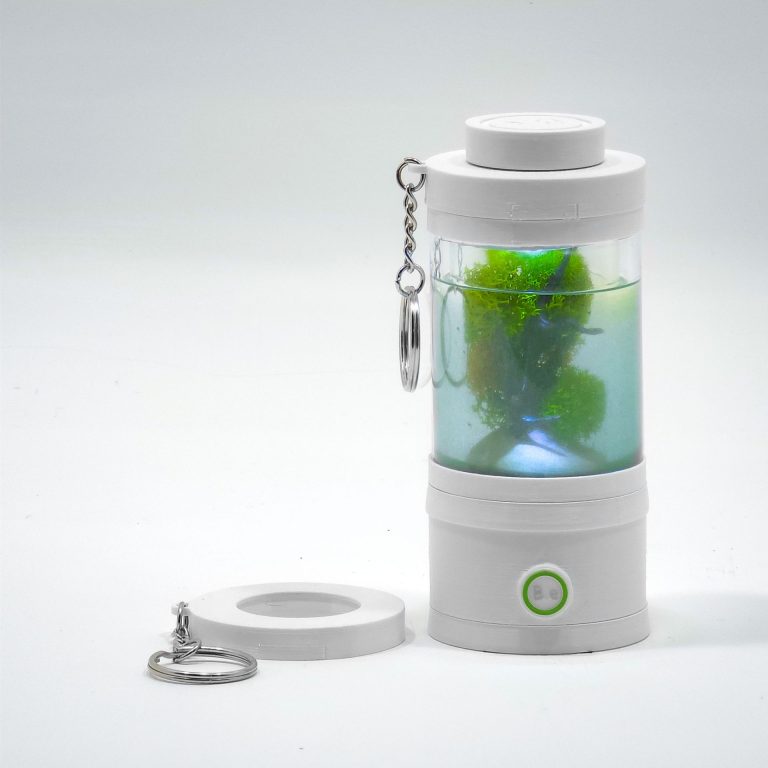
Freshwater Aquarium Necklace Charm
$24.99
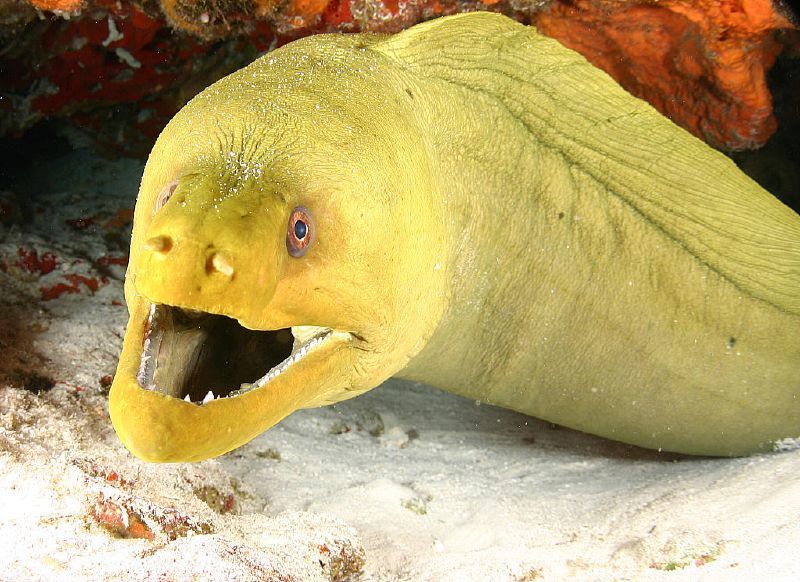
Gymnothorax funebris
Reviewed for accuracy · Last updated Jan 20, 2026, 12:22 AM
A highly territorial apex moray that patrols its domain confidently and reacts aggressively to perceived threats or prey.
Marine
Very Aggressive
Pro
476 gal (1800 L)
94 in (240 cm)
25–30 years
Piscivore
Resident
Tank mate selection for the Green Moray is extremely limited due to its size, strength, and aggressive disposition. This species is an apex predator that readily consumes fish, regardless of size, if the opportunity arises. Most community or semi-aggressive marine fish are unsuitable and will eventually be attacked or stressed to the point of decline.
In rare cases, exceptionally large and robust fish such as massive groupers or sharks in institutional settings may coexist, but even these arrangements carry significant risk. Invertebrates are universally incompatible and will be consumed. Territorial aggression is pronounced, and the eel will defend its shelter aggressively against intrusion.
For these reasons, Gymnothorax funebris is best maintained as a solitary specimen in a species-only system. This approach allows for controlled feeding, reduced stress, and safer maintenance procedures. Attempting mixed-species housing significantly increases the likelihood of injury to both the eel and other inhabitants.
The Green Moray is one of the largest and most formidable moray eel species encountered in the aquarium trade, demanding extreme care standards and very large systems. Gymnothorax funebris requires an aquarium measured in thousands of liters, with reinforced rockwork and open swimming corridors. Its muscular body and length necessitate wide turning space, and inadequate environments lead to chronic stress and injury.
Water quality must be pristine and exceptionally stable. This species is intolerant of poor oxygenation and elevated nitrogen compounds. Industrial-scale filtration, redundant life-support systems, and frequent large-volume water changes are mandatory. The eel’s green coloration is derived from a yellow mucus layer over blue-gray skin, and maintaining this protective mucus depends on stable salinity and minimal physical abrasion.
Tank security is critical, as Green Morays are powerful enough to dislodge lids and damage acrylic if startled. Lighting should be subdued, with deep caves and reinforced shelters constructed from large rock structures or artificial modules. This species is unsuitable for standard home aquariums and should only be considered by advanced keepers or institutions with permanent large marine exhibits.
The Green Moray is a dedicated piscivore with an exceptionally strong bite and rapid strike capability. In the wild, it preys on large reef fish, using ambush tactics from within rock crevices. Captive diets must reflect this high-protein requirement while minimizing health risks associated with improper feeding.
Primary food items should include whole marine fish such as mackerel, herring, and other oily species, offered in appropriately sized portions. Variety is important to prevent nutritional imbalances, and occasional supplementation with squid or other marine flesh is acceptable. Freshwater feeder fish should never be used, as they introduce disease risk and improper fatty acid profiles.
Feeding frequency is typically once per week for large adults, with careful monitoring of body condition. Overfeeding can lead to obesity and liver issues, while underfeeding may exacerbate aggression. Feeding tools are mandatory for safety, and maintenance should only occur when the eel is securely distracted or enclosed. Proper dietary management is essential to sustaining long-term health in this demanding species.
Breeding the Green Moray in captivity has not been achieved and remains a theoretical challenge even for advanced public aquariums. In natural environments, Gymnothorax funebris participates in open-water spawning events, releasing gametes into ocean currents where fertilization and larval development occur far from reef structures.
The leptocephalus larval stage is prolonged and requires specific planktonic conditions that are impossible to replicate in closed systems. Additionally, sexual differentiation is not externally visible, preventing intentional pairing. Environmental triggers such as large-scale temperature gradients, seasonal photoperiod changes, and oceanic current simulation are believed to be necessary.
As a result, all specimens in captivity are wild-caught. Ethical considerations are paramount, and only institutions capable of meeting the species’ extensive needs should house it. Conservation-minded aquarists should recognize that successful breeding is not currently feasible and prioritize education, research, and responsible long-term care.
Some links on this page may earn Fishmetry a commission at no extra cost to you.