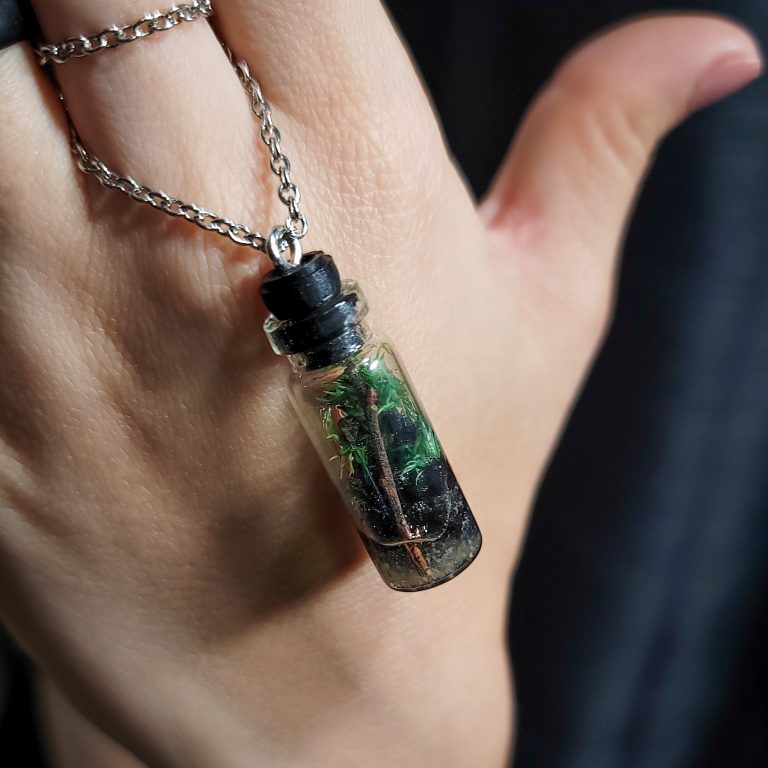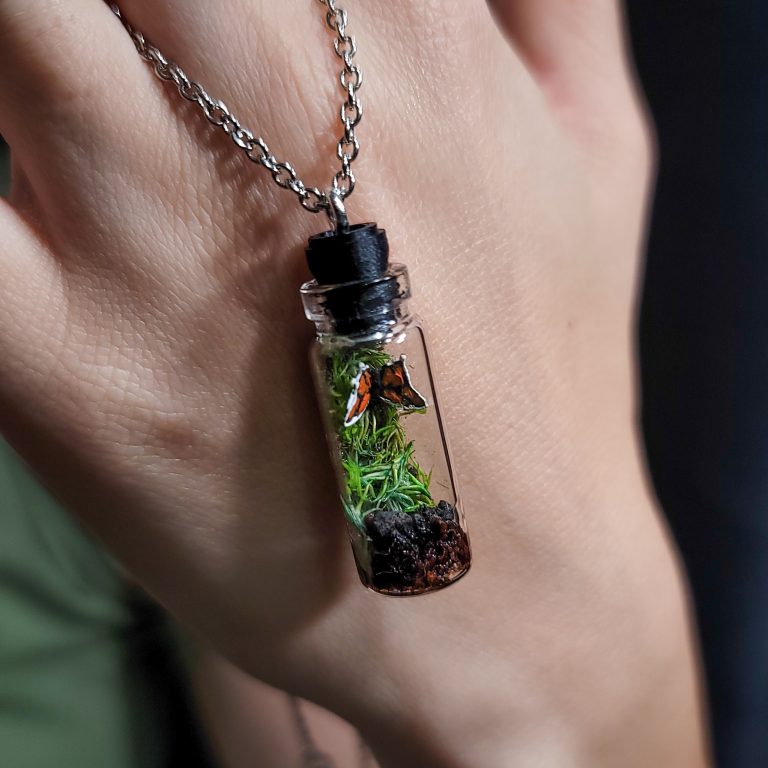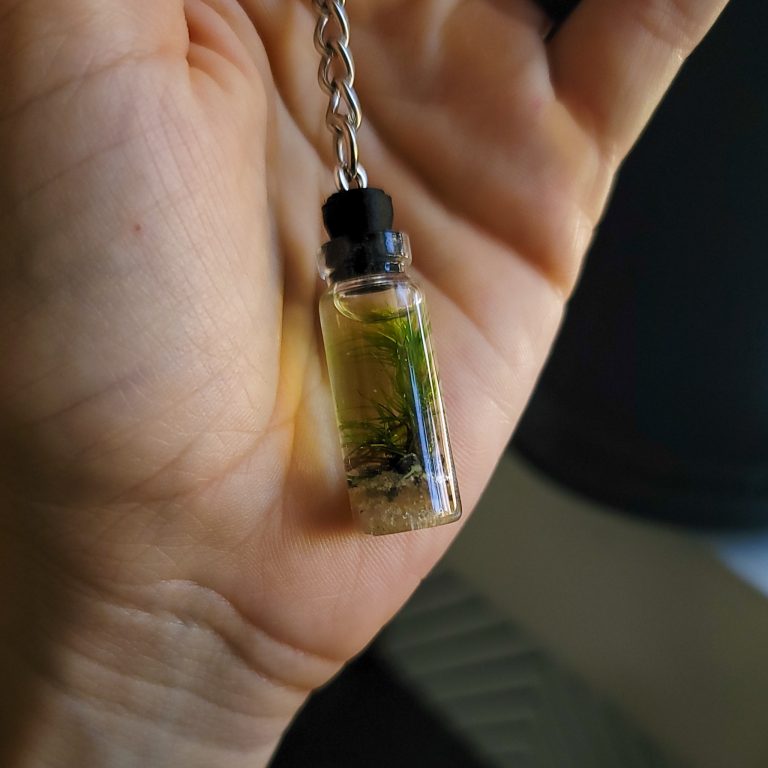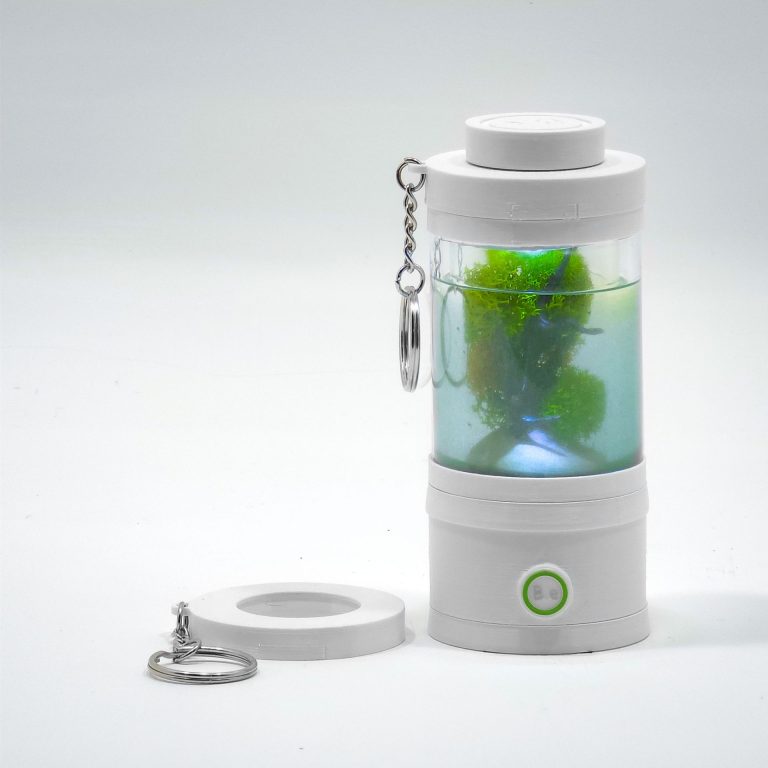
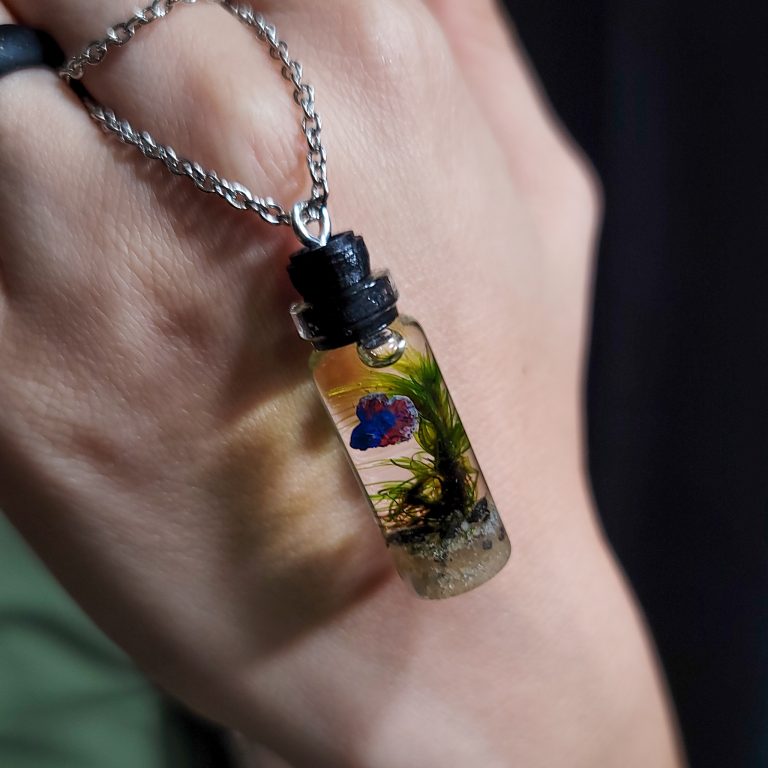
Freshwater Aquarium Necklace Charm
$24.99
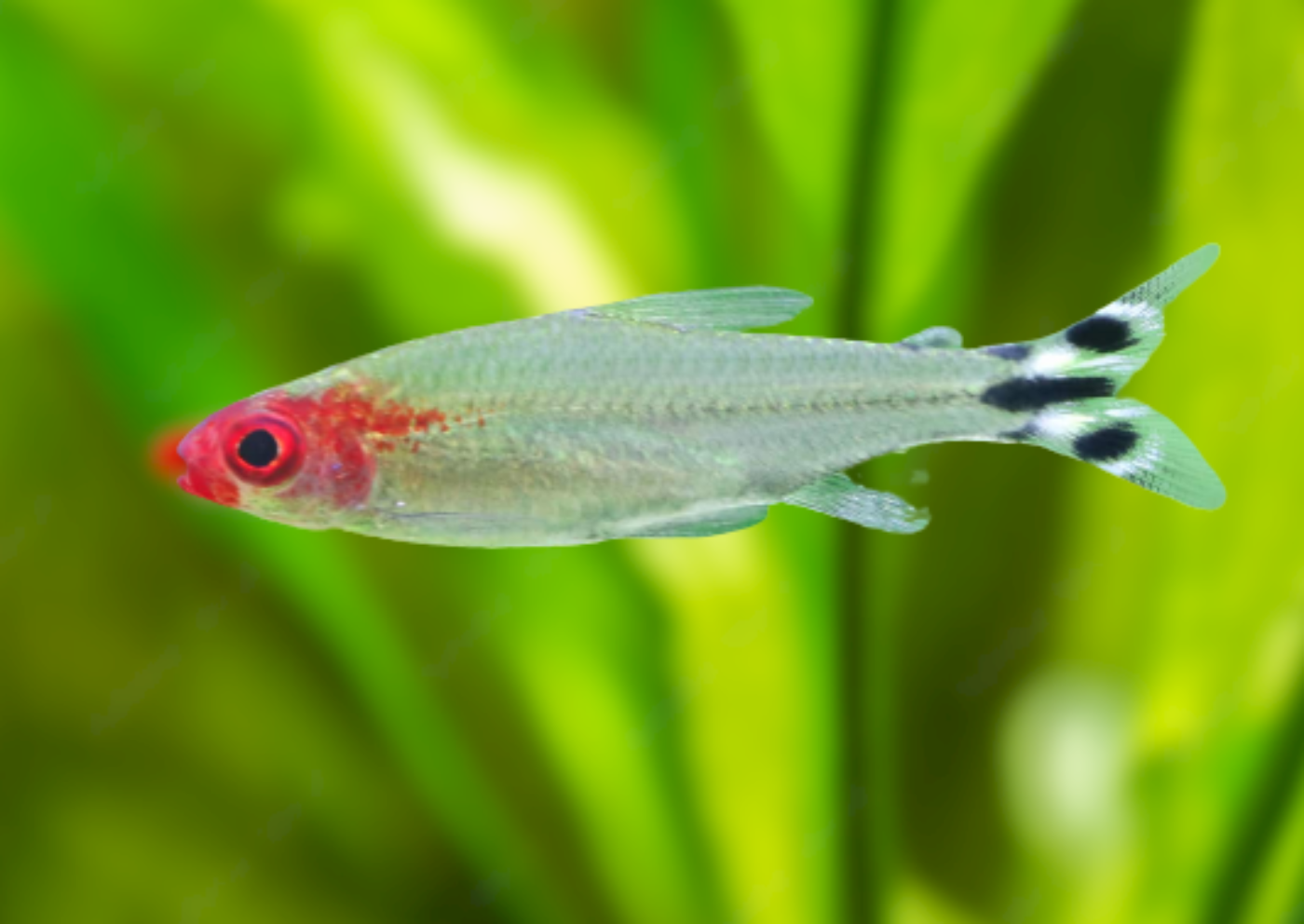
Hemigrammus rhodostomus
Reviewed for accuracy · Last updated Dec 20, 2025, 5:14 PM
Schooling, peaceful mid-level species noted for its distinctive red nose and cohesive shoal behaviour.
Freshwater
Peaceful
Medium
16 gal (60 L)
2 in (5.5 cm)
3–6 years
Omnivore
Resident
Rummy-nose tetras are peaceful and pair well with other small, calm species that prefer soft water. Good companions include neon-like tetras, peaceful rasboras, small Corydoras, and dwarf cichlids with similar needs. Avoid aggressive or very boisterous fish that break up shoals or harass slower-moving individuals. Provide dense planting and hiding spots for timid species while leaving open mid-water for natural schooling.
Keep rummy-noses in adequate-sized schools to maintain their natural behaviour and reduce stress indicators. Quarantine new tank mates and acclimate carefully to avoid disease and maintain the sensitive shoal cohesion. Match water chemistry across species when building a community to reduce long-term compatibility issues. Observe group dynamics and be ready to rehome incompatible fish that disrupt shoal behaviour or feeding.
Maintain a calm lighting scheme and avoid sudden disturbances which cause the shoal to scatter and stress. Ensure feeding strategies distribute food across the tank so shy individuals are not outcompeted by braver feeders. Long-term success comes from attentive husbandry, stable water, and considered community selection.
Rummy-nose tetras are best kept in soft, slightly acidic water and in sufficiently large schools. Provide long horizontal swim space and dense planting to replicate their riverine habitats and schooling needs. Keep them in groups of eight or more to preserve tight shoaling and reduce stress-related color loss. Maintain excellent water quality with regular small changes; rummy-noses show stress quickly through paleness.
Aim for temperatures of 23–29°C and avoid bright harsh lighting; moderate dimming brings out their coloration. Use dark substrate and floating plants to create shaded mid-water zones where the shoal feels secure. Filter gently to avoid disrupting their schooling and provide tannin-rich conditions if possible for better results. Quarantine new specimens and acclimate slowly to the main tank to preserve the sensitive shoal cohesion.
Observe the shoal frequently; rapid color fading or separation indicates health or water quality issues. Avoid mixing with aggressive or very large species that may break up schools or predate on smaller fish. Plan stocking and feeding so quieter individuals have consistent access to food without being bullied. Document water parameters and adjustments that preserve vibrant red coloration and robust shoaling behaviour.
Rummy-nose tetras are omnivores and accept high-quality micro-flakes, pellets, and frozen foods. Feed a staple of fine flakes or micro-pellets and supplement with daphnia and brine shrimp for protein. Offer small portions 1–2 times per day and remove uneaten food quickly to maintain pristine water quality. Include some vegetable-based flakes occasionally to round out nutrition and support digestive health.
Condition breeding stock with live foods to stimulate spawning readiness and enhance overall fitness. Provide powdered foods for fry and move to finer crushed flake as juveniles grow and can handle larger particles. Rotate food types to reduce nutritional gaps and keep the shoal interested and healthy. Store dry foods properly and avoid stale items which can lead to deficiencies or reduced feeding response.
Watch feeding times to ensure timid shoal members receive adequate food and reduce competitive feeding stress. Proper nutrition, combined with stable water, supports the striking red nose and long-term vitality of the species.
Breeding rummy-nose tetras can be achieved in a dedicated breeding tank with soft, acidic water. Use peat-filtered water with gentle lighting and fine-leaved plants or spawning mops for egg deposition. Condition pairs on live foods and remove adults after spawning because eggs are not guarded and may be eaten. Eggs hatch in 24–36 hours and fry should be fed infusoria then moved to microworms and baby brine shrimp.
Keep water exceptionally clean during fry rearing; small water changes and gentle filtration are critical. Raise fry in groups and separate sizes as they develop to prevent cannibalism and ensure uniform growth. Document breeding conditions and refine methods across attempts to increase success and fry survival. Patience and controlled water chemistry are essential for raising healthy juvenile rummy-noses.
Some links on this page may earn Fishmetry a commission at no extra cost to you.