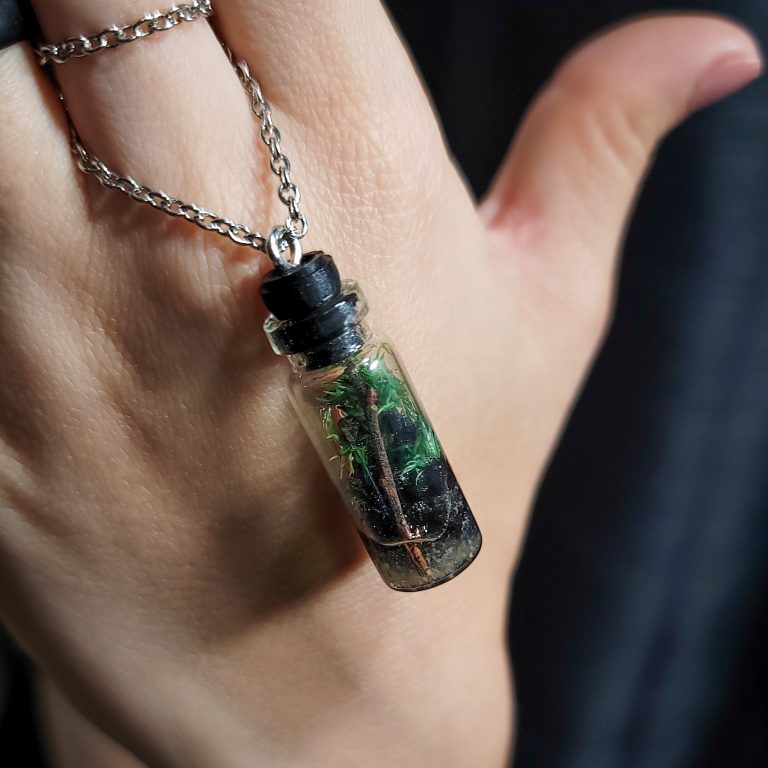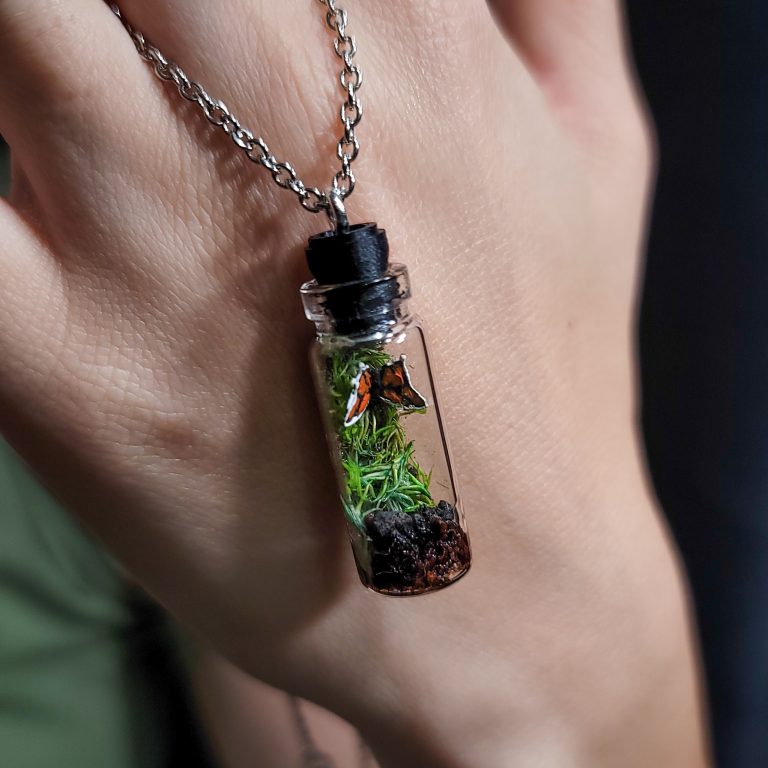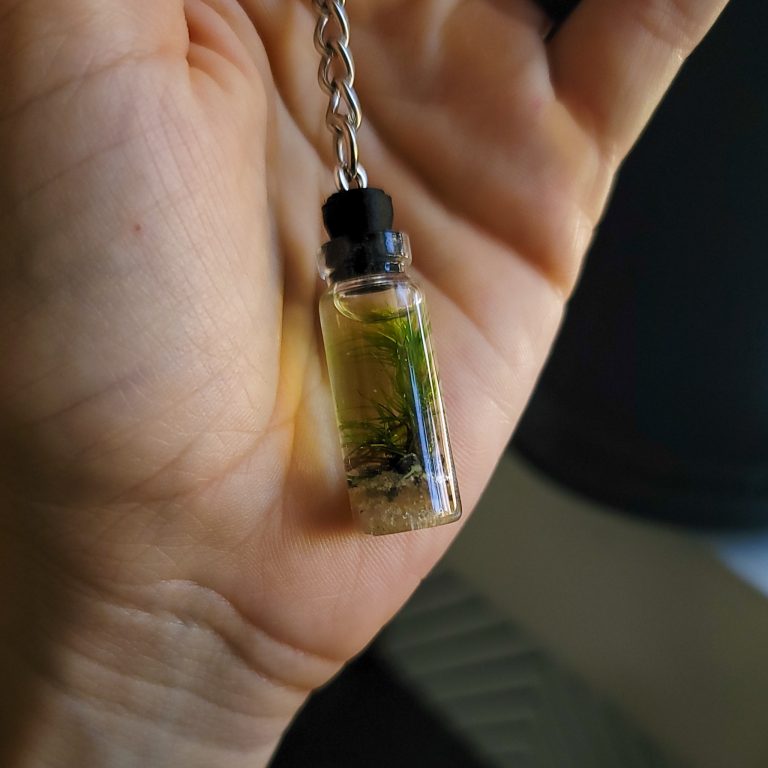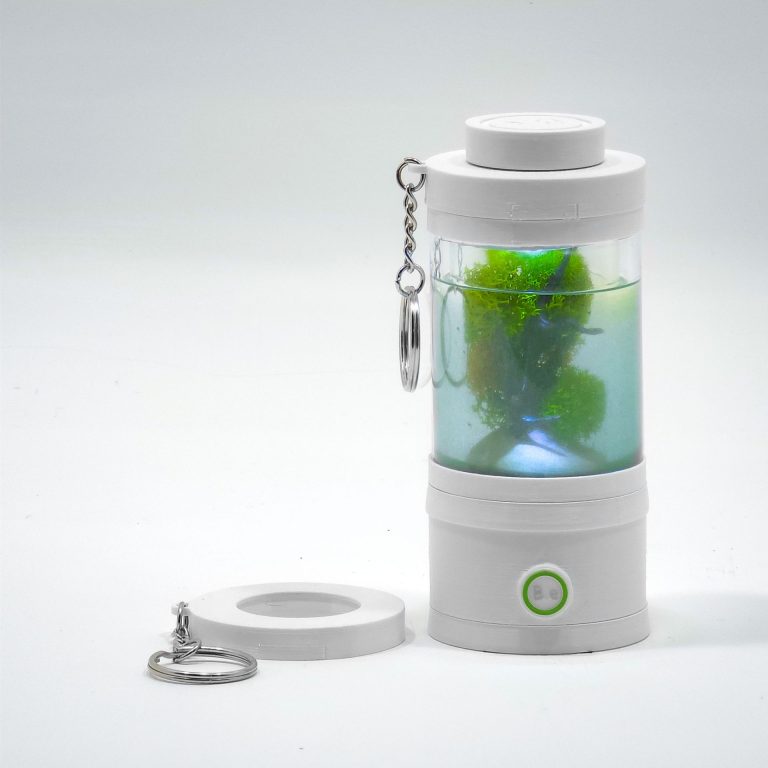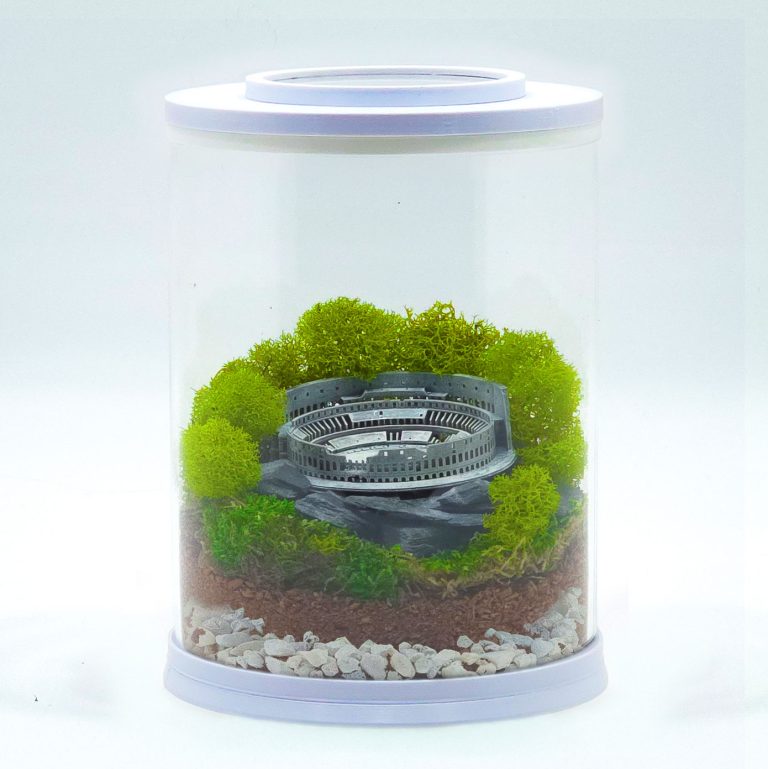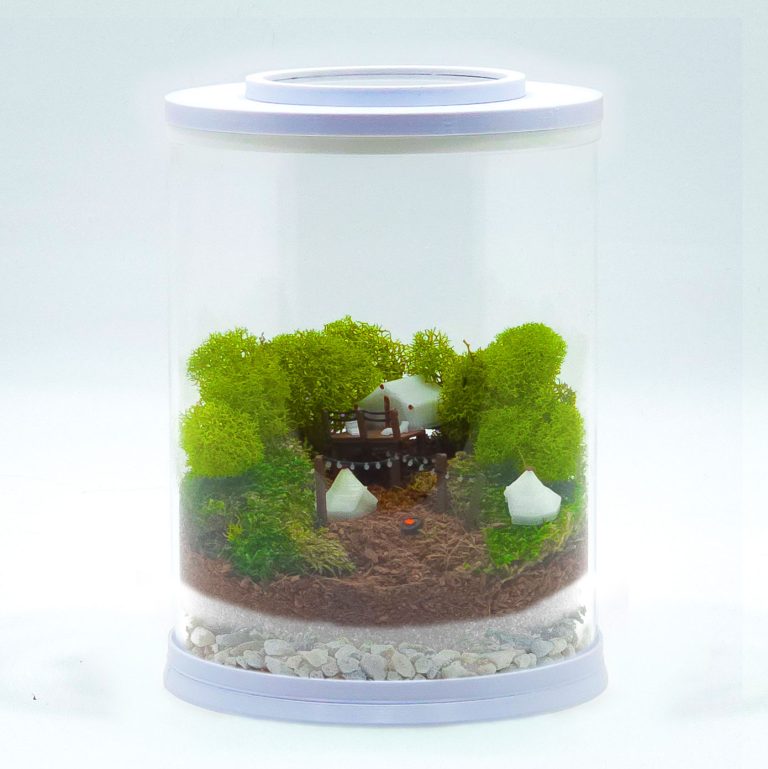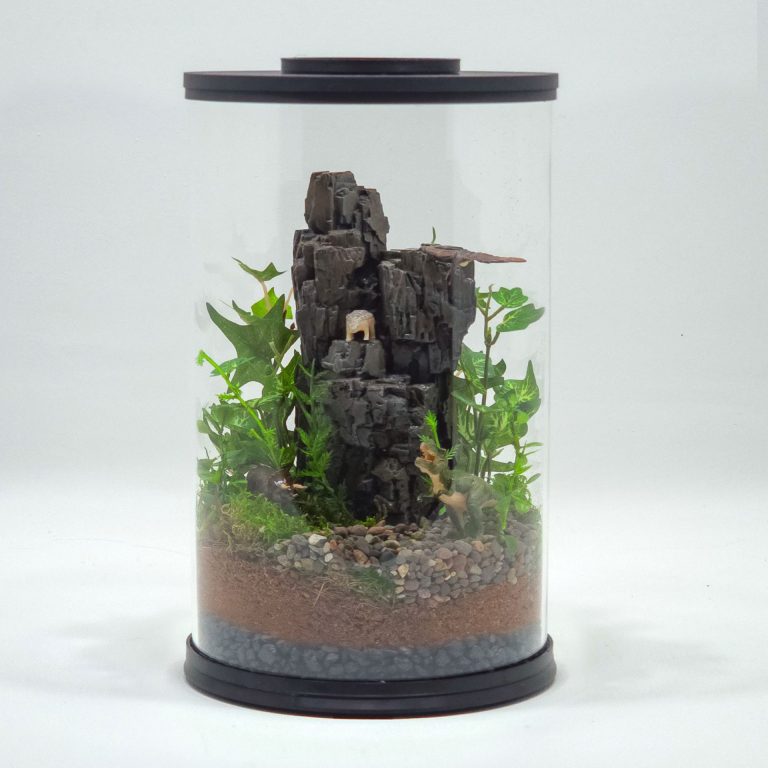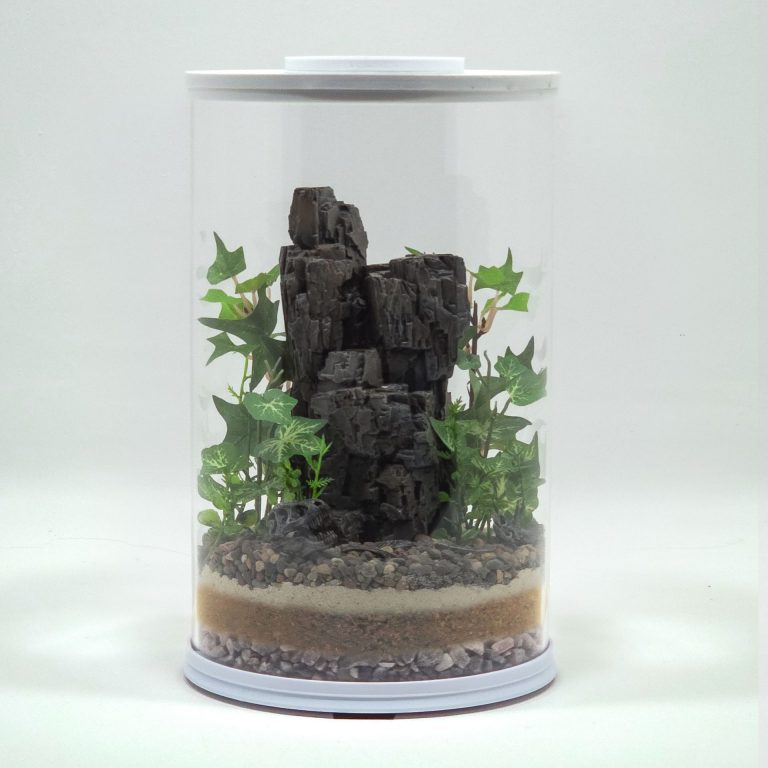
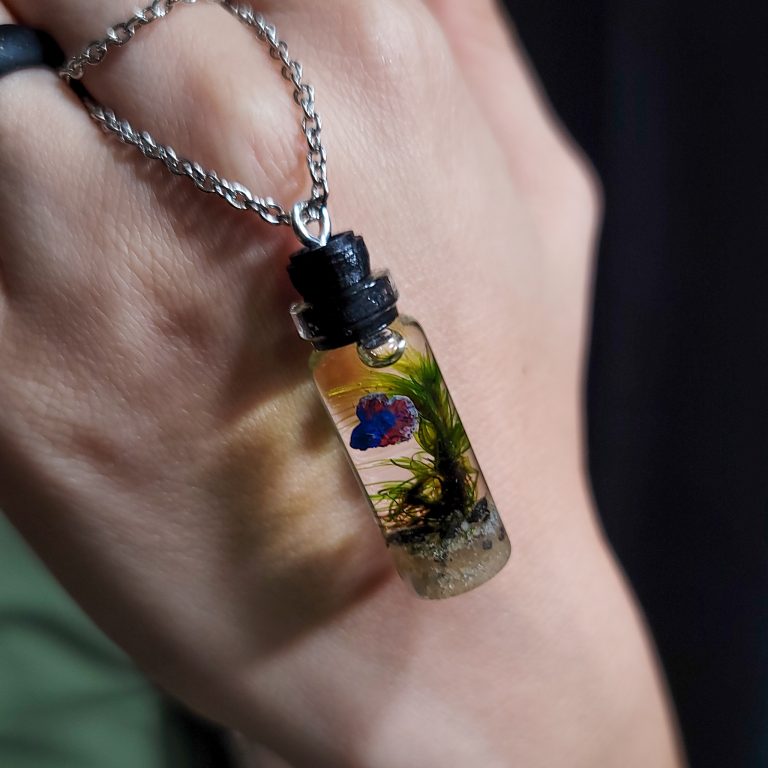
Freshwater Aquarium Necklace Charm
$24.99

Ictalurus punctatus
Reviewed for accuracy · Last updated Feb 27, 2026, 4:06 AM
Generally calm but opportunistic, this species is nocturnal, bottom-oriented, and may prey on small fish when space or food is limited.
Freshwater
Moderate
Medium
528 gal (2000 L)
52 in (132 cm)
12–20 years
Omnivore
Resident
Tank mates must be chosen carefully due to the Channel Catfish size. Small fish will eventually be viewed as prey. Only robust, similarly sized species should be considered. Peaceful but large companions work best.
Suitable tank mates include large suckermouth catfish or big characins. Other large North American species with calm temperaments may coexist. Territorial or highly aggressive fish can cause chronic stress. Competition for bottom space must be minimized.
Ample space and clear territory boundaries reduce conflicts. Visual barriers help break lines of sight. Crowded conditions often lead to opportunistic predation. Stocking density should remain low.
Mixing with delicate or slow-moving species is discouraged. Community-style aquariums are inappropriate for this fish. Species-only setups are often the safest choice. Observation is essential when introducing new tank mates.
Channel Catfish thrive in large freshwater systems with stable parameters and ample bottom space. They naturally inhabit rivers, lakes, and reservoirs with moderate to slow currents. Soft substrates like sand or fine gravel allow natural foraging and reduce stress. Hiding areas using driftwood or rock structures are essential for daytime rest.
Water quality must be kept high due to their size and waste production. Strong biological filtration and regular water changes are mandatory. Despite tolerance to varied conditions, sudden parameter swings cause stress. Oxygenation is important, especially in warmer temperatures.
Lighting should be subdued to mimic their nocturnal tendencies. Bright lights can make them reclusive and reduce feeding activity. A natural day-night cycle helps maintain normal behavior patterns. Floating plants can be used to diffuse light.
Although hardy, they are not suitable for small home aquariums. Indoor ponds or very large tanks are the most realistic setups. They appreciate stable environments over frequent rearrangements. Long-term planning is essential due to their eventual size.
Channel Catfish are opportunistic omnivores with a strong preference for meaty foods. In nature, they consume insects, crustaceans, small fish, and plant matter. Their diet is highly flexible, which contributes to their hardiness. This adaptability makes feeding straightforward in captivity.
High-quality sinking pellets should form the dietary base. Supplementation with shrimp, earthworms, and fish flesh is beneficial. Vegetable matter like peas or algae wafers can be offered occasionally. Food should always sink, as they rarely feed at the surface.
Feeding is best done during evening or low-light periods. This aligns with their natural nocturnal feeding rhythm. Overfeeding must be avoided due to rapid waste accumulation. Uneaten food should be promptly removed.
Juveniles require more frequent feedings than adults. Adults do well with controlled portions several times per week. Diet variety improves health and coloration. Consistent schedules reduce stress and aggression.
Breeding Channel Catfish in captivity is uncommon in aquariums. In nature, spawning occurs in late spring or early summer. Water temperature increases act as a primary trigger. Photoperiod and food abundance also play key roles.
Males select and guard nesting sites such as cavities or crevices. Females deposit adhesive eggs within these protected areas. After spawning, females leave and males provide sole care. Eggs are fanned and protected aggressively.
Hatching occurs within several days depending on temperature. Fry remain guarded until they become free-swimming. At this stage, they form tight schools. Parental care gradually diminishes.
Captive breeding requires pond-like conditions and large nesting structures. Hormonal induction is often used in aquaculture. Home aquarists rarely succeed due to space constraints. Breeding attempts should prioritize fish welfare.
Some links on this page may earn Fishmetry a commission at no extra cost to you.