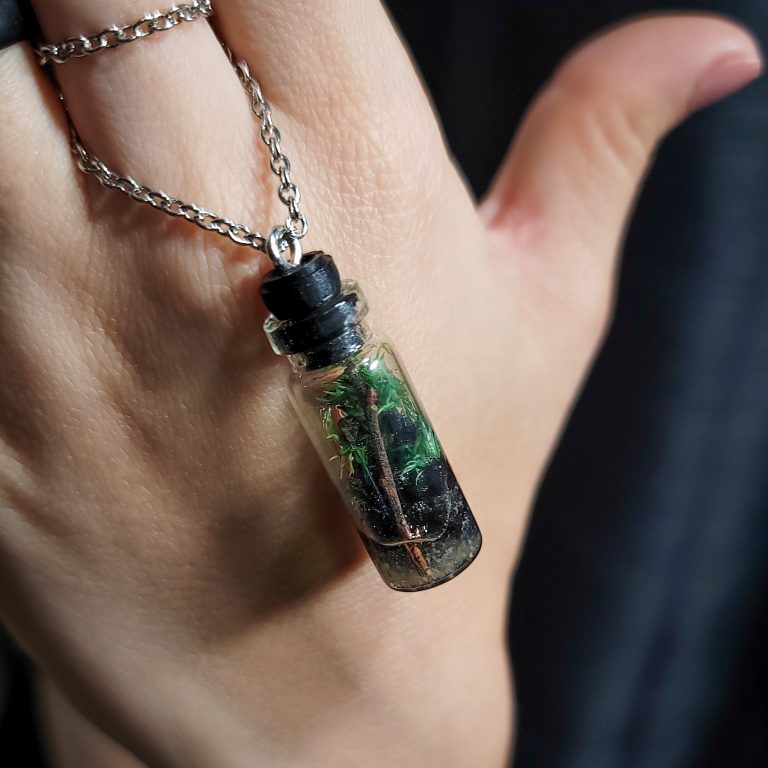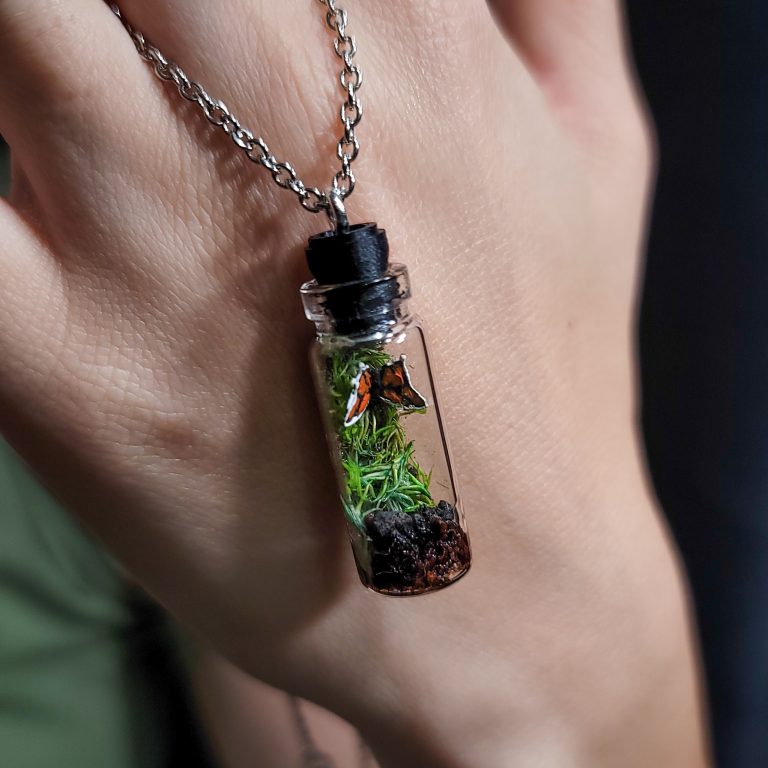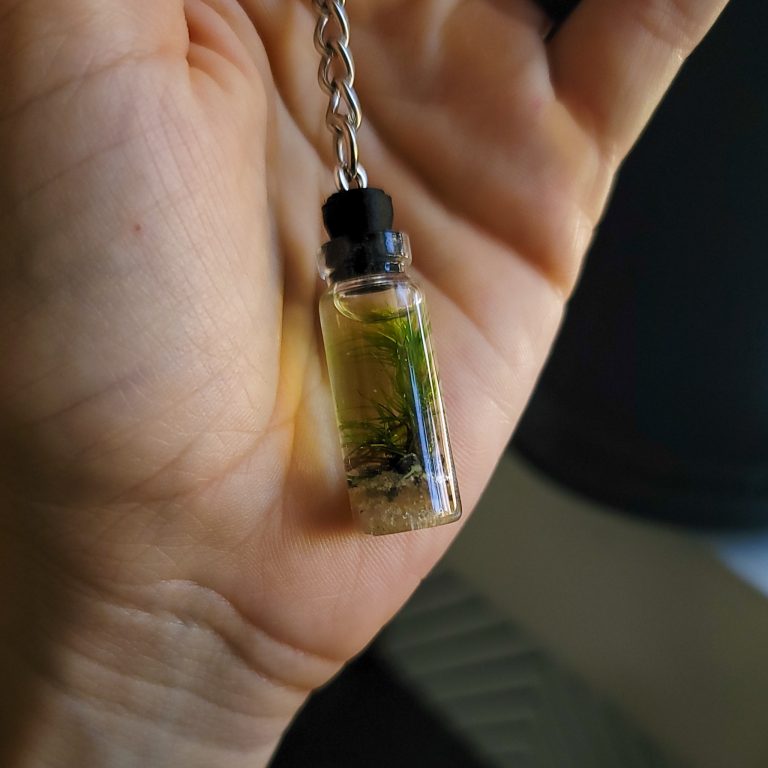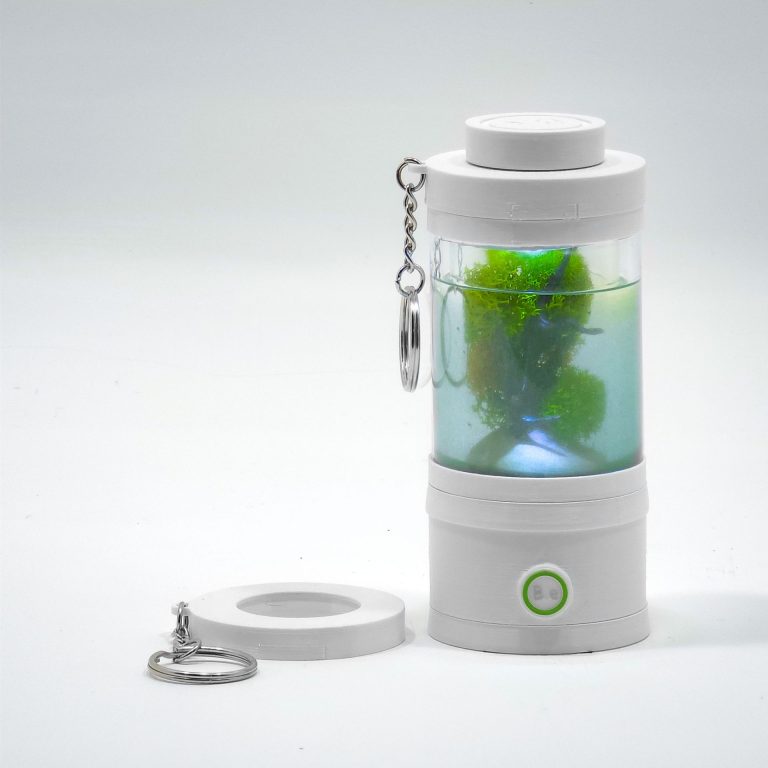
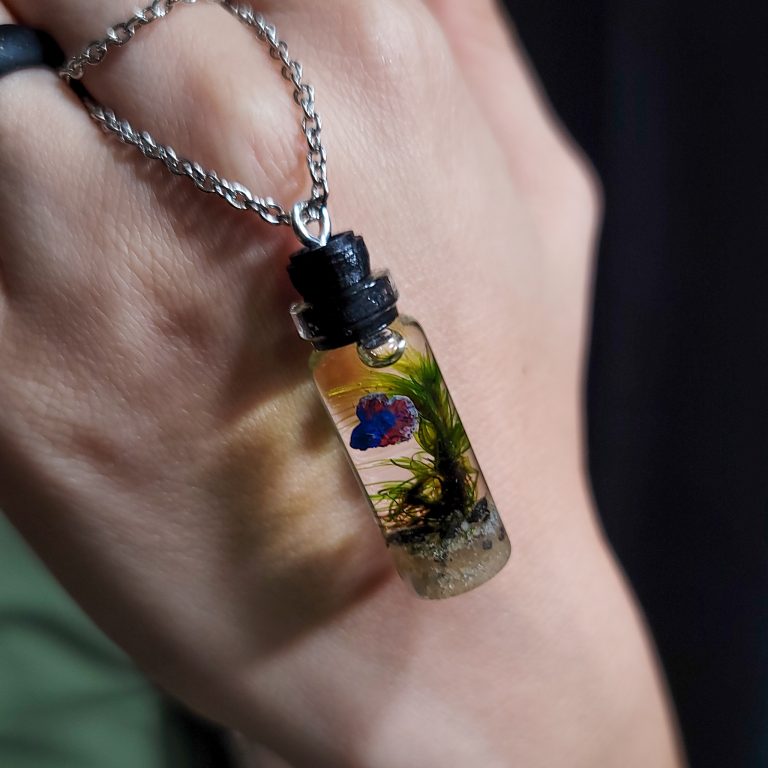
Freshwater Aquarium Necklace Charm
$24.99

Kryptopterus vitreolus
Reviewed for accuracy · Last updated Dec 20, 2025, 5:15 PM
Transparent schooling midwater fish; very peaceful and best kept in groups to reduce stress-induced skittishness.
Freshwater
Peaceful
Medium
21 gal (80 L)
6 in (14 cm)
6–10 years
Omnivore
Resident
Glass catfish are very peaceful and do best with other calm midwater species. Compatible tank mates include peaceful tetras, rasboras, and other non-aggressive community fish. Avoid large, boisterous species or fin-nippers that will stress or injure the delicate glass catfish. Provide plenty of plant cover and midwater swim-space to satisfy their schooling preferences.
Keep them in sufficient numbers to promote natural behaviour and reduce panic responses. Quarantine new tank mates to protect the sensitive glass catfish from diseases brought in by newcomers. Match water chemistry across species to prevent stress and ensure long-term compatibility. Monitor for bullying at feeding times and distribute food to multiple areas to reduce competition.
Avoid very small fish that may be mistaken for food by aggressive eaters in the tank. Keep a calm lighting regimen and provide shaded refuges to encourage day-long comfort. Record successful community combinations and water parameters to replicate stable environments. Long-term harmony depends on gentle husbandry and thoughtful community choices.
Glass catfish prefer well-oxygenated, planted tanks with ample midwater swimming space. Provide a calm environment with subdued lighting to reduce stress and encourage natural activity. Keep them in groups of at least 6–8 to maintain cohesive schooling and reduce nervous behaviour. Use gentle filtration and ensure good surface agitation for oxygen exchange without strong currents.
Neutral to slightly acidic water supports their health; stability is more important than exact numbers. Floating plants and shaded areas help them feel secure and exhibit clearer schooling patterns. Provide a tall tank if possible to allow vertical movement and natural midwater foraging. Quarantine new stock and acclimate carefully to avoid stress-related illnesses in the sensitive group.
Ensure water chemistry remains consistent and perform regular maintenance to avoid nitrate spikes. Avoid bright sudden lights and frequent disturbances which can trigger mass hiding or frantic swimming. A mature, stable aquarium with open midwater lanes and planted margins produces the best results. Document behaviour changes and parameter shifts to troubleshoot stressors affecting the school.
Glass catfish are omnivores that accept high-quality flakes, micro pellets, and frozen foods. Offer varied foods including brine shrimp, daphnia, and finely crushed pellets to satisfy dietary needs. Feed small portions 1–2 times daily since they can be easily outcompeted by more aggressive feeders. Encourage natural feeding by dispersing food throughout the midwater column and near plant cover.
Supplement with live foods for conditioning and improved coloration; frozen foods are a safe alternative. Juveniles require finer particles and more frequent feedings until they reach schooling size. Avoid large, heavy pellets that sink quickly and favor bottom feeders over midwater species. Remove uneaten food quickly to maintain excellent water quality for these sensitive fish.
Rotate protein and plant-based foods to provide a balanced nutrient profile and support immune function. Store frozen and dry foods properly to maintain nutritional integrity and avoid contamination. Observe feeding sessions to ensure weak or shy individuals receive adequate nutrition. Consistent, varied feeding helps maintain energy, transparency, and overall health in the school.
Breeding glass catfish in home aquaria is rare and not commonly achieved by hobbyists. They are egg scatterers and require a very peaceful, well-structured tank to attempt spawning. Successful breeding attempts often rely on pristine water, abundant plant cover, and careful conditioning. If eggs are laid, they should be protected from adults and reared in a separate tank for higher survival.
Raise fry on infusoria or powdered micro-foods initially and progress to baby brine shrimp as they grow. Maintain exceptionally clean water with gentle filtration to protect fragile larvae from fouling. Document any spawning events and replicate the precise conditions that led to success to refine technique. Be prepared for low success rates and the need for advanced larval rearing skills in this species.
Consult experienced breeders or community resources when attempting to breed glass catfish. Patience, meticulous water management, and specialized feeding schedules increase the chance of success. Captive breeding is uncommon but possible with experienced techniques and a mature aquarium setup. Record-keeping of incubation and rearing conditions is essential for reproducible results.
Some links on this page may earn Fishmetry a commission at no extra cost to you.