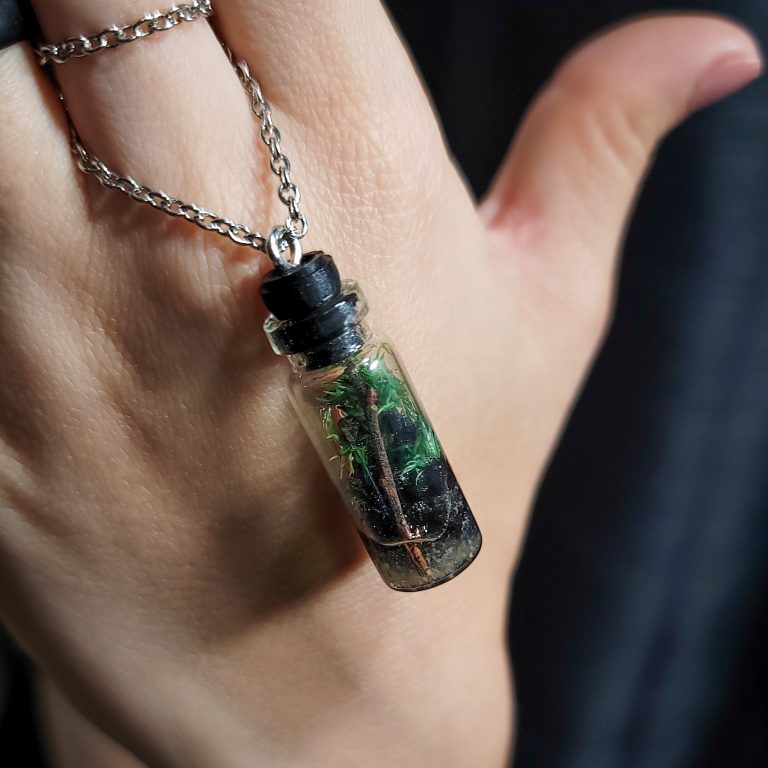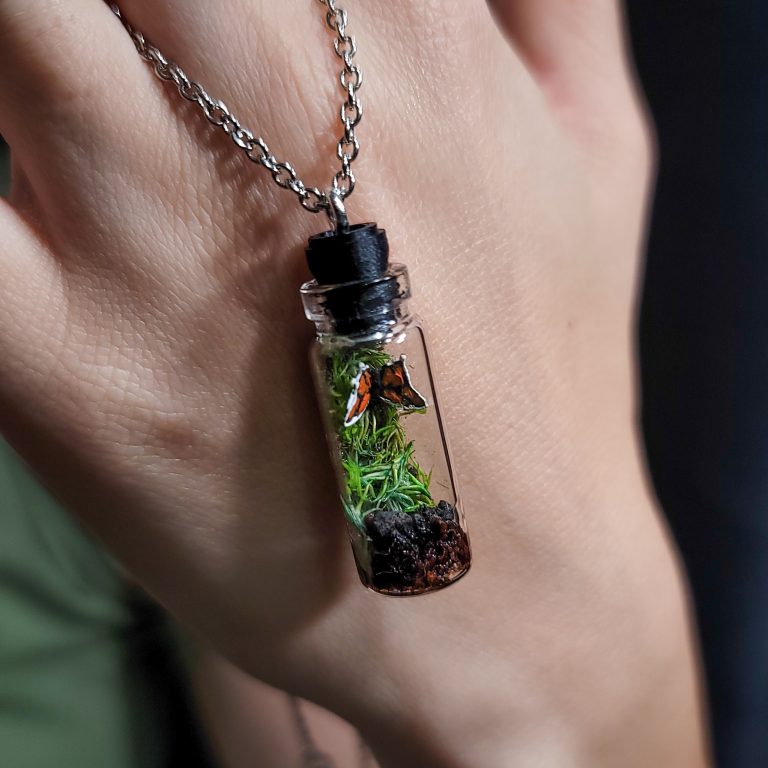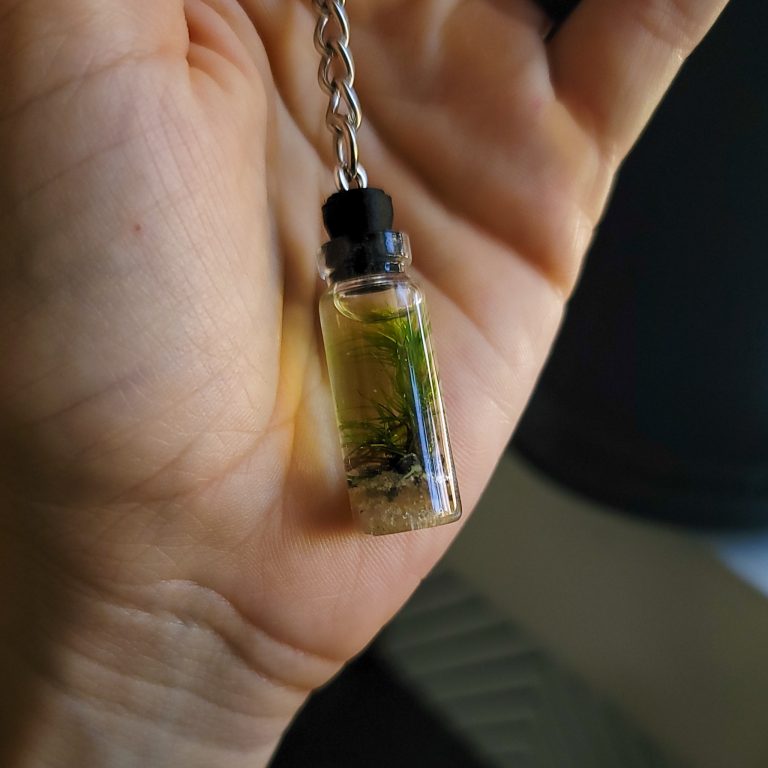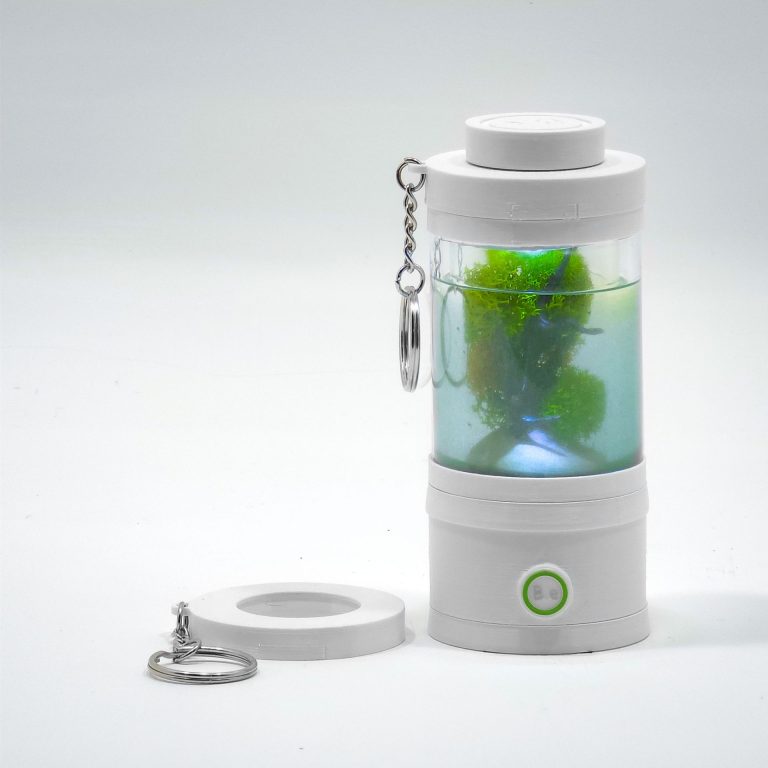
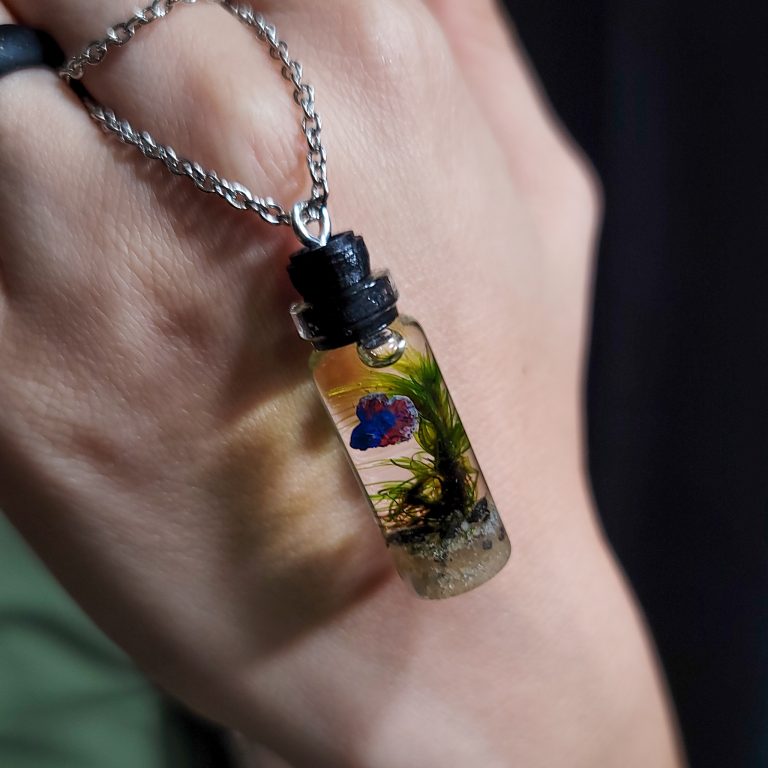
Freshwater Aquarium Necklace Charm
$24.99

Lepisosteus platostomus
Reviewed for accuracy · Last updated Jan 29, 2026, 11:30 PM
A calm but highly predatory ambush hunter, this gar is slow-moving, surface-oriented, and will consume any fish it can swallow.
Freshwater
Moderate
Hard
793 gal (3000 L)
35 in (88 cm)
15–30 years
Piscivore
Resident
Tank mates must be extremely large and robust. Any fish small enough to fit in the mouth will be eaten. Fast, deep-bodied species have the best chance. Even then, risk remains.
Suitable companions are limited to large sturgeons or similar giants. Most community fish are completely inappropriate. Aggressive species may harass the gar. Passive species may be stressed by its presence.
Species-only setups are strongly recommended. Mixing gars together requires immense space. Competition for food must be monitored. Injuries can occur during feeding frenzies.
This fish is best kept as a display predator. Compatibility should never be assumed. Long-term growth must always be considered. Removal of tank mates may become necessary.
Shortnose Gar require extremely large aquariums or indoor ponds. They are riverine predators adapted to slow-moving waters. Long tanks are preferred over tall setups due to body shape. Open swimming space is more important than décor density.
Substrate choice is not critical but should be easy to clean. Minimalist layouts help prevent injury during sudden movements. Strong covers are mandatory as gars can jump. Water flow should be moderate and consistent.
These fish tolerate a wide range of water chemistry. Stability is more important than hitting exact values. Excellent filtration is required due to carnivorous waste output. Regular large water changes are essential.
Lighting can be moderate to low. They often rest motionless near the surface. Stress increases in cramped or cluttered environments. This species is unsuitable for typical home aquariums.
Shortnose Gar are strict piscivores. Their diet consists almost entirely of live or whole fish. They are ambush predators relying on rapid strikes. Feeding behavior is deliberate rather than aggressive.
In captivity, they can be trained onto thawed frozen fish. Silversides and similar prey are commonly used. Live feeding should be minimized to reduce disease risk. Vitamin supplementation may be necessary.
Feeding frequency is relatively low. Adults may only require meals once or twice weekly. Overfeeding can lead to obesity and water quality issues. Observation after feeding is important.
Uneaten prey should be removed promptly. They may refuse food during acclimation. Patience is required when transitioning diets. Consistent feeding routines improve success.
Breeding Shortnose Gar in captivity is extremely rare. In the wild, spawning occurs in spring floods. Rising water levels and temperature are key triggers. Spawning takes place in shallow vegetated areas.
Eggs are adhesive and stick to plants or substrate. They are toxic to predators. No parental care is provided after spawning. Adults leave the area shortly after.
Hatching occurs within days. Larvae attach to surfaces using an adhesive organ. They become free-swimming after absorbing yolk sacs. Growth is relatively rapid.
Replicating these conditions in captivity is impractical. Most successful breeding occurs in managed ponds. Hormonal methods may be used by professionals. This species is not bred by hobbyists.
Some links on this page may earn Fishmetry a commission at no extra cost to you.