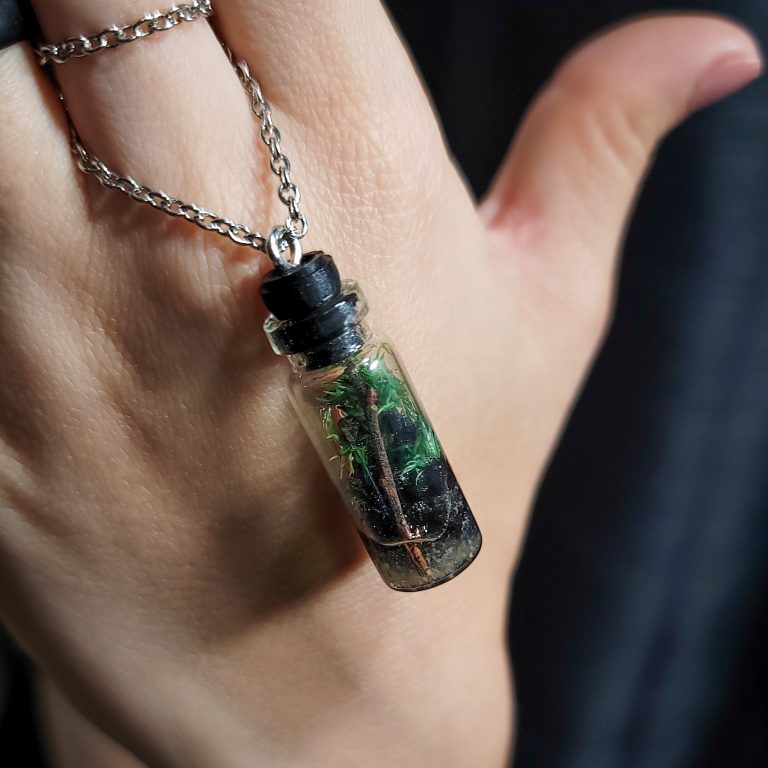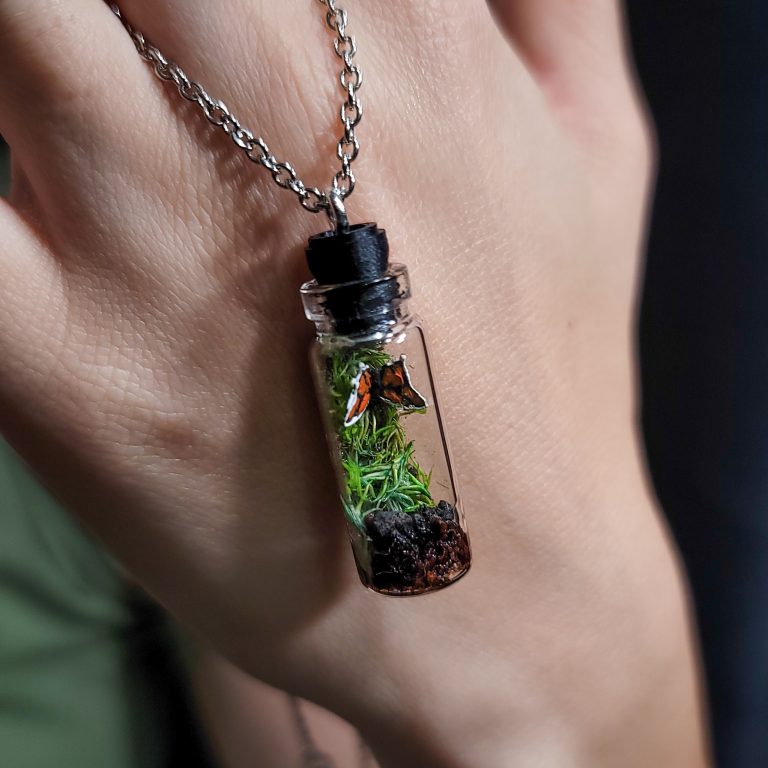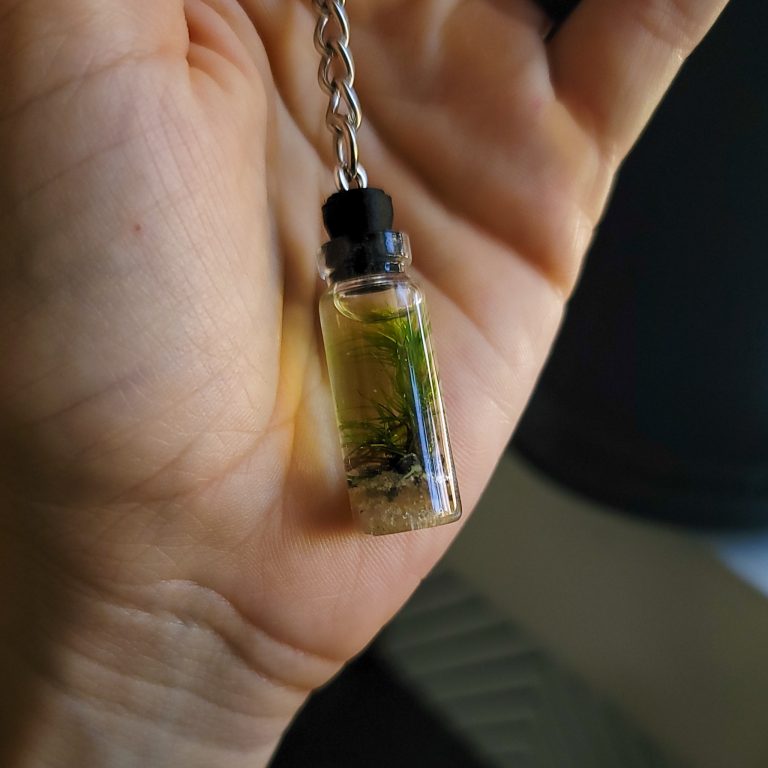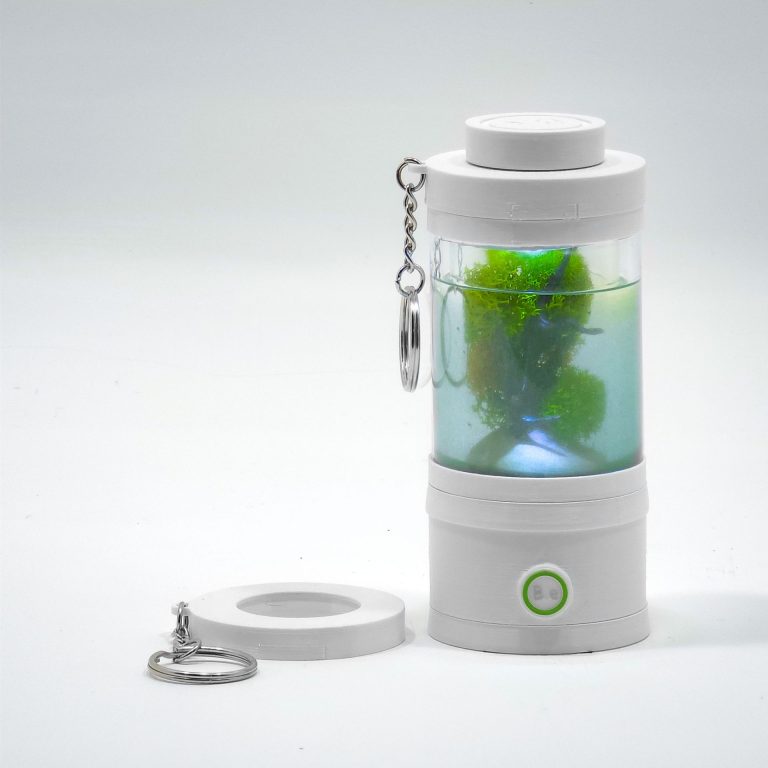
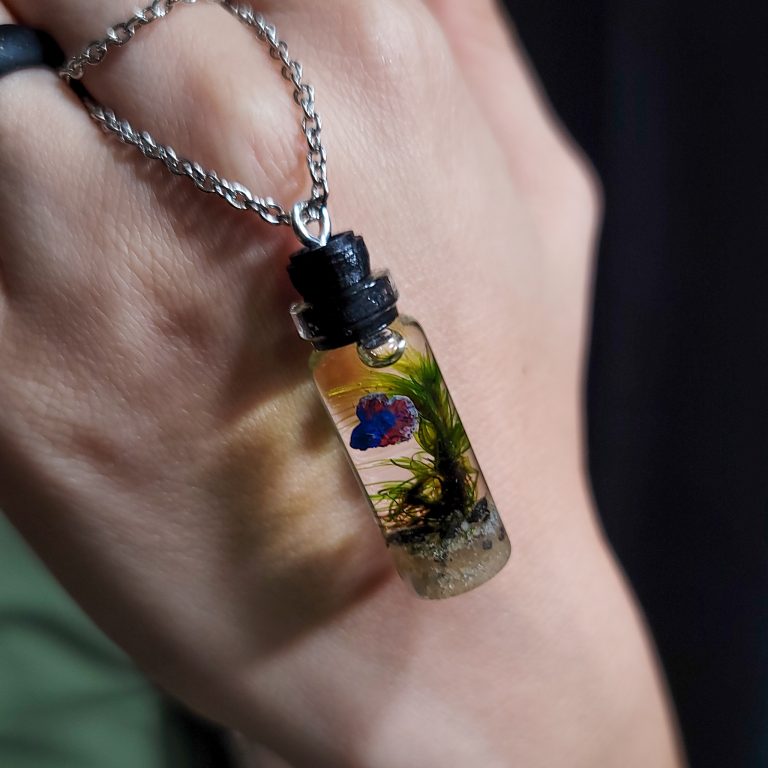
Freshwater Aquarium Necklace Charm
$24.99

Megalamphodus erythrostigma
Reviewed for accuracy · Last updated Jan 7, 2026, 12:26 AM
Calm schooling tetra that displays best coloration in groups, remaining peaceful and slightly shy in well planted aquariums.
Freshwater
Very Peaceful
Easy
26 gal (100 L)
2 in (6 cm)
3–5 years
Omnivore
Resident
Bleeding heart tetras are very peaceful. They mix well with other calm species. Avoid aggressive tank mates. Small rasboras and tetras are ideal.
Corydoras make excellent companions. Dwarf cichlids can work. Tank mates should enjoy similar water. Avoid fin nippers.
Keep them in schools of six or more. Larger groups improve confidence. Stress is reduced in calm tanks. Compatibility is generally high.
Community setups suit them best. Avoid overcrowding. Gentle fish are preferred. Peaceful environments enhance color.
Bleeding heart tetras prefer calm, planted aquariums. They thrive in softly lit environments. Stable water conditions are essential. They react poorly to sudden changes.
Use dark substrate to enhance coloration. Plants provide security and reduce stress. Open areas are still important. Gentle filtration is recommended.
Maintain soft, slightly acidic water. Regular water changes support health. Avoid strong currents. Clean water enhances longevity.
They are schooling fish. Groups reduce shyness. Peaceful surroundings improve behavior. Ideal for community aquariums.
These tetras are omnivorous. They accept flakes and micro pellets. Small frozen foods are appreciated. Diet variety improves coloration.
Offer daphnia and brine shrimp. Feed small portions regularly. Avoid overfeeding. Uneaten food should not accumulate.
They feed mostly midwater. Slow sinking foods work best. Consistent feeding schedules help. Quality foods reduce disease risk.
Juveniles need smaller foods. Adults are easy to maintain. Balanced diet supports breeding. Nutrition influences health.
Breeding bleeding heart tetras is possible. They are egg scatterers. Use a dimly lit breeding tank. Soft acidic water is required.
Condition adults with live foods. Spawning occurs at dawn. Eggs are scattered among plants. Parents must be removed.
Eggs hatch in two days. Fry are very small. Infusoria is needed initially. Gradually increase food size.
Breeding success varies. Clean water is critical. High mortality is common. Patience is required.
Some links on this page may earn Fishmetry a commission at no extra cost to you.