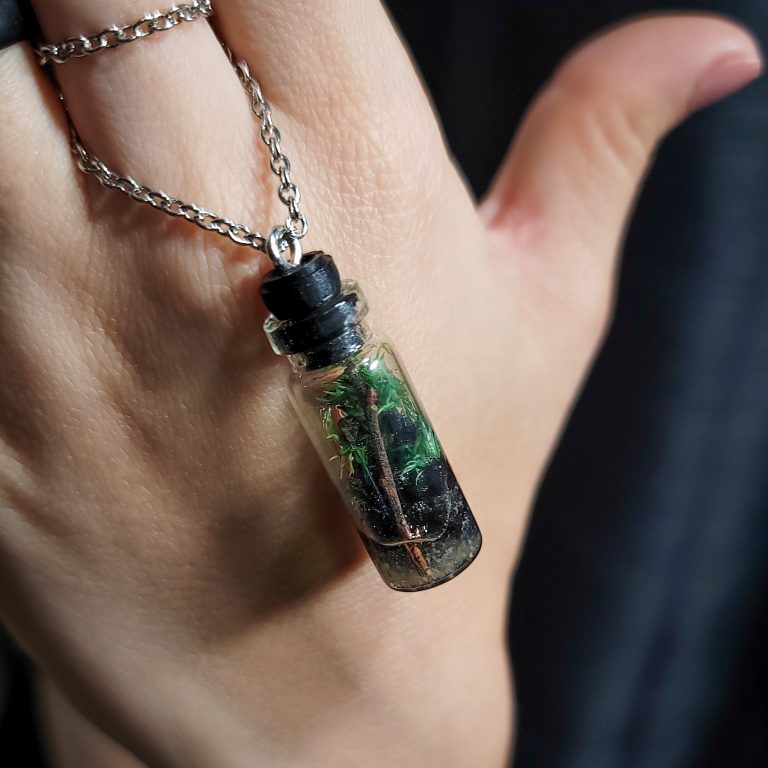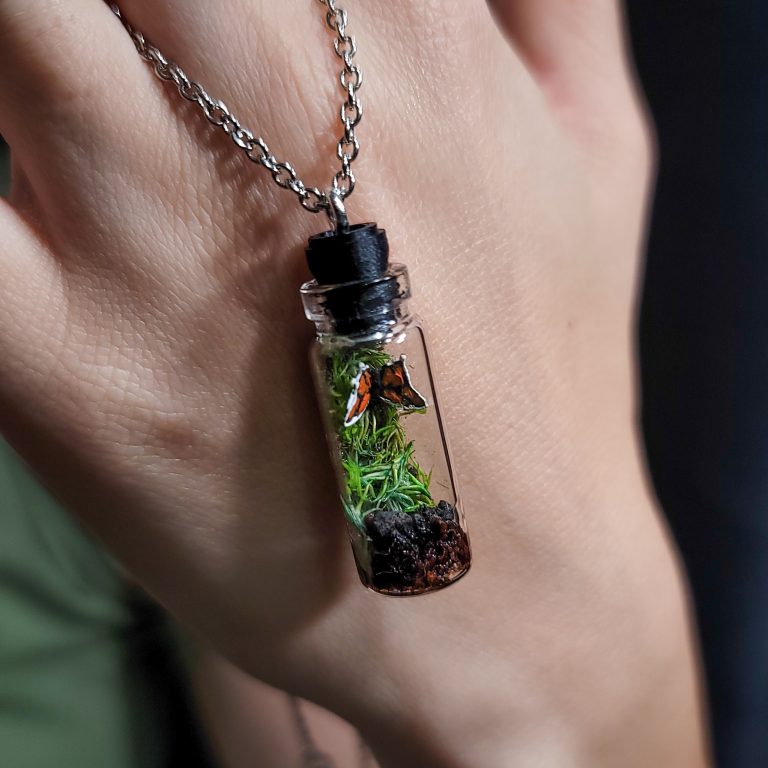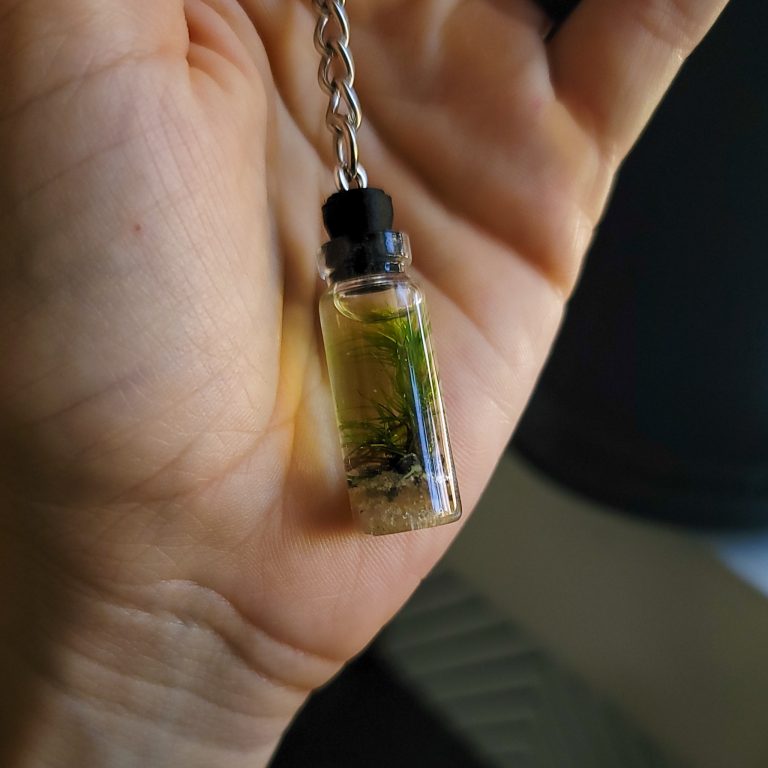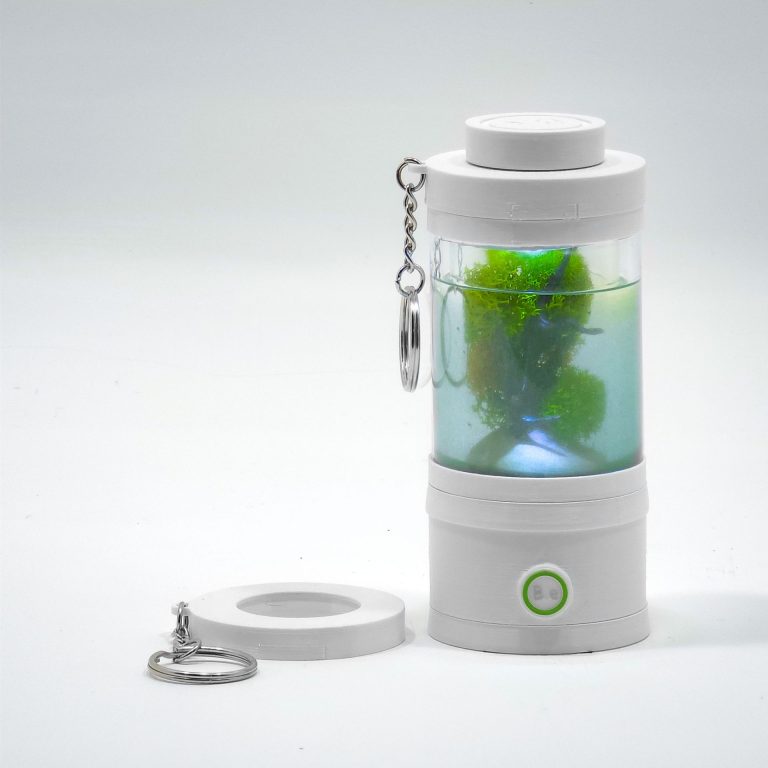
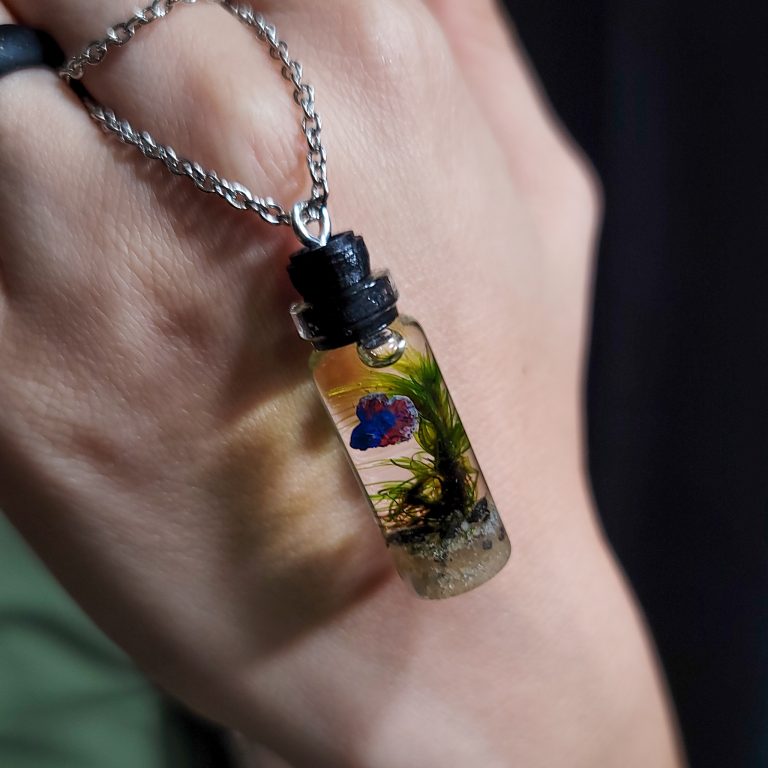
Freshwater Aquarium Necklace Charm
$24.99
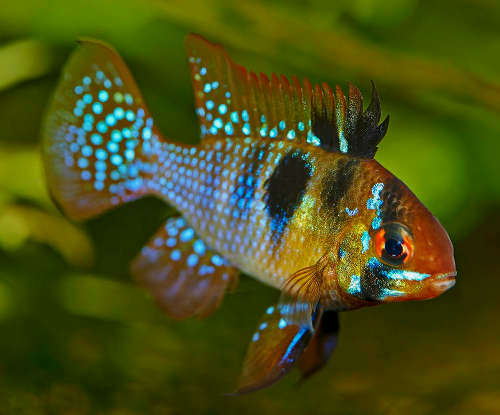
Mikrogeophagus ramirezi
Reviewed for accuracy · Last updated Dec 20, 2025, 5:16 PM
Peaceful dwarf cichlid, territorial during breeding but generally calm; prefers planted tanks with soft water.
Freshwater
Moderate
Medium
16 gal (60 L)
3 in (6.5 cm)
2–5 years
Omnivore
Resident
Ram cichlids are generally peaceful and suit well with other small, non-aggressive fish sharing soft water needs. Good companions include small tetras, dwarf corydoras, peaceful rasboras, and small peaceful gouramis. Avoid large or aggressive cichlids and fast, boisterous species that may intimidate or harass rams. Provide structured territories and hiding spots to reduce conflicts and give pairs secure nesting locations.
Match water chemistry carefully when selecting tank mates; rams prefer softer, more acidic conditions than many community fish. Introduce tank mates gradually and monitor behavior to detect early signs of stress or aggression. Quarantine additions to protect delicate rams from disease exposure and allow slow acclimation to tank conditions. Maintain ample plant cover and gentle flow to mimic natural environments and support peaceful cohabitation.
Feed strategically to ensure peaceful tank mates do not outcompete rams for food; distribute feed across the tank. Observe interactions during breeding phases as rams become territorial and may require protected breeding spaces. Adjust tank stocking and structure as pairs form to reduce competition and maintain compatibility in the long term.
Ram cichlids prefer warm, soft, slightly acidic water and a planted aquarium with gentle flow. Provide fine substrate, plenty of hiding spots, and territories formed by rocks or plant groupings for pairs. Keep water temperatures between 26–30°C and maintain pristine water quality with regular small changes. Use gentle filtration and avoid strong currents which can stress these dwarf cichlids and disrupt breeding.
Aim for pH 5.0–7.0 and soft water conditions to mimic their native lowland Amazonian habitats. Provide floating plants or dimmed lighting to make them feel secure and to simulate shaded riverbank environments. Quarantine new stock and acclimate slowly to soft water conditions to prevent osmotic stress and shock. Avoid keeping with highly aggressive or overly large tank mates that may harass or outcompete rams.
A well-maintained planted tank with stable conditions encourages natural behavior and successful pairing. Monitor for common cichlid diseases and maintain a low-stress environment to promote longevity and coloration. Maintain consistent feeding and water quality to support conditioning for spawning and fry-rearing phases.
Rams are omnivores and accept pellets, flakes, and a variety of frozen and live protein foods. Offer high-quality micro-pellets or sinking granules formulated for small cichlids as a staple diet. Supplement with frozen bloodworms, brine shrimp, and daphnia to support color and reproductive condition. Include some vegetable matter and spirulina-based feeds occasionally for balanced nutrition.
Feed small amounts 1–2 times daily; rams are opportunistic feeders but benefit from consistent quality nutrition. Condition breeding pairs with higher protein foods for several weeks before attempting to spawn. Provide finely crushed foods for juveniles and increased frequency of small meals for young growth. Rotate feed types to avoid nutritional gaps and support immune function and coloration. Monitor appetite and health cues; rams under stress often reduce feeding and show color dulling.
Ram cichlids form monogamous pairs and display biparental care of eggs and fry in home aquaria. Condition pairs with high-quality protein feeds and provide a flat rock or broad leaf as a spawning site. Both parents guard and fan eggs until hatching, and then tend fry until they are free-swimming and independent. Raise fry on infusoria and newly hatched brine shrimp, progressing to finely crushed flake as they grow.
Maintain very stable water conditions during breeding; rams are sensitive to parameter swings which reduce success. Provide a quiet environment and sufficient territory so both parents can fulfill guarding duties effectively. If parents show aggression or fail to care for fry, consider rearing fry separately in a dedicated grow-out tank. Record parent pairs and outcomes to select compatible breeding pairs and improve future spawning success.
Practice patience—pair formation and successful brood rearing require optimal water quality and nutrition. Avoid excessive disturbance and feed the parents well to sustain vigorous parental care over the rearing period. Successful captive breeding yields rewarding parental behaviours and hardy fry when conditions are carefully managed.
Some links on this page may earn Fishmetry a commission at no extra cost to you.