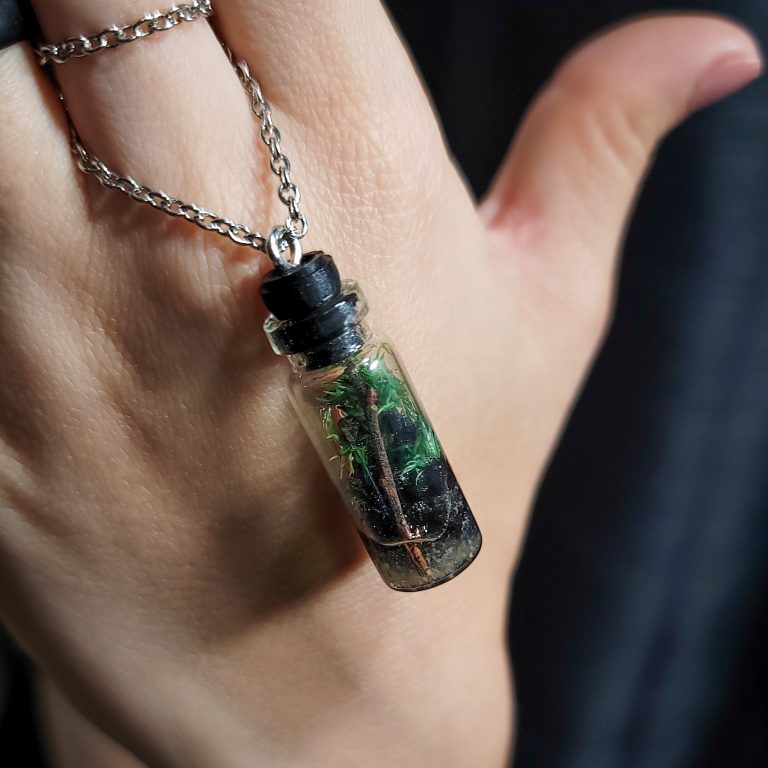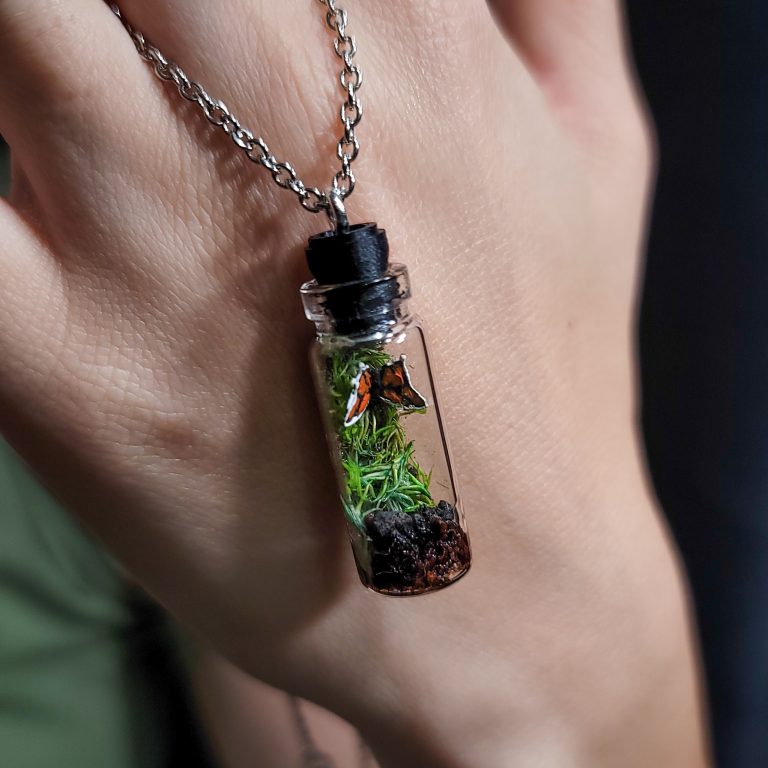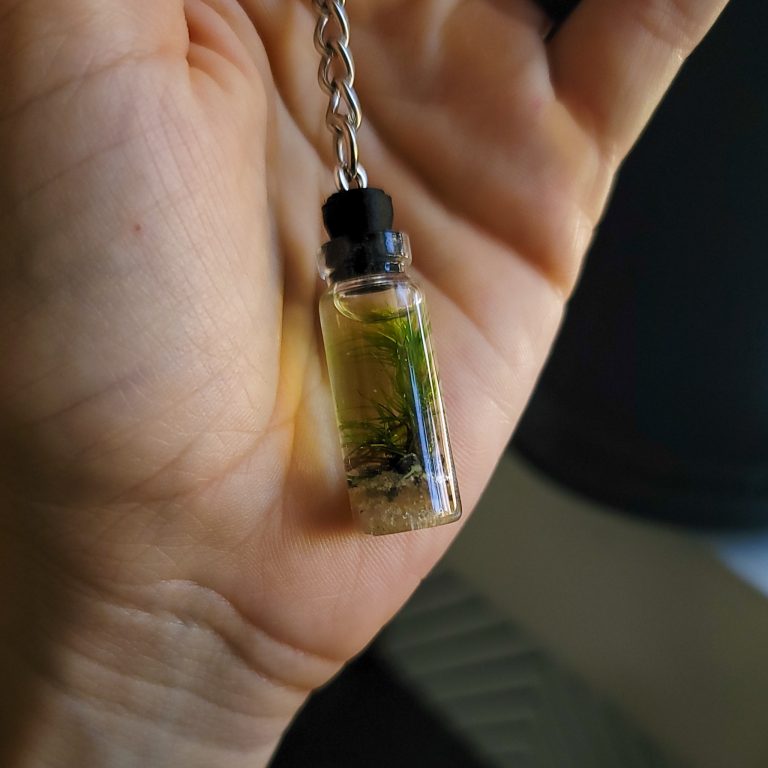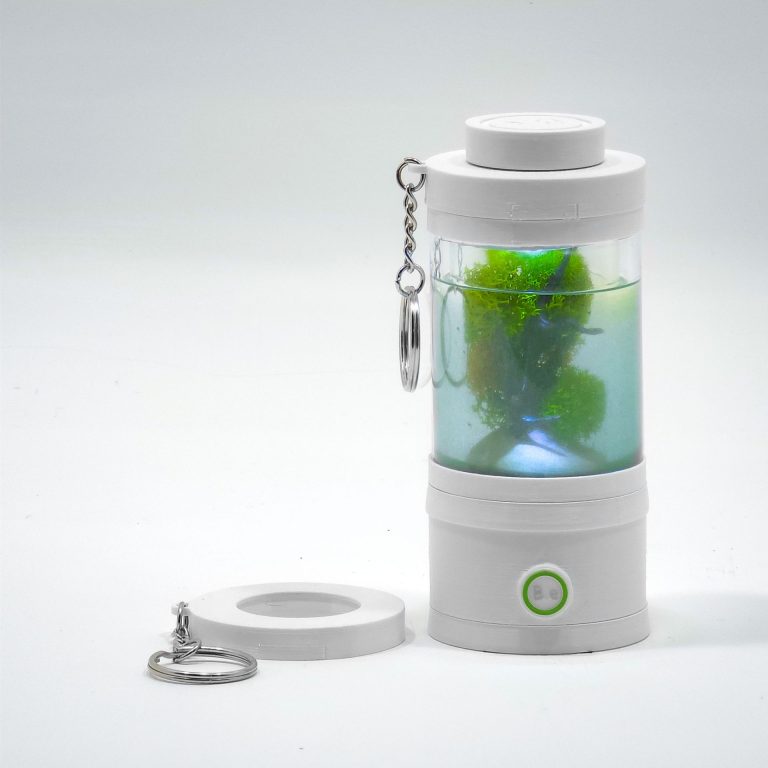
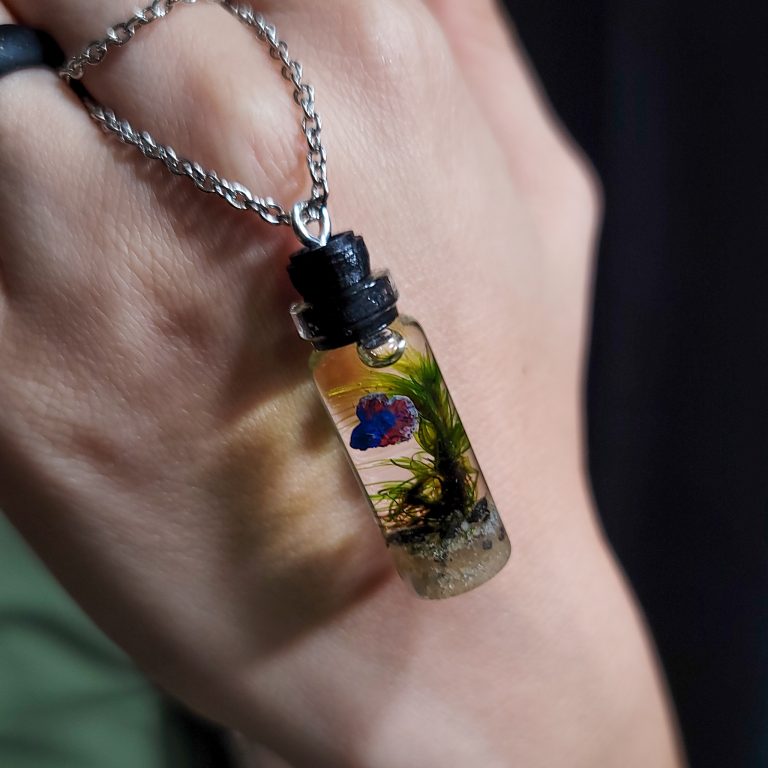
Freshwater Aquarium Necklace Charm
$24.99

Monocirrhus polyacanthus
Reviewed for accuracy · Last updated Jan 20, 2026, 2:10 AM
Ambush predator that mimics drifting leaves, remaining motionless for long periods before striking unsuspecting prey.
Freshwater
Moderate
Hard
40 gal (150 L)
4 in (10 cm)
5–8 years
Piscivore
Resident
Tank mate selection for the Amazon Leaf Fish is extremely limited due to its predatory nature. Any fish small enough to fit into its mouth will eventually be consumed, regardless of prior coexistence. Suitable tank mates are typically larger, calm species that occupy different water levels and do not harass the Leaf Fish.
In practice, many aquarists choose species-only setups to avoid losses and stress. If tank mates are attempted, they should be robust, slow-moving fish that exceed the Leaf Fish’s mouth size by a significant margin. Fast, aggressive, or highly active species are inappropriate and cause chronic stress.
Bottom dwellers are generally ignored if sufficiently large, but competition for food can be problematic. During feeding, Leaf Fish are slow to react compared to active species, often resulting in starvation if competition is present.
Due to these constraints, this species is best kept alone or with very carefully selected companions in large, well-structured aquariums.
The Amazon Leaf Fish is a highly specialized ambush predator that requires a carefully designed aquarium to thrive. Although relatively small, it demands a mature, stable system with excellent water quality. A minimum tank size of 150 liters is recommended, with emphasis on horizontal space and environmental complexity rather than height.
The aquarium should closely resemble a blackwater or slow-moving Amazonian environment. Soft, acidic water is essential, and the use of driftwood, leaf litter, and botanicals helps maintain appropriate conditions. Subdued lighting is critical, as bright environments cause stress and suppress natural camouflage behavior. Floating plants are highly beneficial for diffusing light and creating shaded areas.
Filtration should be gentle but effective. Strong currents disrupt the fish’s hunting strategy and increase energy expenditure. Water changes must be frequent but carefully matched in temperature and chemistry, as this species reacts poorly to sudden changes.
Because of its cryptic appearance and sedentary nature, health issues may go unnoticed without close observation. A stable, low-stress environment is the foundation of successful long-term care for this unique species.
The Amazon Leaf Fish is a strict piscivore in nature, feeding almost exclusively on live fish. This makes feeding one of the most challenging aspects of its care. Newly acquired individuals often refuse all prepared foods and require live feeder fish initially.
Over time, some specimens can be trained to accept frozen alternatives such as silversides, lancefish, or chunks of fish flesh. This process requires patience and consistency and is not always successful. Live foods should be sourced responsibly to avoid introducing disease.
Feeding frequency is low compared to active species. One or two substantial meals per week are sufficient for adults. Overfeeding leads to obesity and water quality deterioration. Observing body condition is essential, as these fish naturally maintain a lean profile.
Because of their feeding specialization, this species is recommended only for experienced aquarists who can meet its dietary needs reliably and ethically.
Breeding Amazon Leaf Fish in captivity is rare but has been documented by advanced aquarists. Spawning typically occurs in well-established aquariums with soft, acidic water and abundant cover. Courtship behavior is subtle and easy to miss due to the fish’s cryptic nature.
Eggs are laid on vertical surfaces such as plant stems or driftwood and are guarded by one or both parents. The eggs hatch within several days, and the larvae remain attached to surfaces until they become free-swimming.
Raising fry is extremely challenging, as they require live micro-prey almost immediately. Suitable foods include tiny live fish fry or specialized live foods. Mortality rates are high without meticulous care.
Due to the difficulty of both spawning and rearing, nearly all Amazon Leaf Fish in the trade are wild-caught. Breeding attempts should only be undertaken by aquarists with significant experience and resources.
Some links on this page may earn Fishmetry a commission at no extra cost to you.