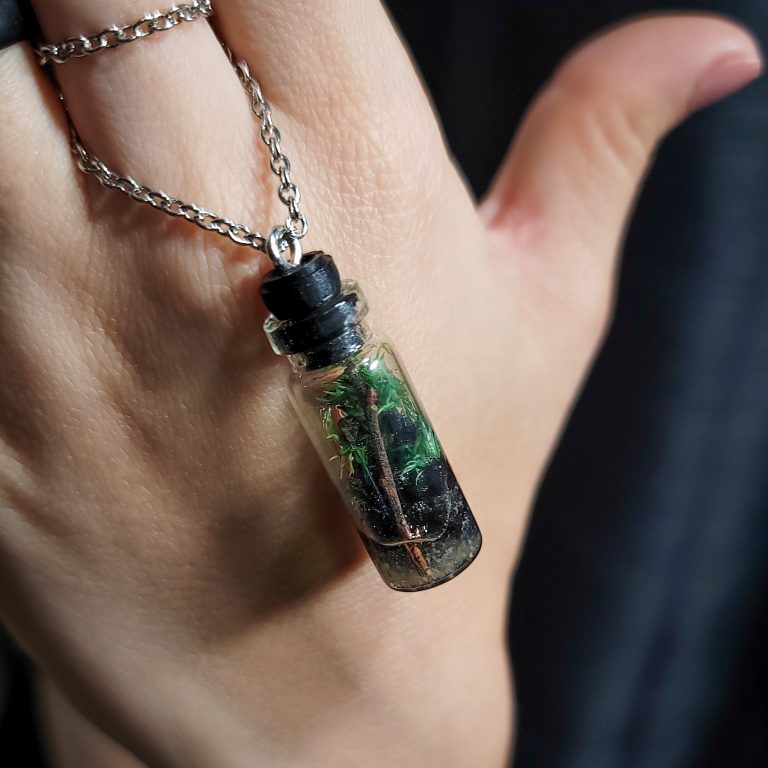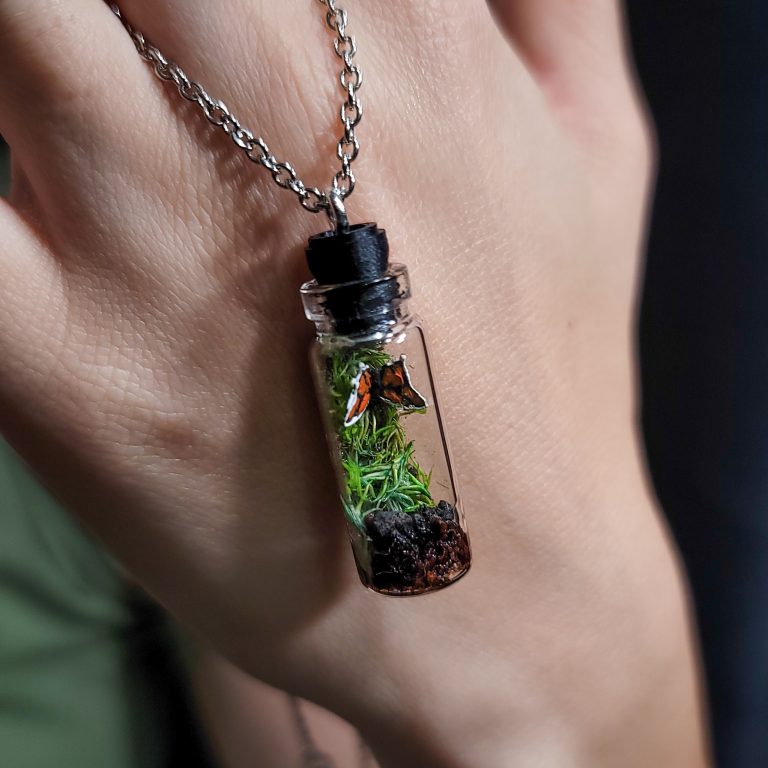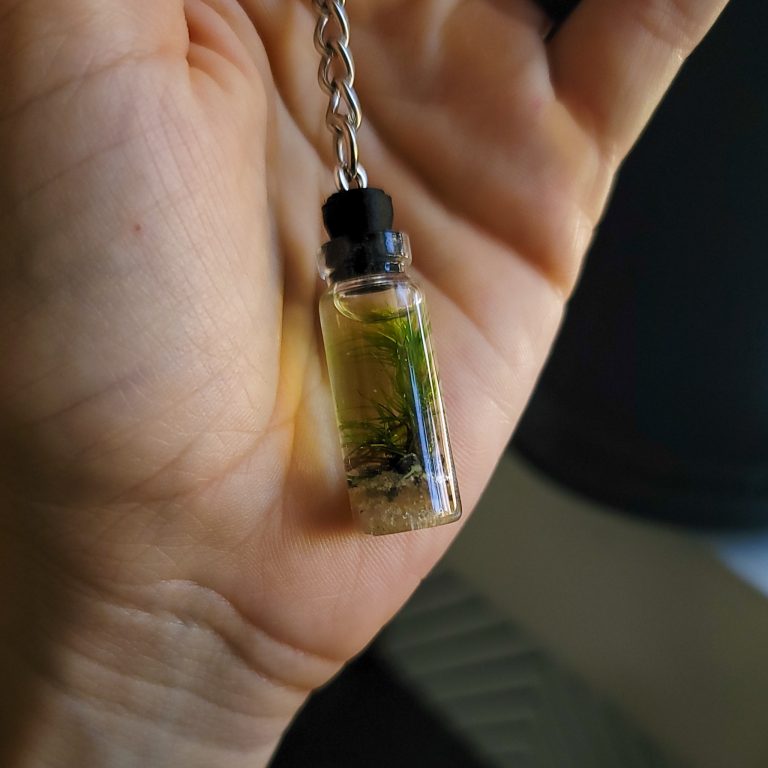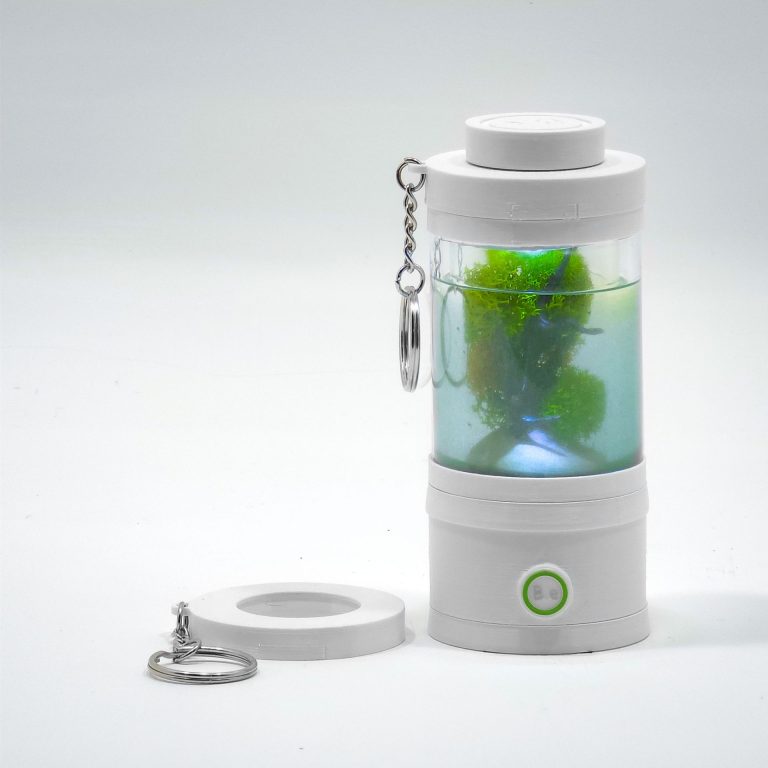
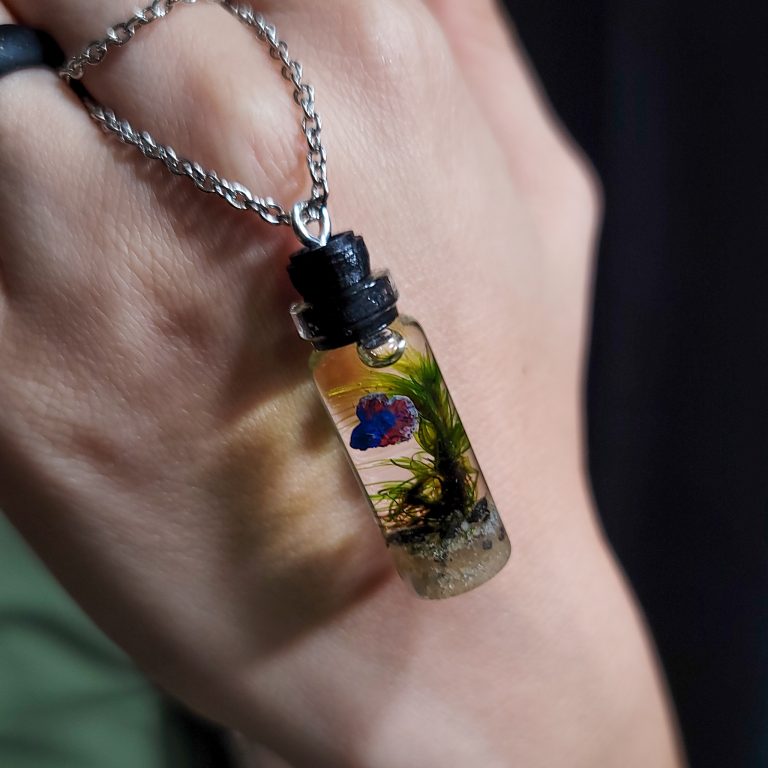
Freshwater Aquarium Necklace Charm
$24.99
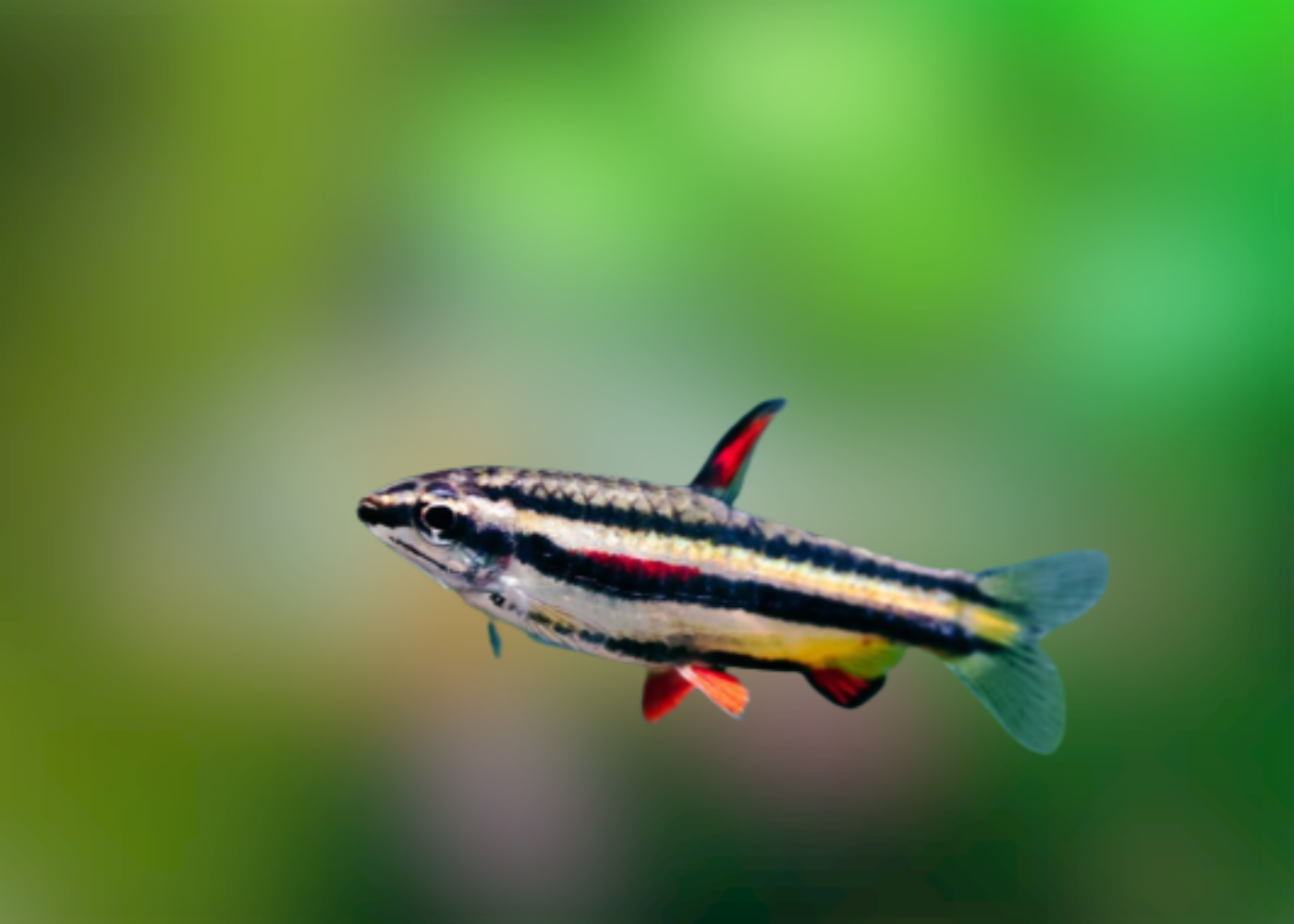
Nannostomus eques
Reviewed for accuracy · Last updated Dec 20, 2025, 5:16 PM
Calm, surface-oriented small fish with a distinctive horizontal posture; prefers planted tanks and soft water.
Freshwater
Peaceful
Easy
8 gal (30 L)
2 in (4.5 cm)
3–5 years
Omnivore
Resident
Dwarf pencilfish do well with peaceful small species that tolerate soft, acidic water conditions. Suitable companions include small tetras, rasboras, dwarf corydoras, and other small peaceful community fish. Avoid large or aggressive tank mates that can stress or outcompete them for surface food resources. Provide dense planting and floating cover to allow timid pencilfish to hide and to encourage natural behaviour.
Keep pencilfish in adequate-sized groups to maintain schooling and reduce stress in the community setting. Quarantine new additions and acclimate them slowly to preserve the shoal's cohesion and reduce disease risk. Match water chemistry across species to minimize long-term stress and compatibility problems. Observe interactions during feeding to ensure all species receive adequate nutrition and adjust feeding as needed.
Plan community composition thoughtfully, focusing on harmony and shared water parameter preferences. Monitor long-term health indicators and be ready to isolate or rehome incompatible species for welfare reasons.
Dwarf pencilfish appreciate well-planted tanks with subdued lighting and floating plants for shade. Maintain soft, slightly acidic water and provide gentle filtration to avoid disturbing their surface orientation. Keep them in groups to encourage natural schooling and reduce stress; a minimum group of six is recommended. Perform regular small water changes to keep water clean and stable for these small, sensitive fish.
Aim for temperatures of 22–28°C and avoid excessive bright light which can distress surface-oriented species. Provide long open swimming lanes at the surface level and densely planted margins for hiding and spawning. Quarantine new additions carefully and acclimate slowly to maintain shoal cohesion and prevent disease. Use a dark substrate and floating plants to replicate their preferred microhabitat and encourage natural colours.
Avoid aggressive or very active tank mates that disrupt their calm swimming and feeding behaviour. Feed small floating and slow-sinking foods to match their surface and mid-water feeding style. Observe the group for cohesion and adjust stocking if individuals appear isolated or stressed. Long-term success comes from consistent water conditions, gentle husbandry, and balanced community choices.
Dwarf pencilfish are omnivores and accept small flakes, micro-pellets, and live or frozen micro-foods. Feed finely crushed flake or micro-pellets as a staple and supplement with daphnia and microworms occasionally. Offer small feedings once or twice daily and ensure particles are small enough for their diminutive mouths. Rotate food types to provide a balanced nutritional profile including plant-based micro-nutrients.
Condition breeding pairs with live foods to trigger spawning behaviour and improve egg viability. Provide powdered foods for newly hatched fry and progress to fine crushed flake as they grow. Store dry foods properly and use fresh frozen products to maximize nutrient retention. Observe feeding to ensure shy individuals access food, and spread feed across multiple surface points.
Avoid large particles or fast-moving feeders that can outcompete pencilfish at feeding times. A varied diet combined with clean water helps maintain coloration and supports reproductive health.
Dwarf pencilfish are egg scatterers that often deposit eggs among fine plants or on submerged surfaces. Set up a spawning tank with fine-leaved plants or spawning mops and condition potential spawners with live foods. Collect eggs or move adults after spawning to protect eggs from being eaten; eggs hatch in a few days depending on temperature. Feed fry infusoria and micro-foods initially, progressing to powdered flake and microworms as they grow larger.
Maintain pristine water during rearing with gentle filtration and frequent small changes to support sensitive fry. Raise multiple clutches to gain experience with feeding schedules and water management for optimal survival. Document water parameters and feeding regimes that resulted in success to replicate in future breeding attempts. Patience and careful, consistent husbandry are essential to raise healthy pencilfish juveniles to maturity.
Some links on this page may earn Fishmetry a commission at no extra cost to you.