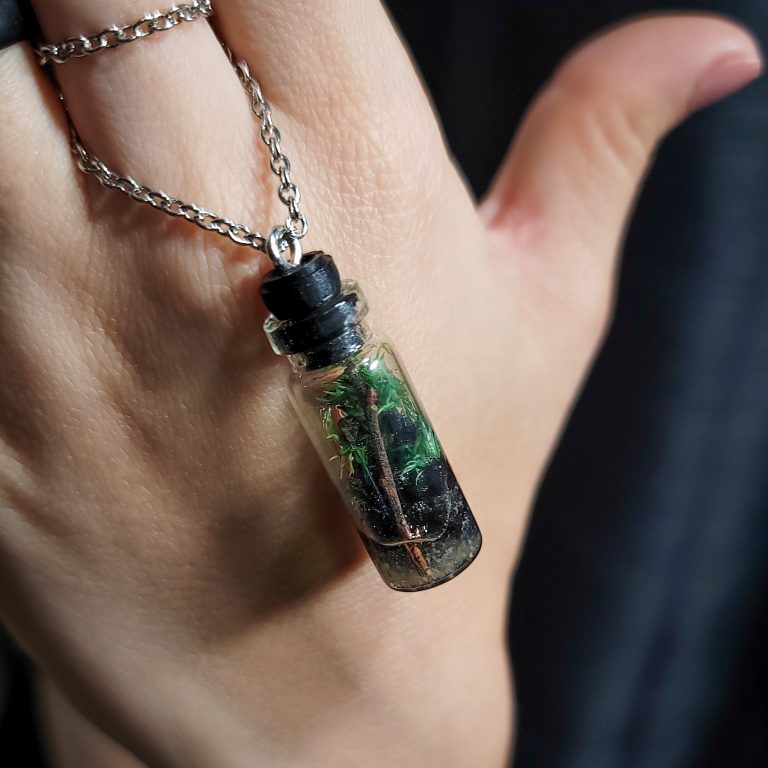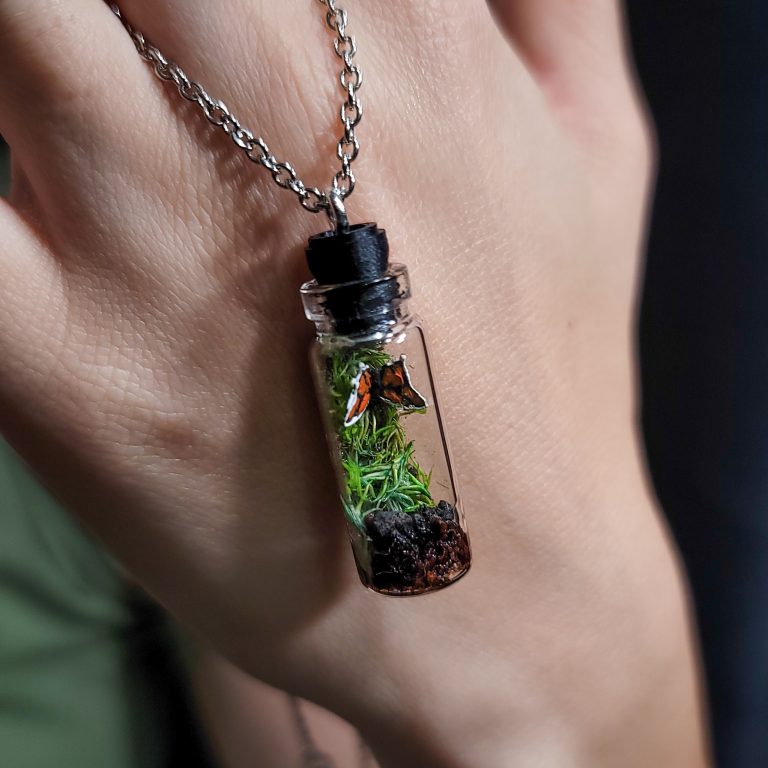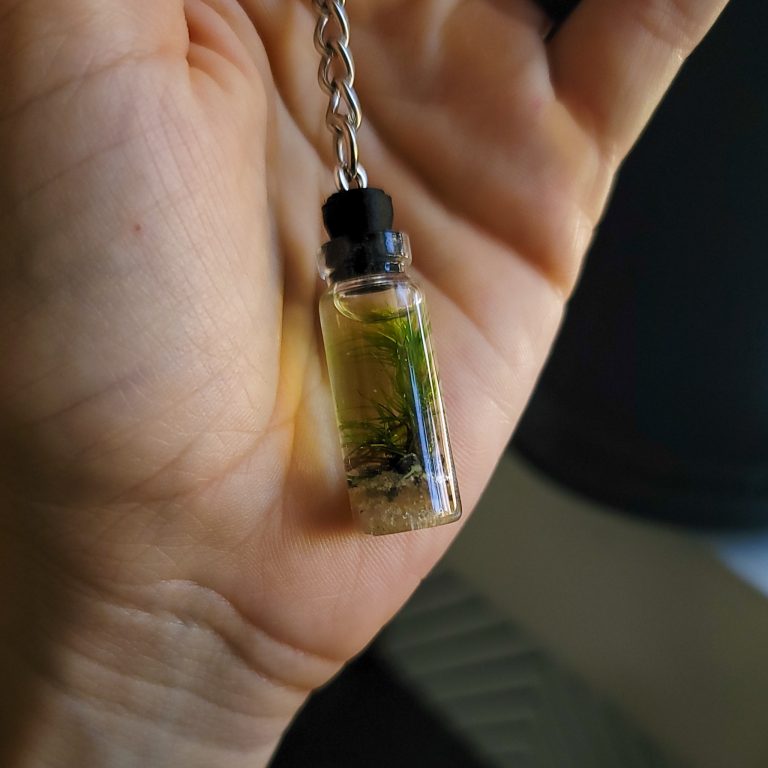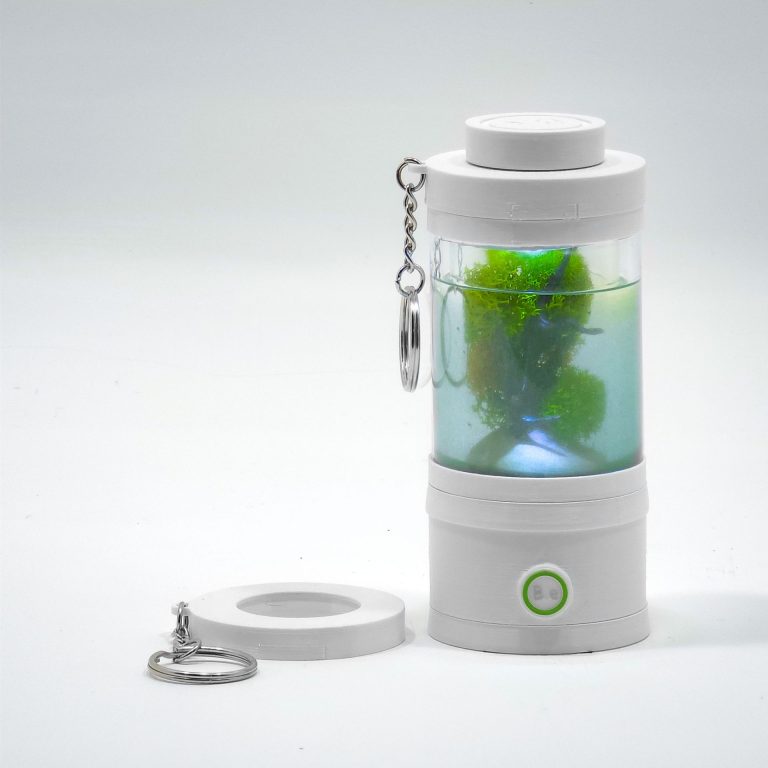
Freshwater Aquarium Necklace Charm
$24.99
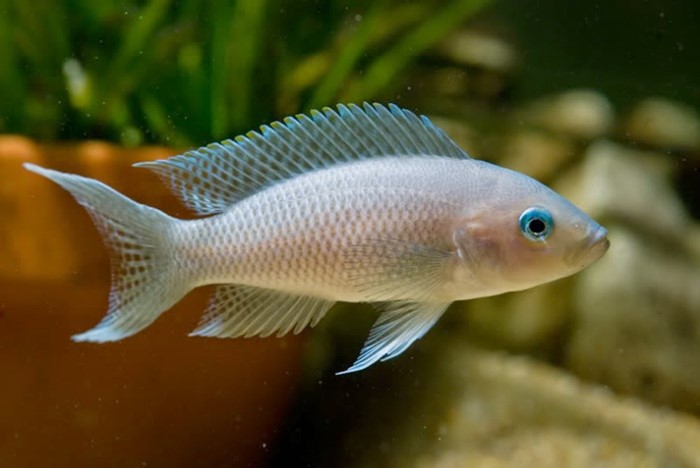
Neolamprologus brichardi
Reviewed for accuracy · Last updated Dec 20, 2025, 5:16 PM
Social rock-dwelling shell and cave breeder from Lake Tanganyika; forms complex social hierarchies and territories.
Freshwater
Moderate
Medium
32 gal (120 L)
5 in (12 cm)
6–10 years
Omnivore
Resident
Neolamprologus brichardi are best kept with other Lake Tanganyika species or tolerant tank mates that share water needs. Compatible companions include other Tanganyikan cichlids and certain hardy catfish that tolerate hard alkaline water. Avoid mixing with soft-water species or very aggressive central African cichlids that will disrupt social structures. Provide many caves and territories to reduce direct conflict and enable complex social behaviours to form.
Keep family groups or colonies with monitored sex ratios to allow natural social bonding and reduce stress. Quarantine and acclimate new fish to the high hardness and pH to prevent disease and acclimation shock. Monitor tank dynamics closely and be prepared to separate overly aggressive individuals or restructure territories. Long-term stability is achieved by consistent water chemistry, ample space, and thoughtful stocking choices.
Feed in multiple areas to ensure subordinate fish receive food and to reduce competition at feeding time. Careful planning and attentive observation maintain both compatibility and the rich social interactions these cichlids display. Record successful community configurations and water parameters to replicate stable environments in the future.
Neolamprologus brichardi require hard, alkaline water and rocky habitats to thrive and display natural behaviours. Provide plenty of rockwork, caves, and ledges to establish territories and nesting sites within the aquarium. Maintain stable parameters with pH around 7.8–9.0 and moderate to high hardness reflective of Lake Tanganyika. Use wide aquaria with horizontal room and complex rock structures to accommodate social hierarchies and territory.
Keep them in groups that allow natural social structures; they form bonded pairs and extended family groups. Avoid soft-water or acidic setups; Tanganyikan cichlids rely on mineral-rich, alkaline water for optimal health. Quarantine new fish and acclimate slowly to high hardness and alkalinity to reduce shock and losses. Monitor for aggression and provide escape routes and multiple territories to reduce chronic conflicts.
Regular water changes and strong biological filtration are essential to maintain high water quality in cichlid setups. Be mindful of the species’ territorial needs and avoid overstocking which intensifies disputes and stress. Decorate with sand or fine gravel and secure rock formations to prevent collapse during territorial displays. Long-term success requires careful parameter management and attentive observation of social dynamics.
Brichardi cichlids are omnivores and accept a mixture of high-quality pellets, flakes, and frozen foods. Feed cichlid pellets as a staple and supplement with mysis shrimp, brine shrimp, and vegetable matter occasionally. Offer varied feeds and monitor for signs of dietary deficiency; rotate foods to supply a broad nutrient profile. Feed small amounts 1–2 times daily and remove excess food promptly to keep water parameters stable.
Condition breeding groups with higher-quality protein feeds to encourage spawning and support fry development. Provide vegetable supplements like spirulina or blanched greens to maintain digestive health and coloration. Avoid overfeeding and maintain a schedule to prevent excess nutrient build-up in the system. Observe appetite and body condition to ensure all members of the social group receive adequate nutrition.
Provide feeding enrichment by varying food type and presentation to stimulate natural foraging behaviour. Use sinking and slowly sinking pellets to reach both mid-water and substrate-feeding individuals. Proper nutrition combined with stable alkaline water supports breeding success and long-term colony health.
Neolamprologus brichardi are substrate and cave spawners exhibiting biparental care and complex social breeding. Provide caves or shells for pairs to use as nesting sites and maintain stable alkaline water for egg viability. Condition breeding pairs with nutritious feeds and provide a secure area free from disturbances for spawning. Both parents guard and care for eggs and fry; extended family members may assist in colony setups.
Eggs hatch in a few days and fry are guarded until free-swimming; parents and helpers protect juveniles diligently. Raise fry on fine powdered foods and newly hatched brine shrimp as they transition from parental care. Monitor water quality closely during rearing and remove excess food to keep the environment pristine. Document breeding pairs and colony outcomes to select for compatible lines and improve future success.
Be mindful that social complexity can require more space than simple pair breeding—plan tanks accordingly. Successful breeding yields fascinating family dynamics and can be highly rewarding for careful cichlid keepers.
Some links on this page may earn Fishmetry a commission at no extra cost to you.