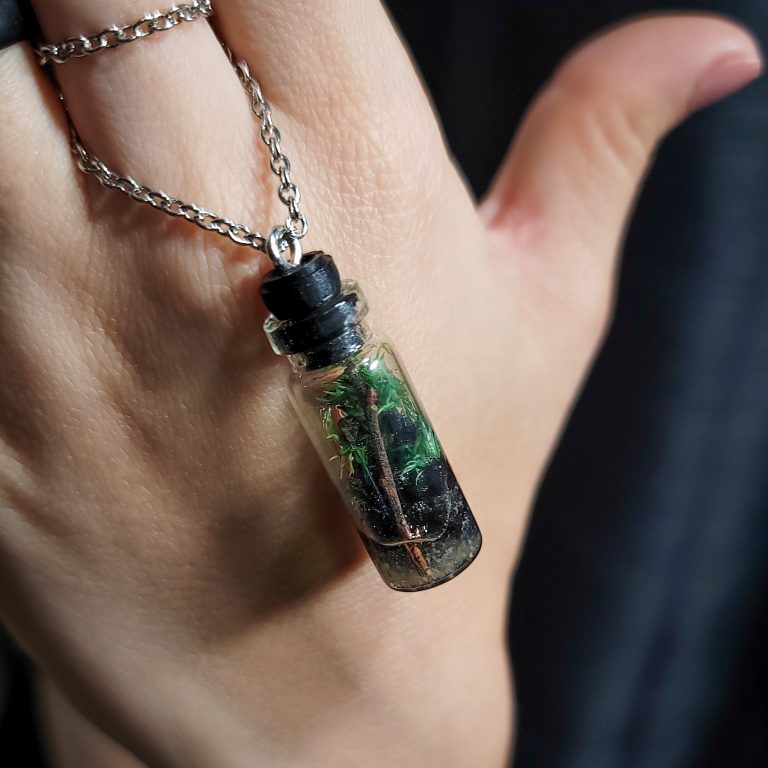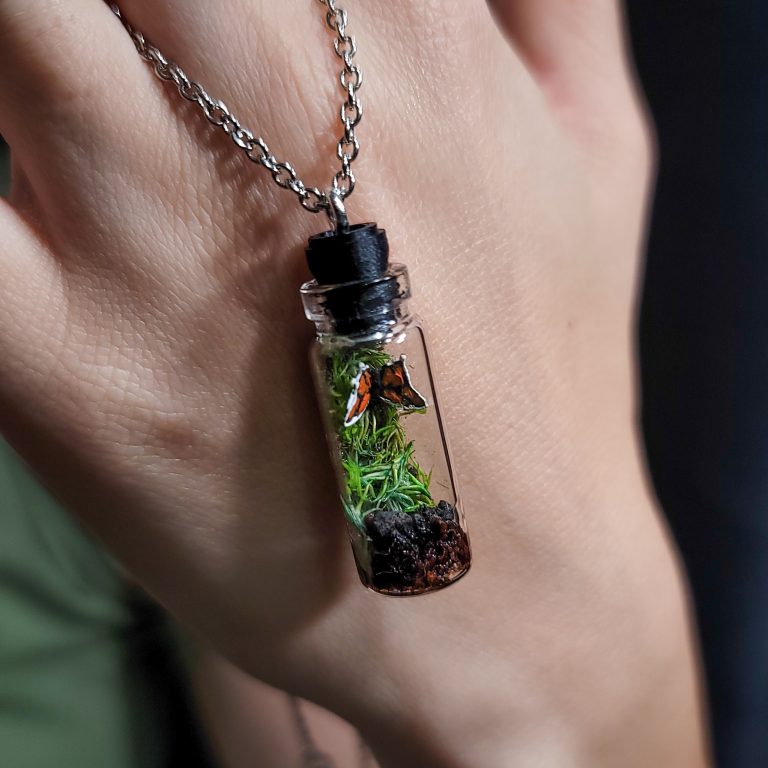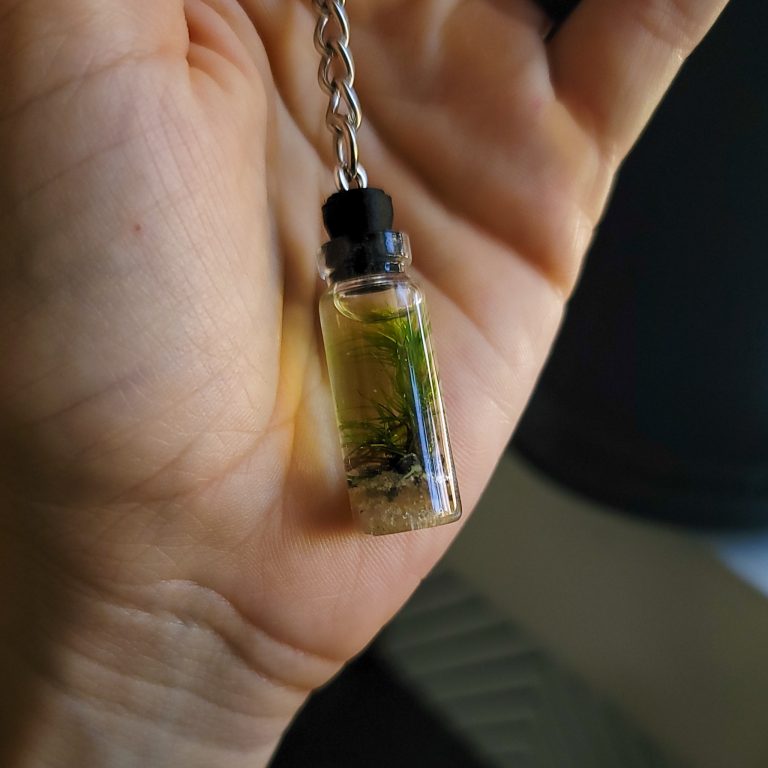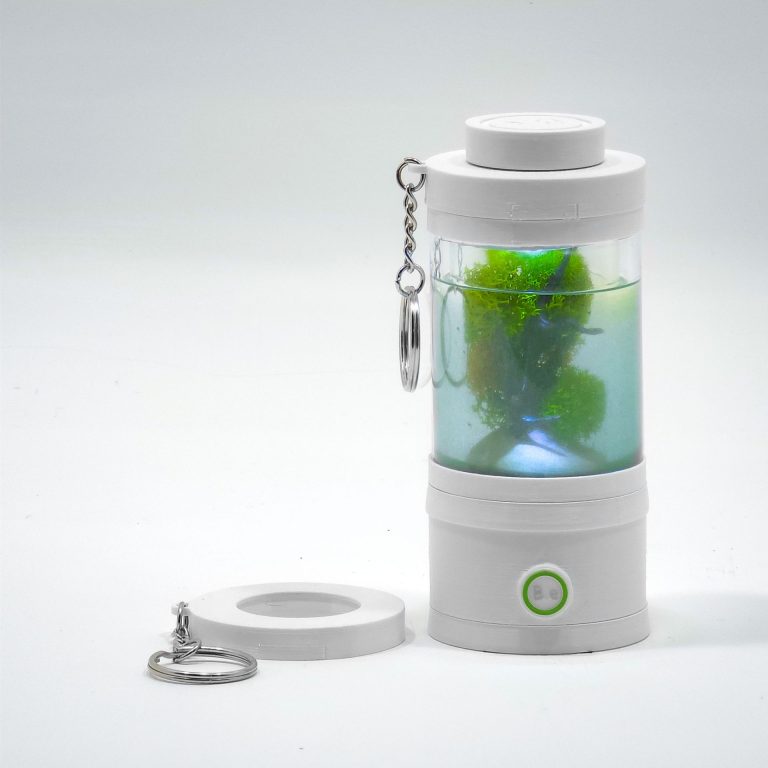
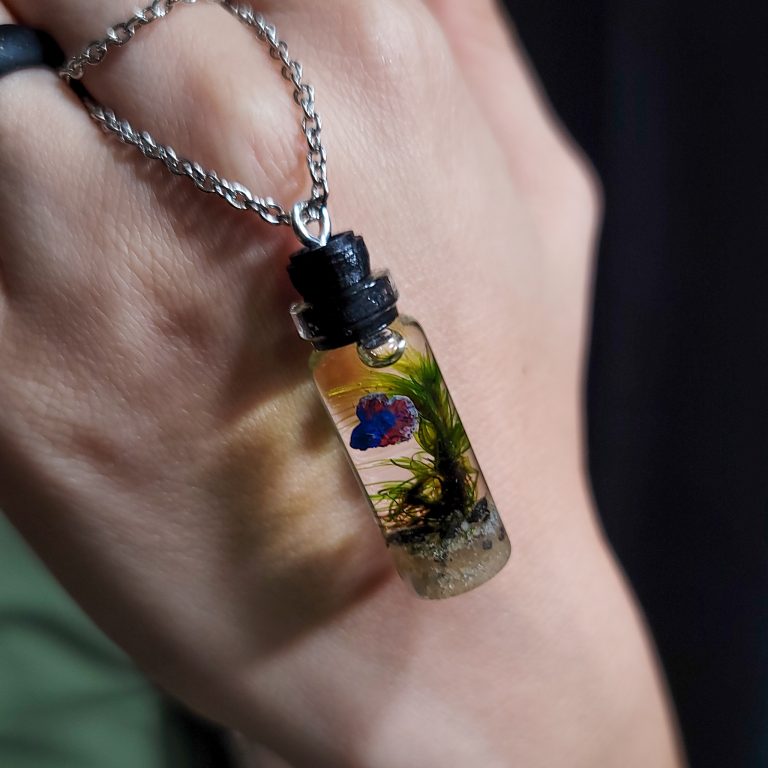
Freshwater Aquarium Necklace Charm
$24.99

Oreochromis niloticus
Reviewed for accuracy · Last updated Dec 30, 2025, 11:05 PM
Nile Tilapia are hardy, adaptable, and moderately peaceful fish suitable for community setups in aquariums.
Freshwater
Moderate
Easy
251 gal (950 L)
16 in (40 cm)
5–10 years
Omnivore
Resident
Nile Tilapia can coexist with other robust, medium-sized fish. Avoid small, delicate species that may become stressed or eaten. Suitable tank mates include large cichlids, catfish, and gouramis. Monitor interactions to ensure peaceful coexistence. Aggression may increase during breeding or territorial disputes. Avoid overcrowding to maintain harmony in the aquarium. Provide plenty of hiding spaces and visual barriers. Feed all tank inhabitants adequately to reduce competition. Observe behavioral cues to separate aggressive individuals if needed. Maintain stable water conditions to minimize stress and conflicts.
Nile Tilapia are hardy, active freshwater fish that do best in spacious tanks with consistent water quality. They need plenty of open swimming room, along with rocks or plants that provide simple shelter and visual breaks.
Keep water temperatures between 22–30 °C and maintain a pH of 6.5–8.5, with GH 5–20 and KH 3–15. This species is strictly freshwater and should be kept at SG 1.000–1.005.
Use reliable filtration, perform regular water changes, and avoid overcrowding to limit stress and aggression. Routine observation helps catch health issues early and keeps the tank stable.
Nile Tilapia are omnivorous, requiring a mix of plant and animal matter. Feed high-quality pellets designed for omnivores as the staple diet. Supplement with fresh vegetables like spinach, zucchini, and peas. Occasionally offer live or frozen foods like brine shrimp or bloodworms. Ensure portion sizes are moderate to prevent overfeeding and pollution. Feed 2-3 times daily in small amounts that are consumed quickly. Observe feeding behavior to adjust diet and ensure all fish are fed. Include occasional fruits like peas or cucumbers to vary nutrients. Avoid fatty or processed foods to maintain digestive health. Remove uneaten food to maintain water quality and prevent disease.
Nile Tilapia are mouthbrooders with interesting parental care behaviors. Males establish territories and build small nests to attract females. Spawning occurs when females deposit eggs into the nest. Females collect fertilized eggs into their mouths for incubation. Incubation lasts about 2-3 weeks until fry are free-swimming. Provide a separate breeding tank to protect eggs and fry. Feed adults a nutrient-rich diet to promote successful breeding. Monitor water parameters closely during spawning. Remove aggressive males if excessive territorial disputes occur. Gradually acclimate fry to regular tank conditions once independent.
Some links on this page may earn Fishmetry a commission at no extra cost to you.