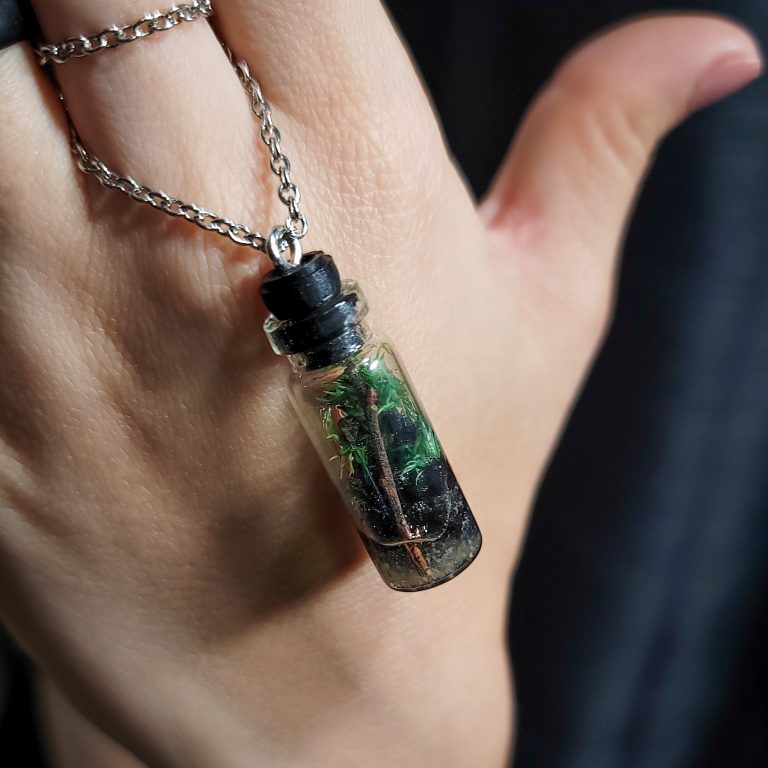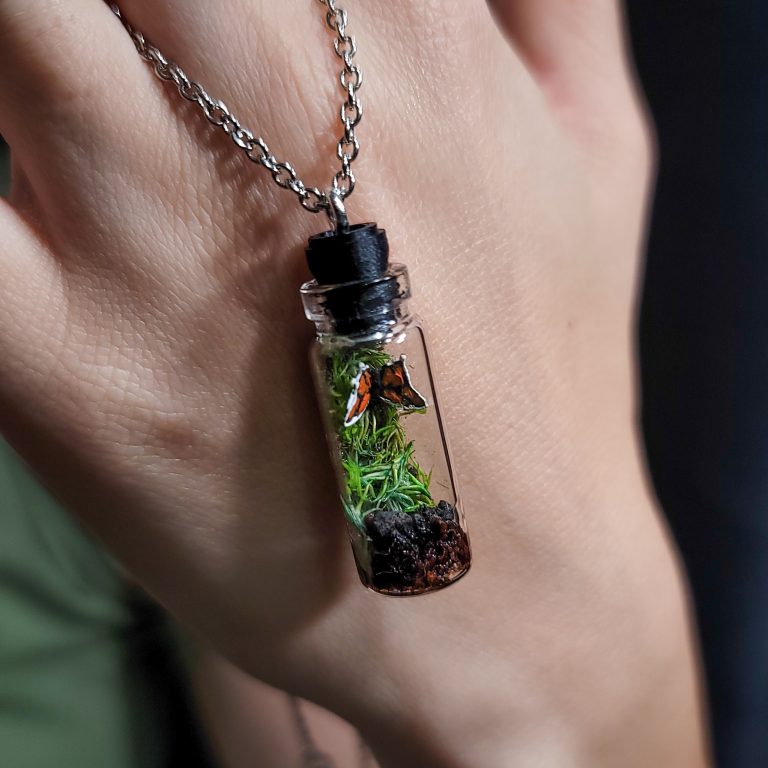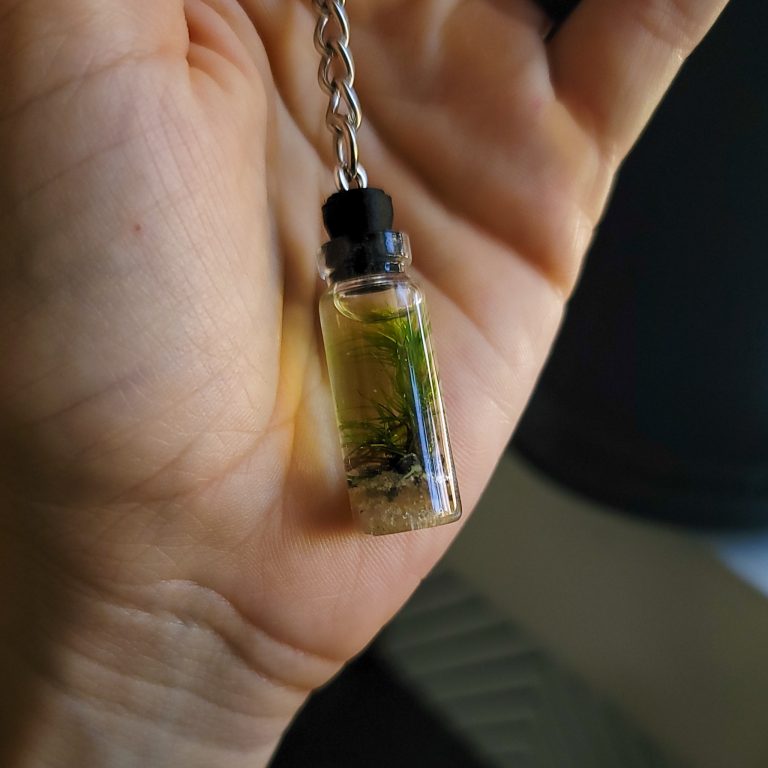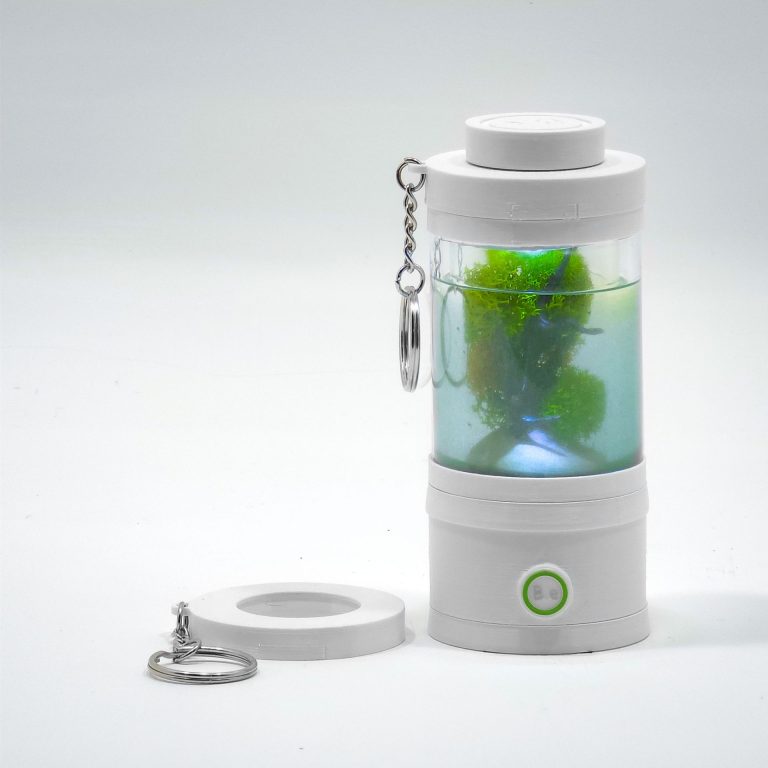
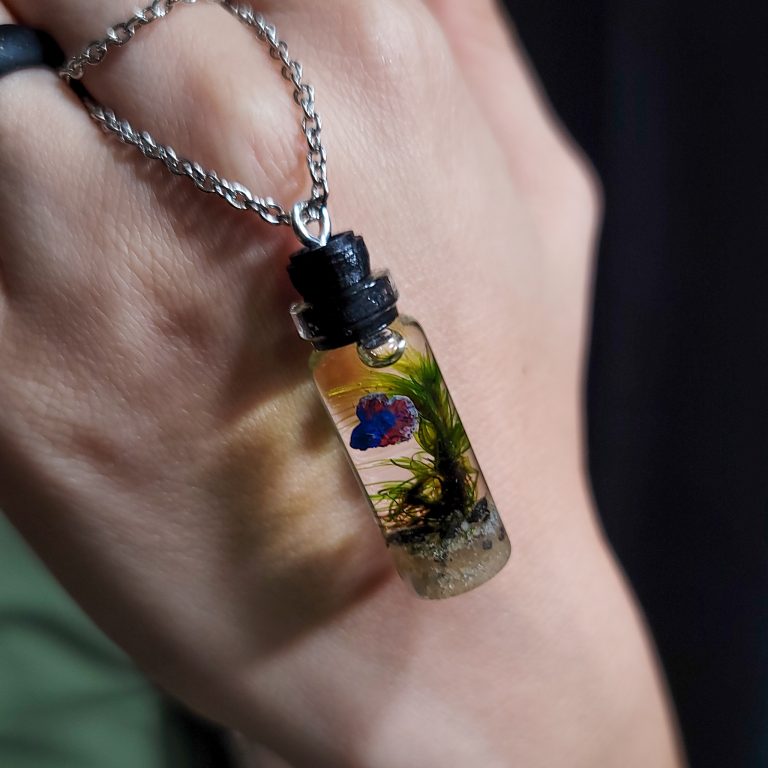
Freshwater Aquarium Necklace Charm
$24.99

Osphronemus goramy
Reviewed for accuracy · Last updated Dec 31, 2025, 10:17 AM
Giant Gouramis are peaceful but can become territorial as they grow larger, especially in smaller tanks.
Freshwater
Peaceful
Medium
79 gal (300 L)
18 in (45 cm)
15–25 years
Omnivore
Resident
Giant Gouramis are compatible with other large, peaceful fish. Avoid aggressive or overly active fish that may stress them. Suitable tank mates include large tetras, catfish, and peaceful cichlids. Ensure tank mates are not small enough to be eaten. Maintain a minimum tank size of 300 liters for shared housing. Provide hiding spaces to reduce territorial conflicts. Introduce all fish simultaneously to help establish territories. Monitor behavior to prevent bullying or dominance issues. Avoid overstocking to reduce stress and maintain water quality. Regular observation is key to maintaining a peaceful community.
Giant Gouramis need large aquariums due to their size, with at least 300 liters. They prefer calm waters with stable temperatures between 24°C and 30°C. Floating plants and vegetation provide shelter and mimic natural habitats. Gouramis thrive in slightly acidic to slightly alkaline water conditions. Regular water changes are essential to keep ammonia and nitrite levels low. A gentle filtration system prevents strong currents that stress the fish. Provide ample swimming space while decorating with driftwood and rocks. Avoid rapid temperature fluctuations to maintain their health. Monitor water hardness, as they adapt to a moderate range comfortably. Giant Gouramis are sensitive to overcrowding; maintain appropriate stocking.
These fish are omnivorous, requiring a balanced diet of plant and animal matter. Feed quality pellets or flakes as staple food. Supplement with live or frozen foods such as bloodworms and small crustaceans. Include vegetables like lettuce, cucumber, and spinach for fiber. Offer food multiple times a day in amounts they can consume quickly. Monitor feeding to prevent overfeeding and water pollution. Occasionally provide fruits such as peas or melon in small quantities. Observe their behavior to ensure all fish receive food. Rotate food types to provide a varied and stimulating diet. Remove uneaten food promptly to maintain water quality.
Breeding Giant Gouramis requires a separate breeding tank. They build bubble nests at the water surface for eggs. Maintain water temperature around 28°C for successful breeding. Feed conditioning diets with high protein to stimulate spawning. Monitor pairs as males can become territorial during nest building. The female lays eggs in the bubble nest, which the male fertilizes. The male guards the nest and eggs until hatching. Fry should be fed infusoria initially, then gradually transition to larger foods. Water quality must be closely monitored during fry development. Regular observation ensures survival and reduces parental stress.
Some links on this page may earn Fishmetry a commission at no extra cost to you.