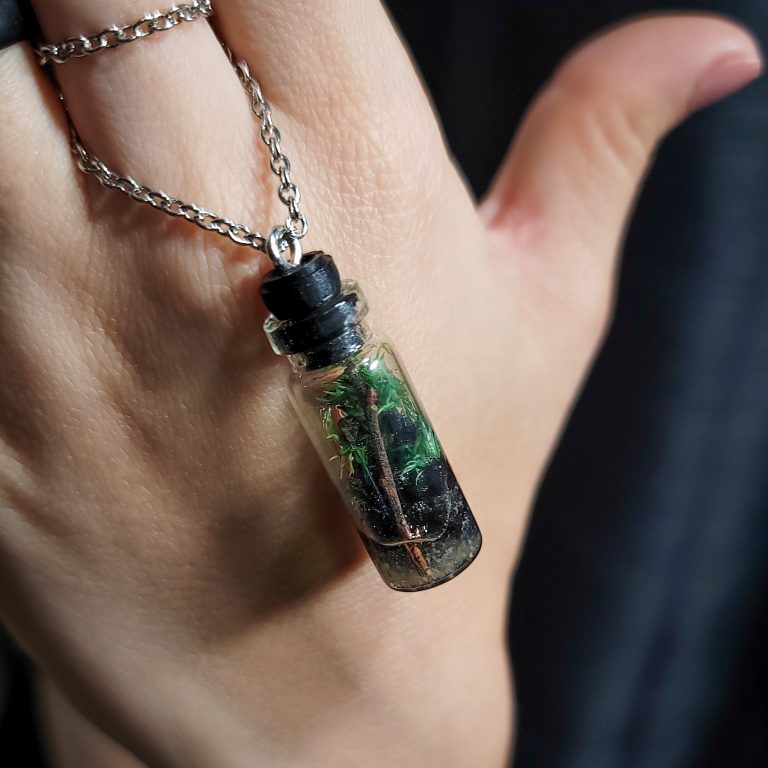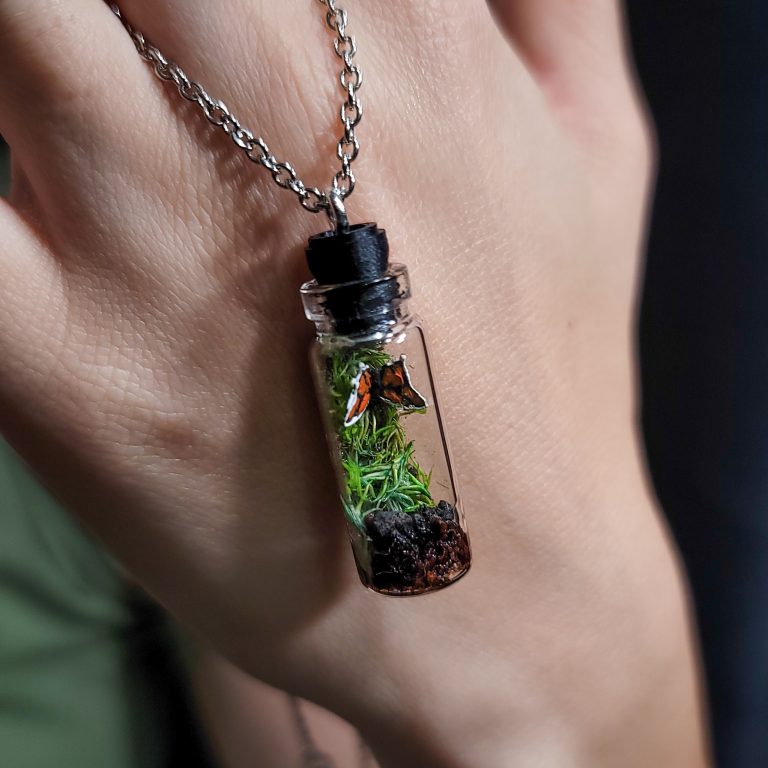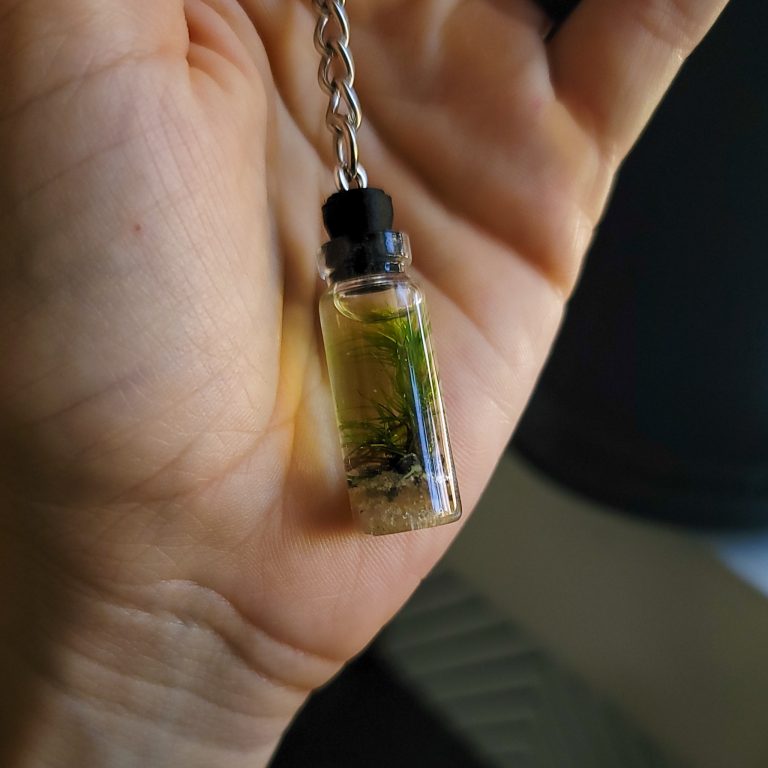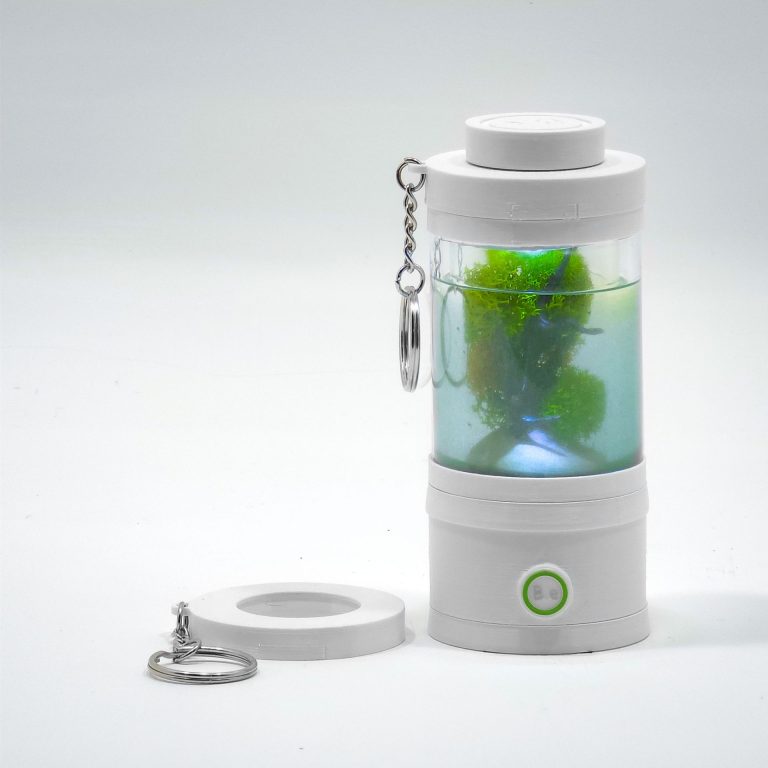
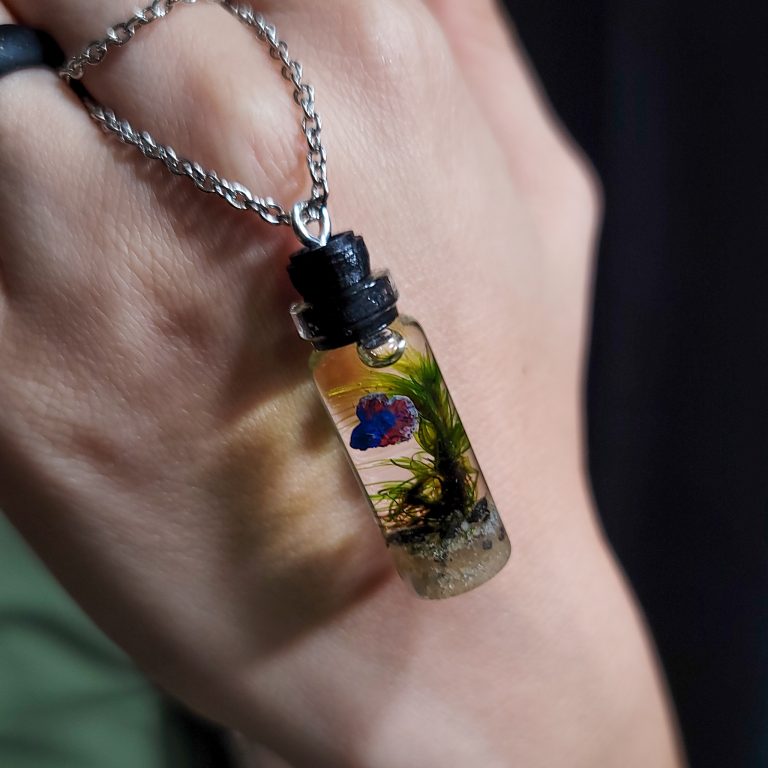
Freshwater Aquarium Necklace Charm
$24.99

Parosphromenus linkei
Reviewed for accuracy · Last updated Jan 9, 2026, 2:25 AM
Extremely shy blackwater fish requiring pristine conditions, showing subtle territorial displays during breeding.
Freshwater
Very Peaceful
Hard
8 gal (30 L)
2 in (4 cm)
3–6 years
Insectivore
Resident
Parosphromenus linkei is among the most peaceful and sensitive aquarium fishes. A species-only aquarium is strongly recommended, as even small, non-aggressive tank mates may cause stress or outcompete them for food.
If companions are considered, they must be tiny, calm, and adapted to identical blackwater conditions. Even then, constant monitoring is required. Many aquarists choose to avoid tank mates entirely.
Within the species, males may defend small territories, especially around breeding caves, but aggression is minimal. Adequate shelter and visual separation reduce stress.
Any aggressive, fast, or hard-water species should be strictly avoided, as incompatibility often leads to rapid decline.
Licorice gouramis inhabit extremely soft, acidic blackwater environments in Southeast Asian rainforests. These waters are darkly stained with tannins, low in dissolved minerals, and shaded by dense forest canopy. Leaf litter, roots, and fallen branches dominate the substrate, creating a complex and sheltered environment.
In aquariums, these conditions must be carefully recreated. Reverse osmosis water, peat filtration, dried leaves, and natural botanicals are commonly required. Lighting should be very dim, with heavy surface cover from floating plants. Fine, dark substrates help reduce stress.
Filtration must be gentle and biologically stable. Even minor parameter swings can be fatal, making mature, dedicated tanks essential. This species is not suited to general community aquariums.
When maintained correctly, Licorice gouramis display fascinating behavior and subtle yet striking coloration, rewarding experienced aquarists.
In nature, Licorice gouramis feed on tiny insects, larvae, and microfauna within leaf litter. This strict insectivorous diet must be respected in captivity.
Live foods are essential, particularly during acclimation. Microworms, grindal worms, daphnia, and mosquito larvae are ideal. Some individuals may accept frozen foods, but dry foods are frequently ignored.
Feeding should be gentle and deliberate, often in shaded areas. Observation is necessary to ensure the fish is eating adequately.
A consistent supply of live food is critical for health, coloration, and breeding success.
Parosphromenus linkei is a cave-spawning species that requires extremely soft, acidic water to reproduce. Small caves such as coconut shells or ceramic tubes are used as spawning sites.
Conditioning with live foods is mandatory. During courtship, males intensify in coloration and guide females into the cave. Eggs are attached to the cave ceiling and guarded by the male.
The female is driven away after spawning. The male cares for eggs and fry until they are free-swimming, after which he should be removed.
Fry require infusoria and impeccable water quality. Successful breeding demands precision and patience.
Some links on this page may earn Fishmetry a commission at no extra cost to you.