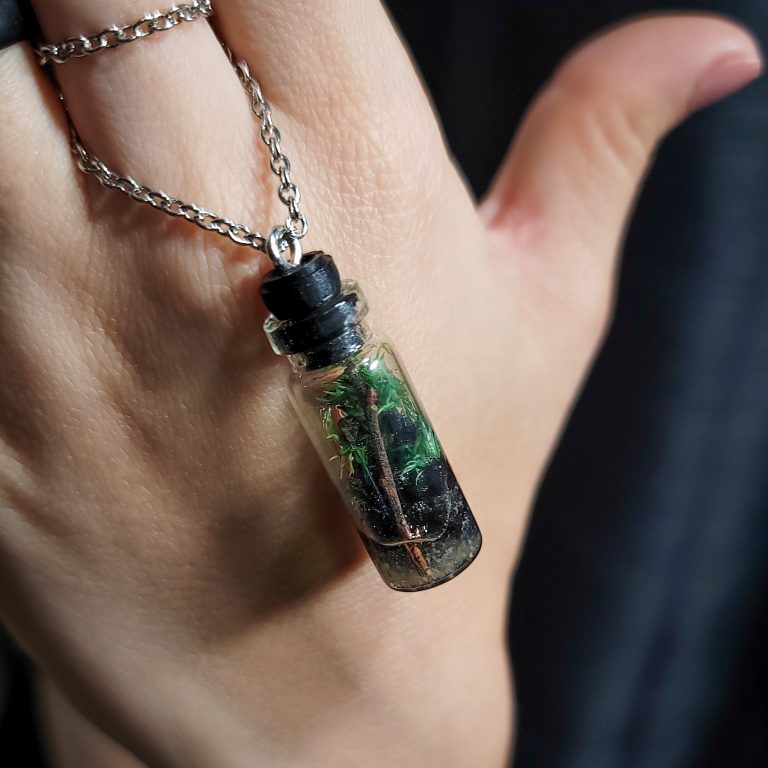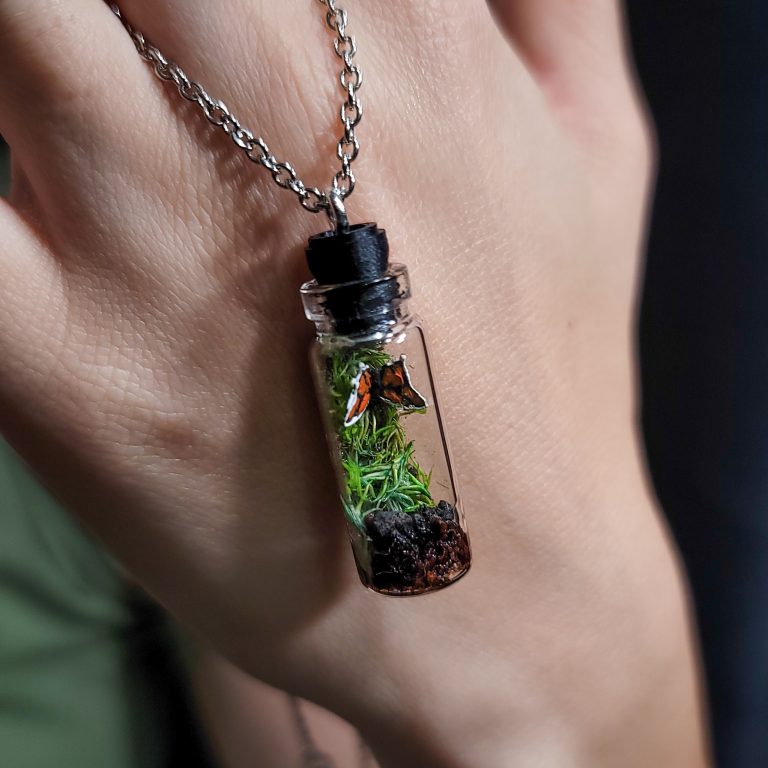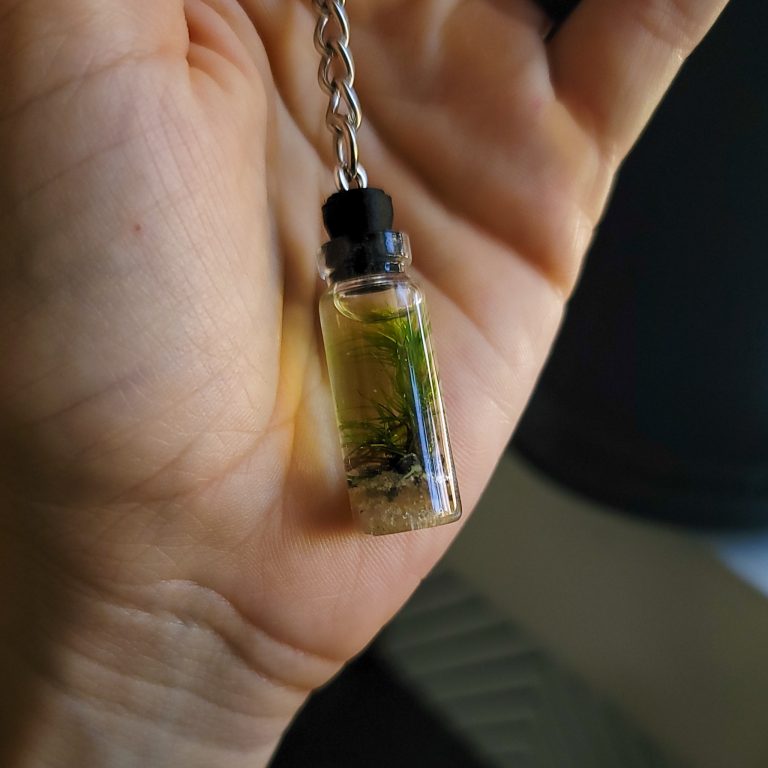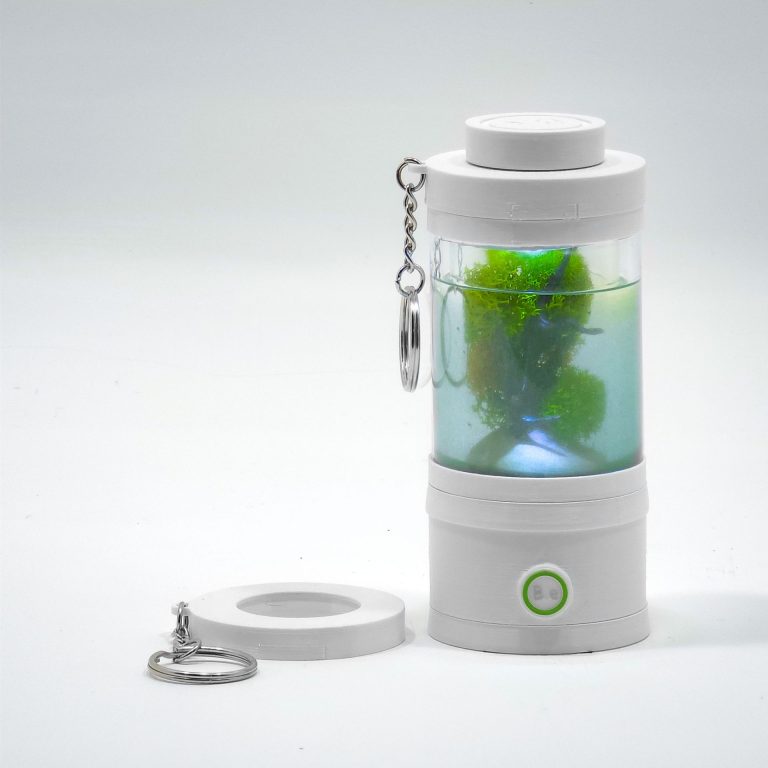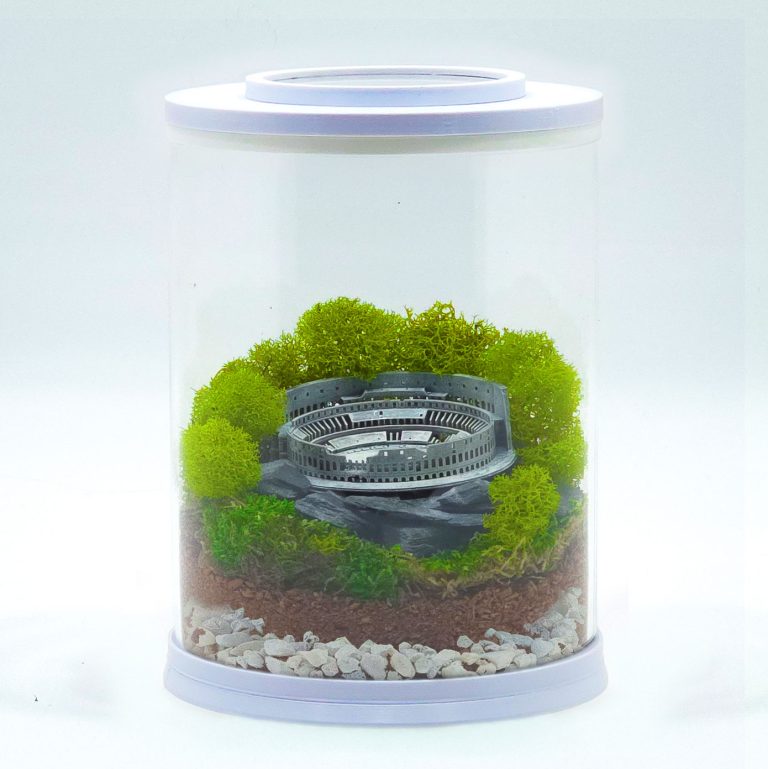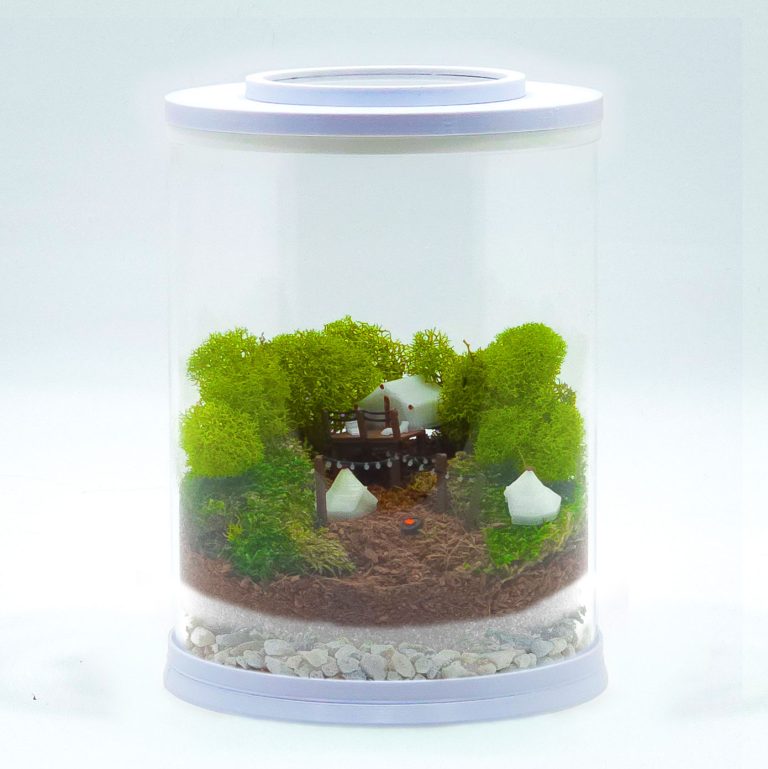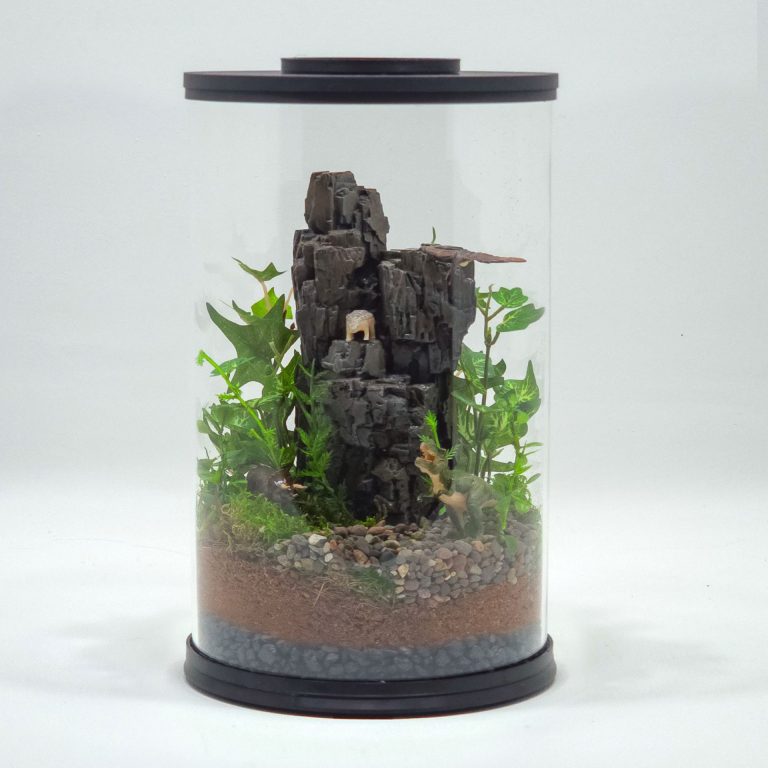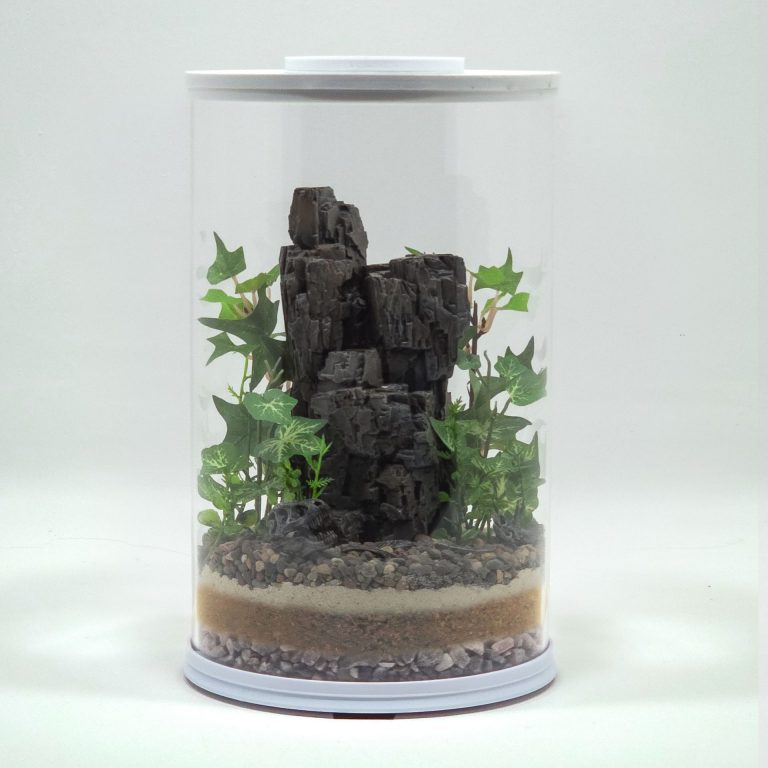
Freshwater Aquarium Necklace Charm
$24.99

Pethia conchonius
Reviewed for accuracy · Last updated Jan 7, 2026, 12:26 AM
Active schooling cyprinid that is generally peaceful but may nip fins if kept in small groups or cramped aquariums.
Freshwater
Moderate
Easy
32 gal (120 L)
3 in (7 cm)
4–6 years
Omnivore
Resident
Rosy barbs are compatible with many community fish. They prefer similarly sized active species. Avoid long-finned or very slow fish. Peaceful barbs and tetras work well.
Keep them in groups of at least six. Small groups increase aggression. Tank size helps manage interactions. Visual barriers reduce chasing.
They coexist with danios and rasboras. Bottom dwellers are usually ignored. Monitor fin nipping behavior. Adjust stocking if needed.
Community setups are ideal. Avoid mixing with aggressive species. Compatibility improves with space. Schooling behavior stabilizes tanks.
Rosy barbs thrive in spacious aquariums with open swimming areas. They are active fish that benefit from horizontal space. Stable water parameters are more important than precision. Good filtration helps manage their constant activity.
Use sand or fine gravel as substrate. Hardy plants work well but should allow swimming room. Driftwood and rocks provide visual structure. Moderate water flow is ideal.
They tolerate cooler water better than many tropical fish. Avoid sudden temperature changes. Regular water changes maintain coloration. Clean water reduces stress behaviors.
Rosy barbs do best in groups. Larger schools reduce fin nipping. A calm environment improves social balance. They are well suited for community tanks.
Rosy barbs are omnivorous and easy to feed. They readily accept flakes and small pellets. A varied diet promotes strong coloration. Quality dry foods can be used daily.
Supplement with frozen foods like daphnia. Occasional live foods increase activity. Vegetable matter should be included. Blanched greens are accepted.
Feed small portions once or twice daily. Avoid overfeeding to protect water quality. They are enthusiastic feeders. Uneaten food should be removed.
Diet variety prevents deficiencies. Juveniles grow quickly with proper feeding. Adults maintain color with balanced nutrition. Consistency supports long-term health.
Rosy barbs are egg scatterers. They do not provide parental care. Spawning is triggered by cooler water changes. Condition adults with rich foods.
Use a separate breeding tank. Fine-leaved plants or mops are useful. Eggs are scattered freely. Adults should be removed after spawning.
Eggs hatch within two days. Fry become free swimming shortly after. Feed infusoria initially. Gradually introduce larger foods.
Breeding is relatively easy. High egg loss is common. Clean water improves survival. Selective breeding enhances color.
Some links on this page may earn Fishmetry a commission at no extra cost to you.