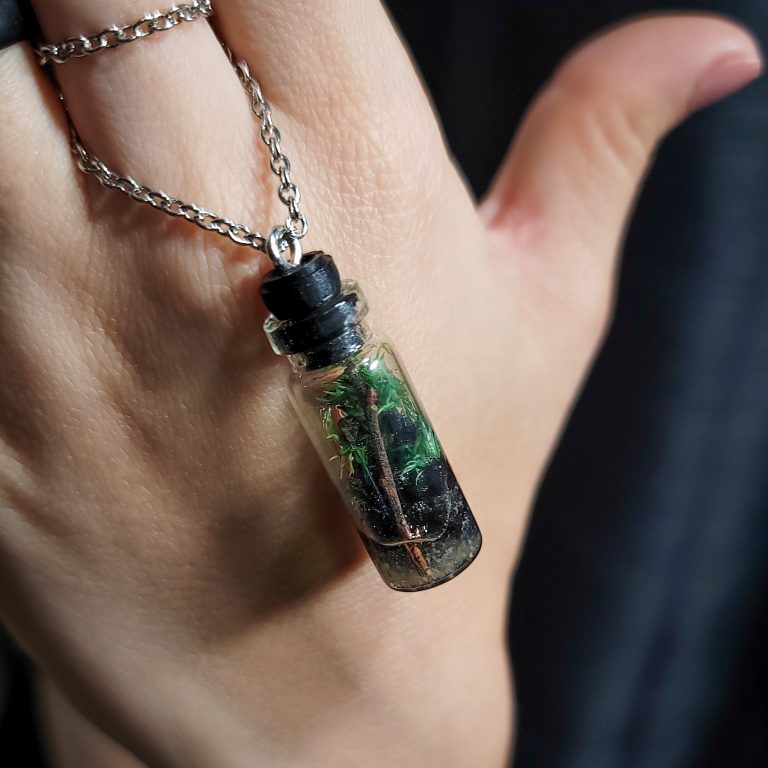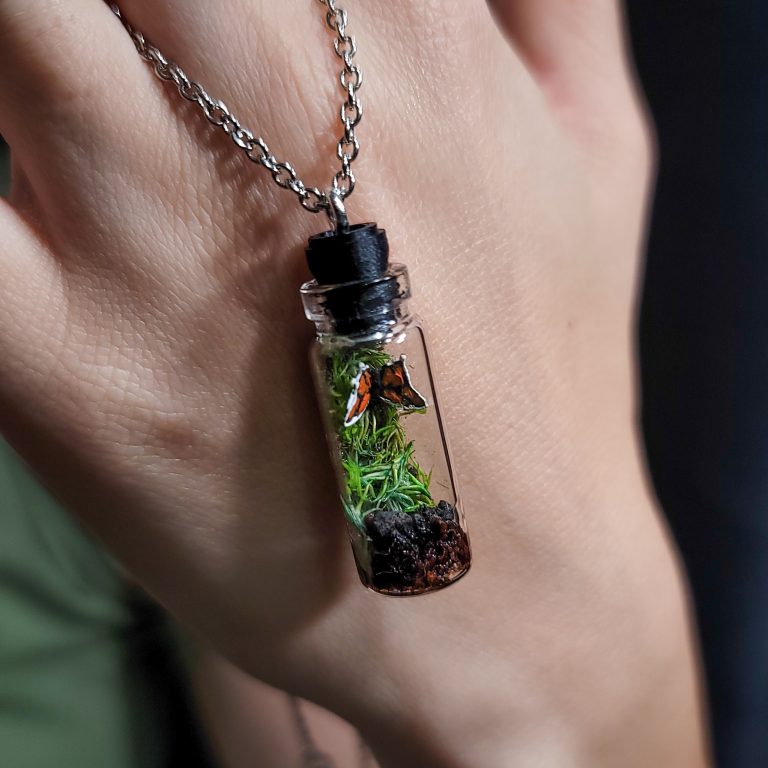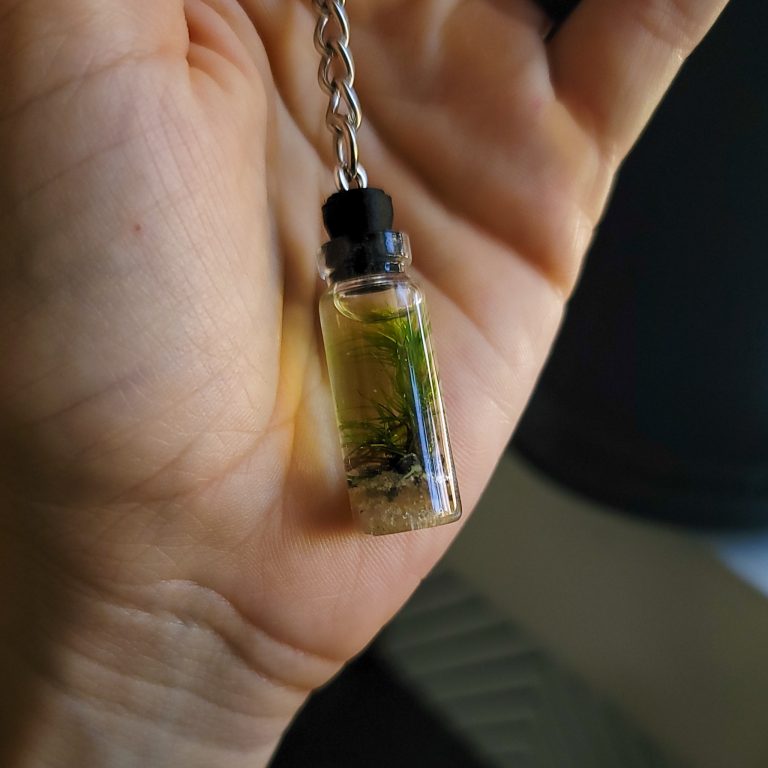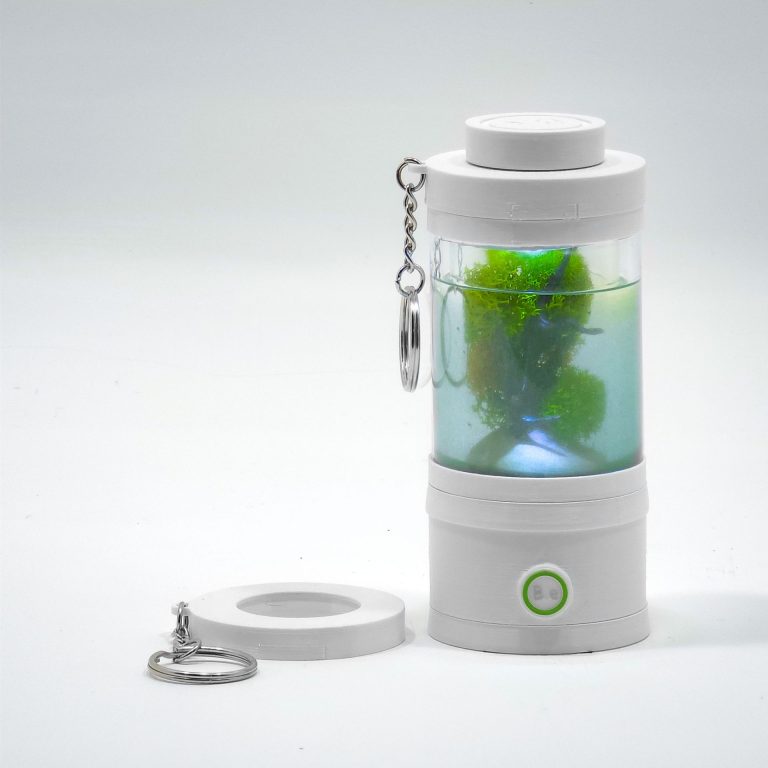
Freshwater Aquarium Necklace Charm
$24.99
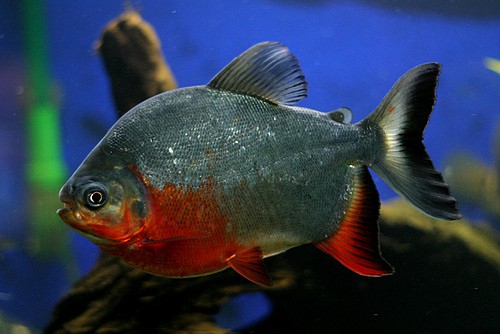
Piaractus brachypomus
Reviewed for accuracy · Last updated Jan 20, 2026, 2:13 AM
Generally calm but powerful and fast-growing, requiring space and structure to prevent stress and injury.
Freshwater
Peaceful
Hard
211 gal (800 L)
28 in (70 cm)
15–25 years
Herbivore
Resident
Selecting tank mates for Red-bellied Pacu is primarily limited by size, temperament, and long-term compatibility rather than aggression. Pacu are peaceful fish that rarely initiate conflict, but their sheer mass and feeding behavior can inadvertently harm smaller or more delicate species.
Suitable companions are typically other large, robust South American fish with calm dispositions. These tank mates must be capable of coexisting without competing aggressively for food or space. Similar swimming speeds and environmental preferences help reduce stress for all inhabitants.
Smaller fish are unsuitable, as they may be accidentally consumed or injured, even though pacu are not active predators. Fin-nipping species should be avoided, as pacu respond poorly to chronic harassment and may panic, causing damage to themselves and the aquarium.
Crowding must be avoided at all costs. Even peaceful large fish require substantial personal space, and overcrowding leads to water quality decline and behavioral instability. Overstocked pacu tanks often result in stunted growth and shortened lifespans.
In many cases, the best option is a species-only setup or a very carefully curated large-fish community. Thoughtful planning and realistic assessment of adult size are essential when considering tank mates for this species.
The Red-bellied Pacu is a large South American characin native to major river systems, floodplains, and seasonally inundated forests. Despite its peaceful nature, this species is often unsuitable for typical home aquariums due to its eventual size, strength, and long lifespan. Proper care requires long-term planning, significant space, and robust life-support systems.
Juveniles may appear manageable, but growth is rapid under adequate feeding and warm temperatures. Tanks must be exceptionally spacious, with strong glass or acrylic construction, as adult pacu are powerful swimmers capable of injuring themselves in undersized enclosures. Rounded tank corners, open swimming areas, and minimal sharp décor are essential to prevent trauma.
Filtration must be oversized and redundant. Pacu produce large amounts of waste, and water quality deteriorates quickly without heavy biological and mechanical filtration. High oxygenation and consistent water movement are critical, but flow should remain smooth rather than turbulent.
Stable water parameters are more important than chasing exact values. Sudden changes in temperature or chemistry can result in severe stress responses, including frantic swimming and collision injuries. Regular, large-volume water changes are mandatory to maintain acceptable nitrate levels.
Because of their intelligence and awareness, environmental enrichment is often overlooked but vital. Visual barriers, large driftwood pieces, and varied lighting help reduce boredom and stress, contributing to calmer behavior and improved overall health.
Red-bellied Pacu are primarily herbivorous in nature, feeding extensively on fruits, seeds, nuts, and aquatic vegetation in the wild. Their powerful jaws are adapted for crushing hard plant material, and this dietary specialization must be respected in captivity to avoid health problems.
A high-quality plant-based diet should form the foundation of feeding. Specialized herbivore pellets, supplemented with fresh vegetables such as spinach, lettuce, zucchini, and peas, provide essential fiber and nutrients. Fruits can be offered occasionally, but excessive sugar intake should be avoided.
Despite their reputation, pacu should not be fed meat-heavy diets. Excess animal protein often leads to fatty degeneration of organs and reduced lifespan. Small amounts of protein-rich foods may be tolerated during juvenile stages, but adults thrive best on predominantly plant matter.
Feeding sessions should be structured and controlled. Pacu are enthusiastic eaters and can easily overconsume, leading to obesity and water quality issues. Uneaten food must be promptly removed.
A balanced, fiber-rich diet supports proper digestion, steady growth, and long-term health. Diet mismanagement is one of the most common causes of preventable disease and premature mortality in captive pacu.
Breeding Red-bellied Pacu in home aquariums is extremely rare and generally impractical due to their size, migratory instincts, and environmental requirements. In the wild, reproduction is closely tied to seasonal flooding cycles that trigger hormonal changes and spawning behavior.
Commercial breeding operations rely on large ponds, controlled environments, and hormonal induction to achieve consistent results. These methods are not feasible for typical private aquarists and require specialized knowledge and equipment.
In natural settings, adults migrate to flooded areas where eggs are scattered and left to develop without parental care. Replicating these conditions in captivity would require enormous volumes of water and dynamic environmental changes.
For most keepers, breeding should not be a goal. Instead, focus should be placed on providing optimal long-term care, proper nutrition, and adequate space. Ethical responsibility is particularly important with this species due to its longevity and final size.
Understanding the biological limitations of captive breeding helps prevent unrealistic expectations and reinforces the importance of responsible ownership when keeping large, long-lived freshwater fish.
Some links on this page may earn Fishmetry a commission at no extra cost to you.