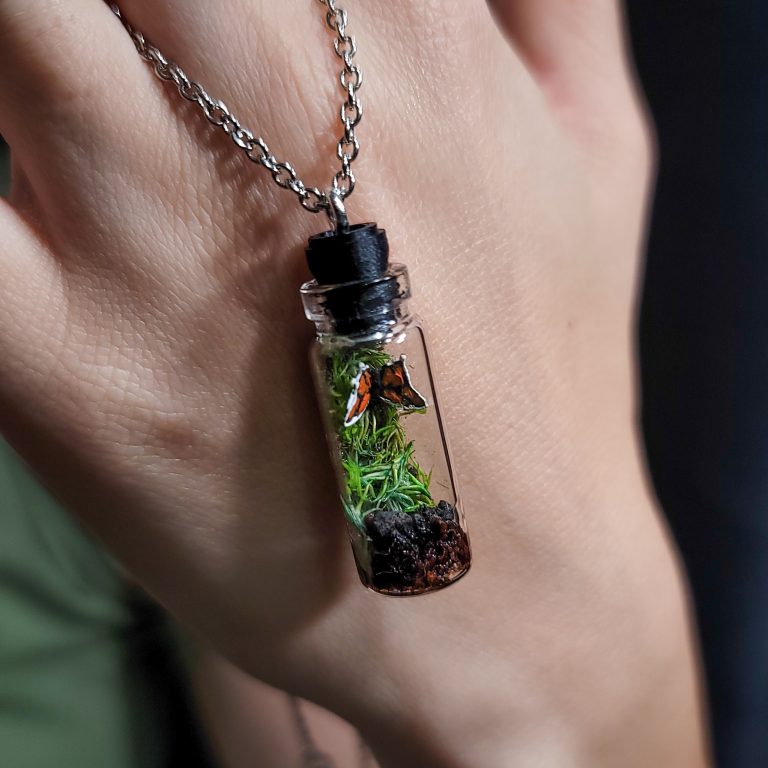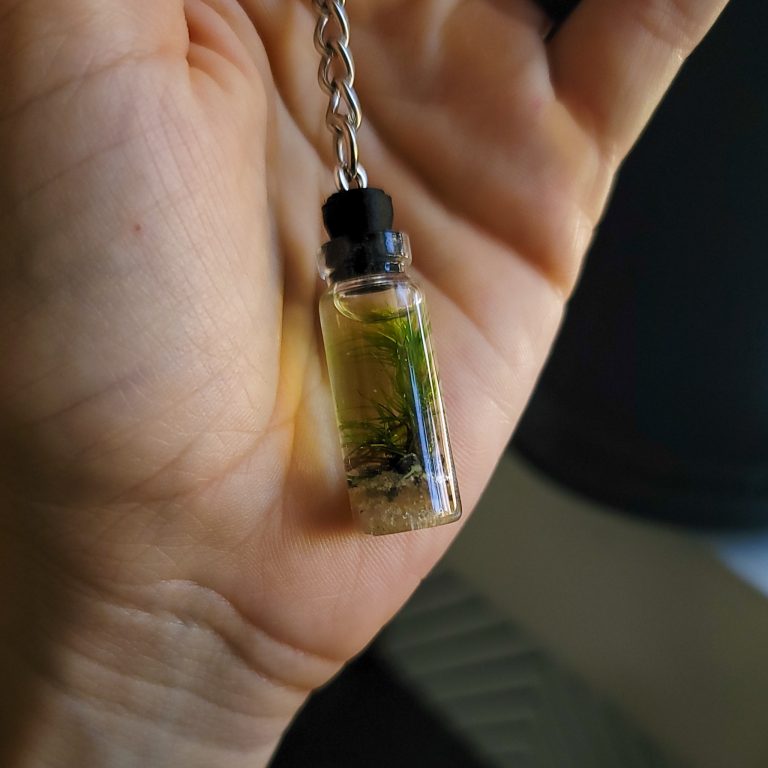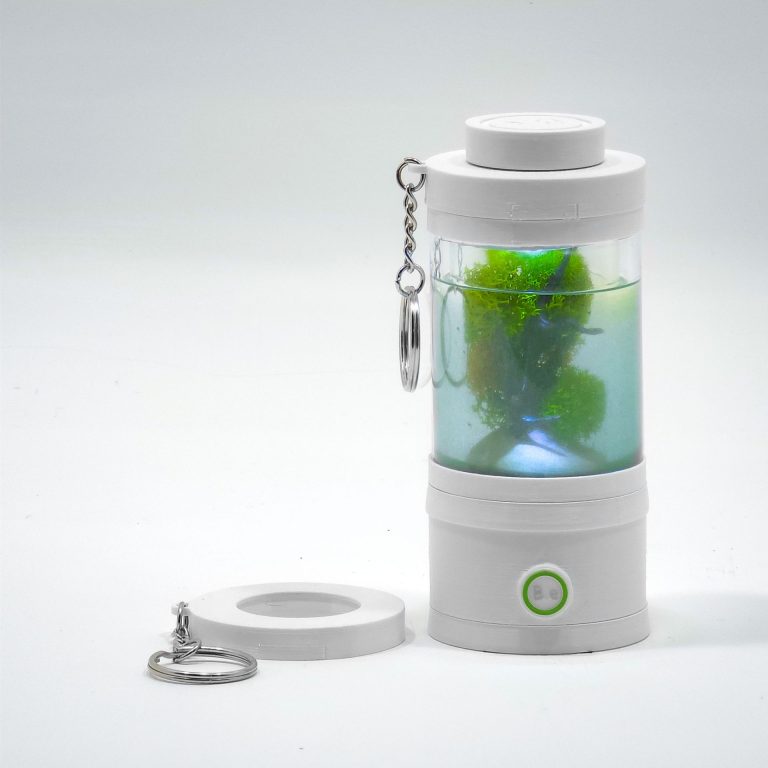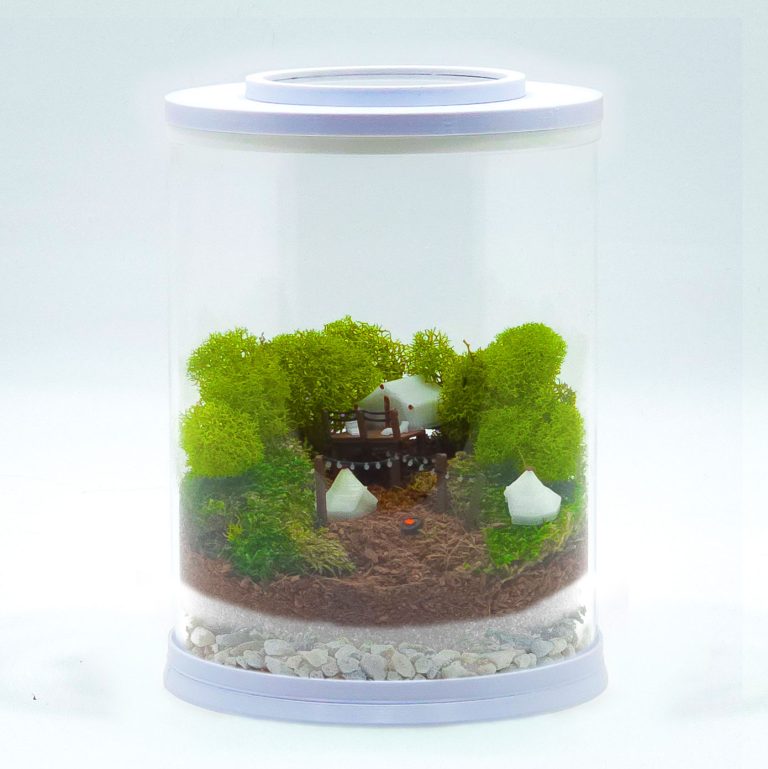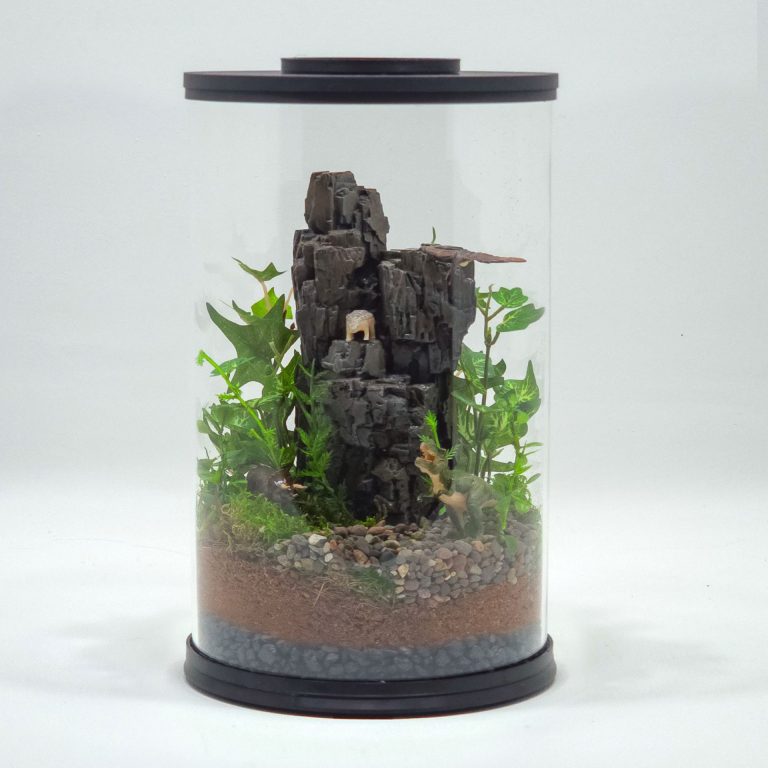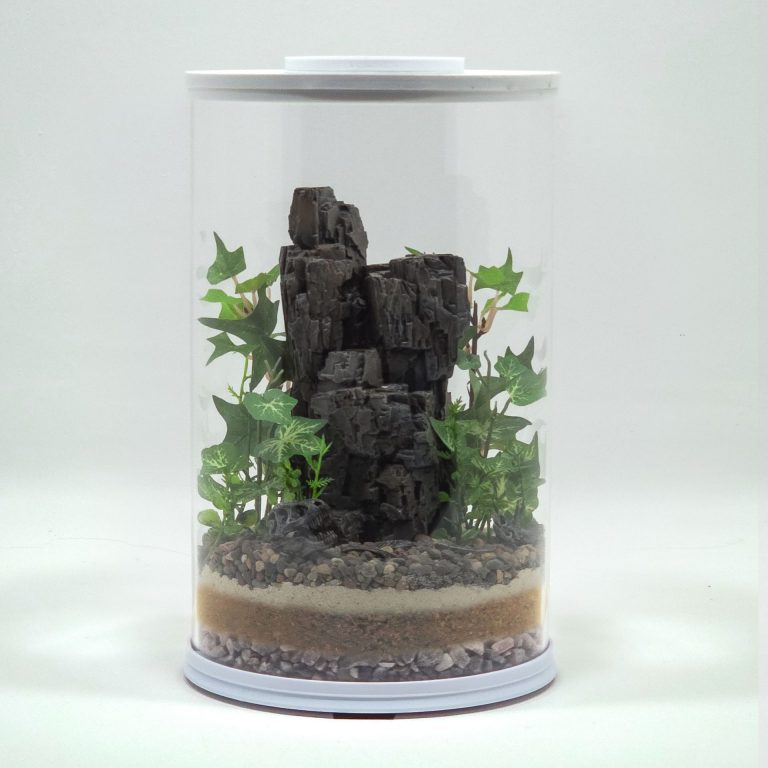
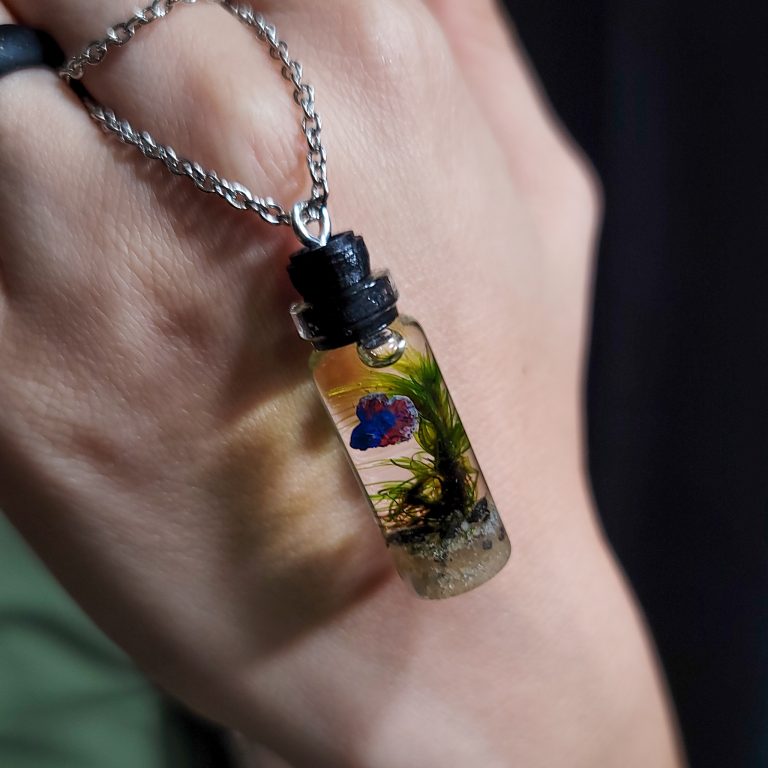
Freshwater Aquarium Necklace Charm
$24.99

Poecilia latipinna
Reviewed for accuracy · Last updated Dec 20, 2025, 5:17 PM
Robust livebearer with tall dorsal fins in males; tolerant of a wide range of conditions including slightly brackish water.
Brackish
Moderate
Easy
16 gal (60 L)
6 in (15 cm)
3–5 years
Omnivore
Resident
Sailfin mollies are generally peaceful but may be too active for very small, timid species. Good tankmates include larger tetras, barbs that are not overly aggressive, and peaceful gouramis. Avoid slow long-finned species that suffer from molly activity and male display harassment. Provide open space and robust planting so all species can find zones to feed and rest.
Quarantine newcomers and match water chemistry across species to reduce chronic stressors. Keep a balanced male-to-female ratio to avoid excessive male harassment which stresses tankmates. Observe for fin-nipping or dominance behaviour and provide extra hiding places if needed. Mollies do best in communities that tolerate harder, slightly alkaline water parameters.
Avoid mixing with very small fish that could be eaten or harassed by more active mollies. Distribute food widely and feed at multiple points to prevent competition at mealtimes. Maintain good filtration and moderate flow to support their active lifestyle and water quality. Careful community selection ensures long-term peaceful coexistence and vibrant displays.
Sailfin mollies adapt to planted setups and tolerate harder, slightly alkaline water conditions. They also do well in mildly brackish setups; small amounts of salt may benefit some strains. Provide open swim areas and vertical structure so males can display their sail-like dorsal fins. Maintain stable temperature and regular water changes to support active metabolism and breeding.
Keep them in mixed-sex groups with more females than males to minimize persistent male harassment. Use moderate lighting and secure lids to prevent jumping during periods of high activity. Quarantine new mollies and acclimate them carefully to your tank's specific hardness and salinity. Provide driftwood and plant margins to create microhabitats and reduce stress from dominance displays.
Monitor for common molly issues like swim bladder or parasite sensitivity, treating promptly as needed. Avoid very soft acidic water which can stress salt-tolerant molly strains adapted to harder water. Provide consistent feeding and water exchange routines to maintain healthy adult condition. Balanced husbandry supports bright coloration and reproductive readiness in sailfin mollies.
Sailfin mollies are omnivores and require a varied diet including vegetable matter. Offer high-quality flakes, algae wafers, and sinking pellets along with frozen protein treats. Supplement with blanched vegetables such as spinach or zucchini to provide fiber and micronutrients. Feed small amounts twice daily and avoid sudden diet changes which can upset their digestion.
Include spirulina-based foods periodically to support coloration and gut health in herbivorous portions. Provide live or frozen brine shrimp and daphnia during conditioning for breeding to enhance egg quality. Remove uneaten food to avoid water quality degradation, especially in brackish-tolerant setups. Rotate food types to ensure a wide range of vitamins and fatty acids over the long term.
Young mollies may require finely crushed flake and more frequent feedings until juvenile size. Avoid overly protein-heavy diets as a sole staple; balance with vegetable-derived nutrients regularly. Store and prepare frozen foods hygienically to prevent bacterial contamination in the tank. Consistent, varied feeding maintains fertility, growth, and vibrant sailfin displays.
Sailfin mollies are livebearers and breed readily in home aquaria given good conditions. Females carry young for about 4–6 weeks and can produce large broods if well-conditioned. Provide dense planting and floating cover to give fry immediate refuge from adult predation. Condition breeders with protein-rich live foods to enhance fry numbers and juvenile vigor.
Remove adults or provide heavily planted areas to allow higher fry survival without predation. Raise fry on infusoria and powdered foods initially; progress to microworms and baby brine shrimp. Keep fry in separate grow-out tanks if possible to achieve higher survival and better growth rates. Perform frequent small water changes to maintain excellent water quality for developing juveniles.
Selective breeding can improve sail size and color, but avoid close inbreeding to preserve vigor. Document brood sizes and parent combinations to refine breeding goals and manage populations. Practice responsible rehoming or population control to avoid overstocking in community setups. Consistent feeding and clean water produce healthy juveniles ready for community introduction.
Some links on this page may earn Fishmetry a commission at no extra cost to you.