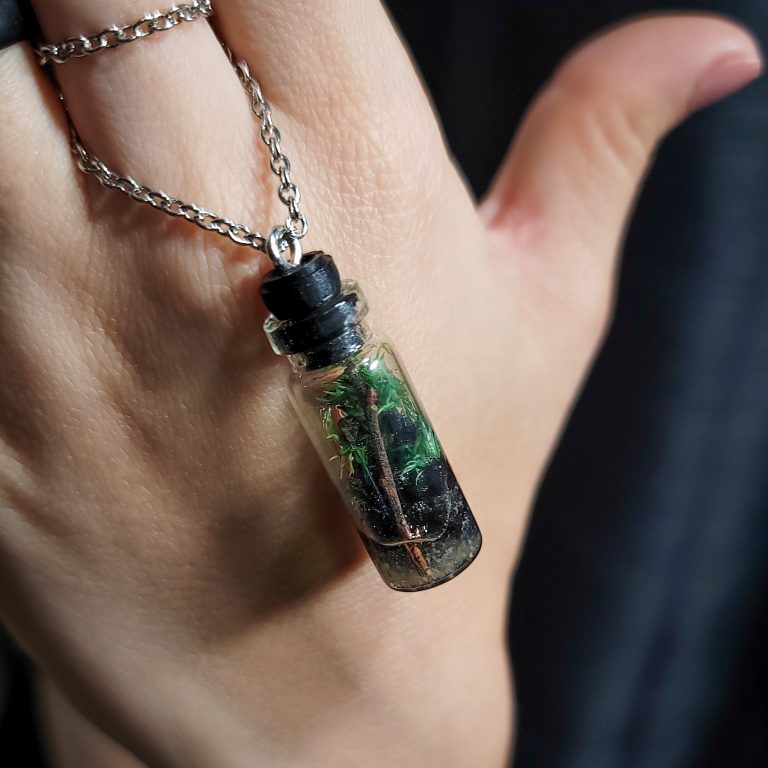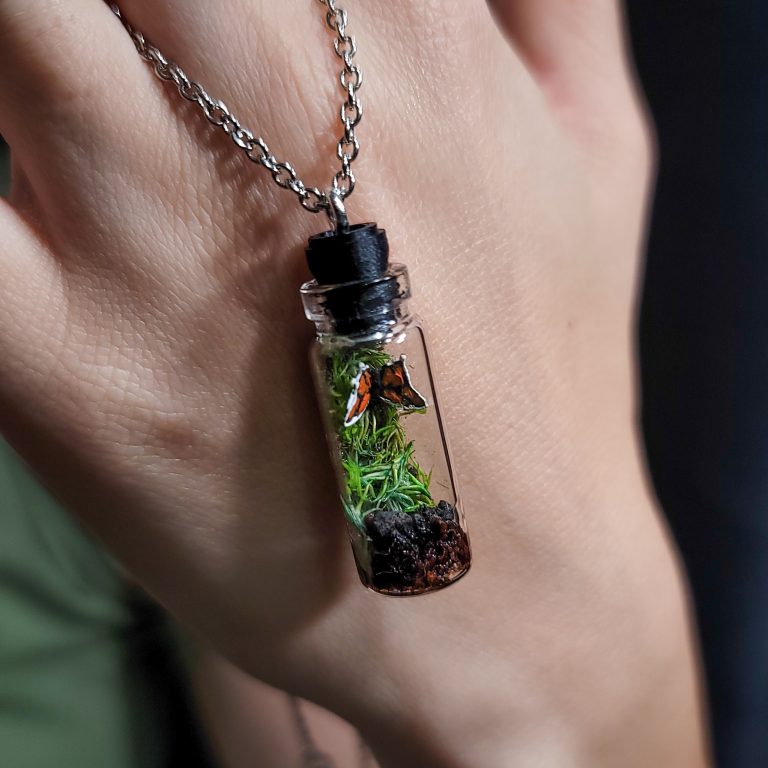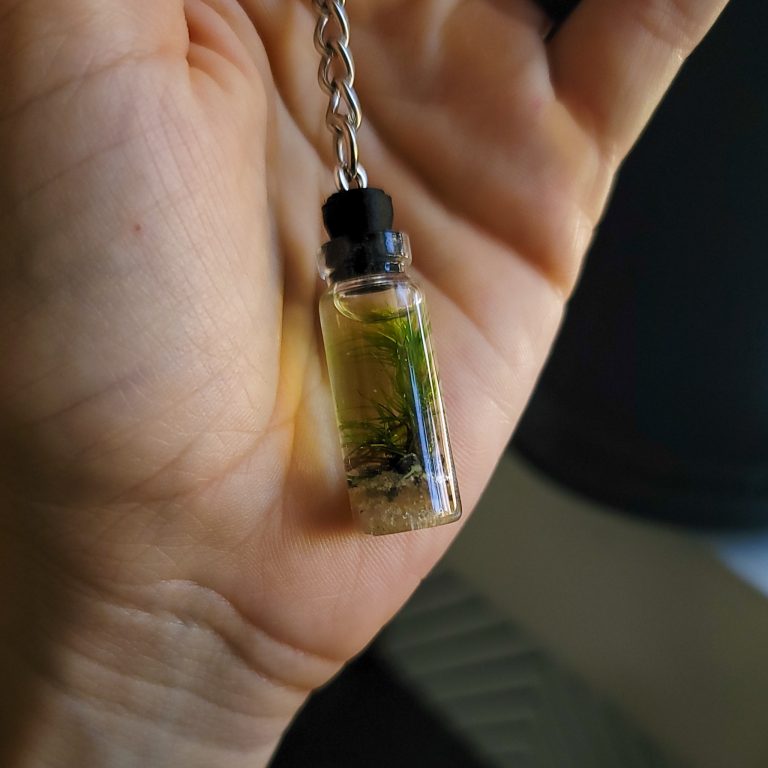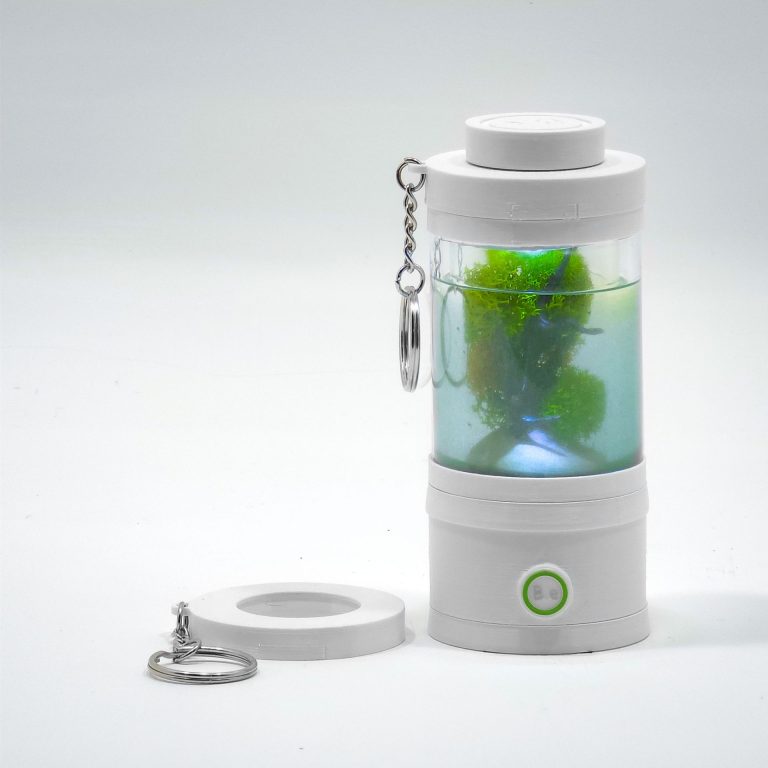
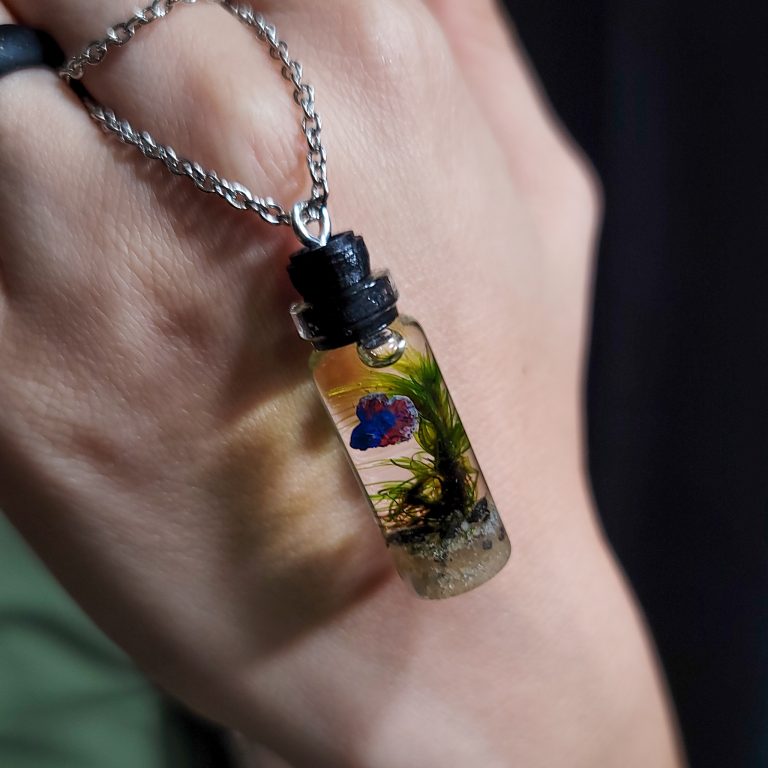
Freshwater Aquarium Necklace Charm
$24.99

Polypterus senegalus
Reviewed for accuracy · Last updated Feb 27, 2026, 3:59 AM
Nocturnal, bottom-oriented predator that is generally calm but will consume small fish, relying on stealth and scent.
Freshwater
Moderate
Medium
66 gal (250 L)
16 in (40 cm)
10–15 years
Carnivore
Resident
Bichirs are peaceful toward large fish. They will eat small tank mates. Choose companions too large to swallow. Avoid aggressive species.
Large cichlids can work. Some catfish are compatible. Tank size must be generous. Monitor nighttime behavior.
Provide multiple hiding spots. Reduce competition for food. Observe interactions closely. Separate if necessary.
They are solitary by nature. Multiple bichirs need space. Compatibility depends on size. Experience is helpful.
Senegal bichirs need floor space more than height. A wide tank footprint is ideal. Provide hiding places and caves. Low to moderate lighting suits them.
Use sand substrate to protect their body. Ensure décor has no sharp edges. Secure lids are mandatory. They can escape easily.
Maintain warm, stable water. Good filtration is required. They tolerate moderate flow. Regular water changes are essential.
They breathe atmospheric air. Access to surface is important. Calm environments reduce stress. Proper setup ensures health.
Bichirs are carnivorous predators. They prefer meaty foods. Offer shrimp, fish, and worms. Sinking foods are best.
Feed during evening hours. They rely on scent to feed. Avoid feeder fish. Control portions carefully.
Overfeeding causes obesity. Feed adults several times weekly. Juveniles need more frequent meals. Remove uneaten food.
Diet variety prevents deficiencies. Observe feeding response. Consistency improves health. Quality foods are essential.
Breeding bichirs in captivity is rare. They require specific conditions. Spawning behavior is subtle. Eggs are scattered among plants.
Parental care is absent. Eggs hatch after several days. Fry require specialized care. High mortality is common.
Soft, warm water is needed. Seasonal cues may trigger spawning. Most specimens are wild-caught. Captive breeding is advanced.
Attempts require research. Dedicated breeding tanks help. Success is uncommon. Observation is key.
Some links on this page may earn Fishmetry a commission at no extra cost to you.