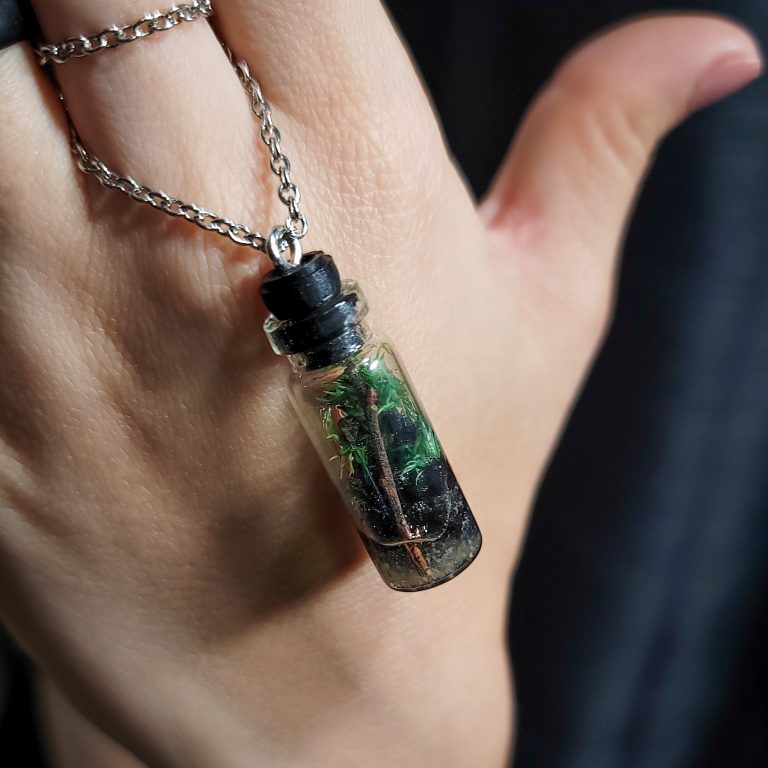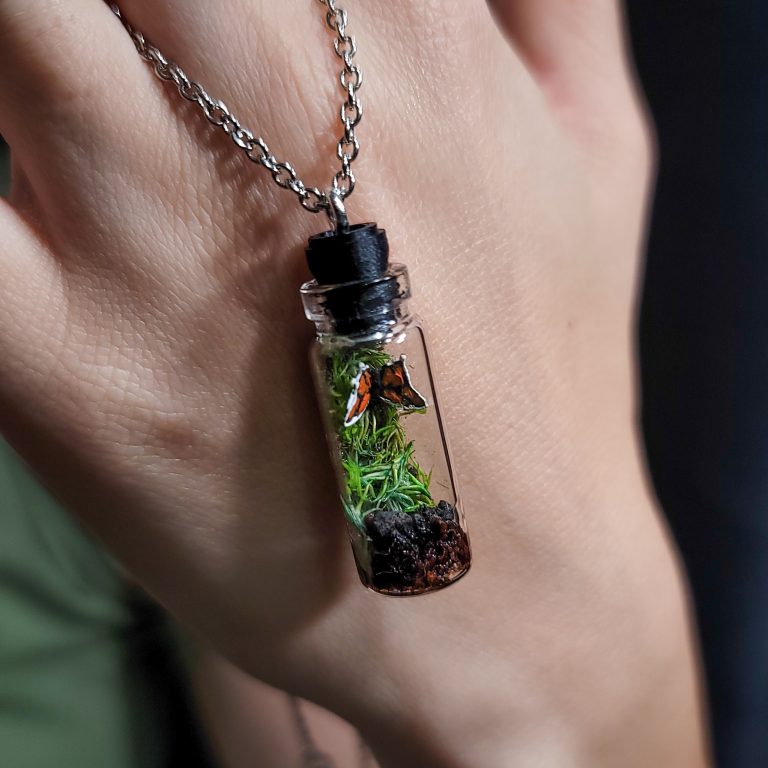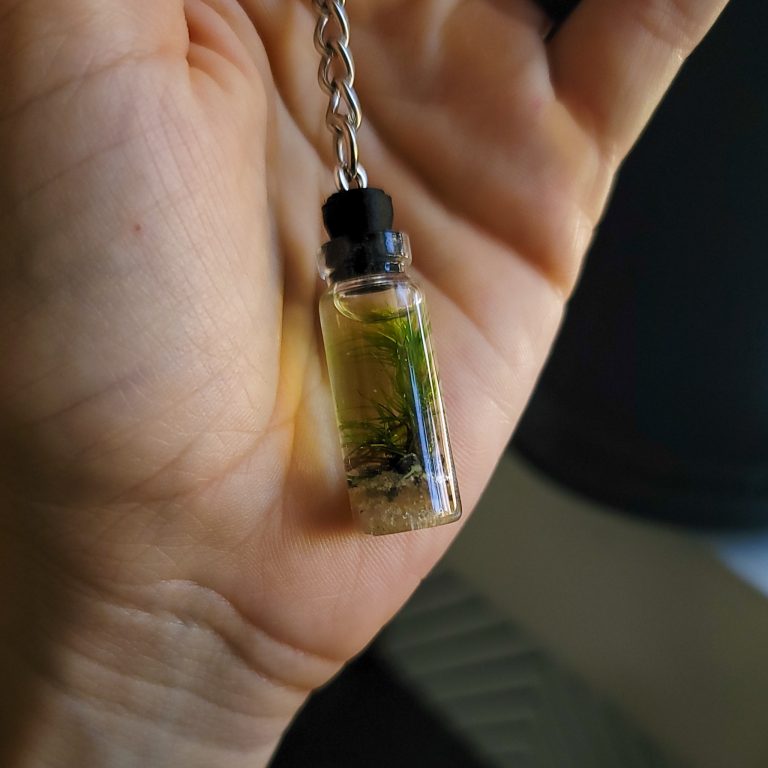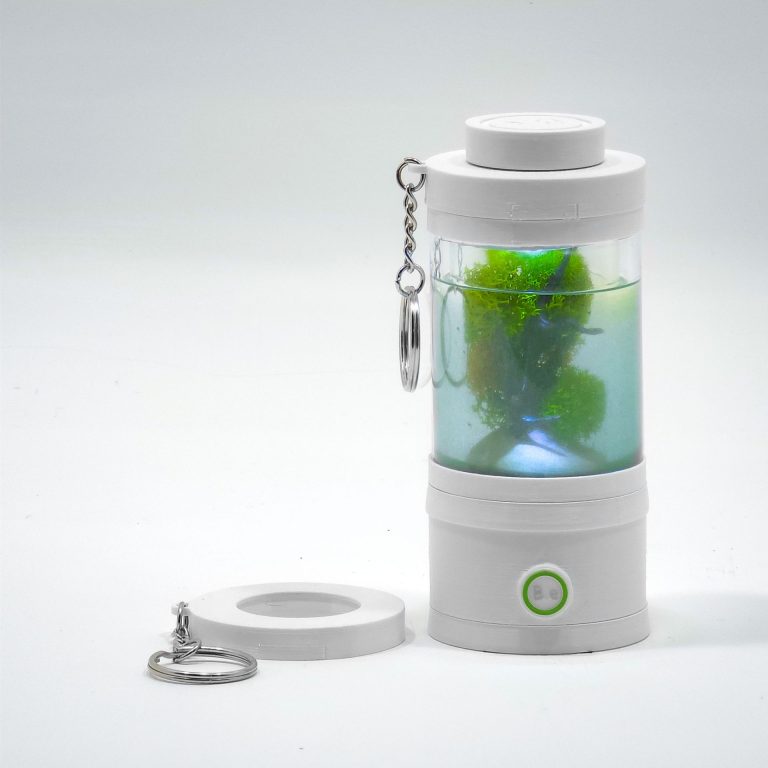
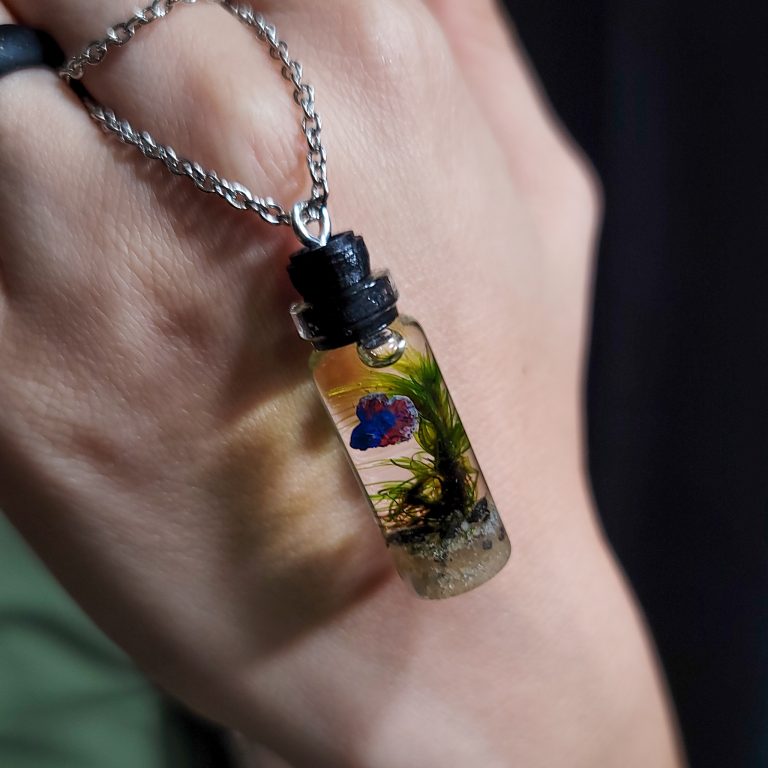
Freshwater Aquarium Necklace Charm
$24.99

Potamotrygon falkneri
Reviewed for accuracy · Last updated Dec 30, 2025, 11:03 PM
Potamotrygon Falkneri are bottom-dwelling, moderately aggressive stingrays requiring careful substrate management and large aquariums.
Freshwater
Moderate
Hard
396 gal (1500 L)
16 in (40 cm)
15–20 years
Carnivore
Resident
Potamotrygon Falkneri should be housed with large, non-aggressive bottom dwellers. Avoid small fish or aggressive species. Provide ample space to reduce stress and competition. Observe behavior during feeding. Use partitions if multiple rays are kept together. Maintain optimal water quality to reduce stress. Separate individuals if repeated aggression occurs. Provide enrichment like driftwood and smooth rocks. Avoid overcrowding to prevent injury. Ensure sufficient food to minimize competition.
Potamotrygon falkneri require very spacious freshwater tanks with a fine sandy substrate to protect their sensitive underside. Maintain temperatures between 24–28 °C and a pH of 6.0–7.5. Water hardness should remain stable, with GH 3–12 and KH 2–10.
Install strong, efficient filtration while maintaining gentle water flow along the substrate. Provide hiding areas using smooth driftwood or rounded rocks, and avoid sharp or abrasive decorations.
Observe individuals daily for signs of stress or injury. Keep lighting moderate to reflect natural river conditions. Feed a high-quality carnivorous diet regularly to support long-term health and proper growth.
Potamotrygon Falkneri are carnivores feeding on small fish, shrimp, and invertebrates. Offer live or frozen food, ensuring it sinks to the bottom. Pellets designed for carnivorous rays can supplement diet. Feed 1-2 times daily according to size. Observe feeding to ensure all rays get food. Avoid overfeeding to maintain water quality. Provide dietary variety for optimal nutrition. Remove uneaten food promptly to prevent pollution. Monitor growth and health regularly. Adjust portion size as the stingray grows.
Breeding Potamotrygon Falkneri in captivity is challenging. Spawning occurs in large tanks with soft sandy substrate. Females produce live young after gestation. Provide nutrient-rich diet to support reproductive health. Monitor water quality and temperature during gestation. Separate adults from juveniles to prevent predation. Feed juveniles small live foods initially. Gradually introduce larger foods as they grow. Observe growth and health closely. Ensure tank conditions support natural reproductive behavior.
Some links on this page may earn Fishmetry a commission at no extra cost to you.