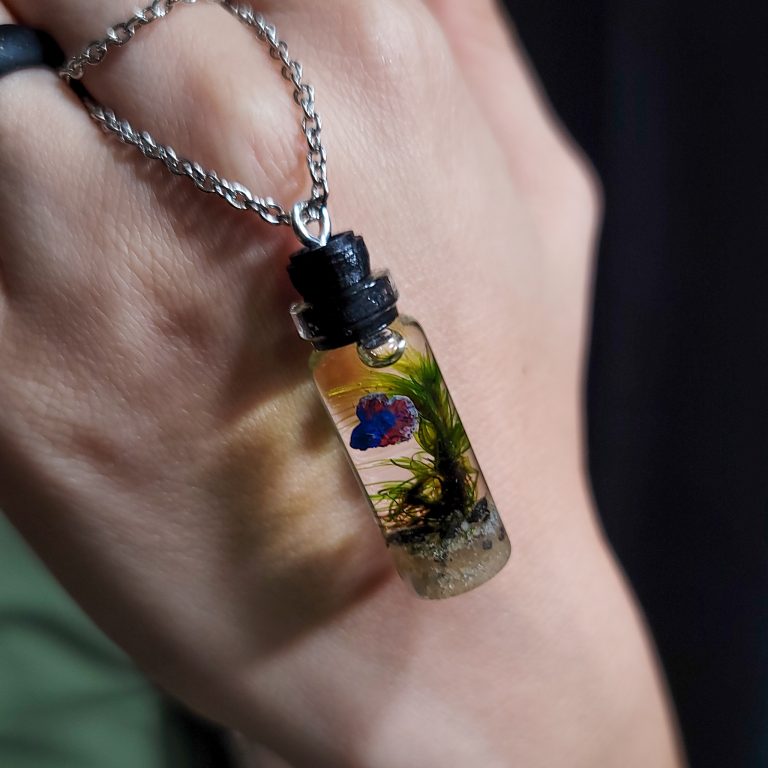
Freshwater Aquarium Necklace Charm
$24.99

Potamotrygon orbignyi
Reviewed for accuracy · Last updated Jan 22, 2026, 2:19 AM
A benthic freshwater ray that is territorial, sensitive to water quality, and demanding in space and husbandry.
Freshwater
Aggressive
Pro
396 gal (1500 L)
22 in (55 cm)
12–20 years
Carnivore
Resident
Tank mate selection for Potamotrygon orbignyi is extremely limited. In nature, these rays coexist with other species due to vast spatial availability, not because of social compatibility. In aquariums, space constraints amplify territorial behavior and increase the risk of conflict.
Small fish are often consumed, while aggressive or fin-nipping species can injure the ray’s eyes, spiracles, or disc. Even seemingly compatible fish may cause chronic stress through competition or harassment. Large, peaceful, midwater species may sometimes coexist in very large systems, but outcomes are highly variable and require constant monitoring.
Housing multiple rays together introduces additional challenges. Territorial disputes, mating aggression, and competition for food are common, especially in confined environments. Adequate space and careful observation are mandatory if attempting group setups.
For most keepers, a species-only aquarium is the safest and most ethical option. This approach minimizes stress, simplifies feeding, and allows close monitoring of health and behavior.
Potamotrygon orbignyi is a highly specialized freshwater stingray native to South American river basins, where it inhabits sandy bottoms, slow-moving channels, and floodplain areas. Successfully maintaining this species requires advanced aquaristic knowledge, substantial space, and a strong commitment to water quality management.
The aquarium must offer a large footprint with extensive open sand areas. Fine, smooth sand is mandatory to prevent abrasions to the delicate ventral disc. Gravel or sharp substrates can cause severe injuries and infections. Decorations should be minimal and smooth, with driftwood or rocks placed only at the perimeter to avoid restricting movement.
Filtration must be oversized and redundant, as stingrays are extremely sensitive to ammonia and nitrite. Even brief exposure to poor water quality can result in rapid health decline. Strong biological filtration, high oxygenation, and frequent partial water changes are essential components of daily care. Temperature and pH must remain stable, as fluctuations cause stress and immunosuppression.
Lighting can be moderate, but shaded areas help reduce stress. Rays spend most of their time resting on or partially buried in the substrate, emerging to forage. Due to their size, behavior, and venomous caudal spine, this species is unsuitable for casual aquarists and should only be kept by experienced professionals.
Potamotrygon orbignyi is a carnivorous benthic feeder that consumes insects, crustaceans, mollusks, and small fish in the wild. Its feeding strategy relies on detecting prey buried in substrate using electroreception and olfactory cues.
In captivity, a varied diet of high-quality meaty foods is essential. Earthworms, shrimp, mussels, squid, and specially formulated ray pellets can be offered. Food should be placed directly on the substrate to encourage natural foraging behavior. Floating foods are generally ignored.
Feeding frequency should be regular but controlled. Juveniles require more frequent meals, while adults can be fed less often. Overfeeding leads to obesity, fatty liver disease, and rapid deterioration of water quality. Observing feeding response is crucial, as reduced appetite often signals stress or illness.
Vitamin and mineral supplementation is recommended for long-term health. Uneaten food must be removed promptly. Because rays lack scales and are highly sensitive, maintaining pristine water conditions is inseparable from proper nutrition.
Breeding Potamotrygon orbignyi in captivity is possible but challenging and should only be attempted by highly experienced keepers. This species is ovoviviparous, meaning embryos develop internally and are born as fully formed juveniles. Successful breeding requires excellent water quality, ample space, and careful sex ratio management.
Courtship can be aggressive, with males biting the female’s disc to maintain position. Adequate space is critical to allow females to avoid excessive harassment. Stress during gestation can lead to aborted pregnancies or stillbirths.
Gestation periods vary depending on temperature and environmental conditions. Newborn rays are relatively large and independent but extremely sensitive to water quality. Separate rearing systems with identical parameters are often used to maximize survival.
While captive breeding reduces pressure on wild populations, it must be approached responsibly. Improper setups lead to high mortality and ethical concerns. For most aquarists, breeding should be considered an advanced, optional goal rather than a primary objective.
Some links on this page may earn Fishmetry a commission at no extra cost to you.