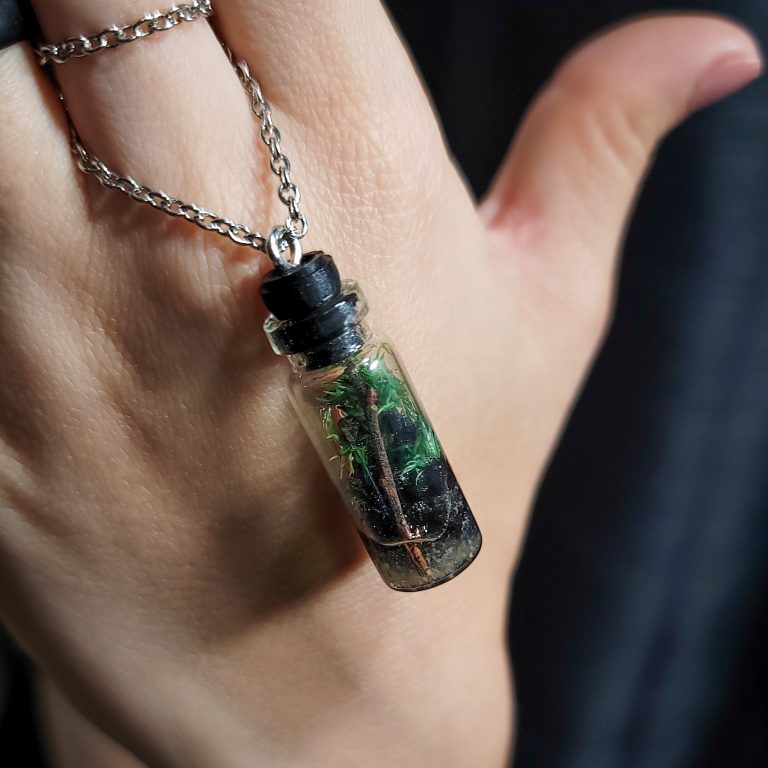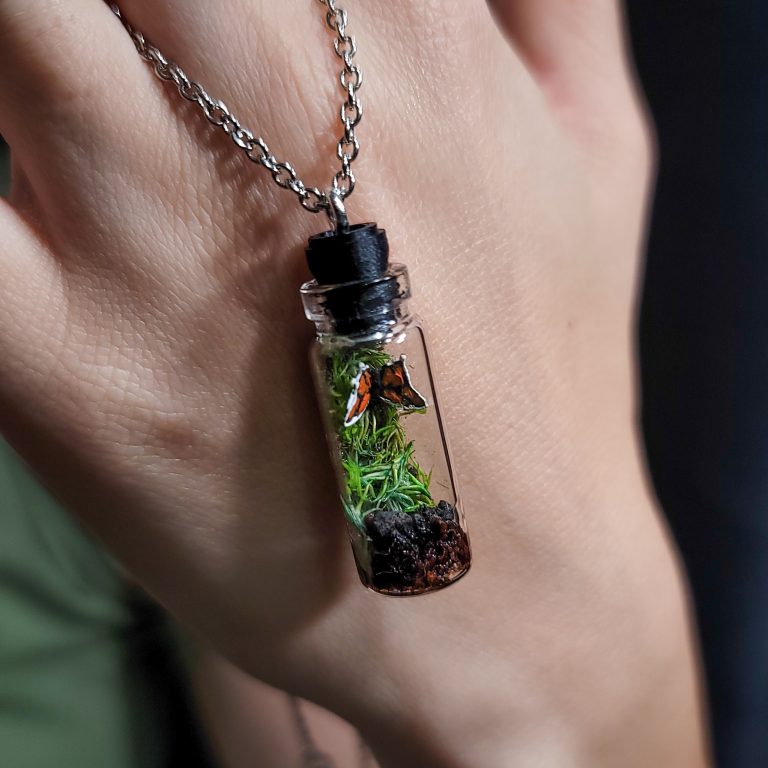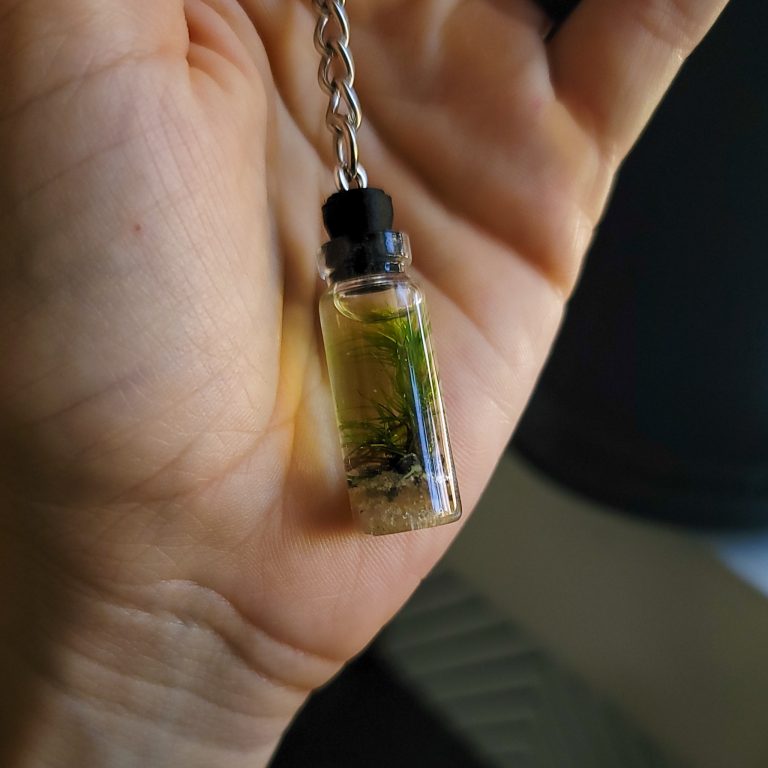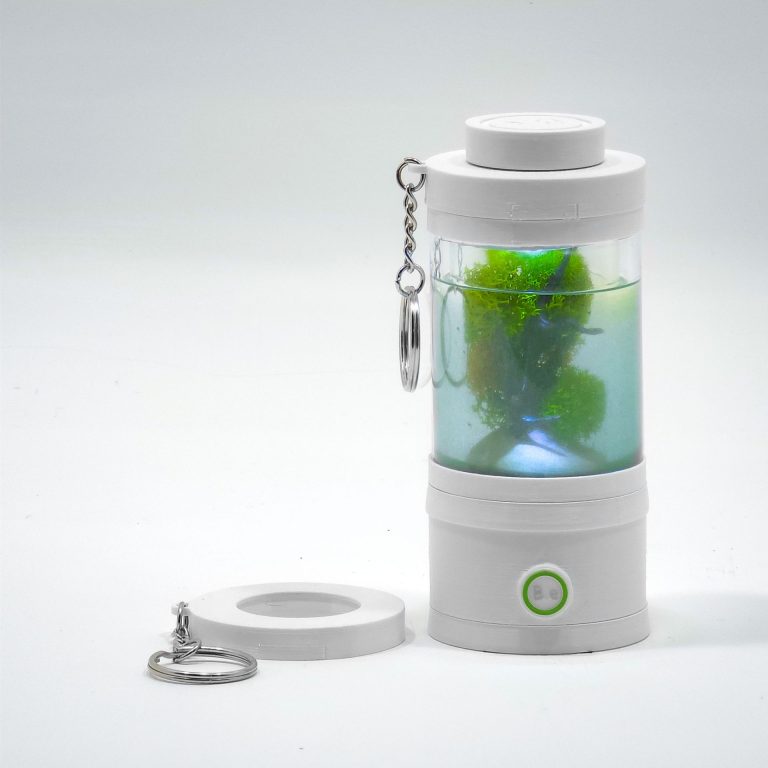
Freshwater Aquarium Necklace Charm
$24.99

Pseudomugil gertrudae
Reviewed for accuracy · Last updated Dec 24, 2025, 3:32 PM
An active, schooling nano fish that remains calm and social, showing best colors and confidence when kept in groups.
Freshwater
Peaceful
Easy
11 gal (40 L)
1 in (3.5 cm)
3–5 years
Insectivore
Resident
Gertrude’s Blue-eye is a very peaceful species suitable for calm community aquariums. It should only be housed with fish that share similar size and temperament. Aggressive or boisterous species can easily intimidate them.
Ideal tank mates include small tetras, rasboras, and other peaceful nano fish. They also coexist well with other Pseudomugil species in spacious tanks. Keeping compatible species reduces stress and encourages natural behavior.
Peaceful invertebrates such as shrimp and snails are generally safe companions. The fish rarely show interest in adult shrimp, especially in planted tanks. Dense plants provide refuge for smaller tank inhabitants.
Avoid fin-nipping species, as males have delicate fins used in displays. Overcrowding should be avoided to maintain water quality and harmony. A thoughtfully planned community ensures a stable and attractive aquarium.
Gertrude’s Blue-eye thrives in well-planted aquariums with gentle water movement and stable parameters. Dense vegetation, floating plants, and open swimming areas help replicate its natural habitat. Soft to moderately hard water with consistent maintenance is essential for long-term health.
A dark substrate and subdued lighting enhance their coloration and reduce stress levels. They prefer clean, oxygen-rich water and benefit from weekly partial water changes. Sudden changes in temperature or chemistry should always be avoided.
This species feels safest in groups of six or more, which encourages natural schooling behavior. When kept in numbers, males display brighter colors and more frequent displays. A calm environment without aggressive tankmates is important for their wellbeing.
Although adaptable, they do best in mature tanks with established biological filtration. Natural décor such as driftwood and leaf litter can be added for enrichment. Overall, a stable and peaceful setup results in healthier and more confident fish.
In the wild, Gertrude’s Blue-eye feeds primarily on tiny insects and micro-crustaceans. Their small mouths are adapted to consuming fine, moving prey near the water surface. This natural preference should guide feeding choices in captivity.
High-quality micro pellets and finely crushed flakes can be used as a staple diet. However, these should be supplemented with live or frozen foods regularly. Foods like daphnia, baby brine shrimp, and cyclops are especially beneficial.
Offering varied foods enhances coloration, immunity, and overall vitality. Small portions fed once or twice daily are ideal to prevent waste buildup. Uneaten food should not be allowed to accumulate in the aquarium.
Because they are active feeders, they may be outcompeted by larger fish. Target feeding or spreading food across the surface helps ensure equal access. A balanced and diverse diet supports long-term health and breeding readiness.
Breeding Gertrude’s Blue-eye is achievable in home aquariums with proper conditions. They are egg scatterers and show no parental care after spawning. A separate breeding tank is often recommended for higher success rates.
Slightly warmer water and frequent small water changes can trigger spawning. Fine-leaved plants or spawning mops provide ideal surfaces for egg deposition. Eggs are laid daily in small numbers over extended periods.
Adults may eat the eggs, so removal or separation is advised. Eggs typically hatch within one to two weeks depending on temperature. The fry are extremely small and require infusoria or liquid fry food initially.
As the fry grow, they can be transitioned to microworms and baby brine shrimp. Clean water and gentle filtration are critical during early development. With patience, steady growth and healthy juveniles can be achieved.
Some links on this page may earn Fishmetry a commission at no extra cost to you.