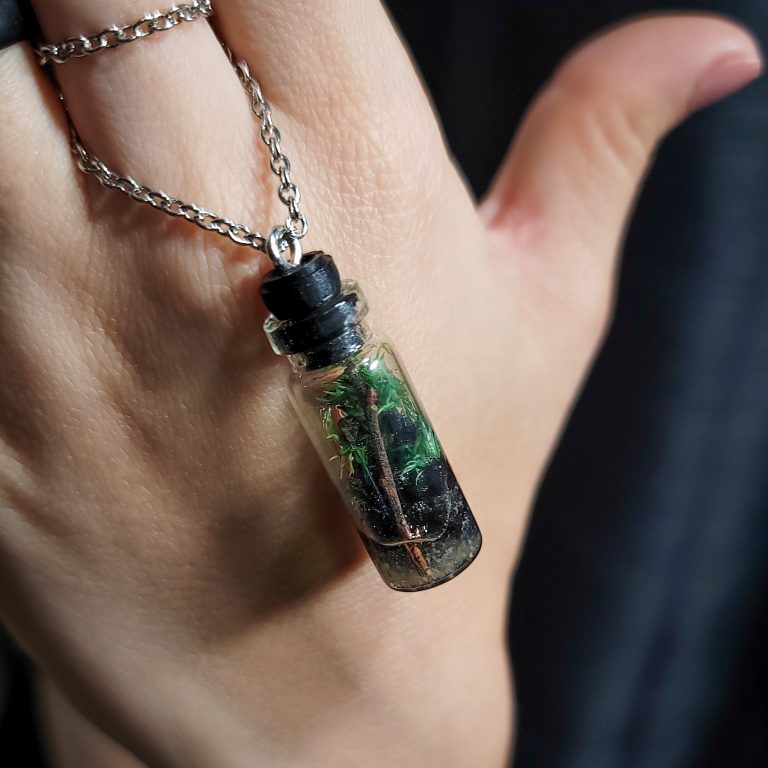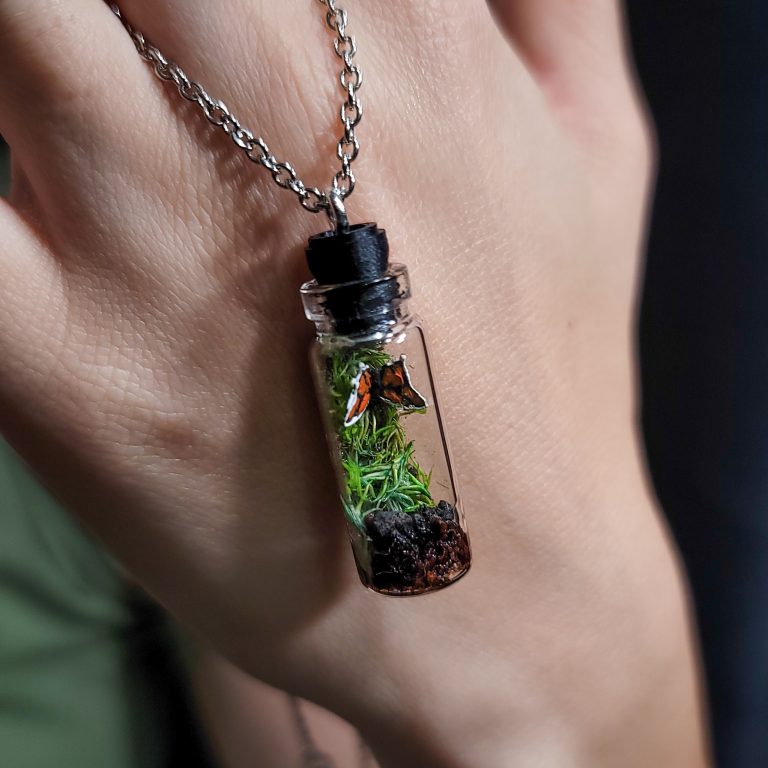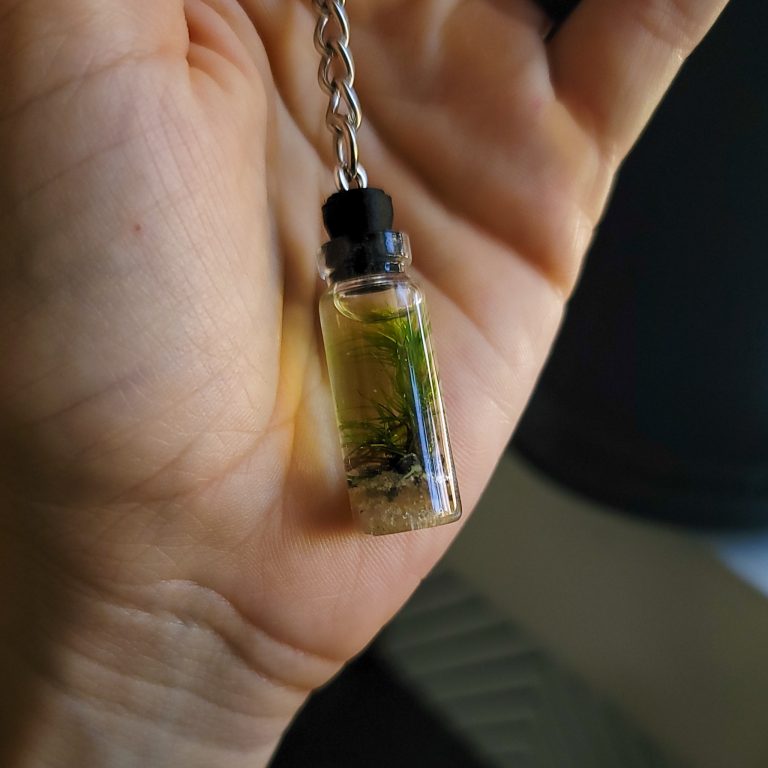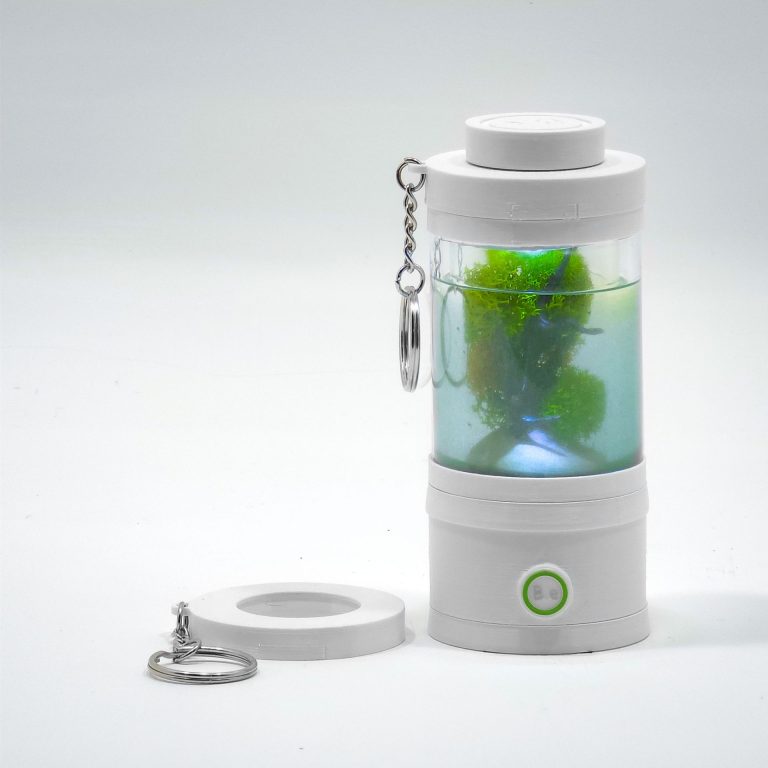
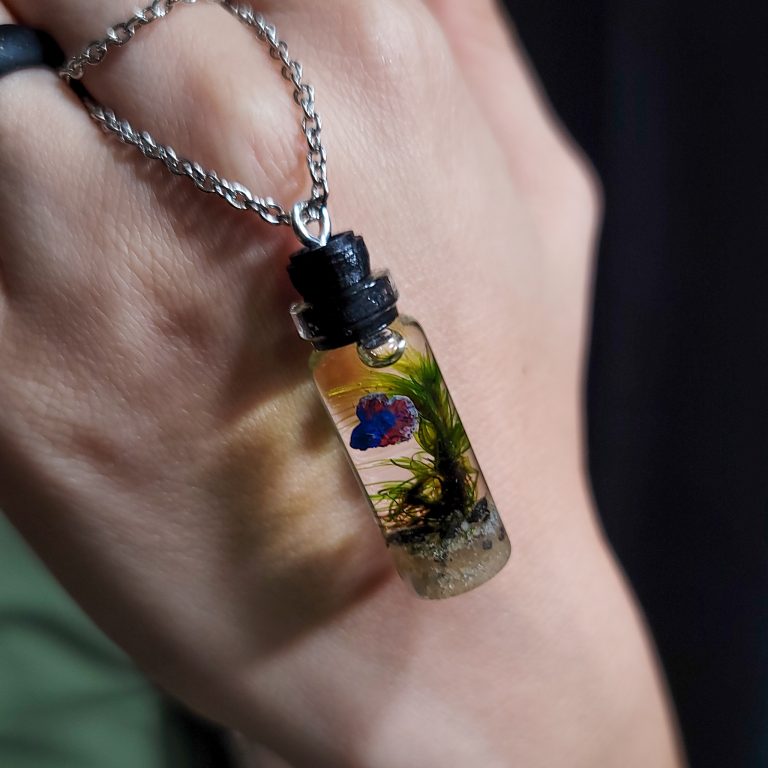
Freshwater Aquarium Necklace Charm
$24.99

Pseudomystus siamensis
Reviewed for accuracy · Last updated Jan 7, 2026, 12:26 AM
Nocturnal predatory catfish that is generally shy but will consume small fish, remaining hidden during daylight hours.
Freshwater
Moderate
Medium
48 gal (180 L)
9 in (23 cm)
8–12 years
Carnivore
Resident
Asian bumblebee catfish eat small fish. Choose tank mates carefully. Large, fast fish work best. Avoid tiny or slow species.
Peaceful midwater fish are suitable. Aggressive species cause stress. Provide hiding spots. Tank size matters.
They are solitary by nature. Multiple individuals need space. Nighttime activity increases predation. Monitor compatibility.
Community tanks require planning. Experience improves success. Size differences are critical. Observation prevents losses.
Asian bumblebee catfish need hiding spaces. They are nocturnal and reclusive. Dim lighting suits them best. Large tanks prevent stress.
Provide caves and driftwood. Use sand to protect barbels. Secure décor carefully. Strong filtration is required.
Maintain warm, clean water. Stable parameters are essential. Avoid sudden changes. Low disturbance improves health.
They are sensitive to poor quality. Regular maintenance is critical. Calm tank mates are preferred. Proper setup ensures longevity.
They are carnivorous predators. They prefer meaty foods. Offer shrimp and worms. Sinking foods are required.
Feed after lights out. They rely on scent. Avoid feeder fish. Control portions carefully.
Overfeeding pollutes water. Feed several times weekly. Juveniles eat more often. Remove uneaten food.
Diet variety prevents deficiencies. Quality foods support growth. Observation is important. Consistency improves health.
Breeding in captivity is very rare. Little is known about spawning behavior. Seasonal cues may be required. Large spaces are likely needed.
Eggs and larvae are undocumented. No parental care is expected. Most specimens are wild caught. Captive breeding is uncommon.
Attempts are experimental. Specialized setups are required. Success rates are extremely low. Research is limited.
Focus on long-term care. Healthy fish show best behavior. Stress prevents breeding. Observation adds knowledge.
Some links on this page may earn Fishmetry a commission at no extra cost to you.