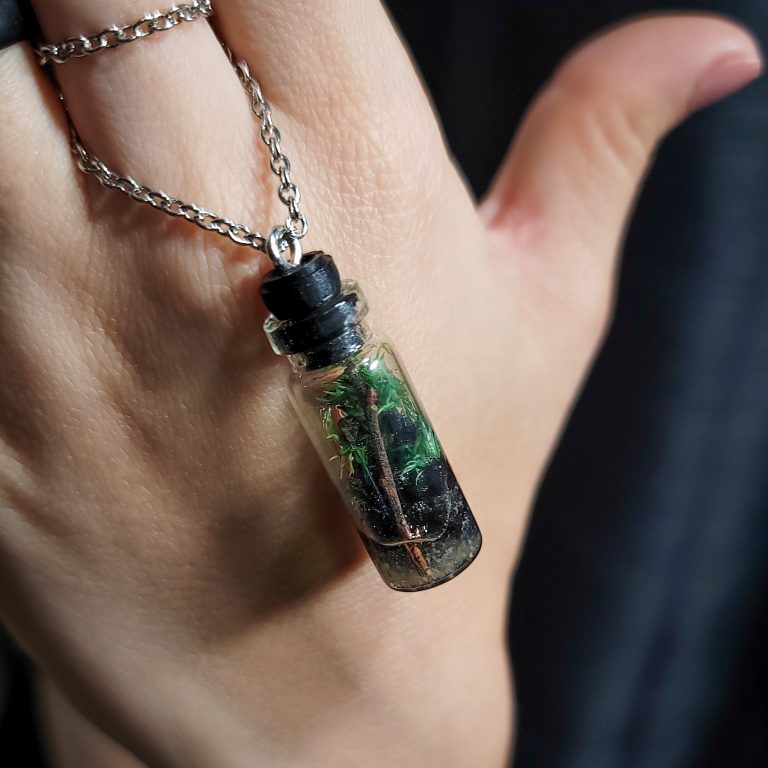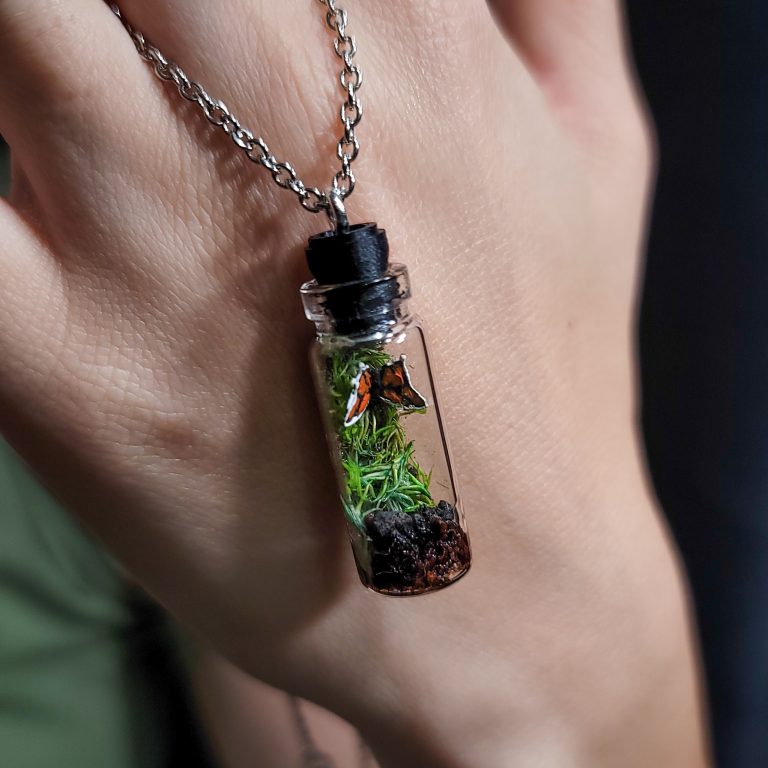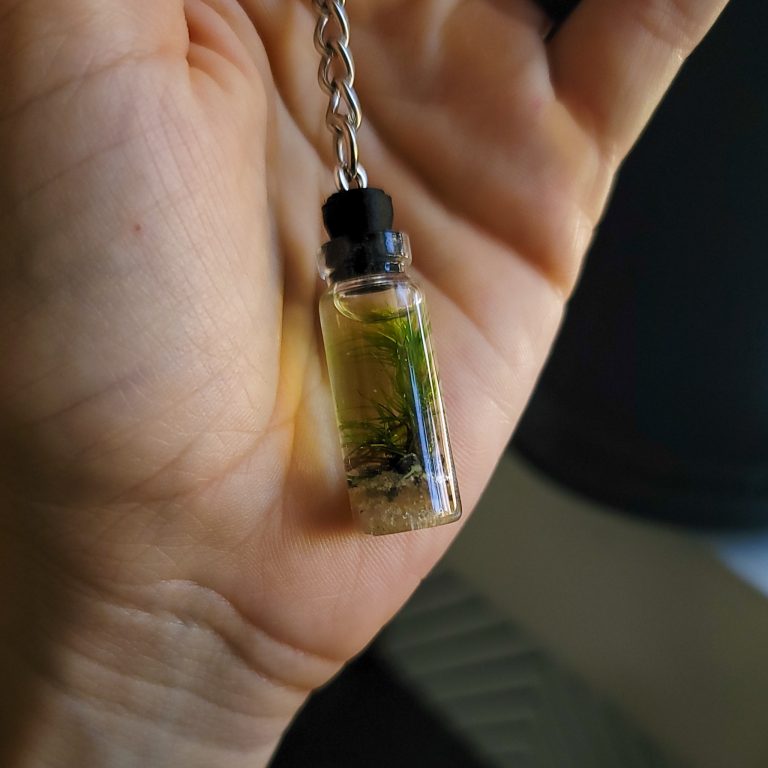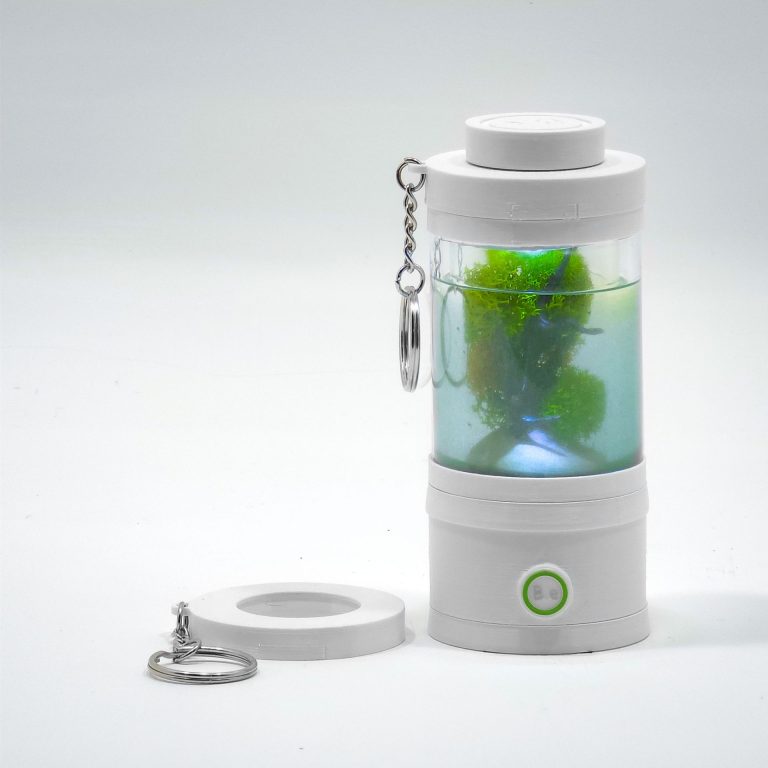
Freshwater Aquarium Necklace Charm
$24.99
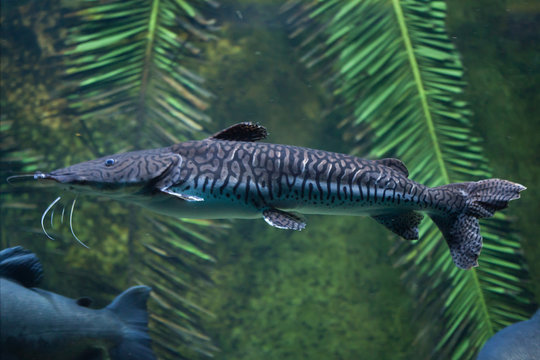
Pseudoplatystoma corruscans
Reviewed for accuracy · Last updated Jan 22, 2026, 2:17 AM
A powerful nocturnal predator that is highly territorial, intolerant of tank mates, and unsuitable for home aquaria.
Freshwater
Very Aggressive
Pro
528 gal (2000 L)
51 in (130 cm)
15–25 years
Piscivore
Resident
Pseudoplatystoma corruscans is not a community-compatible species under any realistic aquarium conditions. In the wild, it coexists with many fish species only because of the immense scale of its habitat, which allows spatial separation and escape opportunities. In captivity, these dynamics cannot be replicated, making tank mate selection effectively impossible.
Any fish small enough to be swallowed will inevitably be consumed, regardless of prior coexistence or feeding frequency. Even large, robust species are at risk of injury or death due to territorial aggression, predatory strikes, or stress-induced decline. The sheer mass and power of this catfish mean that accidental collisions can also be lethal to other fish.
Attempts to house this species with other large predators often result in dominance conflicts, fin damage, or chronic stress. Differences in activity cycles, feeding strategies, and spatial needs further complicate cohabitation. Even if aggression is not immediately apparent, long-term outcomes are almost always negative.
For these reasons, Pseudoplatystoma corruscans should be maintained alone in species-only systems. In institutional settings, it may be displayed in massive mixed-species exhibits where animals have thousands of liters per individual and carefully managed spatial zoning, but this is far beyond the scope of home aquariums.
Pseudoplatystoma corruscans is an extremely large South American pimelodid catfish that demands conditions far beyond those of conventional aquariums. In nature it inhabits major river systems with strong seasonal variation, including deep channels, floodplains, and turbid waters. Replicating even a fraction of this environment requires massive volumes of water, industrial-grade filtration, and a deep understanding of large predatory fish husbandry.
The tank must prioritize horizontal swimming space, depth, and structural stability. Substrate should be sand or fine rounded gravel to prevent damage to the sensitive barbels and ventral surface. Large driftwood structures, reinforced caves, and shaded zones are important to provide daytime shelter, as this species is primarily nocturnal. Decorations must be extremely stable, as adult specimens can easily dislodge or break unsecured elements.
Water quality is critical. Despite its size and resilience in the wild, this species reacts poorly to chronic poor water conditions in captivity. High dissolved oxygen, strong water movement, and aggressive mechanical and biological filtration are mandatory. Large, frequent partial water changes are required to manage nitrogenous waste produced by such a massive piscivorous fish. Temperature stability is essential, as prolonged exposure to suboptimal temperatures leads to immune suppression and organ stress.
Lighting should be subdued, with dim periods that respect its nocturnal behavior. Sudden changes in light intensity can cause stress responses and erratic swimming. Because of its ultimate size and aggressive nature, this species is generally unsuitable for private aquariums and should be considered only by public institutions or highly specialized facilities with the space, budget, and expertise to maintain it long-term.
In nature, Pseudoplatystoma corruscans is an apex piscivore, feeding primarily on other fish, along with occasional crustaceans and large aquatic invertebrates. Its elongated body, powerful jaws, and sensory barbels are highly specialized for ambush predation in low-visibility environments.
In captivity, diet must reflect its strict carnivorous needs. Whole fish, large pieces of marine-origin fish flesh, and appropriately sized meaty items are required to meet its nutritional demands. Feeding exclusively on feeder fish is strongly discouraged due to the high risk of disease transmission and nutritional imbalance. Instead, a varied diet of high-quality, human-grade seafood items is recommended.
Feeding frequency should be moderate, as overfeeding leads to rapid water quality deterioration and obesity-related health issues. Large meals should be spaced out to allow proper digestion. Observing feeding behavior is essential, as refusal to eat is often an early indicator of stress or environmental problems.
Vitamin supplementation may be necessary in long-term captive care to prevent deficiencies. Uneaten food must be removed promptly to maintain water quality. Due to its size and feeding habits, this species produces significant waste, reinforcing the need for oversized filtration and rigorous maintenance protocols.
Breeding Pseudoplatystoma corruscans in captivity is exceptionally rare and generally limited to large-scale commercial or research operations. In the wild, reproduction is closely linked to seasonal flooding cycles, water temperature changes, and long-distance movements within river systems. These environmental cues are extremely difficult to replicate in closed systems.
Natural spawning involves migration to specific breeding areas, followed by the release of pelagic eggs into the water column. Fertilized eggs and larvae develop in dynamic river conditions with fluctuating flow and nutrient availability. Such processes are incompatible with standard aquarium environments.
Commercial breeding efforts often rely on hormonal induction to trigger spawning, combined with controlled incubation systems. This requires specialized veterinary knowledge, precise dosing, and dedicated infrastructure. Even under these conditions, survival rates can vary significantly.
For aquarists, breeding should not be considered a realistic goal. Focus should instead remain on ethical considerations, long-term welfare, and the acknowledgment that this species is fundamentally unsuitable for home breeding or sustainable private ownership.
Some links on this page may earn Fishmetry a commission at no extra cost to you.