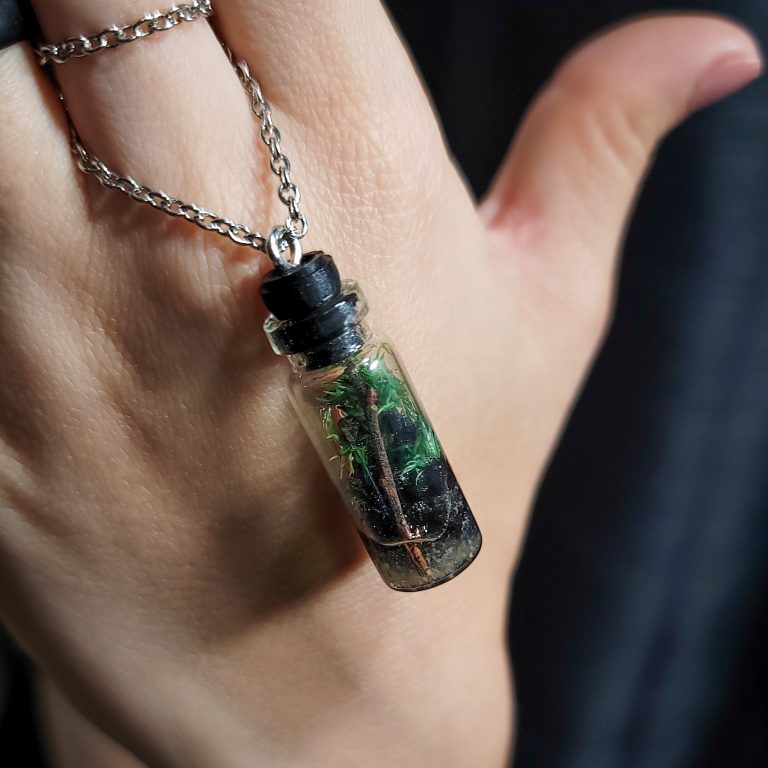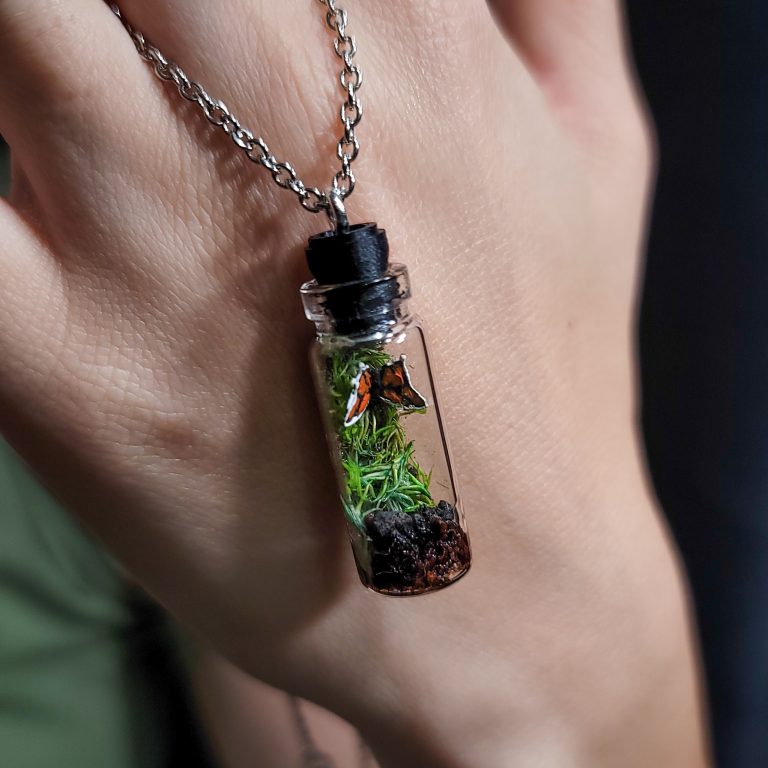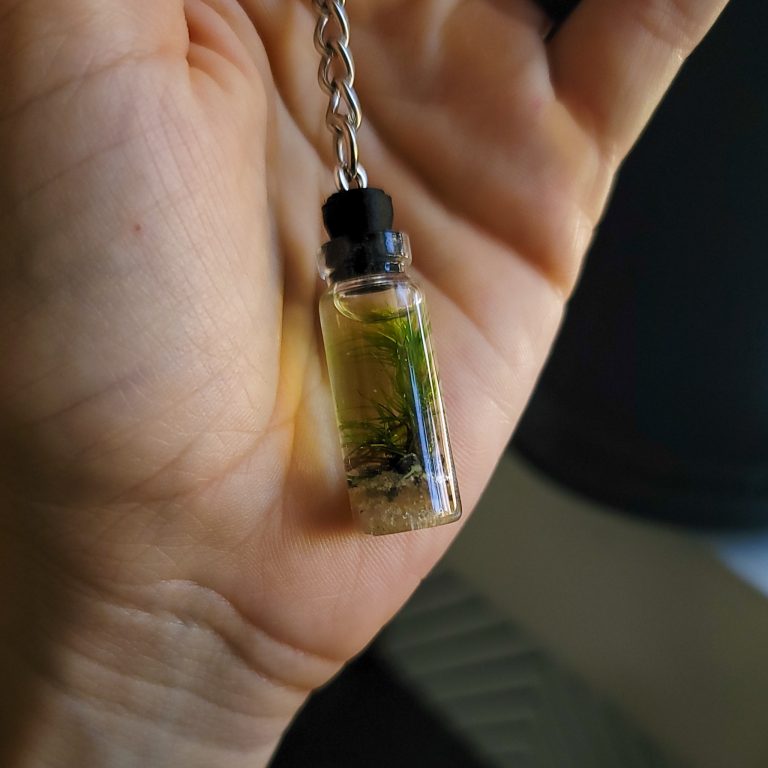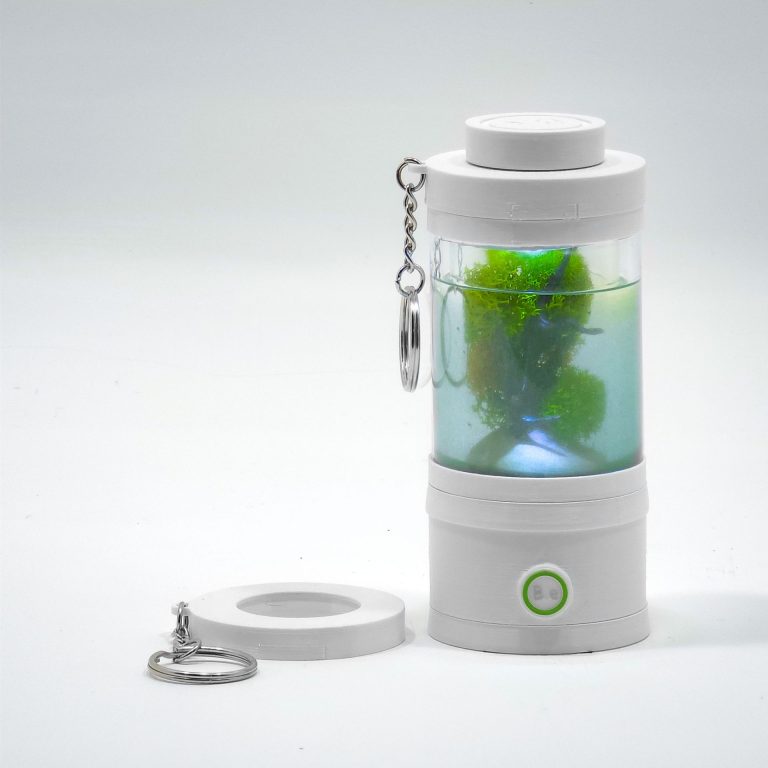
Freshwater Aquarium Necklace Charm
$24.99

Ptychocheilus lucius
Reviewed for accuracy · Last updated Jan 27, 2026, 2:35 AM
An active, powerful river predator, this species is highly migratory in nature, fast-swimming, and will dominate large freshwater systems.
Freshwater
Aggressive
Pro
1321 gal (5000 L)
71 in (180 cm)
20–40 years
Piscivore
Resident
Tank mates are generally not recommended. This species will prey on most other fish. Even large species may be harassed. Competition for space is intense.
In nature, they dominate open river systems. Captive mixing increases injury risk. Stress levels rise in shared environments. Behavior becomes unpredictable.
Species-only setups are the only option. Even then, space limitations are critical. Group housing is impractical. Solitary maintenance is preferred.
This fish is not intended for display aquariums. Compatibility charts do not apply. Separation is always safest. Welfare must come first.
Colorado Pikeminnow require massive, river-style systems. They are adapted to long-distance swimming. Strong current and open space are essential. Typical aquariums are entirely unsuitable.
Substrate should mimic riverbeds with sand and rounded stones. Structural décor should be minimal. Obstacles can cause injury at high speeds. Water must be well oxygenated.
Temperature should remain on the cooler side. Seasonal variation may benefit long-term health. Water chemistry should be stable and clean. High turnover filtration is required.
These fish are protected in many regions. They should not be kept by hobbyists. Any captive care is for educational institutions. Extreme planning and resources are mandatory.
Colorado Pikeminnow are apex piscivores. Their diet consists mainly of other fish. They are active hunters rather than ambush predators. High caloric intake supports constant swimming.
In captivity, large whole fish are required. Feeding events are substantial but infrequent. Nutritional balance is critical for longevity. Deficiencies can develop quickly.
Feeding should mimic natural feast-and-famine cycles. Overfeeding leads to water quality collapse. Underfeeding causes rapid condition loss. Monitoring body condition is essential.
This species is unsuitable for typical feeding routines. Live prey management is complex. Diet formulation requires expertise. Only professionals should attempt care.
Breeding Colorado Pikeminnow is tied to river migration. They travel long distances to spawn. Flow increase and temperature shifts are essential. Spawning occurs over gravel beds.
Eggs are broadcast and left unattended. No parental care is provided. Larvae drift downstream after hatching. Survival depends on river conditions.
Captive breeding requires simulated river channels. Such systems are extremely rare. Most breeding occurs in conservation programs. Artificial propagation is tightly controlled.
This species is endangered in the wild. Captive breeding supports restoration efforts. Private breeding is prohibited. Conservation status must be respected.
Some links on this page may earn Fishmetry a commission at no extra cost to you.