Pro
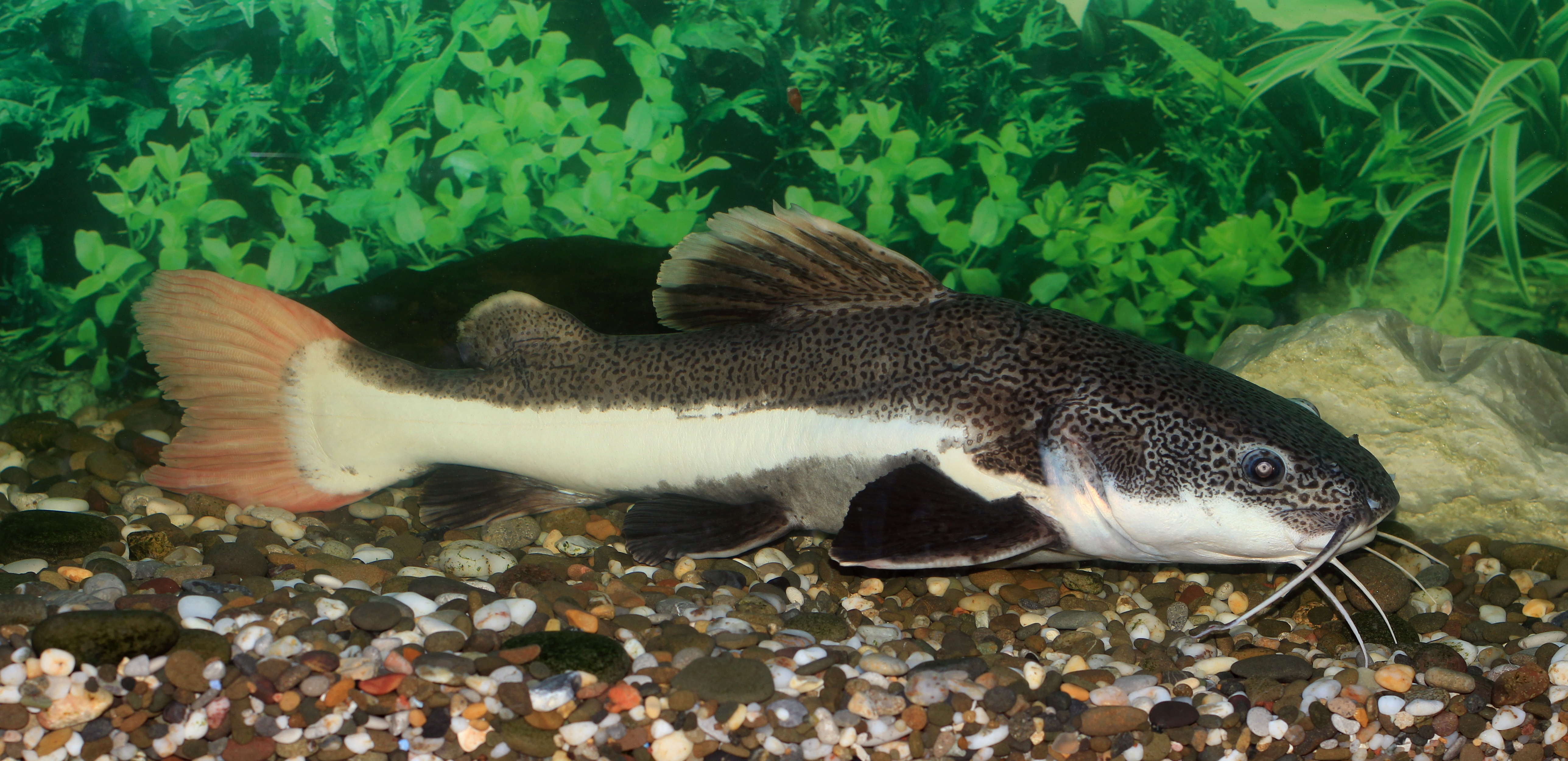
Redtail Catfish
Phractocephalus hemioliopterus

Salminus brasiliensis
Reviewed for accuracy · Last updated Dec 30, 2025, 11:01 PM
Golden Dorado are highly predatory, territorial, and very aggressive, requiring careful handling and a species-specific setup.
Freshwater
Very Aggressive
Hard
2642 gal (10000 L)
51 in (130 cm)
8–12 years
Piscivore
Resident
Golden Dorado are best kept alone or with very large, aggressive species. Avoid small or slow-moving fish that may be eaten. Provide visual barriers to reduce territorial aggression. Monitor interactions to prevent injury or stress. Use species-specific tanks for breeding or juvenile stages. Aggression increases with limited space or poor hiding spots. Separate individuals if repeated fights occur. Feed tank mates adequately to minimize competition. Observe behavior daily to adjust stocking density. Maintain optimal water quality to reduce stress-induced aggression.
Phractocephalus hemioliopterus

Colossoma macropomum
Golden Dorado are active, predatory freshwater fish that require large tanks with strong filtration and fast-moving water. Provide wide open swimming areas and secure décor for shelter.
Keep temperatures between 20–28 °C, with a pH of 6.0–8.0, GH 4–15, and KH 3–12. This species is strictly freshwater and should be kept at SG 1.000–1.003.
Perform regular water changes, avoid small or delicate tank mates, and monitor behavior closely. A high-quality, protein-rich diet and proper enrichment help maintain health and activity.
Golden Dorado are piscivores requiring live or frozen fish. Feed small fish or high-protein pellets suitable for carnivores. Offer occasional insects to supplement their natural diet. Avoid overfeeding to prevent water quality issues. Provide meals 1-2 times daily based on fish size and appetite. Observe feeding behavior to ensure all individuals receive food. Supplement with vitamins or amino acids if needed. Feed varied prey to prevent dietary deficiencies. Do not introduce overly large prey to avoid choking hazards. Remove uneaten food promptly to maintain tank hygiene.
Golden Dorado breeding in captivity is challenging and rarely achieved. Spawning requires large, river-like tanks with strong current. Males develop bright coloration and defend territories. Females release eggs in shallow areas or against rocks. Fertilization occurs externally, and eggs are left to drift naturally. Provide ideal water temperature and chemistry for spawning cues. Separate adults after spawning to prevent egg predation. Collect eggs carefully if attempting artificial breeding. Monitor fry growth and feed appropriate live foods. Maintain high water quality to ensure survival of juveniles.
Some links on this page may earn Fishmetry a commission at no extra cost to you.