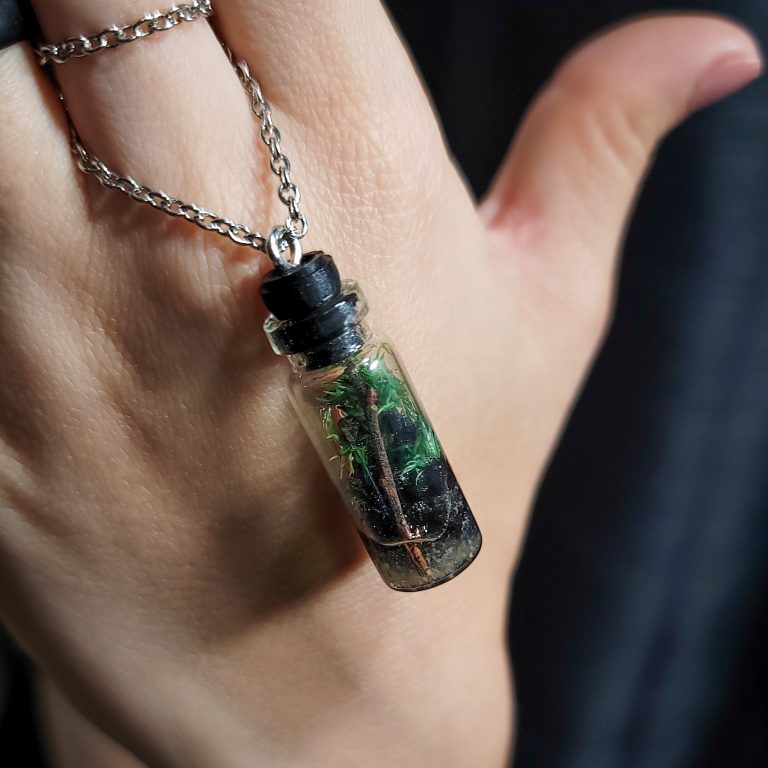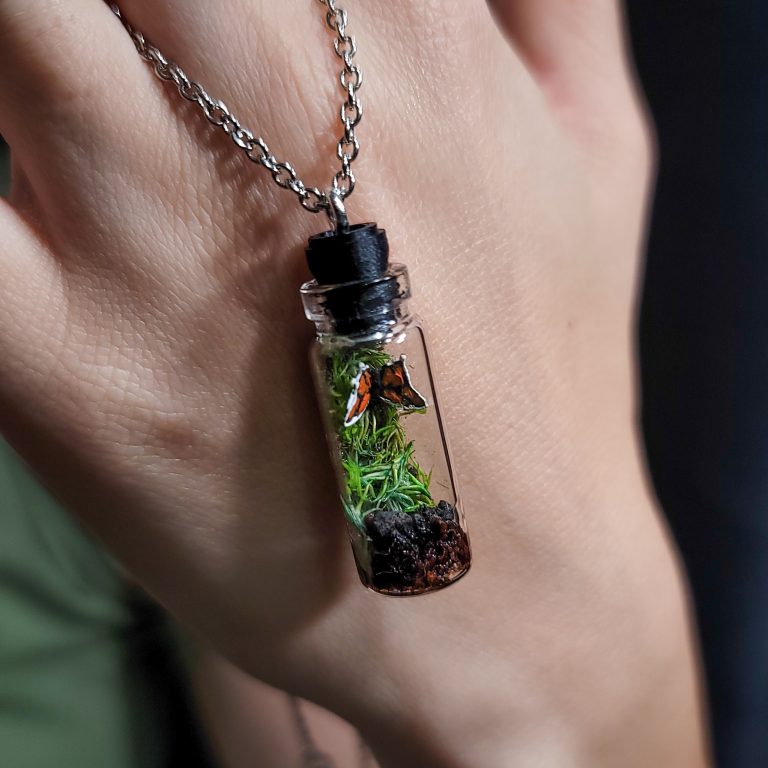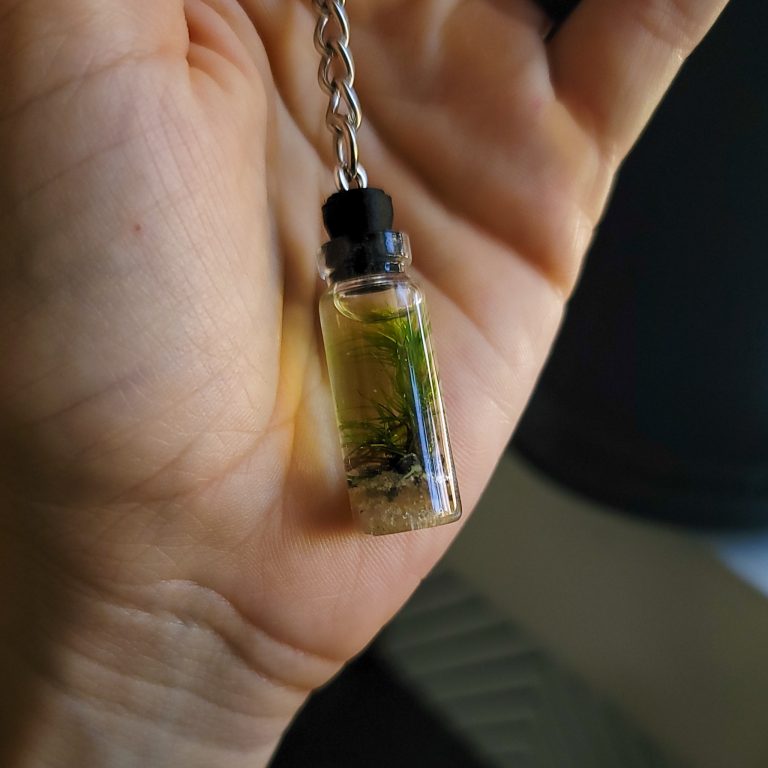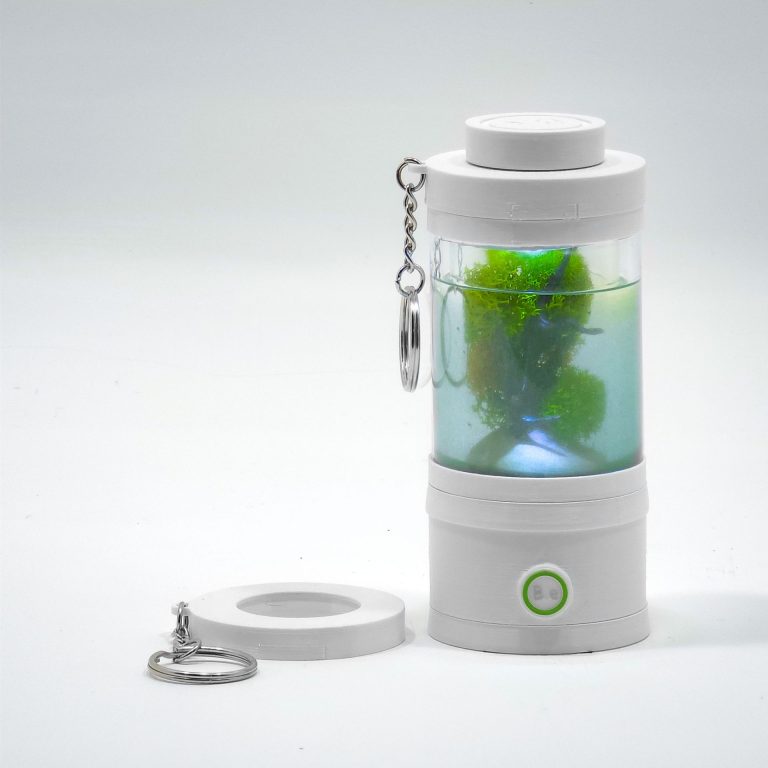
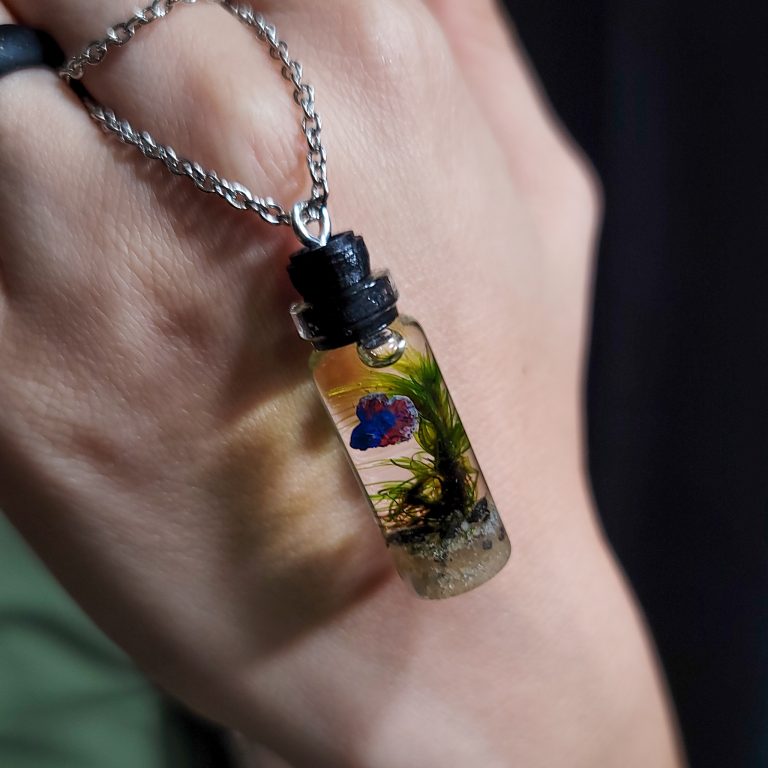
Freshwater Aquarium Necklace Charm
$24.99
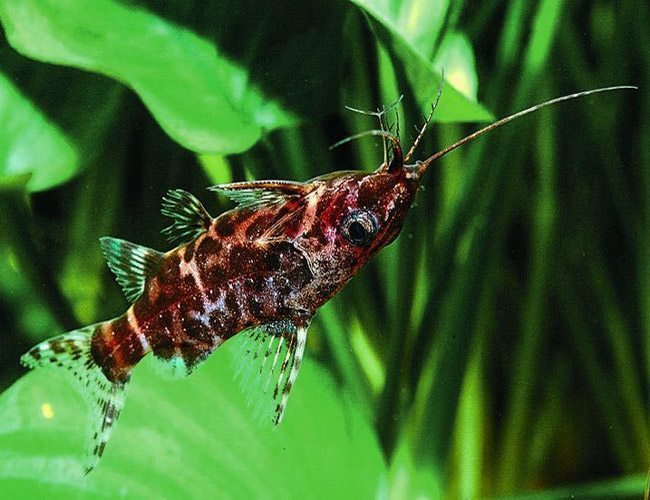
Synodontis nigriventris
Reviewed for accuracy · Last updated Dec 20, 2025, 5:19 PM
Nocturnal and unique for swimming inverted; peaceful but can be territorial with conspecifics in small tanks.
Freshwater
Peaceful
Easy
21 gal (80 L)
4 in (11 cm)
8–12 years
Omnivore
Resident
Upside-down catfish are peaceful with many community species but prefer calm tankmates that don't harass them. Compatible companions include tetras, rasboras, peaceful cichlids of appropriate size, and other non-aggressive fish. Avoid overly aggressive or very large predators that may intimidate or prey on the catfish, especially at night. Provide sufficient hiding spots and vertical relief so tank mates do not monopolize caves and ledges.
Keep a small group of synodontis to promote social behaviour but ensure sufficient territory for each individual. Quarantine new additions to protect the catfish from diseases introduced by untested stock. Match water chemistry across species in the community to reduce stress and encourage stable interactions. Monitor for signs of bullying during feeding and rearrange décor if dominant fish prevent access to food for others.
Maintain a clean tank and provide feeding stations at different heights so inverted feeders can access food easily. Avoid fin-nipping species that may injure the synodontis or cause them to hide excessively during the day. Plan stocking to allow nocturnal and diurnal species to coexist without undue competition for resources.
Upside-down catfish are best kept in aquaria with caves, driftwood, and dimmed lighting to encourage natural behaviours. Provide ample hiding spaces and open swimming areas near the surface since they often feed and swim inverted. Keep them in small groups to reduce stress but provide enough space to prevent territorial disputes among individuals. Maintain clean water with gentle to moderate filtration and regular water changes to support their long lifespans.
Temperatures between 23–28°C and neutral pH values suit this species; avoid sudden parameter swings. Use smooth décor and substrates to protect barbels and skin while they forage and rest upside-down. Quarantine new specimens and acclimate slowly, as stress during transfer can lead to disease in this sensitive species. Observe during the day and night to understand their activity patterns and ensure they're feeding properly.
Avoid housing them with very aggressive or very small species that can be harassed or eaten during nocturnal activity. Ensure foods reach higher water levels occasionally since they often feed inverted along the underside of surfaces. Balance stocking densities and provide routine maintenance to keep nitrate and phosphate in check. Enjoy their entertaining behaviour but be prepared to adjust tank structure if dominant individuals become territorial.
Synodontis nigriventris are omnivores and will accept sinking pellets, wafers, and occasional meaty treats. Feed a balanced diet of sinking catfish pellets, algae wafers, and frozen brine shrimp or bloodworms. Offer small feedings once daily in the evening; they are most active after lights-out and will feed readily. Supplement with vegetable matter like blanched zucchini or spirulina wafers to ensure dietary balance.
Rotate feed types to prevent nutritional deficiencies and provide enrichment through variety in food textures. Young fish may require more frequent feeding with smaller portions until they reach adult size and stability. Avoid overfeeding and promptly remove uneaten food to maintain water quality and reduce the risk of disease. Observe feeding behaviour to ensure inverted feeding is successful and adjust feeding sites as needed.
Provide occasional live foods for conditioning or enrichment to stimulate natural hunting and foraging behaviours. Store and prepare frozen foods correctly to avoid bacterial contamination during feeding sessions. A balanced diet and consistent maintenance contribute to their robust health and long captive lifespans.
Breeding Synodontis nigriventris in captivity occurs but is not commonly achieved in community tanks. Provide spacious tanks with caves or PVC tubes for spawning and maintain excellent water quality throughout. Condition breeding adults with high-quality protein foods and create subtle seasonal changes to encourage spawning. If spawning occurs, parents often guard eggs in cavities; monitoring can be difficult because of hidden sites.
Raise fry on fine powdered foods and micro-organisms appropriate to small catfish larvae if you can collect them. Keep fry in separate, well-maintained grow-out tanks with gentle filtration to avoid predation by adults. Document conditions that led to spawning to replicate them in future attempts and improve success rates. Understand that captive breeding of many synodontis species may require specific triggers such as temperature changes.
Be patient and meticulous—breeding success increases with experience and controlled environmental management. Consider collaboration with breeders who have documented successful methods for spawning synodontis species. Maintain long-term records of pairings and outcomes to refine techniques and support sustainable propagation.
Some links on this page may earn Fishmetry a commission at no extra cost to you.