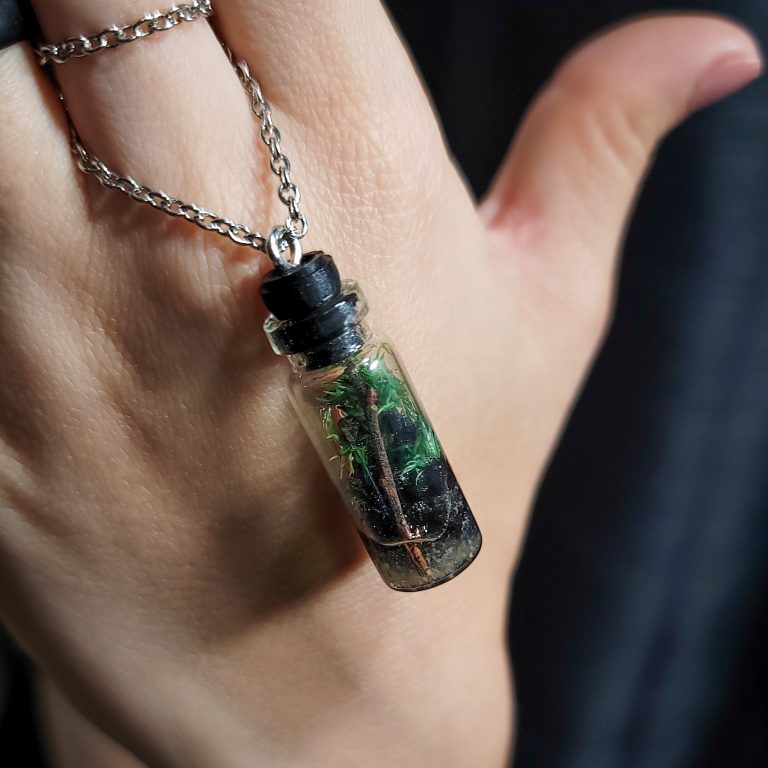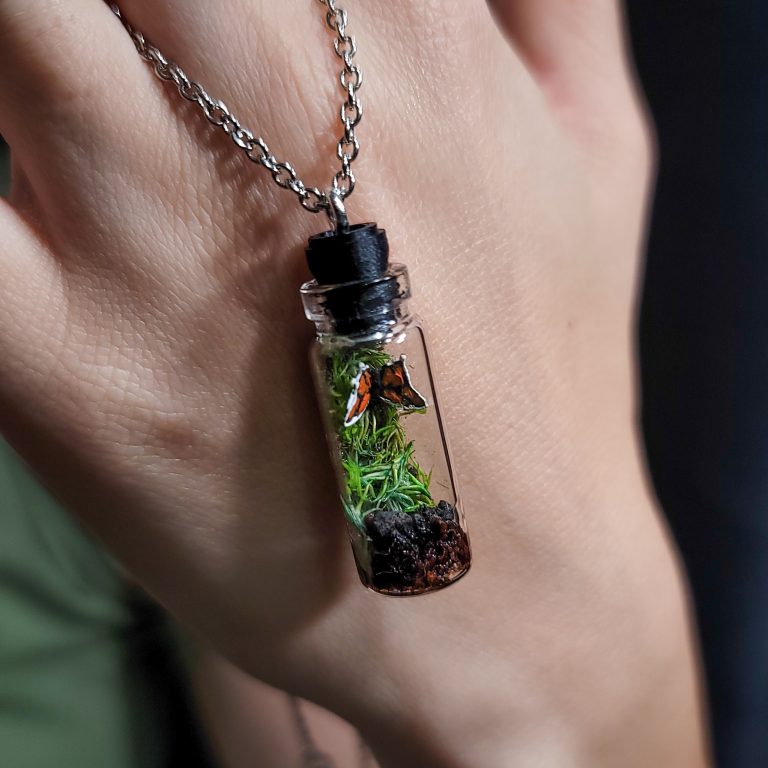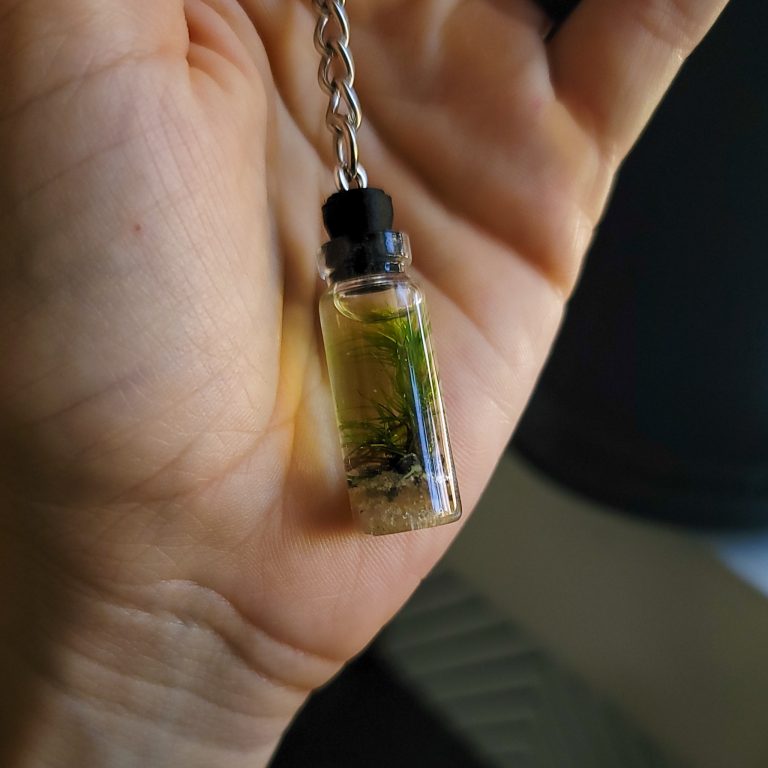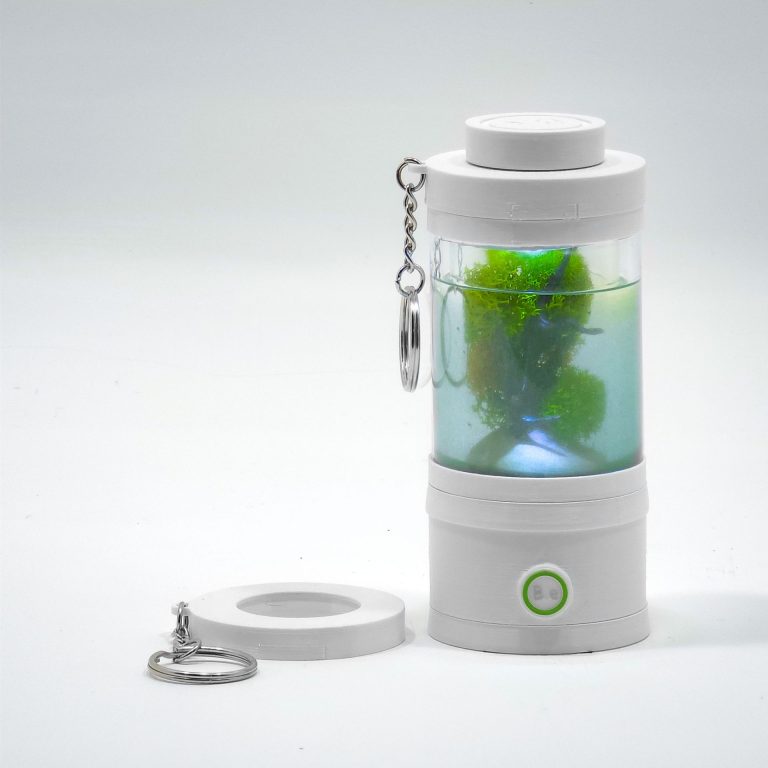
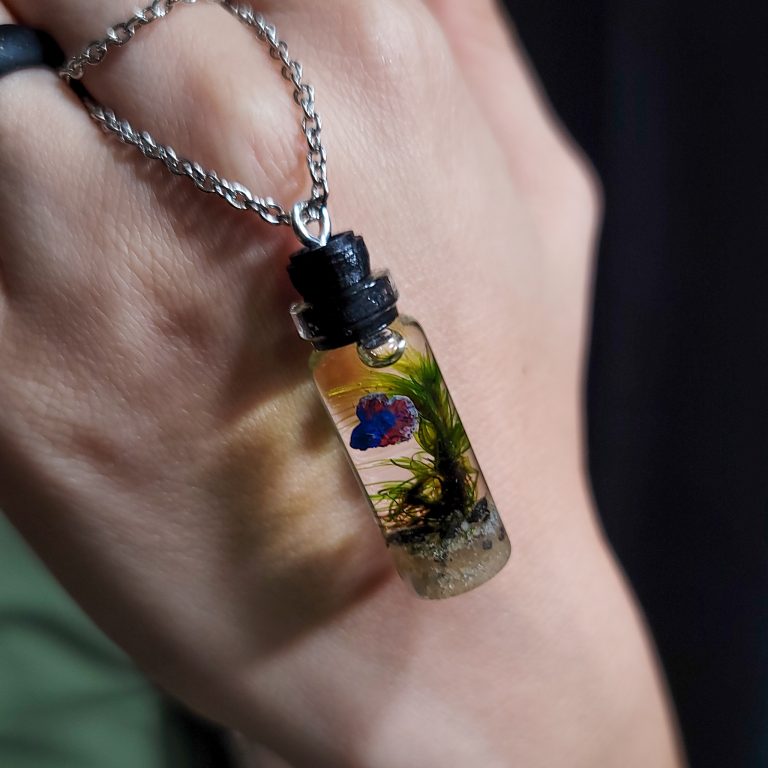
Freshwater Aquarium Necklace Charm
$24.99

Trichopsis pumila
Reviewed for accuracy · Last updated Jan 9, 2026, 2:18 AM
Shy and calm labyrinth fish that prefers planted, dim aquariums, showing gentle social behavior and soft croaking sounds.
Freshwater
Peaceful
Medium
8 gal (30 L)
2 in (4 cm)
4–6 years
Insectivore
Resident
Sparkling gouramis are extremely peaceful and shy fish, making tank mate selection a critical aspect of successful care. They do best in calm community aquariums with species that share similar environmental requirements and non-aggressive behavior. Fast-moving or boisterous fish can easily intimidate them, leading to chronic stress and hiding.
Ideal tank mates include small rasboras, micro tetras, peaceful dwarf catfish, and other gentle nano species. Invertebrates such as small shrimp and snails are generally safe, especially in well-planted tanks that provide hiding spots. Keeping them with similarly sized labyrinth fish is possible if space is adequate and territories are clearly defined.
They can be kept singly, in pairs, or in small groups, though groups require sufficient space and dense planting to prevent dominance issues. Males may display mild territorial behavior toward each other, but this rarely escalates into serious aggression.
Avoid housing them with aggressive gouramis, cichlids, or fin-nipping species, as these combinations often result in stress, suppressed feeding, and reduced lifespan.
Trichopsis pumila originates from slow-moving waters in Southeast Asia, where it inhabits shallow swamps, rice paddies, canals, and forest streams. These environments are typically warm, soft, and slightly acidic, with dense marginal vegetation and a layer of leaf litter on the bottom. In the aquarium, replicating these conditions is essential for long-term health and natural behavior.
A well-planted tank with fine-leaved plants, floating vegetation, and shaded areas helps reduce stress and encourages normal activity. The substrate should be dark and soft, such as sand or fine gravel, which enhances coloration and mimics natural habitats. Driftwood and dried leaves like Indian almond leaves can be added to release tannins and create visual barriers.
Water flow should be minimal, as this species is adapted to calm waters. Gentle filtration is preferred, and surface agitation should be limited to avoid disturbing its labyrinth breathing behavior. Stable water parameters, warm temperatures, and excellent water quality are more important than frequent large water changes, which should be avoided.
Because Trichopsis pumila is sensitive to sudden environmental changes, aquariums should be mature and biologically stable before introduction. Dim lighting and a calm environment contribute greatly to its well-being.
In the wild, Trichopsis pumila feeds primarily on small insects, insect larvae, microcrustaceans, and zooplankton found near the water surface and among vegetation. This natural diet classifies it as an insectivore with a strong preference for live or moving food items.
In captivity, they may initially be reluctant to accept dry foods, especially when newly introduced. Offering live or frozen foods such as daphnia, mosquito larvae, brine shrimp, and cyclops helps establish regular feeding behavior. Once acclimated, they may accept high-quality micro pellets or finely crushed flakes, though these should not be the sole diet.
Feeding should be done in small portions once or twice daily, ensuring that food reaches calm areas of the tank where the fish feels secure. Overfeeding must be avoided, as uneaten food can quickly degrade water quality in low-flow aquariums.
A varied diet not only supports growth and immune function but also enhances coloration and natural behavior. Observing feeding responses is important, as shy individuals may need targeted feeding to ensure proper nutrition.
Breeding Trichopsis pumila in captivity is possible and highly rewarding, though it requires careful attention to environmental conditions. This species is a bubble nest builder, with the male constructing a small, delicate nest at the water surface, often hidden among floating plants.
To encourage spawning, the aquarium should be warm, with soft and slightly acidic water. Lowering water flow and providing dense surface cover significantly increases the chances of nest building. Conditioning the breeding pair with abundant live foods is essential prior to spawning attempts.
During courtship, males may produce audible croaking sounds and display intensified coloration. Spawning occurs beneath the bubble nest, where the female releases eggs that the male fertilizes and carefully places into the nest. After spawning, the female should be removed to prevent harassment.
The male guards the nest and fry until they become free-swimming. At this stage, he should also be removed to prevent predation. Fry are extremely small and require infusoria or other microscopic foods before transitioning to newly hatched brine shrimp. Stable water quality and gentle care are critical during early development.
Some links on this page may earn Fishmetry a commission at no extra cost to you.