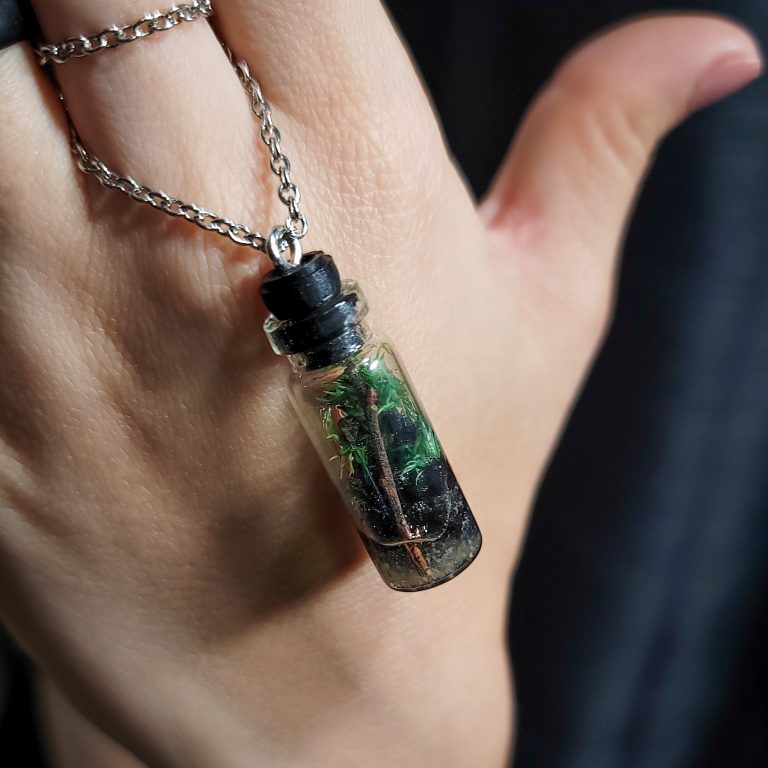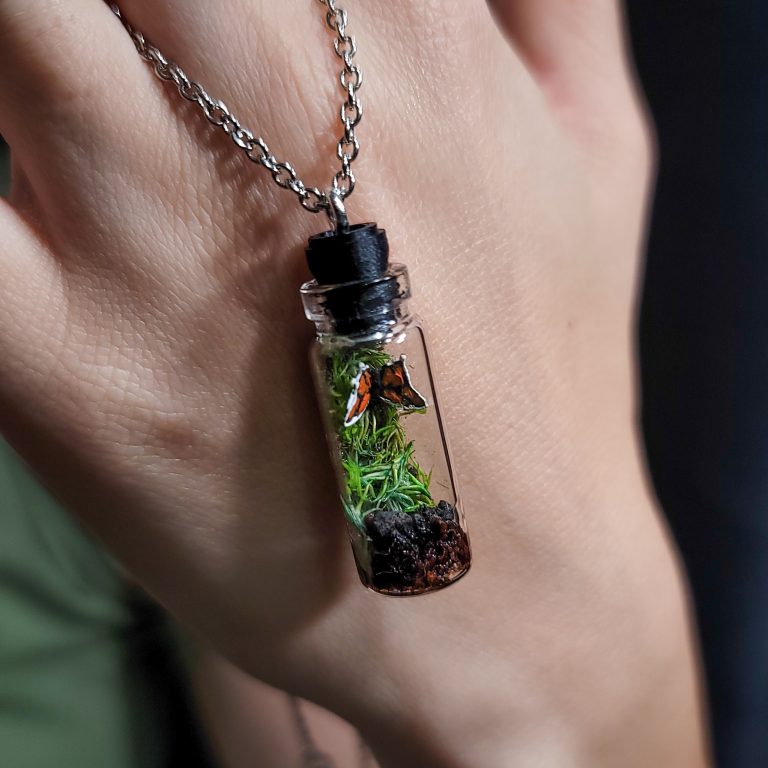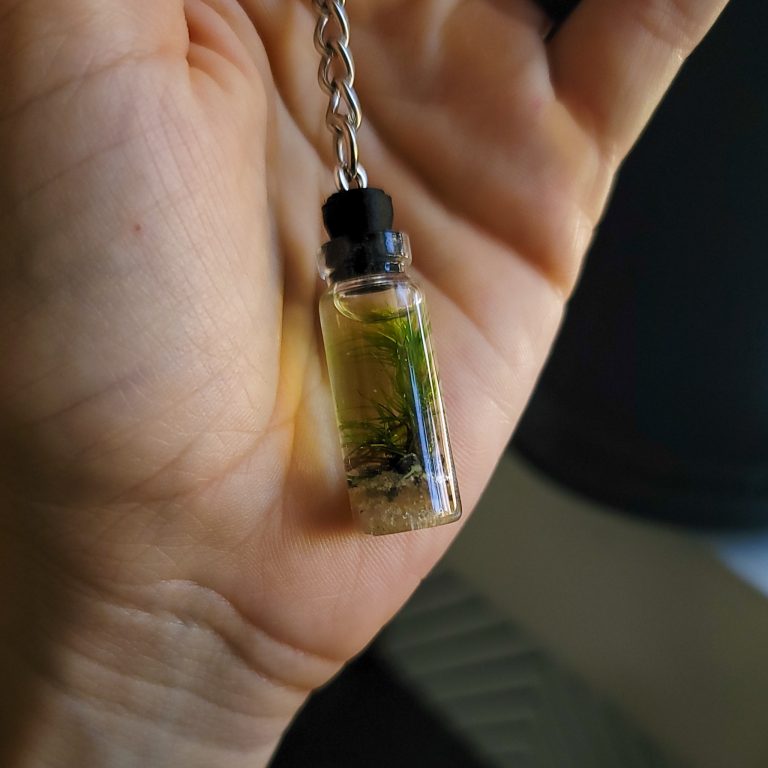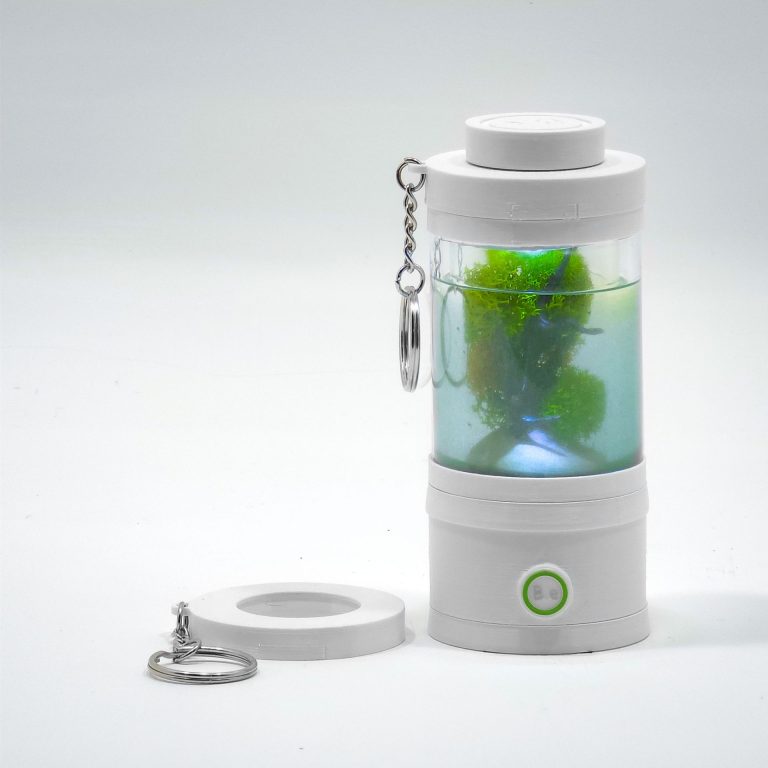
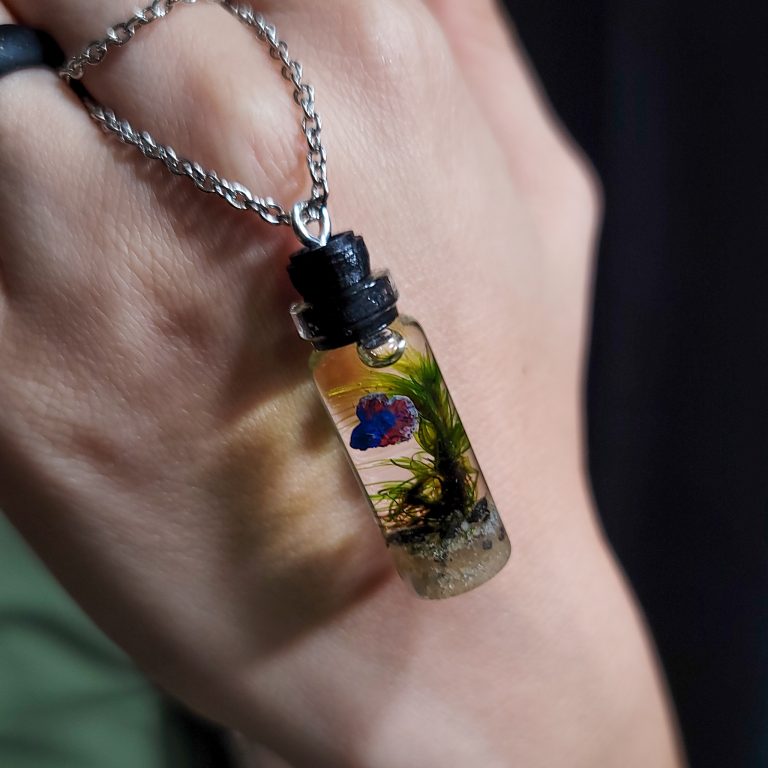
Freshwater Aquarium Necklace Charm
$24.99

Trichopsis schalleri
Reviewed for accuracy · Last updated Jan 9, 2026, 2:26 AM
Calm and shy labyrinth fish that prefers quiet, planted aquariums and shows mild territorial behavior when breeding.
Freshwater
Peaceful
Medium
11 gal (40 L)
3 in (6.5 cm)
4–7 years
Insectivore
Resident
Trichopsis schalleri is a peaceful and non-aggressive species that fits best in calm community aquariums. Its shy temperament makes it unsuitable for tanks with fast, aggressive, or highly active fish. Stress from incompatible tank mates often leads to hiding, poor feeding response, and reduced lifespan.
Ideal companions include small rasboras, peaceful tetras, Corydoras catfish, and other gentle bottom dwellers. In sufficiently large and planted tanks, it may also be kept with other small labyrinth fish, provided territories are clearly defined.
Males may show mild territorial behavior toward each other, especially during breeding periods, but this rarely escalates into physical harm. Keeping them in pairs or small groups works well when plenty of visual barriers are present.
Avoid fin nippers, large cichlids, and boisterous schooling fish. A quiet, balanced community allows this species to display its natural behavior without constant stress.
Trichopsis schalleri inhabits slow-moving freshwater environments in Southeast Asia, including marshes, floodplains, rice paddies, and heavily vegetated canals. These waters are usually warm, soft, and slightly acidic, often shaded by emergent vegetation and rich in organic matter. The natural habitat is calm and structurally complex, offering numerous hiding places and surface cover.
In aquariums, replicating this environment is essential for the species to thrive. A well-planted tank with dense stem plants, floating vegetation, and shaded zones helps reduce stress and encourages natural behavior. Subdued lighting is strongly recommended, as bright conditions may cause prolonged hiding. A dark, fine substrate such as sand enhances comfort and coloration.
Filtration should be gentle, producing minimal current. As a labyrinth fish, Trichopsis schalleri regularly breathes atmospheric air, so a calm water surface is important. The aquarium should be fully cycled and stable before introduction, as this species reacts poorly to sudden changes in water chemistry.
Regular small water changes and consistent parameters support long-term health. When environmental needs are met, this gourami becomes more visible and displays its characteristic croaking behavior.
In the wild, Trichopsis schalleri feeds mainly on small insects, larvae, and microcrustaceans found near the water surface and among plants. This insectivorous diet shapes its feeding behavior, which is deliberate rather than aggressive.
In captivity, a varied diet is crucial. Live and frozen foods such as mosquito larvae, daphnia, brine shrimp, and bloodworms should form the dietary foundation. High-quality micro pellets or crushed flakes may be accepted once the fish is fully acclimated, but they should not replace live foods entirely.
Feeding should occur once or twice daily in small portions. Because this species is not a competitive feeder, care must be taken in community tanks to ensure it receives adequate food. Target feeding in calm areas of the aquarium can be beneficial.
A diverse and protein-rich diet supports immune function, coloration, and breeding readiness, while overfeeding should be avoided to preserve water quality.
Breeding Trichopsis schalleri in captivity is achievable with proper preparation. The species is a bubble nest builder, with males constructing delicate nests beneath floating plants or sheltered surface areas. Warm temperatures, soft water, and low flow strongly encourage spawning behavior.
Conditioning breeding pairs with abundant live foods is essential. During courtship, males intensify in coloration and may produce audible croaking sounds. Spawning occurs beneath the nest, after which the male collects and guards the eggs.
The female should be removed post-spawning to prevent harassment. The male remains attentive until the eggs hatch, typically within a few days. Once fry become free-swimming, the male should also be removed.
Fry are extremely small and require infusoria or other microscopic foods initially, followed by newly hatched brine shrimp. Stable water quality is critical throughout development.
Some links on this page may earn Fishmetry a commission at no extra cost to you.