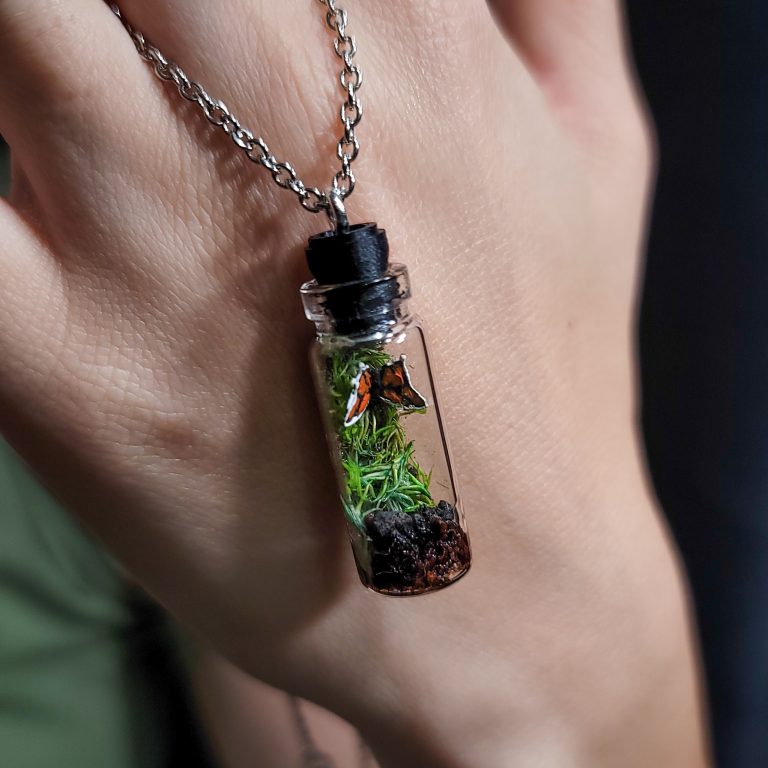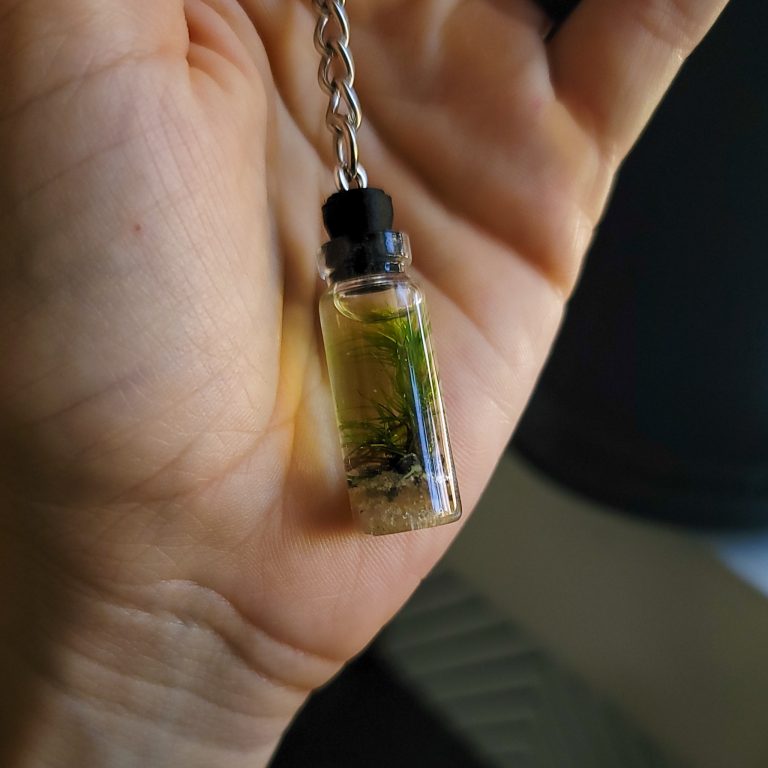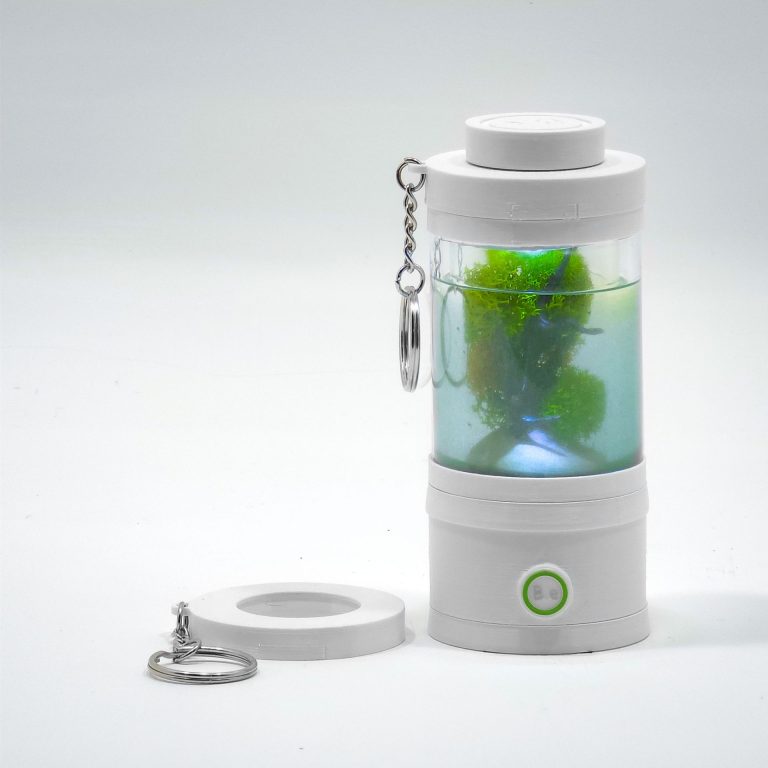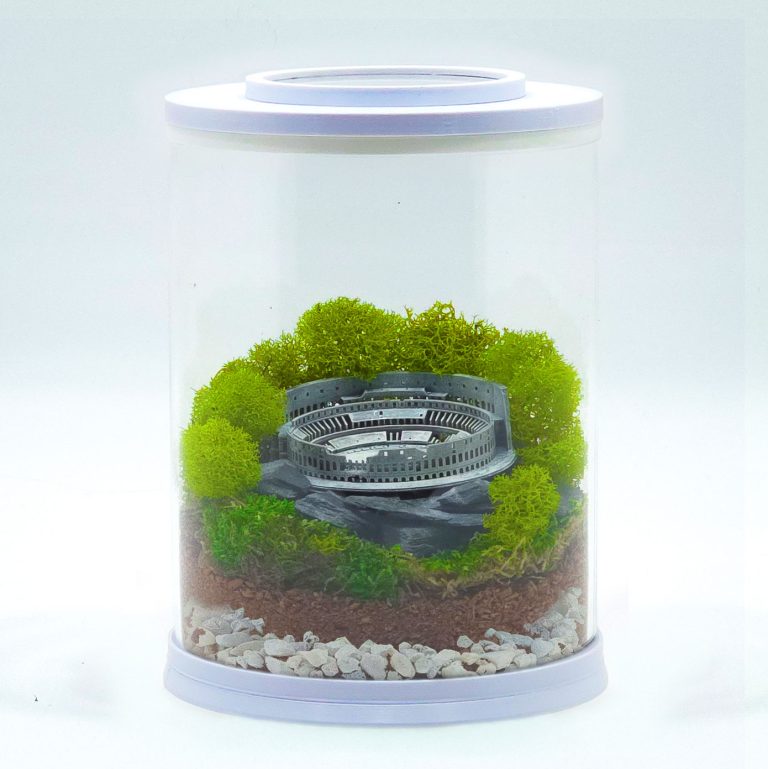

Freshwater Aquarium Necklace Charm
$24.99

Trichopsis vittata
Reviewed for accuracy · Last updated Feb 27, 2026, 3:59 AM
Calm labyrinth fish that communicates with audible croaking sounds, showing mild territoriality during breeding only.
Freshwater
Peaceful
Easy
11 gal (40 L)
3 in (6.5 cm)
4–6 years
Omnivore
Resident
Croaking gouramis are generally peaceful and well-suited to calm community aquariums, provided tank mates are chosen carefully. Their small size and non-aggressive nature mean they can be intimidated by boisterous or fast-swimming species that dominate feeding time.
Ideal tank mates include other gentle fish that prefer similar water conditions and low-flow environments. Small rasboras, peaceful barbs, and micro tetras integrate well without competing aggressively for territory or food.
Bottom-dwelling species such as Corydoras catfish and small loaches can coexist safely, as they occupy different zones and do not challenge gouramis for space. Their presence also adds activity without causing stress.
Invertebrates like freshwater shrimp and snails are generally compatible, especially in heavily planted tanks. Adult shrimp are usually ignored, though very small juveniles may occasionally be preyed upon.
Avoid housing croaking gouramis with aggressive cichlids, fin-nipping species, or large gouramis that may see them as rivals. Such tank mates often cause chronic stress that suppresses feeding and vocal behavior.
Male croaking gouramis may display mild territorial behavior toward each other, particularly in confined spaces. Keeping them in pairs or small groups with ample plant cover helps diffuse aggression and maintain harmony.
Tank mates that prefer similar temperatures and soft to moderately hard water reduce the need for compromises that could negatively impact long-term health. Compatibility should prioritize behavior over size alone.
Peaceful surface dwellers are acceptable, but overcrowding the upper water layers should be avoided to ensure gouramis have uninterrupted access to atmospheric air.
Observing interactions during feeding time is crucial, as croaking gouramis are not fast eaters. Ensuring food reaches them consistently prevents malnutrition even in otherwise compatible community setups.
When thoughtfully paired, croaking gouramis coexist quietly and contribute subtle acoustic communication that enhances the overall aquarium experience.
Croaking gouramis are small labyrinth fish native to slow-moving freshwater habitats in Southeast Asia, where they inhabit shallow streams, rice paddies, swamps, and floodplains with dense aquatic vegetation. In aquariums, they thrive best when these calm, plant-filled environments are carefully recreated using soft substrates, floating plants, and gentle water movement.
A tank for Trichopsis vittata should prioritize horizontal swimming space rather than height, as these fish spend most of their time cruising midwater and near the surface. Dense planting using stem plants, mosses, and floating species helps diffuse light, reduces stress, and provides natural boundaries that support their peaceful behavior.
Water flow must be kept low, as strong currents can cause chronic stress and interfere with their labyrinth breathing behavior. Sponge filters or well-baffled external filters are ideal, ensuring stable biological filtration without excessive turbulence.
Because croaking gouramis possess a labyrinth organ, access to warm, humid air above the water surface is essential. Tanks should be covered to prevent temperature shocks when fish gulp atmospheric air, especially in cooler environments.
Water parameters should be stable and slightly acidic to neutral, mimicking their natural range. Sudden fluctuations in temperature, pH, or hardness can weaken immune response and shorten lifespan, even though the species is considered hardy.
Lighting should be subdued to moderate, as intense illumination can lead to hiding behavior and suppressed feeding. Floating plants such as Salvinia or Amazon frogbit are particularly effective for shading while maintaining gas exchange.
Décor should include driftwood, leaf litter, and natural shelters that create visual breaks. These elements help reduce mild territorial disputes, particularly among males, while also encouraging more confident and visible behavior.
Regular maintenance is essential despite their tolerance. Weekly partial water changes maintain water quality and prevent the buildup of dissolved organic waste that can affect labyrinth fish more quickly than gill-only species.
Although adaptable, croaking gouramis show their best coloration, vocal behavior, and longevity in aquariums that closely resemble their slow, shaded natural waters. When environmental needs are met, they become resilient, engaging residents suitable for peaceful community setups.
Croaking gouramis are omnivorous with a strong preference for small animal-based foods, reflecting their natural diet of insects, larvae, and microcrustaceans. In captivity, they readily accept a wide variety of prepared and live foods when offered consistently.
High-quality micro pellets and finely crushed flakes formulated for small tropical fish form a suitable dietary base. These should be supplemented regularly with protein-rich options to maintain optimal health and coloration.
Live and frozen foods such as daphnia, brine shrimp, bloodworms, and mosquito larvae are highly beneficial. These foods stimulate natural foraging behavior and often enhance vocal activity and breeding readiness.
Occasional plant-based matter, including spirulina flakes or finely blanched vegetables, supports digestive health and dietary balance, though plant material should not dominate their diet.
Feed small portions once or twice daily, ensuring all food is consumed within a few minutes. Overfeeding can quickly degrade water quality, particularly in low-flow, heavily planted aquariums.
Because croaking gouramis feed deliberately, competition from faster tank mates should be minimized. Target feeding or dispersing food across the surface helps ensure equitable access.
Variety is key to preventing nutritional deficiencies and boredom. Rotating food types throughout the week closely mimics natural feeding patterns and supports immune function.
During conditioning for breeding, increasing the frequency of live or frozen foods improves body condition and egg production, especially in females.
Uneaten food should be promptly removed, as decaying organic matter disproportionately affects labyrinth fish due to their sensitivity to surface film buildup.
A balanced, varied feeding routine results in robust health, stable behavior, and increased longevity in croaking gouramis.
Breeding croaking gouramis in captivity is achievable and rewarding, as they are bubble-nest builders with fascinating reproductive behavior. Successful breeding begins with well-conditioned adults kept in a peaceful, stable environment.
A separate breeding tank is recommended to improve survival rates. This tank should be shallow, warmly heated, and densely planted, with floating plants to support bubble nest construction.
Males initiate courtship by intensifying coloration and producing audible croaking sounds using specialized pectoral mechanisms. These vocalizations play a role in attracting females and establishing breeding readiness.
Once a female accepts the male, spawning occurs beneath the bubble nest. Eggs are released during a brief embrace, after which the male collects and places them into the nest.
After spawning, the female should be removed, as the male assumes sole responsibility for guarding the nest and caring for the eggs. During this period, the male may become more territorial.
Eggs typically hatch within one to two days, depending on temperature. The male continues to tend the fry until they become free-swimming, at which point he should also be removed.
Fry are extremely small and require infusoria or commercially prepared liquid fry foods during the first days. As they grow, newly hatched brine shrimp can be introduced gradually.
Stable water quality is critical during early development, as fry are highly sensitive to ammonia and sudden changes. Gentle filtration and minimal disturbance improve survival rates.
Growth is relatively slow, and juveniles benefit from frequent small feedings and gradual water changes to support steady development.
With proper care, croaking gouramis will breed repeatedly, displaying complex behaviors that make them especially appealing to dedicated aquarists.
Some links on this page may earn Fishmetry a commission at no extra cost to you.