Medium
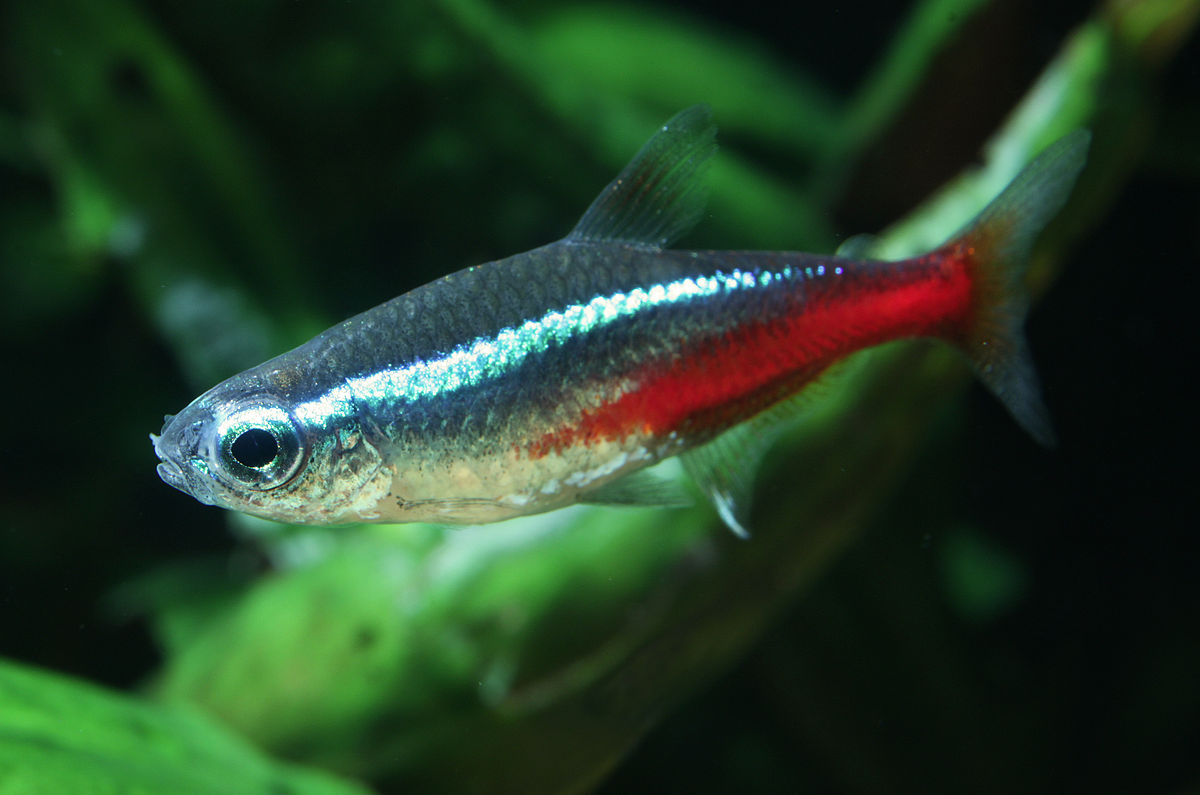
Cardinal Tetra
Paracheirodon axelrodi

Apistogramma agassizii
Reviewed for accuracy · Last updated Feb 27, 2026, 3:56 AM
Territorial dwarf cichlid that displays vivid coloration and complex social behavior, especially during courtship and spawning.
Freshwater
Moderate
Medium
21 gal (80 L)
3 in (8 cm)
3–5 years
Omnivore
Resident
Agassiz’s Dwarf Cichlid can be kept in peaceful community aquariums when tank mates are chosen carefully. Suitable companions include small, calm schooling fish such as pencilfish, small tetras, and peaceful rasboras that occupy upper water levels.
Bottom-dwelling species should be chosen with caution. Corydoras can coexist in larger tanks, but overlapping territories may cause stress during breeding. Other dwarf cichlids are generally not recommended unless the aquarium is large and heavily structured.
Aggressive or boisterous species should be avoided, as they intimidate Apistogramma and suppress natural behavior. Fin-nippers and large cichlids are incompatible.
Providing clear territorial boundaries and visual barriers greatly improves compatibility. When properly managed, this species integrates well into calm, well-planned community setups.
Paracheirodon axelrodi

Corydoras pygmaeus

Nannostomus beckfordi
Apistogramma agassizii is a classic South American dwarf cichlid that thrives in carefully structured aquariums emphasizing territory and water quality. Although small, this species benefits from a minimum of 80 liters, with larger tanks providing better stability and reduced aggression. The aquarium should include numerous hiding places such as caves, coconut shells, leaf litter, and driftwood.
Soft, acidic water is strongly preferred, closely mimicking the blackwater habitats this species originates from. Sand substrates are ideal, allowing natural foraging behavior and reducing injury risk. Plants are beneficial but not mandatory; floating plants help diffuse light and create security.
Filtration should be gentle yet efficient. Strong currents are unnecessary and may cause stress. Regular small water changes are essential, as this species is sensitive to nitrate buildup. Stability is more important than chasing exact parameter values.
Lighting should be subdued to moderate. When environmental needs are met, males display intense coloration and natural behaviors, making this species a rewarding choice for dedicated aquarists.
Apistogramma agassizii is an omnivore with a strong preference for small animal-based foods. In the wild, it feeds on insect larvae, micro-crustaceans, and organic matter sifted from the substrate. In captivity, dietary variety is essential for health and coloration.
High-quality micro pellets and granules designed for dwarf cichlids form a solid base. These should be supplemented with frozen or live foods such as brine shrimp, daphnia, cyclops, and bloodworms. Occasional vegetable-based foods support digestive health.
Feeding once or twice daily in small portions is ideal. Overfeeding leads to water quality issues, which this species does not tolerate well. During breeding, increased protein intake supports egg production and fry care.
A consistent, varied diet results in stronger immune response, better coloration, and more reliable breeding behavior.
Breeding Apistogramma agassizii is achievable in home aquariums and is one of the reasons for its popularity. This species exhibits classic cave-spawning behavior, with the female laying eggs inside a protected cavity. Soft, acidic water significantly increases breeding success.
The female assumes primary responsibility for egg and fry care, becoming highly territorial. The male typically guards the broader territory. Eggs hatch within two to three days, and fry become free-swimming after about a week.
Fry should be fed newly hatched brine shrimp and fine powdered foods. Frequent small water changes are essential for survival and growth. Parental care may continue for several weeks.
Because of its manageable breeding requirements and fascinating behavior, Apistogramma agassizii is widely bred in captivity and remains a cornerstone species in dwarf cichlid aquarism.
Some links on this page may earn Fishmetry a commission at no extra cost to you.