
Easy
Panda Corys
Corydoras panda
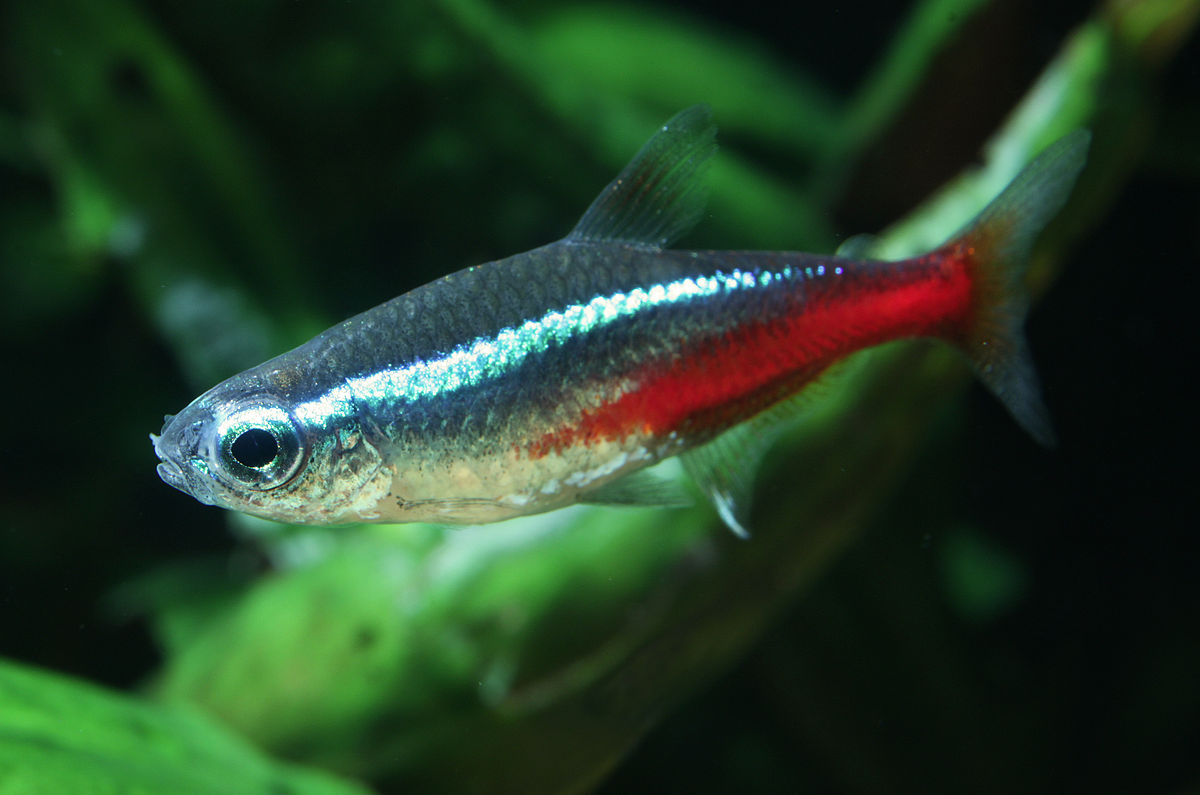
Paracheirodon axelrodi
Reviewed for accuracy · Last updated Jan 2, 2026, 4:40 PM
Peaceful, schooling mid-level swimmer; requires stable soft acidic water to display best coloration and health.
Freshwater
Peaceful
Medium
13 gal (50 L)
1 in (3 cm)
3–6 years
Omnivore
Resident
Cardinal tetras are ideal with other small, peaceful species that share soft acidic water needs. Suitable tank mates include small rasboras, dwarf cichlids with similar water preferences, and small catfish. Avoid fish that require higher pH or hardness, and avoid aggressive or large species that stress the school. Provide dense planting and areas of low light so shy species have refuge and display natural behaviours.
Keep cardinals in larger schools to reduce predation risk and support cohesive shoaling against perceived threats. Quarantine all new arrivals to prevent disease transmission to sensitive tetras and to acclimate them gradually. If mixing with bottom dwellers, choose peaceful species that do not disturb the substrate or compete aggressively. Introduce tank mates slowly and monitor for compatibility issues that may arise from mismatched water needs.
Adjust feeding strategies to ensure bottom feeders and mid-water species both receive adequate nutrition. Maintain consistent water quality to reduce stress across the community and preserve the vivid cardinal colours. Plan stocking and space to allow schooling behaviour to flourish and minimize territorial conflicts.
Corydoras panda
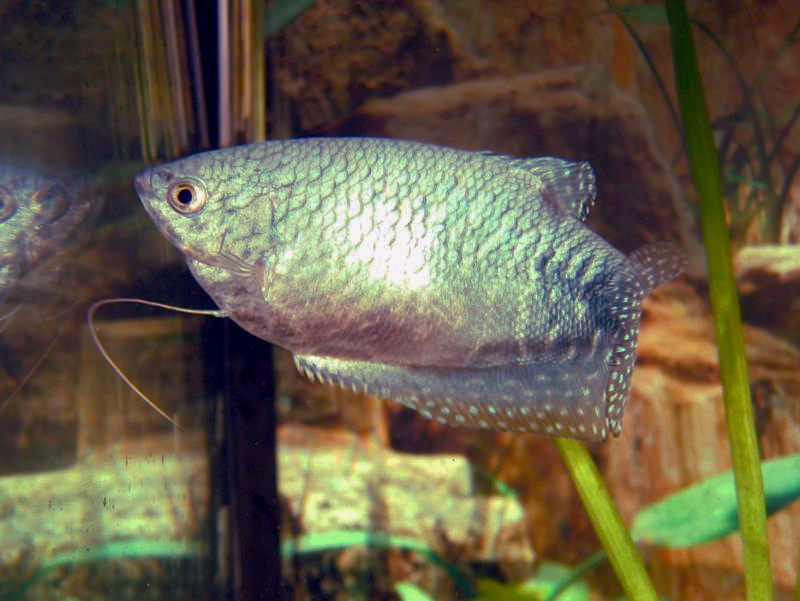
Trichogaster trichopterus

Apistogramma agassizii
Cardinal tetras thrive in soft, acidic water with stable temperature and low nitrate levels. Create a planted tank with dark substrate and subdued lighting to replicate their natural shaded habitat. Keep them in a school of at least 8–10 individuals to promote natural shoaling and reduce stress. Frequent small water changes and gentle filtration are essential to maintain pristine conditions for cardinals.
Maintain temperatures around 23–28°C and avoid sudden swings which can quickly stress these sensitive tetras. Use peat or driftwood to slightly lower pH if tap water is alkaline; consistency in parameters is crucial. Provide floating plants to diffuse light and simulate tannin-rich waters that encourage natural behaviour. Quarantine new fish and acclimate carefully, especially when moving from different water chemistries.
Avoid aggressive tank mates and fin-nippers; choose peaceful species with similar water preferences. Monitor for disease when introducing new stock; cardinals can be susceptible to water-quality related health issues. Balance stocking levels to limit nitrate accumulation and allow ample swim space for cohesive schooling. Observe behaviour daily to ensure all school members are active and feeding properly.
Cardinal tetras are omnivores and benefit from a varied diet of micro-pellets, flakes, and live foods. Feed high-quality micro-foods as a staple and supplement with frozen daphnia and newly hatched brine shrimp. Offer small portions 1–2 times daily and remove uneaten food quickly to maintain water quality. Use finely crushed or micro-formulated foods for juveniles; they require tiny particles to feed effectively.
Condition breeding groups with live foods to improve spawning readiness and egg viability in dedicated tanks. Include occasional vegetable-based flakes to round out nutrition and support gut health in community setups. Rotate food types to prevent dietary deficiencies and help maintain vivid coloration in adult cardinals. Store foods properly and avoid using stale or degraded products which can lower nutritional value.
Observe feeding to ensure timid individuals within the shoal receive sufficient food and adjust feeding points. Avoid heavy meaty diets as a staple; balance protein with plant-based nutrients for optimal long-term health. Provide feeding enrichment using varied textures and live items to stimulate natural foraging behaviour.
Cardinal tetra breeding is challenging and typically requires very soft, acidic water and dim conditions. Set up a separate breeding tank with peat-filtered water, low light, and fine-leaved plants or spawning mops. Condition adults with live foods like infusoria and microworms to encourage spawning and improve egg quality. After spawning, remove adults to prevent egg predation; eggs hatch in about 24–48 hours depending on conditions.
Raise fry on infusoria for the first days and progress to microworms and baby brine shrimp as they grow. Keep water exceptionally clean and stable; even minor parameter shifts can cause poor fry survival. Use a gentle sponge filter and perform very small daily water exchanges to maintain water quality without stress. Record specific conditions that led to success to refine future attempts; cardinal breeding often requires trial and error.
Understand that captive breeding of cardinals is advanced; seek advice from experienced breeders if attempting. Replicate tannin-rich, low-light environments to mimic natural spawning triggers and increase success chances. Patience and meticulous water maintenance are the keys to raising healthy cardinal tetra fry to juvenile stage.
Some links on this page may earn Fishmetry a commission at no extra cost to you.