Easy
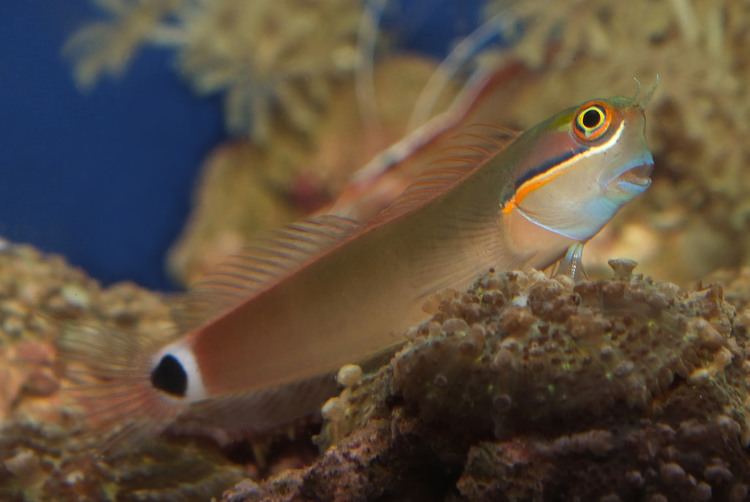
Tail-Spot Blenny
Ecsenius stigmatura

Cirrhilabrus lubbocki
Reviewed for accuracy · Last updated Jan 5, 2026, 1:35 AM
Peaceful and constantly active wrasse that adapts well to reef tanks and shows minimal aggression.
Marine
Peaceful
Easy
40 gal (150 L)
3 in (8 cm)
4–6 years
Carnivore
Resident
Lubbock’s Fairy Wrasse is compatible with most peaceful reef fish. It coexists well with gobies, clownfish, and blennies. Non-aggressive species are ideal companions. They rarely initiate conflicts.
Avoid housing with aggressive wrasses or dottybacks. Such species may harass or intimidate them. Multiple fairy wrasses require adequate space. Simultaneous introduction helps reduce hierarchy issues.
They are completely reef-safe. Corals and invertebrates are ignored. Feeding competition should be observed. Ensure all fish receive adequate food.
Community harmony improves in larger tanks. Observe behavior during initial weeks. Peaceful environments enhance coloration. Compatibility is high when planned carefully.
Ecsenius stigmatura
Lubbock’s Fairy Wrasse adapts well to most established reef aquariums. It prefers open swimming areas combined with protective rockwork. A secure lid is mandatory due to frequent jumping behavior. Stable reef conditions are essential for long-term success.
Water quality should be kept high with regular water changes. They tolerate standard reef flow and oxygenation levels. Avoid sudden changes in temperature or salinity. Consistency ensures reduced stress.
Lighting can follow normal reef schedules. They display best coloration under balanced spectrum lighting. Sheltered zones help them rest comfortably. Rockwork should allow quick retreat.
This species is beginner-friendly among fairy wrasses. It acclimates quickly when properly introduced. Observe feeding and activity daily. Overall care requirements are moderate and manageable.
Lubbock’s Fairy Wrasse feeds on small meaty marine foods. In the wild, it consumes planktonic organisms. Captive diets should focus on protein-rich offerings. Multiple small feedings daily are ideal.
Frozen mysis, brine shrimp, and copepods are excellent choices. They also accept high-quality pellets and flakes. Food size should match their small mouth. Variety supports long-term health.
Consistent feeding reduces competition and stress. Underfed individuals may become reclusive. Overfeeding should be avoided to maintain water quality. Balance is key.
Supplement foods with vitamins occasionally. Rotate food sources weekly. Monitor body condition regularly. Healthy feeding reflects in vibrant coloration.
Captive breeding of Lubbock’s Fairy Wrasse is rare. They are pelagic spawners with no parental care. Spawning usually occurs near dusk. Males display intensified coloration during courtship.
Eggs are released into open water. They drift freely in the water column. Larvae hatch extremely small. Specialized systems are required for survival.
Live planktonic foods are essential for larvae. Most home aquariums cannot sustain this stage. Survival rates are extremely low. Breeding remains experimental.
Despite this, natural behaviors are observable. Healthy adults may perform display dances. Stable tanks encourage such interactions. Breeding is not expected in typical setups.
Some links on this page may earn Fishmetry a commission at no extra cost to you.