
Medium
Solar Fairy Wrasse
Cirrhilabrus solorensis
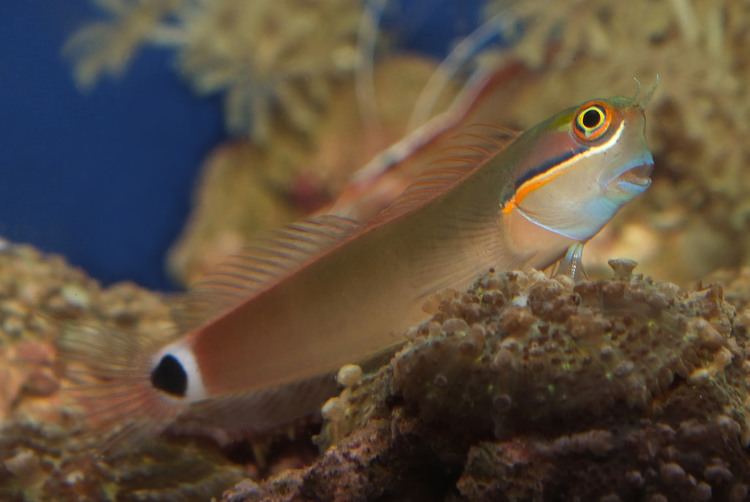
Ecsenius stigmatura
Reviewed for accuracy · Last updated Jan 5, 2026, 1:38 AM
Generally peaceful and curious reef fish that spends much of its time grazing algae and observing surroundings.
Marine
Peaceful
Easy
20 gal (75 L)
2 in (6 cm)
3–5 years
Algae Eater
Resident
Tail-Spot Blennies are generally peaceful and compatible with many reef fish. They coexist well with clownfish, gobies, cardinalfish, and small wrasses. Non-aggressive species are ideal companions in shared reef spaces. Their calm nature makes them suitable for community aquariums.
They may show territorial behavior toward similar blenny species. Avoid housing them with other algae-grazing blennies in small tanks. This reduces competition for food and shelter. Larger tanks with ample rockwork can mitigate minor disputes.
Aggressive fish such as large dottybacks or hawkfish should be avoided. Such species may harass or outcompete the blenny. Peaceful reef-safe fish ensure long-term harmony. Shrimp and snails are typically ignored and safe.
Careful stocking prevents stress-related health issues. Observe interactions closely during the first weeks. A balanced community promotes natural behavior. Overall compatibility is high when chosen thoughtfully.
Cirrhilabrus solorensis

Cirrhilabrus lubbocki
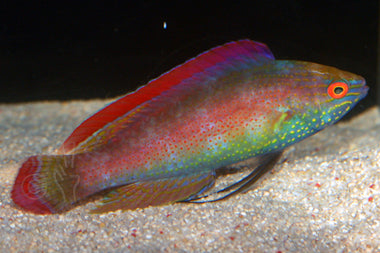
Cirrhilabrus rubrimarginatus
The Tail-Spot Blenny thrives in stable marine aquariums that mimic shallow reef environments. It requires mature live rock with natural algae growth to support its grazing behavior. Rock crevices and holes are essential, as this species frequently retreats when resting. A well-established tank reduces stress and promotes natural feeding patterns.
Water quality should be kept consistently high with regular maintenance routines. Strong biological filtration is important, but water flow should be moderate rather than intense. Sudden changes in salinity or temperature can stress the fish significantly. Stable parameters are more important than chasing exact numeric values.
Lighting should be adequate for reef setups, encouraging algae growth on rocks. The fish will perch openly under normal lighting conditions once acclimated. It does not require specialized substrates, but sand or fine gravel is preferred. Avoid bare-bottom tanks, as they reduce grazing opportunities.
This species adapts well to community reef tanks when housed with peaceful fish. It is suitable for beginner marine aquarists with basic reef-keeping knowledge. Routine observation helps identify feeding or territorial issues early. Overall, it rewards calm, consistent care with engaging behavior.
The Tail-Spot Blenny is primarily an algae grazer in both nature and captivity. It spends much of the day picking microalgae from rocks and aquarium surfaces. Natural algae growth is an important part of its long-term health. A mature tank is strongly recommended before introduction.
Supplemental feeding is necessary when natural algae is insufficient. Offer dried marine algae, spirulina flakes, and algae-based pellets regularly. The fish readily accepts prepared foods once acclimated. Feed small amounts multiple times per day for best results.
Occasionally, it may consume small meaty foods such as mysis shrimp. These should be considered supplements rather than staples. A varied diet helps prevent nutritional deficiencies over time. Avoid overfeeding, as blennies are prone to obesity.
Consistent access to plant-based foods reduces aggression and stress. Well-fed individuals display brighter coloration and active behavior. Feeding competition should be monitored in community tanks. Target feeding may be useful in busy reef setups.
Breeding Tail-Spot Blennies in captivity is possible but uncommon. They are substrate spawners that prefer secure rock crevices or holes. A bonded pair is required for successful reproduction. Sexual dimorphism is subtle, making pairing challenging.
During spawning periods, males guard the nesting site. Eggs are laid inside protected cavities within the rockwork. The male actively fans and defends the eggs. This behavior continues until hatching.
Larvae are planktonic and extremely small. Raising them requires specialized live foods and equipment. Most community aquariums cannot support larval survival. Dedicated breeding systems are usually necessary.
While difficult, successful breeding has been documented by advanced aquarists. Stable conditions and excellent nutrition are critical. Patience and experience greatly improve outcomes. For most hobbyists, natural behavior observation is the main reward.
Some links on this page may earn Fishmetry a commission at no extra cost to you.